Good grilling often looks spontaneous because the cook is relaxed when the food hits the grate. That calm usually comes from earlier work. Salt has had time to season. Marinades are not dripping all over the station. Sides are ready enough to serve. Clean platters are waiting. The cooler has a job. Guests are not standing around while the cook searches for tongs, opens packages, and tries to remember which bowl touched raw chicken. Make-ahead prep is not about turning a cookout into a catering operation. It is about removing the decisions that do not need to happen near fire.
Prep starts with the menu shape
The easiest cookouts have a menu that fits the grill, the clock, and the host’s attention. One long-cooking centerpiece can work if the sides are simple. Several quick foods can work if they share a heat plan. Trouble starts when every item needs a different temperature, a different last-minute sauce, and the same square foot of grate space. Before chopping anything, decide what needs direct heat, what needs indirect heat, what can be served cold, and what can be finished before guests arrive.
Cookout Planning covers the broader guest flow. This guide sits closer to the prep table. A cookout menu should have a backbone: the main grill item, one or two sides that do not compete for the same heat, a sauce or dressing, and a plan for holding. Once that shape is clear, prep becomes purposeful instead of decorative.
Salt ahead when it helps
Salt can do useful work before the grill is lit. Dry brining chicken, pork chops, steak, tofu, or vegetables gives salt time to move inward and gives surfaces time to dry. Dry surfaces brown better. That does not mean every food needs overnight salt, and it does not mean more salt is automatically better. It means timing is a seasoning tool.
The guide to Seasoning, Salt, Rubs, and Marinades explains the difference between dry brines, rubs, and marinades. For make-ahead cooking, the key distinction is surface condition. A dry-brined steak or chicken thigh may arrive at the grill ready to brown. A wet-marinated piece may need to be lifted out, patted lightly, and given space so it does not steam. Vegetables salted too early can shed water and soften, which may be useful for eggplant but less useful for zucchini slices meant to stay crisp.
Marinades need timing and restraint
Marinades are often treated as a flavor guarantee, but they can make grilling worse when used without restraint. Acid can change texture. Sugar can burn. Oil can drip and feed flare-ups. Herbs can blacken. Thick marinades can hide the surface from heat. The best marinade plan asks what the food needs: salt, aroma, acid, fat, or a sauce after cooking.
Longer is not always better. Delicate fish, thin vegetables, tofu, and small pieces can become over-seasoned or mushy if left too long. Dense foods may need more time, but even then the marinade rarely travels as deeply as people imagine. Keep marinades covered and cold when required, lift food out before grilling, and do not reuse marinade that touched raw foods as a finishing sauce unless it has been handled in a food-safe way.
If a sauce is meant to taste fresh, keep it separate from the raw prep. Herb sauces, yogurt sauces, vinaigrettes, and table salsas often work better when made ahead and adjusted at serving rather than brushed over fire for the entire cook. BBQ Sauces, Glazes, and When to Apply Them is the useful companion for anything sweet, sticky, or glossy.
Sides should reduce pressure, not add it
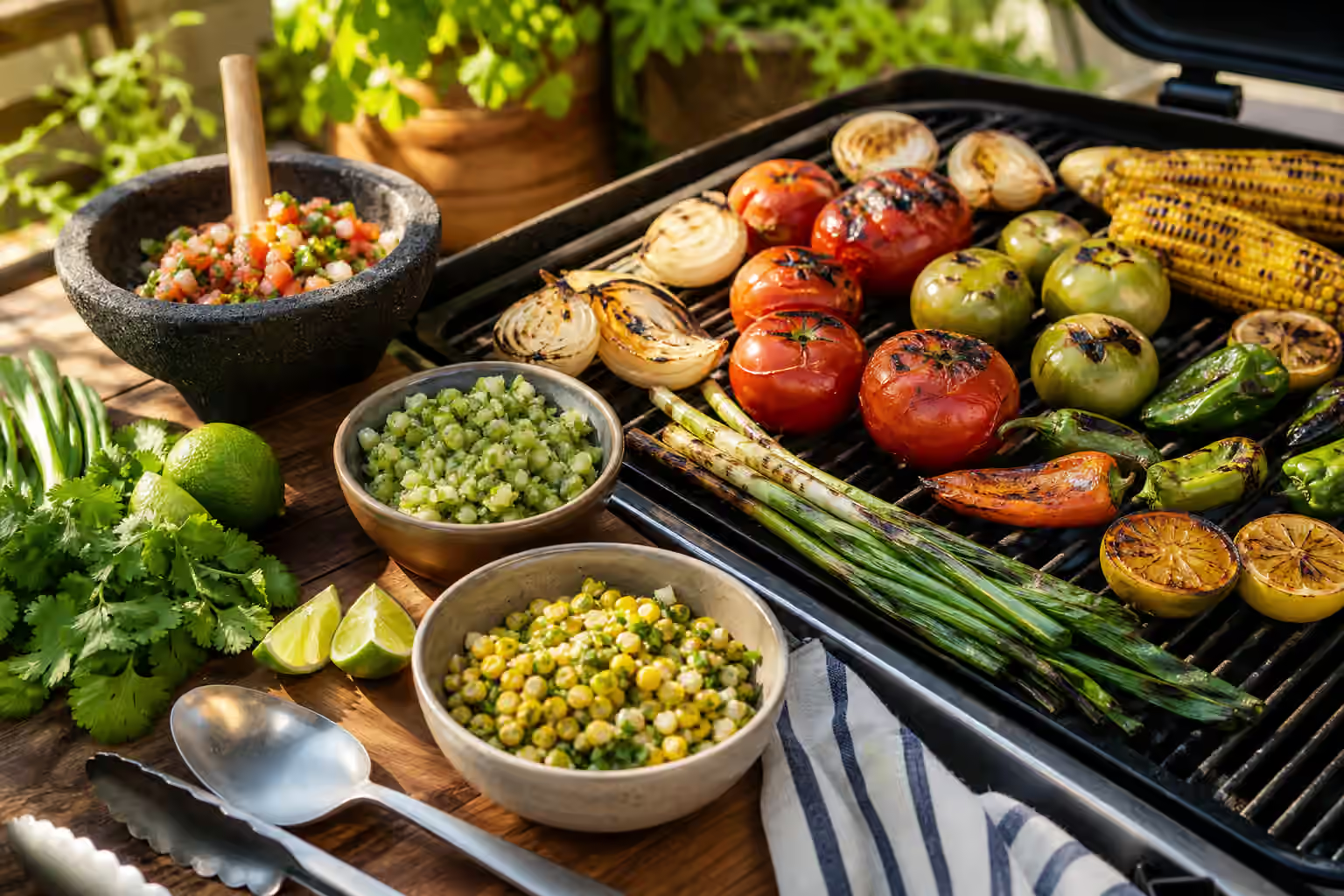
A side dish that needs the same final ten minutes as the main food is not really helping. Make-ahead sides should buy the cook attention. Grain salads, slaws, bean salads, potato salads, chilled grilled vegetables, sauces, pickles, and cut fruit can carry flavor without demanding the hottest part of the grill at the busiest moment. Warm sides can still work, but they need a holding plan.
Some sides are best partially prepared. Corn can be shucked. Potatoes can be par-cooked. Peppers can be cut. Skewers can be assembled if the ingredients cook at similar speeds. Flatbread dough can be portioned. Dessert fruit can be halved and held cold until the grill calms down. Grilled Corn, Potatoes, and Hearty Sides and Grilled Desserts and Sweet Finishes both become easier when the early work is done before the first guest asks what they can do to help.
Build raw trays and clean landing zones
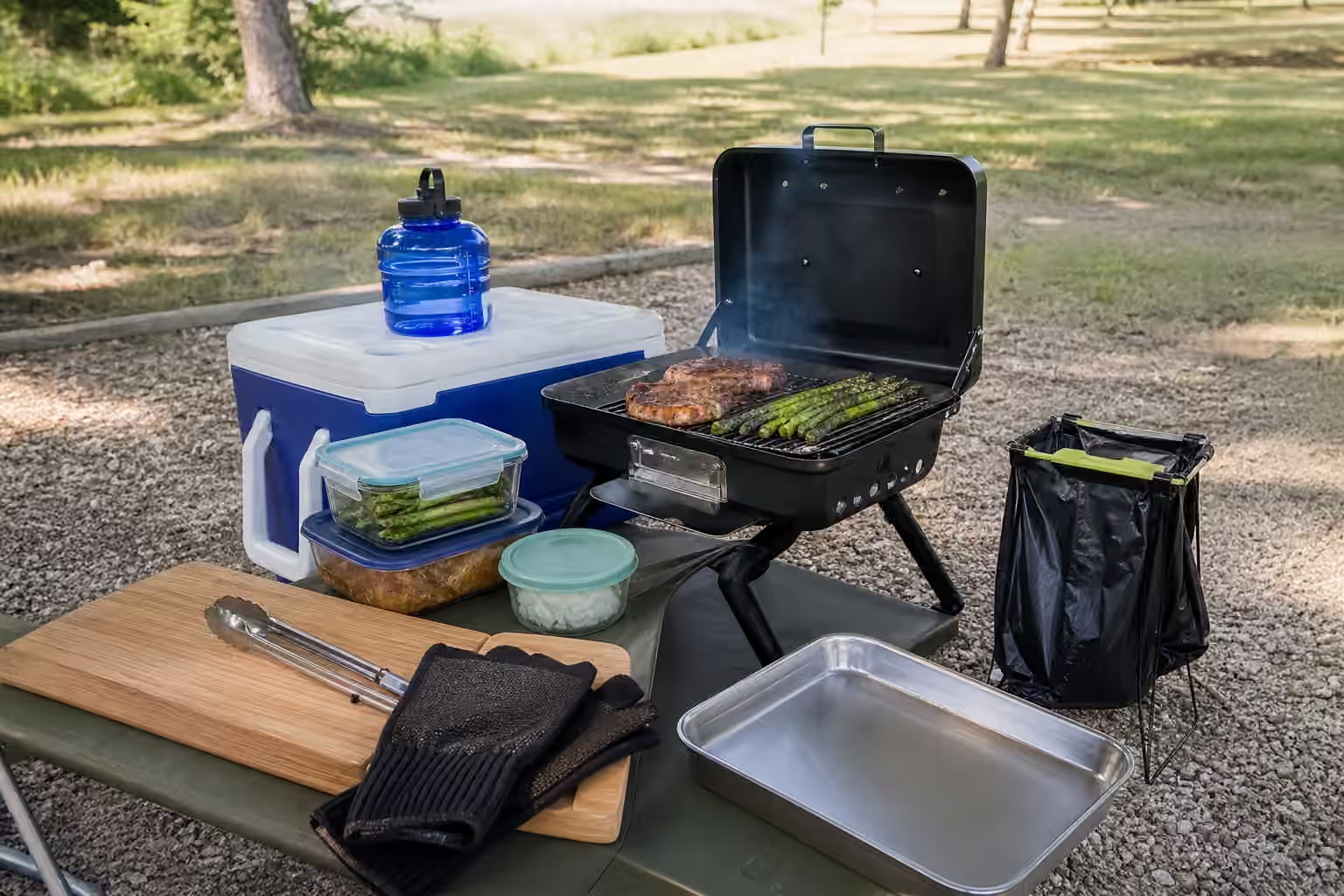
The physical layout matters as much as the recipe. Raw food needs its own tray, utensils, and path to the grill. Cooked food needs a clean landing zone that never held raw food. Thermometers need to be accessible, not buried in a drawer. Paper towels, trash, and a place for dirty tools should be close enough that the cook uses them. This is the practical side of Grill Food Safety Workflow: Raw, Cooked, Hot, and Cold .
For make-ahead prep, label by position if not by words. Raw containers stay in one cooler area. Clean platters sit covered in another place. Sauces for serving are separated from marinades. Guests should not have to guess which bowl is safe for the table. Even if the cook knows, a crowded party can rearrange surfaces quickly. Clear zones prevent the station from becoming a memory test.
Timing should include rest and recovery
The grill timeline should not end when the food leaves the grate. Steak needs rest. Chicken needs confirmed doneness and a short pause. Ribs or roasts may need holding. Vegetables may need dressing. Burgers need buns, toppings, and a clean tray. If the timeline ignores those steps, the cook will feel late even when the grilling itself went well.
Resting, Holding, and Serving is part of make-ahead prep because serving equipment can be ready before cooking starts. A wire rack over a tray, a warm but not scorching holding area, foil used carefully, a carving board, and a sharp knife can all be staged. The final minutes are easier when the landing zone has already been built.
Leave one flexible slot
A good prep plan should not be brittle. Weather changes, guests arrive late, a fire runs hotter than expected, and one dish takes longer than planned. Leave one flexible slot in the menu: a side that can be served cold, bread that can toast quickly, vegetables that can wait, or a sauce that can rescue a plain platter. That flexibility is not failure. It is how outdoor cooking stays human.
Make-ahead prep succeeds when the grill session feels less crowded. Salt has done its quiet work. Marinades are controlled. Sides support the timeline. Raw and cooked paths are separate. Clean platters are ready. The cook still has to pay attention to the fire, but the fire is no longer competing with avoidable clutter. That is the point: prepare enough that the live cooking can receive the attention it deserves.