Hot dogs and bratwurst are easy to put on a grill and surprisingly easy to treat carelessly. Because they look casual, cooks often throw them over the hottest flame, walk away, split the skins, scorch the buns, and serve them from the same crowded tray that carried raw sausage outside. The better version is still relaxed, but it has a heat plan. Sausages need time to warm or cook through, casings need browning without bursting, buns need seconds rather than minutes, and toppings need their own lane so the table does not become sticky chaos.
Know what kind of sausage is on the grate
The first decision is whether the food is fully cooked, fresh, cured, smoked, or raw. Many hot dogs are sold fully cooked and only need reheating and browning, though they still deserve clean handling and sensible holding. Fresh bratwurst, fresh Italian sausage, poultry sausage, and other raw sausages need thorough cooking. Some smoked sausages sit between those habits depending on how they were made and sold. The label and current official guidance matter more than folklore.
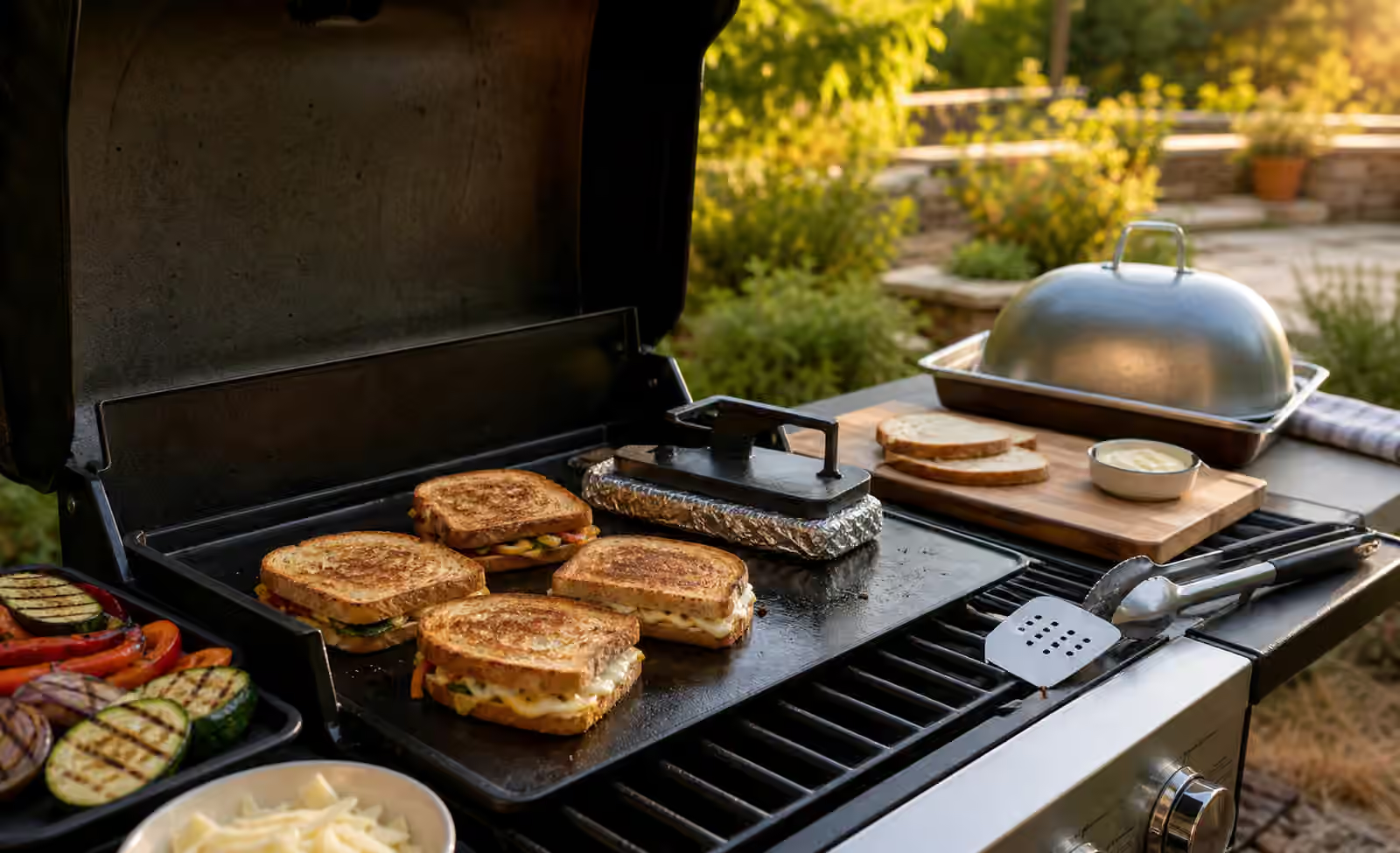
This is why the sausage paragraph in Pork Chops, Tenderloin, and Sausages on the Grill is only the beginning. Sausage sandwiches create a full workflow: warming, browning, splitting decisions, buns, toppings, batches, and a serving table that may stay active for an hour. The grill skill is not difficult, but it has more moving parts than a single steak.
Gentle heat before hard browning
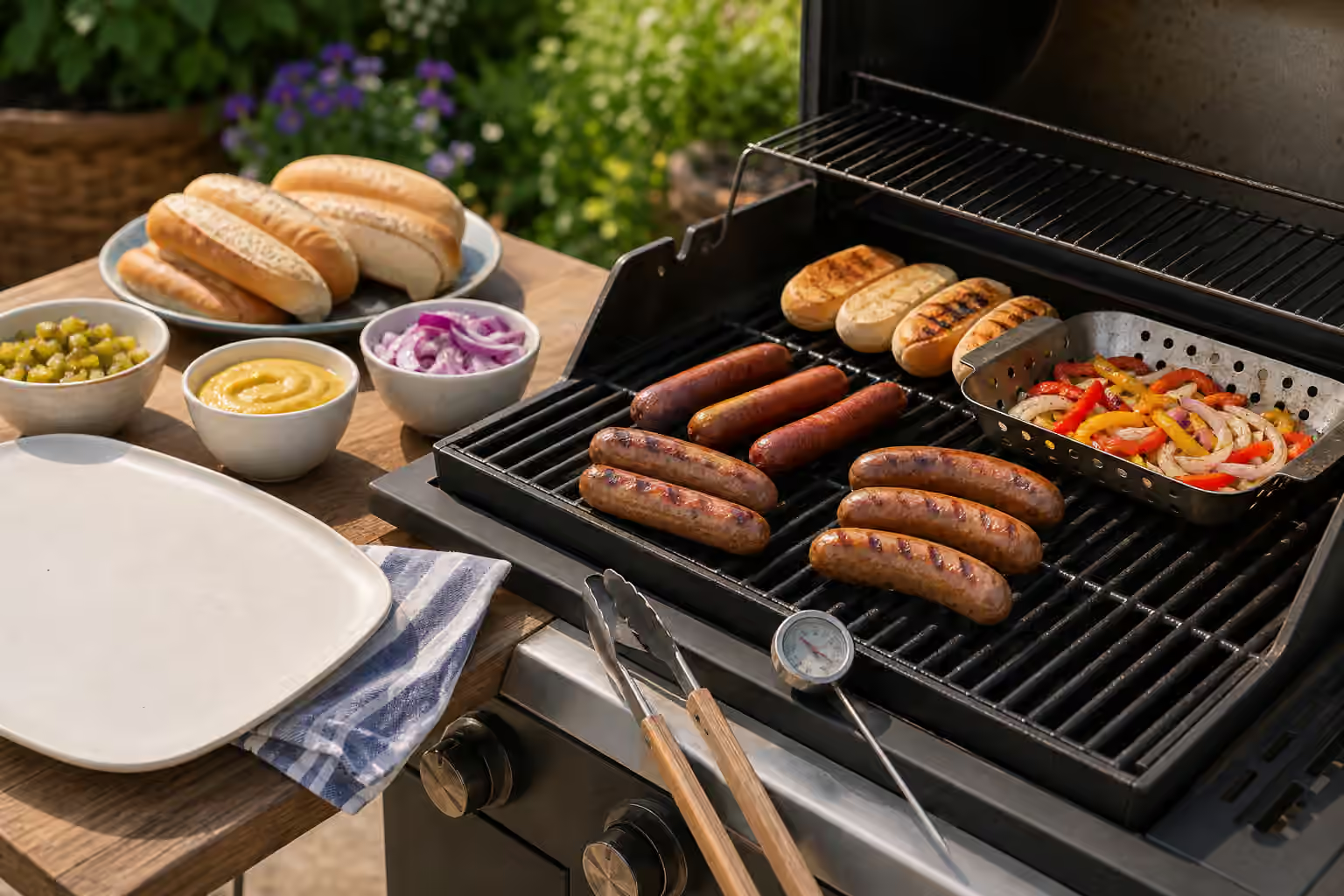
Fresh sausage punishes impatience. Hard direct heat can brown the casing while the center lags behind, forcing the cook to choose between a burned exterior and an undercooked middle. A two-zone setup gives the sausage a gentler path. Start away from the strongest flame with the lid closed when the grill design supports it. Let the sausage warm and cook through gradually, turning occasionally. Then move it closer to direct heat at the end for color and snap.
Two-Zone Grilling is especially useful here because sausages leak fat as they cook. If a flare starts, the sausage already has a cooler side to escape to. Managing Flare-Ups also matters because chasing flames with tongs usually makes the casing tear and the fire worse. The calmer move is to shift the food, close or adjust the lid if appropriate, and let the fire lose its fuel.
Hot dogs can handle a shorter path, but they still benefit from moderation. Place them over medium heat or near the edge of a hotter zone, turn them enough to brown evenly, and pull them before the skins wrinkle into dryness. Deep slashes and aggressive crosshatching may look dramatic, but they can dry the interior and create brittle edges. A shallow score can help with browning if you like the texture, but it should not be a disguise for excessive heat.
To simmer or not to simmer
Some cooks par-cook bratwurst in beer, onions, broth, or water before grilling. That method can help feed a crowd because it gives the sausage a gentle warm-up and makes final browning faster. It can also wash out flavor if the sausage sits too long, boils hard, or becomes a sponge for a liquid that does not actually improve the sandwich. A gentle simmer is different from a rolling boil. The sausage should not be punished before it reaches the grill.
There is also a food-safety workflow to consider. If the pre-cook liquid held raw sausage, treat it as a raw-contact liquid unless it has been handled according to current guidance. Do not casually spoon it over finished food. Keep clean tongs, clean trays, and serving utensils separate. Grill Food Safety Workflow is not only for chicken. It applies to the hot dog table because the table is where people relax and stop watching utensils closely.
Buns deserve their own timing
A sausage sandwich is only as good as the bun can hold. Soft buns dry quickly over heat. Split rolls burn along the edges if they sit over direct flame while the cook talks. Sturdy rolls can take more toast, but they still need attention. The bun should be warmed or lightly toasted at the end, not parked on the grill while raw sausages are still being turned.
The guide to Grilled Bread, Buns, and Toast gives the larger bread logic: clean grates, moderate heat, quick contact, and a landing place. For sausage sandwiches, the bun also needs structure. If the sausage is juicy and the toppings are wet, a lightly toasted interior helps the bread resist collapse. If the sausage is lean or mild, too much toast can make the sandwich dry. Bread is not decoration. It is the handle, the texture, and the balance.
Peppers, onions, and toppings
Peppers and onions are the classic partners because they solve several problems at once. They add moisture, sweetness, bitterness from char, and a little softness against the casing. They can cook in a basket, foil packet, skillet, plancha, or directly on the grate if cut large enough. A basket gives movement and browning. A foil packet gives steam and tenderness. A griddle gives contact and control. Grill Baskets, Foil Packets, and Planks and Plancha and Griddle Cooking on the Grill are useful companions because the topping method changes the whole sandwich.
Mustard, relish, pickled onions, sauerkraut, chopped herbs, spicy sauce, and simple slaws all work, but restraint matters. A sausage with good browning does not need to disappear under a wet pile. Put sharp and fresh toppings at the table, not over the hottest heat. Sweet glazes can burn quickly, so if a sausage is brushed with sauce, use the late, thin-layer logic from BBQ Sauces, Glazes, and When to Apply Them .
Serving in batches without losing quality
Hot dogs and bratwurst often appear when people are arriving in waves. That makes holding and serving more important than the first batch. Fully cooked hot dogs can sit briefly in a warm covered pan if needed, but they become tired if held too long. Fresh sausages should be cooked with doneness and holding guidance in mind, then served while the casing still has texture. Buns should not be toasted far ahead unless you want them brittle or steamed soft under a cover.
The best serving plan is visible. Finished sausages land on a clean tray. Buns have their own basket or covered plate. Toppings have spoons. Raw trays disappear from the table. Leftovers move toward proper storage instead of sitting beside condiments until the end of the evening. Resting, Holding, and Serving explains the broader rhythm, and Cookout Planning helps when the hot dog grill is only one part of a larger table.
A better casual cook
A good sausage cookout still feels easy. The difference is that the cook has removed the avoidable problems. Fresh sausages begin gently and brown late. Hot dogs warm without drying. Buns toast quickly at the end. Peppers and onions cook on a surface that suits them. Clean trays and tools keep the table trustworthy. Guests get food that tastes like the grill instead of like panic over flame.
Start with a two-zone fire and fewer sausages than you think the grate can hold. Give each piece room to roll and brown. Keep the buns off until the last minute. Build the topping table before the first batch is done. If the fire flares, move the food instead of fighting the flame. The meal can stay casual because the method is doing quiet work in the background.