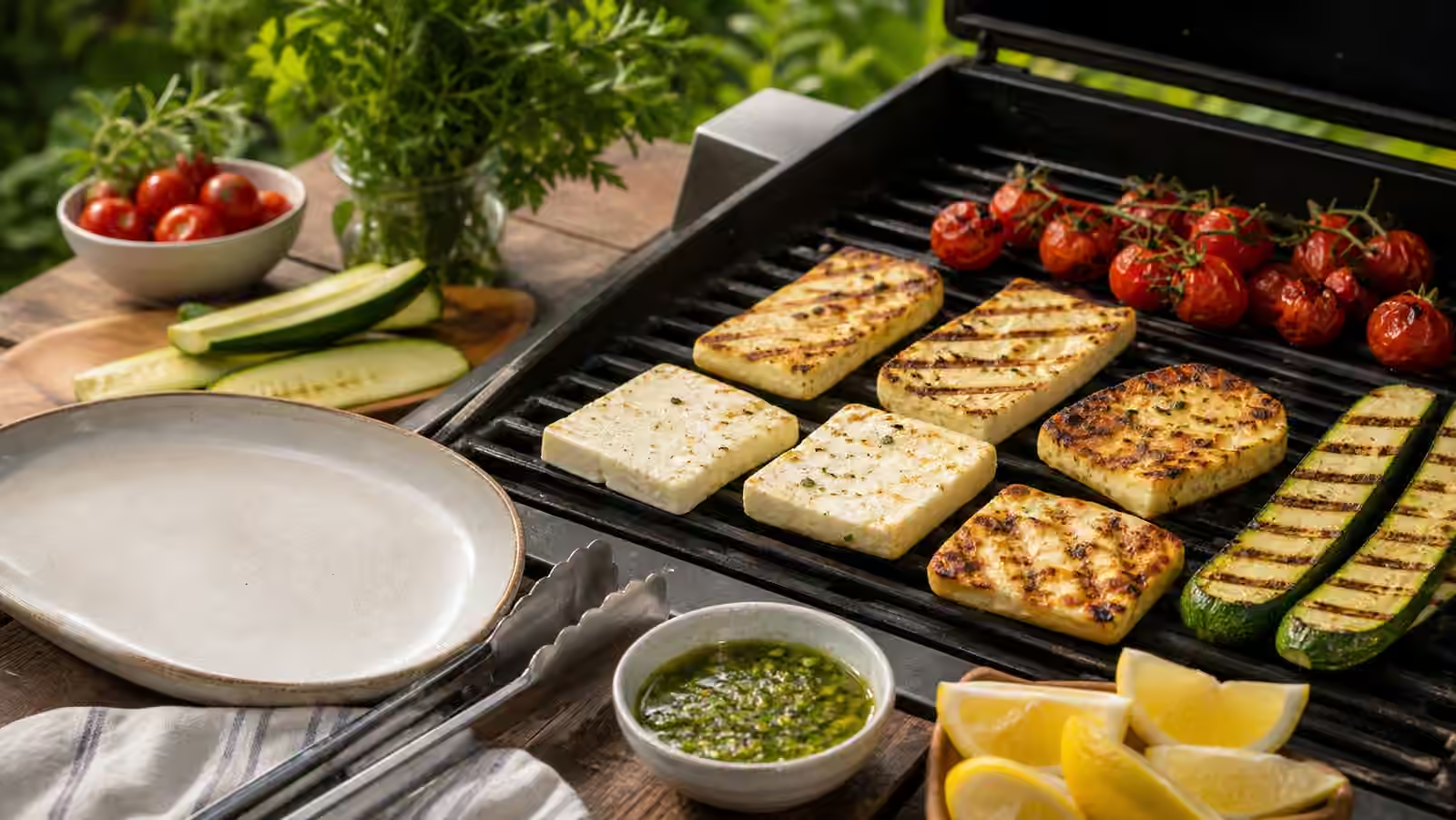
Some cheeses are built to meet heat. Halloumi, paneer, bread cheese, queso panela, and similar sturdy cheeses can brown on a grill without immediately melting through the grate. They are salty, milky, chewy, and fast, which makes them useful as appetizers, sandwich fillings, salad anchors, and plant-forward mains. They also punish carelessness. A slab left over hard heat can stick, toughen, scorch, or become so salty and dry that the first bite is the only pleasant one.
Grilling cheese is about structure
The reason these cheeses work is structure. They do not melt like mozzarella on a pizza or cheddar on a burger. They soften, brown, and squeak because their protein network holds together under heat. That does not make them indestructible. Thin slices can dry. Wet surfaces can stick. Very hot grates can scorch the outside before the center warms. Overcooked cheese can become rubbery rather than pleasantly chewy.
The broader plant-forward guide, Vegetables, Fruit, and Plant-Forward Grilling , mentions sturdy cheese as one way to build a satisfying grill plate. This guide gives it its own attention because cheese changes the meal quickly. A few browned slabs can make grilled vegetables feel complete. A skewer of cheese and tomatoes can become a first course. A toasted bun, grilled mushroom, and slab of halloumi can stand in for a burger without pretending to be meat.
Choose thickness before heat
Thickness decides how forgiving the cook will be. Very thin slices brown fast but can toughen and stick. Very thick blocks may stay cool inside while the outside darkens. A moderate slab gives the surface enough time to brown and the center enough time to soften. Paneer can be cut into cubes or planks, but cubes often need skewers or a basket. Halloumi usually works well as slabs or thick fingers. Bread cheese and similar styles may be better in larger pieces that can be turned easily.
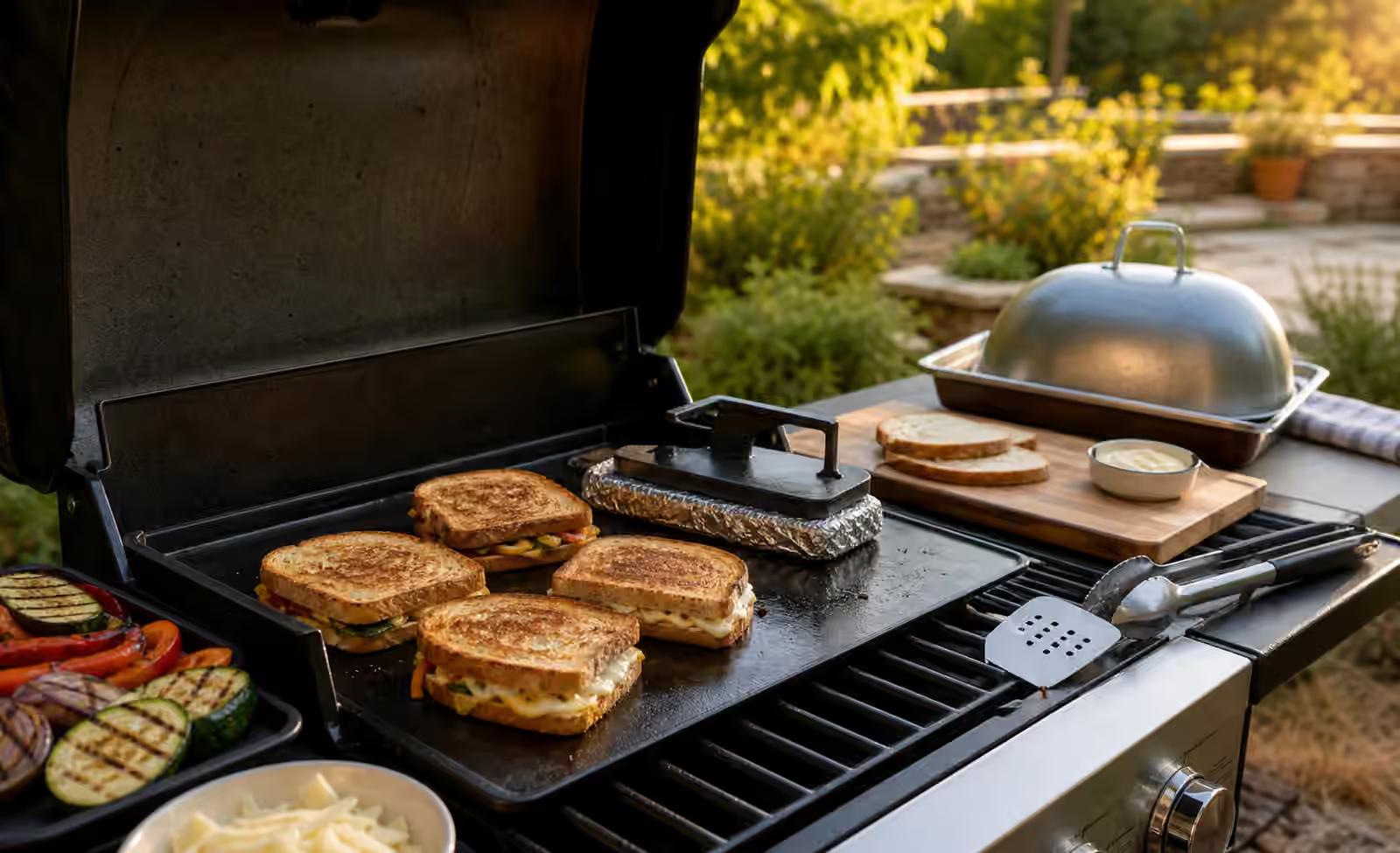
Cut shape should match the tool. A clean grate works for slabs. A plancha or griddle plate works for smaller pieces, crumbly edges, or cheese that might soften more than expected. Plancha and Griddle Cooking on the Grill is useful because a flat surface gives contact without the risk of losing a corner through the bars. It also lets you cook tomatoes, peppers, onions, or bread beside the cheese without chasing small pieces.
Dry the surface and oil lightly
Wet cheese sticks. Pat slabs dry before grilling, especially if they came from brine. A thin brush of oil can help, but heavy oil can drip and flare. The grate should be clean and hot enough to release food after browning. If the cheese resists when you try to turn it, wait a little longer unless it is clearly burning. Food often releases when a browned surface has formed.
Searing Without Scorching applies even though cheese is not steak. Surface dryness, contact, and patience matter. If the grate is dirty or the cheese is moved constantly, the browned crust tears. If the heat is too aggressive, the crust burns before release. The goal is a thin golden crust, not a black shell. A two-zone setup helps because finished pieces can move away from direct heat while the rest cook.
Salt needs balance
Halloumi can be very salty. Paneer is often milder. Other grilling cheeses vary widely. Taste a small piece before building the whole plate around salty toppings. If the cheese is already assertive, pair it with acid, herbs, unsalted vegetables, tomatoes, cucumbers, grilled fruit, beans, or bread. If the cheese is mild, season the outside more deliberately or finish with a sauce that brings brightness and salt.
The salt habits in Seasoning, Salt, Rubs, and Marinades still matter, but the starting point is different. Meat and vegetables often need salt added. Grilling cheese may arrive with salt built in. A marinade that tastes balanced on chicken can make halloumi harsh. A chile oil, lemon, mint, parsley, oregano, honey, vinegar, or tomato relish may be more useful than another salty rub. Think of cheese as both protein and seasoning.
Give cheese helpful companions
Grilled cheese is rich and concentrated, so it benefits from foods that bring water, sweetness, char, or acidity. Tomatoes blister quickly and burst into a natural sauce. Zucchini planks soften and give a gentle base. Peppers and onions add sweetness. Mushrooms add savoriness. Citrus halves can be warmed and squeezed over the finished plate. Bread turns the cheese into a meal rather than a snack.
This is where Grilled Mushrooms With Better Browning and Grilled Corn, Potatoes, and Hearty Sides become useful neighbors. Sturdy cheese should not have to carry the whole plate alone. Pair it with foods that cook in the same time window or can wait nearby. If the cheese takes five minutes and the potatoes need twenty, start the potatoes first. Good plant-forward grilling is often a timing problem disguised as a menu problem.
Watch the sauce
Sauces can make grilled cheese brighter, but they can also make it heavy. A sweet barbecue sauce may fight the salt. A thick glaze can burn on the grate. A fresh herb sauce, yogurt sauce, tomato relish, chile oil, lemon dressing, or spoon of honey with acid can fit better. Apply most sauces after cooking unless they are designed for heat. Cheese does not need a long glaze phase; it needs a finish.
BBQ Sauces, Glazes, and When to Apply Them is useful even outside classic barbecue. Sugar burns the same way on cheese as it does on ribs. If you want a sweet-hot finish, brush lightly near the end or add it at the table. If you want smoke, use the grill and a clean fire rather than burying the cheese under smoky sauce. The best finish makes the browned dairy taste more vivid, not louder.
Manage mixed grill tables carefully
Grilling cheese often appears at mixed tables where some guests are eating meat and others are not. The cheese deserves clean tools, clean grate space, and a clean platter. Do not drag it through a section covered with raw poultry drips or move it with tongs that just handled raw sausage. If it is meant to be vegetarian, treat that promise with practical respect. Clear zones make the table calmer for everyone.
Grill Food Safety Workflow gives the station pattern: raw lane, cook lane, clean lane, and cold lane. For cheese, the cold lane matters too. Keep it chilled until the cook is close, especially in warm weather. Do not leave sliced cheese sweating on the prep table while a long roast finishes. Bring it out when the grill is ready and the rest of the plate is close.
Serve quickly but not frantically
Grilling cheese is best soon after cooking. The crust is still distinct, the center is warm, and the texture has not tightened. That does not mean guests must sprint to the table. It means the rest of the plate should be ready before the cheese starts. Bread can be toasted, vegetables can be cooked, sauce can be waiting, and the clean platter can be close. The cheese should be the final move, not the first item abandoned under foil.
Resting, Holding, and Serving is usually written with meat in mind, but the serving lesson applies. A short pause is fine. A long covered hold can make cheese rubbery or sweaty. If leftovers remain, cool and store them sensibly, then reheat gently on a pan or plancha rather than blasting them until they toughen. Leftover grilled cheese can be excellent in salads, sandwiches, grains, and vegetables if the texture is respected.
The useful standard
Good grilled cheese has a browned surface, a warm center, balanced salt, and something bright nearby. It was cut thick enough to handle, dried before heat, turned after release, and served with companions that make sense. It does not need a complicated recipe. It needs attention for a few minutes and a plate that understands richness. Once those habits are in place, halloumi, paneer, and other grilling cheeses become some of the quickest ways to make the grill feel generous without adding another large cut of meat.