Plant proteins can be excellent on the grill, but they do not behave like steak, chicken, or ribs. Tofu needs surface dryness and enough structure to release from the grate. Tempeh needs seasoning that reaches its firm, nutty interior. Seitan can brown well but dries if treated carelessly. Mushrooms bring savory depth but shed water before they take color. The cook who understands those differences can build a plant-forward platter that tastes grilled instead of merely warmed outdoors.
Texture starts before seasoning
Firm or extra-firm tofu is the easiest place to begin. Soft tofu is too fragile for direct grate work unless it sits in a pan, basket, or packet. Pressing tofu is not about making it tough. It removes excess moisture so the outside can brown and the inside can absorb seasoning. A short press between towels is often enough for weeknight cooking. Longer pressing gives a denser bite, which can be useful for skewers or slabs meant to hold grill marks.
Tempeh arrives firmer, but it has its own challenge. Its texture can taste dry or slightly bitter if the seasoning stays on the surface. A brief steam, simmer, or warm marinade before grilling can open it up and soften the edge. After that, it grills quickly. Thin strips brown faster but can dry. Thicker pieces hold moisture but need more time away from the hottest zone.
Mushrooms are not a protein in the same nutritional sense, yet they often play the same role on a grill plate because they bring chew, browning, and savory depth. Portobellos, king oyster slices, and large shiitakes need room. If crowded, they steam in their own moisture and never develop the concentrated edge that makes them satisfying.
Marinades should help, not drown
Tofu and tempeh benefit from marinades with salt, acid, aromatics, and a little oil, but heavy wet marinades can work against browning. A dripping slab hits the grate, cools the metal, and steams before it sears. Pat pieces dry lightly before grilling, then save extra marinade for a separate sauce only if it has been handled safely. If it touched raw ingredients that require cooking, treat it accordingly rather than brushing it on at the table.
The broader guide to Seasoning, Salt, Rubs, and Marinades is useful here because plant proteins often need seasoning in layers. Salt in the marinade handles the interior. A dry spice finish can handle the surface. A sauce after grilling can bring brightness. Trying to make one wet mixture do all three jobs usually leads to either bland centers or burned edges.
Sugar needs caution. A little maple, honey, brown sugar, or sweet chile note can be good, but it should not be asked to survive a long direct cook. Grill the food until it has color, then glaze late or serve sauce on the side. The same timing logic appears in BBQ Sauces, Glazes, and When to Apply Them , even when the food is tofu instead of ribs.
Use a clean, hot grate and a real cool zone
Sticking is the frustration that makes many cooks give up on grilled tofu. The solution is not constant poking. Start with a clean grate, preheat it, oil the food lightly, and leave the first side alone long enough to form a browned surface. Food that is still bonding to the grate often needs more time, not more force. A thin metal spatula can help, especially with slabs that need support across their full width.
Two-zone cooking matters because plant proteins can brown faster than their centers warm or their sauces set. Tofu slabs can start over moderate direct heat, then move to the cooler side while skewers or vegetables finish. Tempeh can take a quick char and then rest away from the strongest heat. Mushrooms can shed moisture over direct heat, then move aside while the rest of the platter catches up. Two-Zone Grilling gives the basic map.
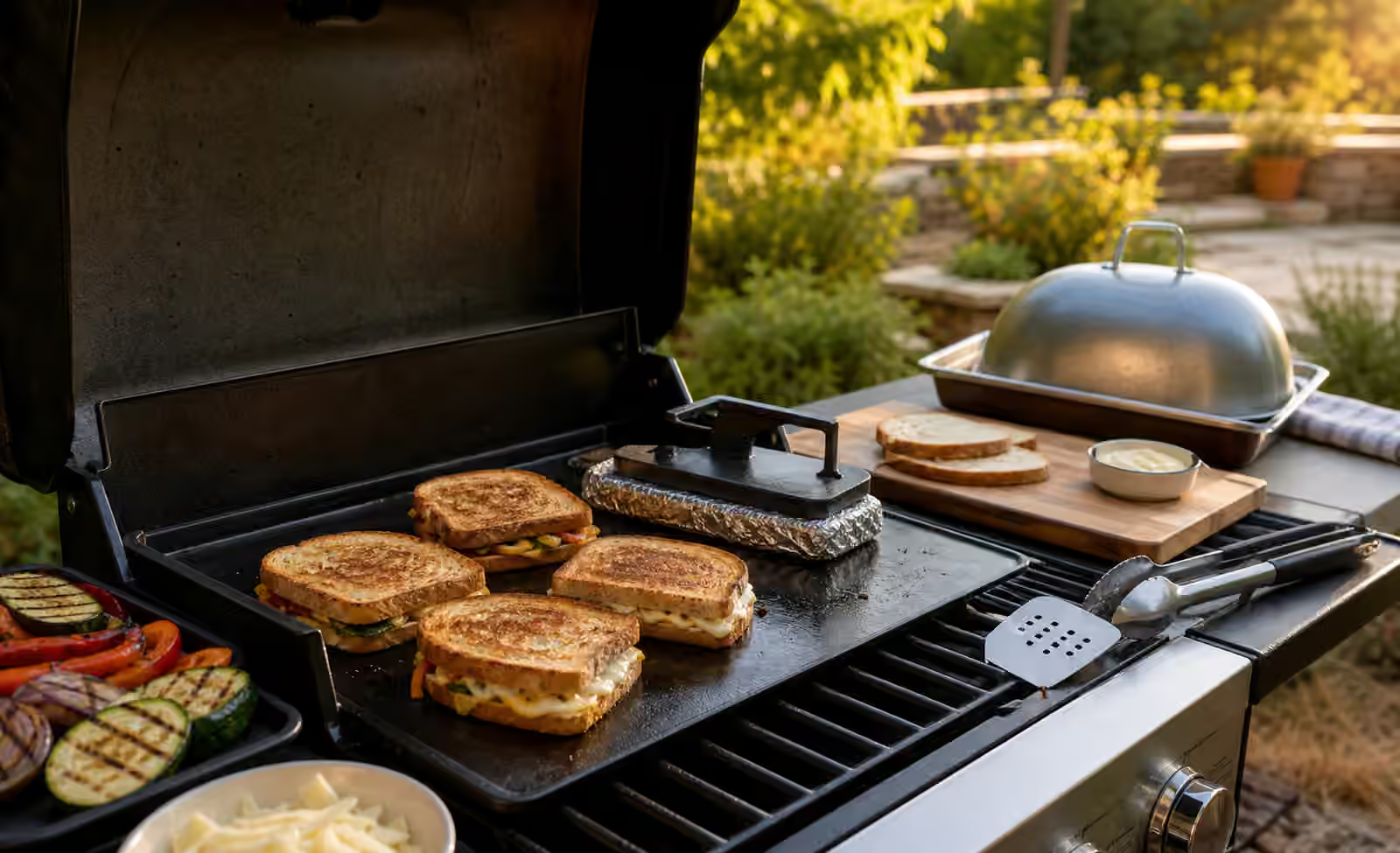
If the pieces are small, use a basket or skewers. The guide to Grill Baskets, Foil Packets, and Planks explains why containment can preserve grill character rather than hiding it. Cubed tofu in a basket will not look like a steakhouse slab, but it can brown, take smoke, and remain manageable.
Think in platters, not substitutions
The weakest plant-forward grilling often tries to copy a meat plate exactly. A tofu slab can be satisfying, but it does not need to pretend to be a steak. Tempeh can be sliced and served over grilled greens. Mushrooms can sit with beans, rice, flatbread, or charred vegetables. Seitan can be cut into sturdy strips and sauced late. The platter becomes stronger when each piece is cooked according to its own texture.
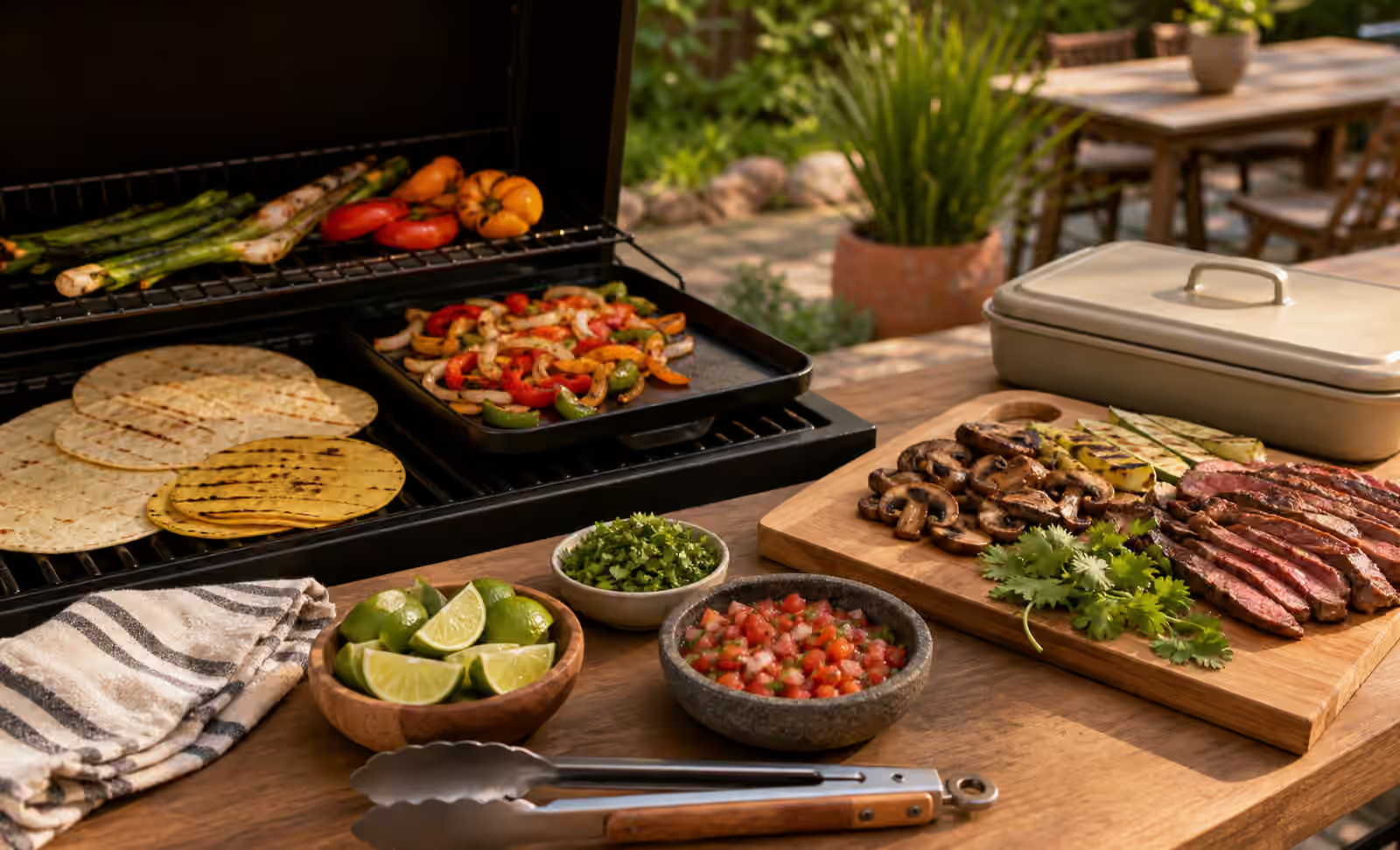
This is where Vegetables, Fruit, and Plant-Forward Grilling remains a useful companion rather than a duplicate. Vegetables provide moisture, sweetness, bitterness, crunch, and color around the protein. Grilled peppers, onions, zucchini, corn, eggplant, and fruit can make tofu or tempeh feel like part of a meal instead of a lonely square in the middle of the plate.
Sauces help, but they should be chosen for contrast. A bright herb sauce can wake up grilled tofu. A peanut or sesame sauce can give tempeh richness. A yogurt-style sauce, if it fits the table, can soften smoke and char. A vinegar-forward dressing can cut through mushrooms. Keep the sauce off the hottest part of the grill unless it is designed to glaze late.
Watch timing and holding
Plant proteins usually cook faster than large cuts of meat, but they still suffer from poor timing. Tofu can turn leathery if held uncovered in dry heat. Tempeh can firm up as it cools. Mushrooms can collapse and leak if they sit too long after salting. If the meal includes slow meats or long-smoked food, plant-forward items often belong near the end, when the grill is clean enough and the table is almost ready.
Holding is easier when the platter has moisture nearby. A light sauce, warm grain base, grilled vegetables, or a covered dish can keep the food from drying while guests gather. Do not stack crisp pieces tightly under a lid if the browned surface matters. Let the cookout rhythm decide: quick direct heat, brief rest, sauce or dressing, then serve.
The goal is not to make plant proteins difficult. It is to stop treating them as afterthoughts. Press tofu enough to brown. Warm tempeh enough to season. Give mushrooms space. Use a real cool zone. Sauce with restraint. When those habits line up, the grill gives tofu, tempeh, seitan, and mushrooms a reason to be there: smoke, texture, char, and the kind of contrast that belongs at the same table as any other well-cooked food.