Mushrooms can be wonderful on the grill, but they do not behave like firm vegetables. They hold water, shrink dramatically, absorb oil quickly, and move from browned to leathery if the cook stops paying attention. A good grilled mushroom tastes concentrated and savory, with enough browned surface to feel cooked by fire rather than merely warmed nearby. Getting there requires space, surface dryness, the right cut, and a finishing plan that respects how much moisture mushrooms release.
Mushrooms are mostly a moisture problem
The first challenge is water. Mushrooms release moisture as they heat, and crowded mushrooms trap that moisture against each other. On a grill, that means steaming before browning. The surface softens, the grate marks look weak, and the cook may compensate by leaving them over heat until the texture becomes rubbery. Better browning starts before the grill is lit: clean the mushrooms without soaking them, cut them in ways that expose useful surface area, and give them enough room to shed steam.
The broad guide to Vegetables, Fruit, and Plant-Forward Grilling covers the idea that different plant foods need different formats. Mushrooms make that lesson obvious. A portobello cap is not a cremini skewer. Oyster mushroom clusters are not diced button mushrooms. Thin slices can fall through the grate and dry out. Huge caps can brown outside while staying wet under the gills. Shape is the first heat-control decision.
Cut for the tool you are using
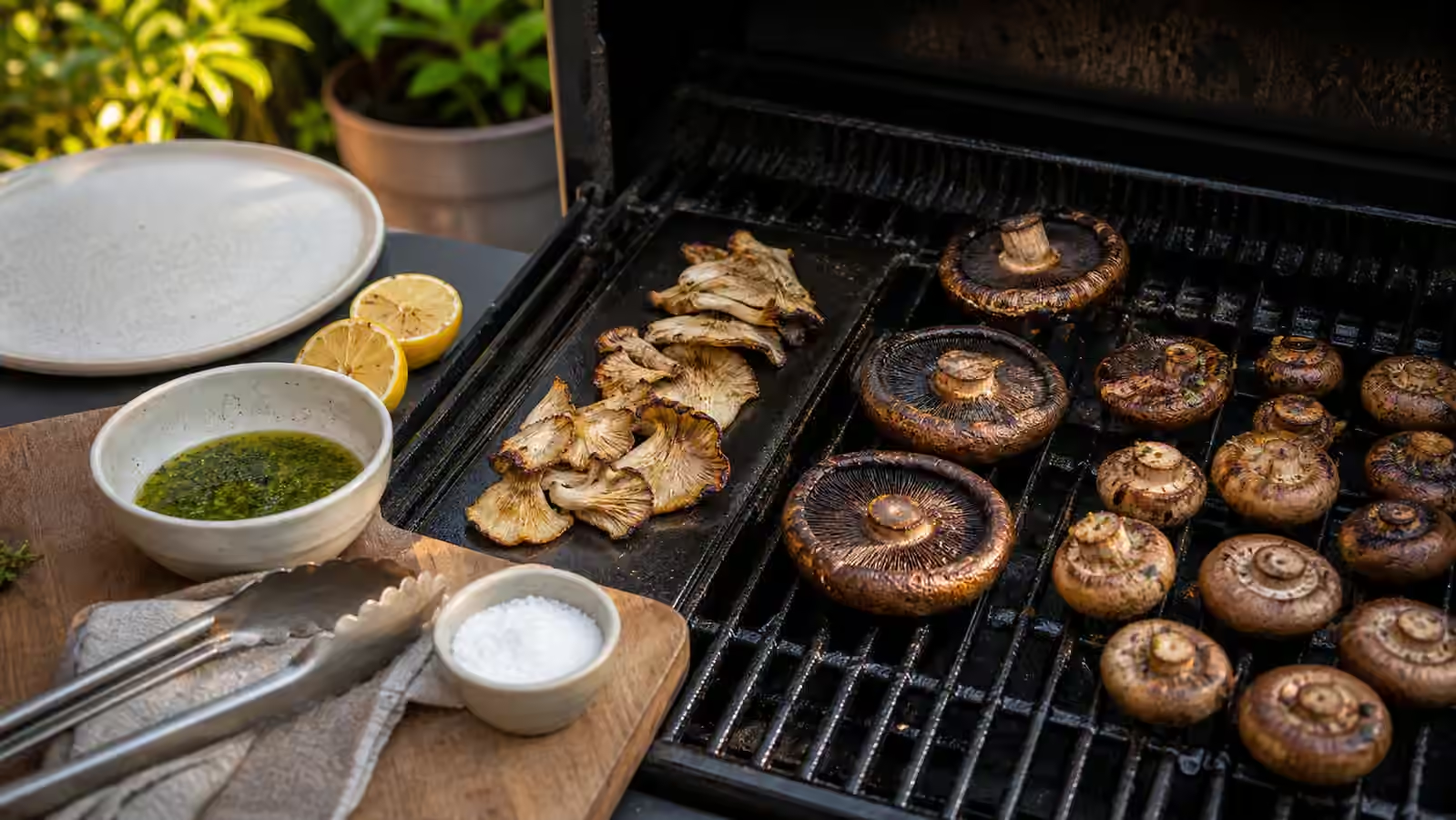
A clean grill grate works well for large pieces: portobello caps, thick king oyster slices, large cremini halves, and sturdy clusters. Smaller mushrooms often need a basket, skewers, or a plancha. A flat plate is useful because it keeps small pieces from escaping and gives broad browning, but it also encourages steaming if overloaded. The tool should match the mushroom’s size and the texture you want.
Portobellos need special attention because their shape holds moisture. Removing the stem helps them sit flatter. Scraping the gills is optional, but it can reduce dark moisture and make the flavor cleaner when the cap is used as a sandwich or main. Thick slices brown more evenly than whole caps when speed matters. Cremini and button mushrooms can be halved or skewered, but leave enough thickness that they do not shrivel instantly. Oyster mushrooms can be pressed lightly against a plancha or grill-safe surface to increase contact.
Salt timing changes texture
Salt pulls moisture from mushrooms. That can be helpful or annoying depending on timing. If you salt heavily and leave cut mushrooms in a bowl, they may shed liquid before reaching the grill. If you do nothing until the end, they may taste flat inside. A light early seasoning, followed by finishing salt after browning, often gives the best balance. Larger mushrooms can handle salt a little earlier. Thin pieces may be better seasoned close to cooking.
Seasoning, Salt, Rubs, and Marinades explains why salt and surface moisture are linked. Mushrooms do not need heavy marinades to taste good. In fact, a wet marinade can make browning harder. A little oil, salt, pepper, garlic, herbs, soy-style savoriness, vinegar, lemon, chile, or mustard can work, but the coating should be light enough that the surface still meets heat. If mushrooms sit in a salty liquid, drain and dry them before grilling.
Oil with restraint
Mushrooms absorb oil quickly, especially cut surfaces. Too much oil can drip, feed flare-ups, and make the texture greasy before browning happens. Too little oil can make mushrooms stick or dry at the edges. The useful middle is a thin coating, applied evenly, with more flavor added after cooking if needed. Toss gently rather than crushing delicate clusters. For large caps, brushing can give better control than soaking.
Flare-ups are less dramatic with mushrooms than with fatty meat, but oil can still create smoke and flame. If the fire jumps, move the mushrooms to a cooler zone. Managing Flare-Ups is relevant because the cure is usually movement and heat control, not spraying water or abandoning the food. Mushrooms pick up soot and bitter smoke quickly. Clean browning tastes better than proving they survived fire.
Heat should be assertive but not punishing
Mushrooms need enough heat to drive off surface moisture and brown, but not so much that they burn before softening. Moderate direct heat works for many pieces. A two-zone setup gives a rescue area if the surface darkens too fast. Large caps can start over direct heat to brown, then move indirect to finish softening. Smaller pieces on a plancha may need a hot start and then a little space so steam can escape.
The rules from Grill Marks, Browning, and Crust apply. A few dark stripes do not mean the mushroom is well browned. Better flavor comes from broader surface browning and moisture concentration. If the grate is too crowded, the mushrooms cannot brown broadly. Cook in batches if needed. The first batch can rest while the second cooks, and both will taste better than one overloaded pile.
Use the lid with intention
The lid changes the grill from a bottom-heat tool into a hot-air chamber. That can help thick mushrooms soften after browning. It can also trap steam if the grate is crowded. For large caps, a period with the lid closed can help the center cook through. For delicate clusters or small pieces, too much lid time may soften edges that were beginning to crisp. Open-lid cooking gives more visual control, while closed-lid cooking adds surrounding heat.
Lid Open or Lid Closed? is the guide to that choice. With mushrooms, think about water. If you need moisture to escape, use space and open-lid time. If you need heat to reach a thick piece, close the lid briefly. If a mushroom cap fills with liquid, turn it carefully or move it to a hotter area for a short finish. The goal is concentration, not dryness.
Finish after the grill
Mushrooms often taste best when the final flavor arrives after browning. Lemon, vinegar, herbs, chile oil, garlic butter, yogurt sauce, tahini, miso-style savoriness, grated cheese, toasted nuts, or a small spoon of barbecue sauce can all work, but each should support the browned flavor. Acid is especially useful because mushrooms are earthy and rich. A squeeze of lemon can make them taste more grilled, not less.
The serving context matters. Mushrooms can be a side, sandwich filling, topping for grilled bread, companion to steak, plant-forward main, or part of a skewer. If they are headed into a sandwich, avoid making them so wet that the bread collapses. If they are a side for rich meat, use acid and herbs. If they are the main savory piece for a plant-forward plate, add body with beans, cheese, nuts, or a sauce with some fat. Grilled Tofu, Tempeh, and Plant Proteins is a good neighbor when mushrooms are part of a fuller meatless meal.
Serve while texture is alive
Mushrooms can wait a little, but they are best before they slump into their own juices. A rack over a tray can help if they are very juicy. A wide platter is better than a deep bowl for preserving browned edges. If you are cooking for a group, keep finished mushrooms away from raw-food tools and trays, especially when they are being served as a vegetarian option. The station habits from Grill Food Safety Workflow protect both safety and hospitality.
Good grilled mushrooms are not complicated. They are clean, cut for the cooking surface, lightly seasoned, spaced well, browned with enough heat, and finished while hot. The grill adds smoke and surface flavor, but the cook earns the texture by letting moisture escape. Once that lesson becomes obvious, mushrooms stop being a side dish that shrinks sadly in the corner and start becoming one of the most useful foods on the grate.