A cookout feels different when the sides taste like they belonged near the fire. Corn with browned kernels, potatoes with crisp faces, onions that softened at the edges, peppers with charred skins, and beans warmed in cast iron can make the grill feel like the center of the meal instead of the place where only the protein happened. Hearty sides also make outdoor cooking more flexible because they can feed mixed tables, stretch a small grill, and give the cook useful holding options.
Sides need their own timing
The first mistake is treating sides as something to squeeze onto the grate after the main food is done. Dense vegetables and starches do not cook on apology time. Potatoes need a plan. Corn needs a decision about husk, foil, direct heat, or indirect heat. Onions need enough time to soften, not only darken. Beans in a skillet need moderate heat so sauce thickens without scorching. When sides are planned from the start, the cookout feels less like a last-minute scramble.
Cookout Planning is useful here because side dishes affect the whole rhythm. If burgers take minutes but potatoes take much longer, potatoes should start first or be par-cooked. If chicken needs indirect space, a skillet of beans should not occupy the only cooler zone. If guests are arriving in waves, corn and onions may hold better than delicate asparagus or shrimp. The side dish is not separate from the heat plan. It is one of the reasons the heat plan exists.
Hearty sides are also forgiving when used honestly. Corn can wait a little in a warm spot. Potatoes can be par-cooked indoors and crisped outside. Onions and peppers can cook in a basket or on a plancha while meat rests. Beans can sit in cast iron over gentle heat. The goal is not to make every side harder. It is to move the long jobs earlier and reserve the final minutes for browning, dressing, and serving.
Corn wants a clear texture choice
Corn can be grilled several ways, and each method creates a different result. Husk-on corn steams inside its own wrapper and picks up a gentler outdoor flavor. Husked corn over direct heat browns quickly and gives a more obvious charred-kernel taste. Foil-wrapped corn behaves more like a packet, especially if butter, herbs, or aromatics are inside. Indirect corn is useful when the grill is crowded or the kernels need time without aggressive browning.
The wrong choice is usually not a method; it is a mismatch. If the rest of the meal needs a fast side with visible char, husked direct grilling makes sense. If the grill is already running for a long indirect cook, corn can sit away from the strongest heat and finish with a brief direct turn. If guests want softer kernels and less char, husk-on or foil cooking may be better. Grill Baskets, Foil Packets, and Planks explains the foil side of that decision in more detail.
Seasoning should arrive in layers. Salt, butter, lime, herbs, chile, cheese, yogurt sauce, or a thin barbecue-style glaze can all work, but the timing matters. Sugary finishes belong late. Fresh herbs taste brighter after cooking. Butter melts best when the corn is hot, but too much butter over direct flame can feed flare-ups. A clean finish often tastes better than a cob dripping enough fat to smoke the fire.
Potatoes need a head start
Raw potatoes placed whole on a hot grill are a test of patience, not a useful side for most cookouts. They are dense, and the outside can burn before the center becomes tender. A head start changes everything. Par-cooking by boiling, steaming, microwaving, or baking gives the interior a chance, then the grill can do what it does best: brown cut faces, crisp edges, and add smoke or char.
Halved small potatoes are one of the easiest formats. Cook them until just tender, let steam escape so the surfaces dry, toss lightly with oil and salt, then place cut side down over moderate direct heat. Once the cut faces are browned, move them to a cooler zone to hold or finish. Large wedges work too, but they need enough thickness to avoid breaking and enough time to soften. A grill basket can help if the pieces are small, though baskets should not be crowded.
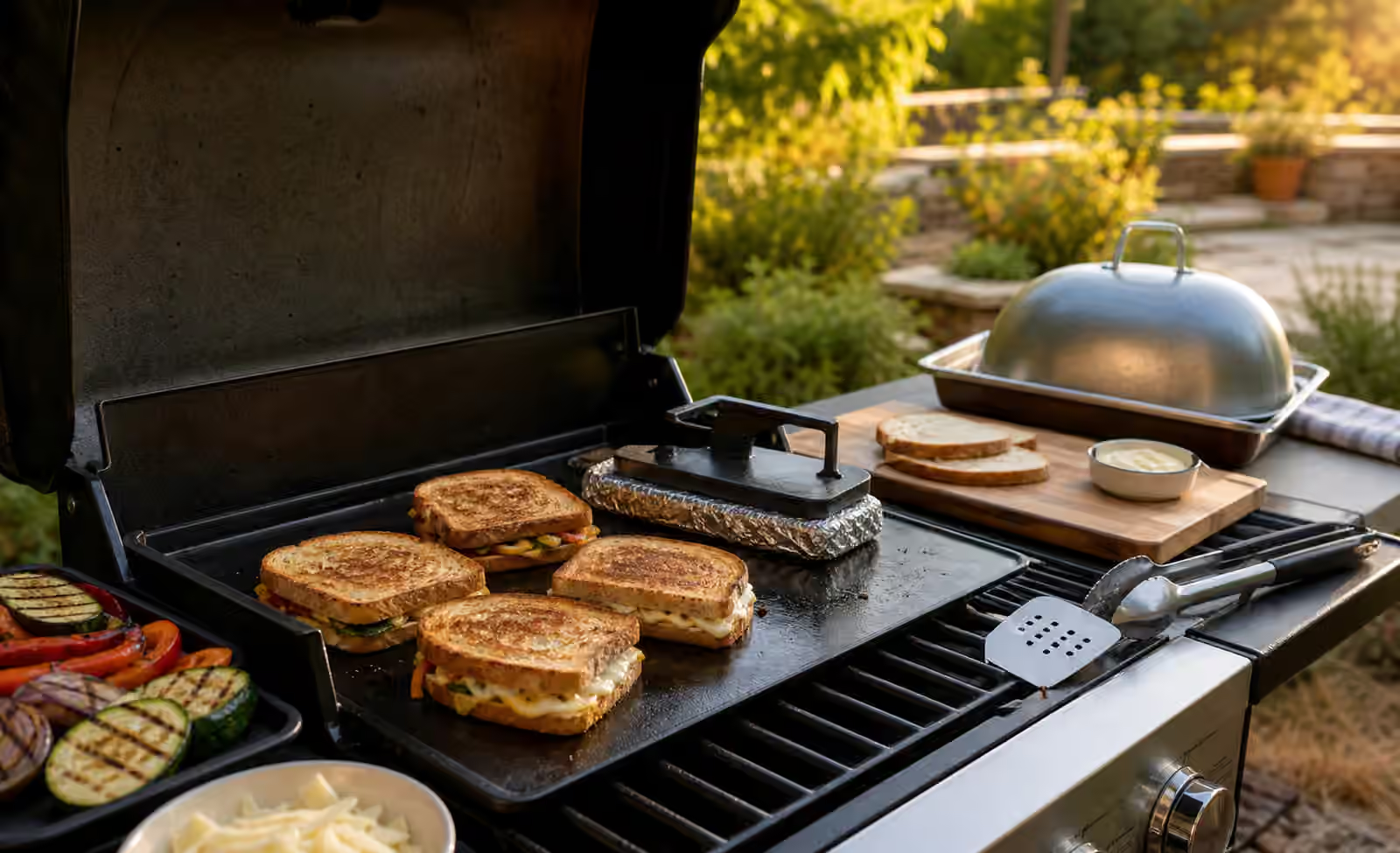
Potatoes also like cast iron or a plancha. A flat surface gives broad browning and keeps broken edges from falling through. Plancha and Griddle Cooking on the Grill is a useful companion when the goal is crisp potatoes, onions, and mushrooms together. The same caution applies: if the surface is overloaded, potatoes steam instead of brown. Cook in batches or use a larger surface.
Onions, peppers, and sturdy vegetables
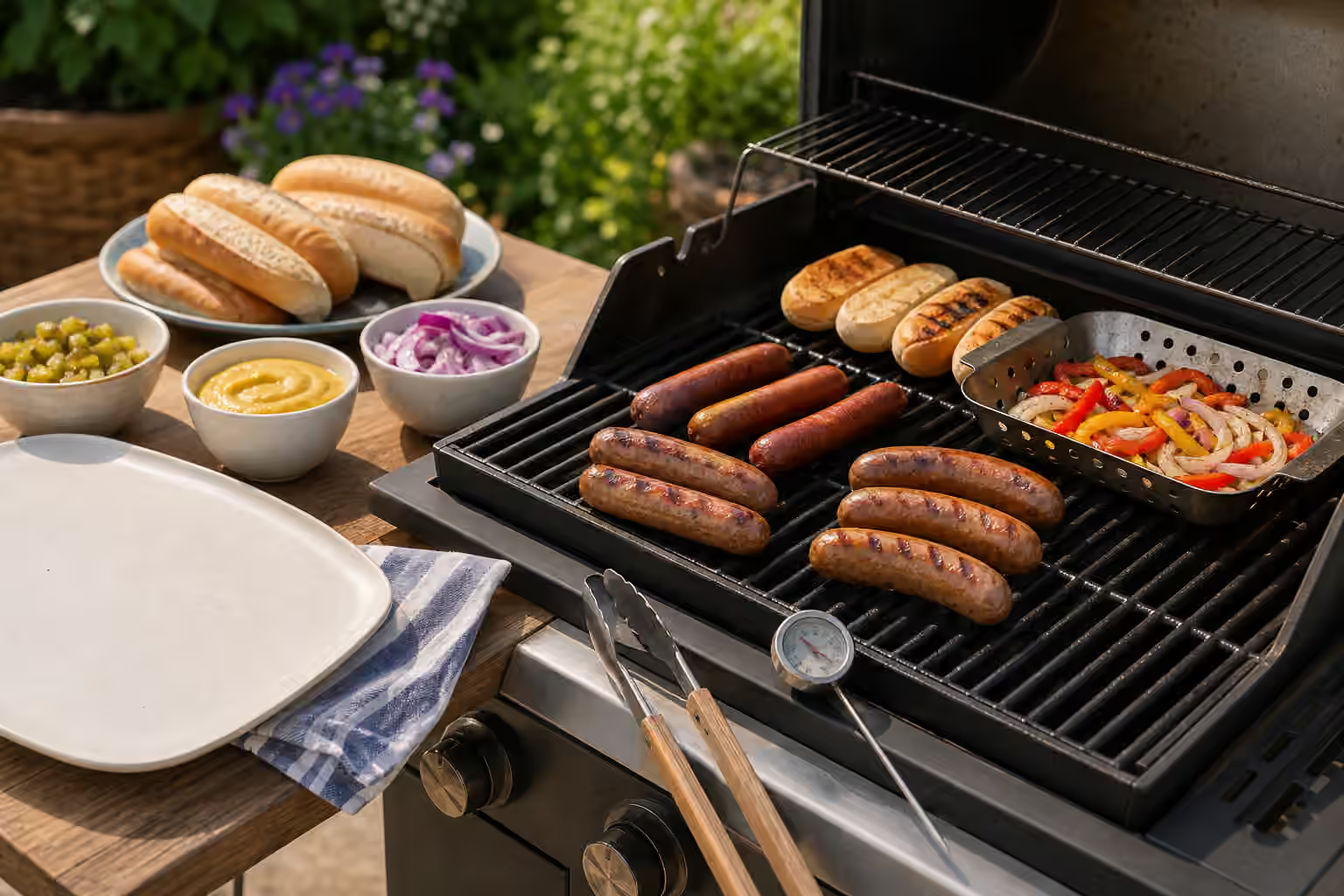
Onions and peppers are the bridge between side dish and condiment. Grilled onions can sit under sausages, beside steak, over beans, in sandwiches, or on a vegetable platter. Peppers can be served as strips, chopped into salads, folded into flatbreads, or finished with oil and vinegar. They are sturdy enough to handle heat, but they still need shape and timing.
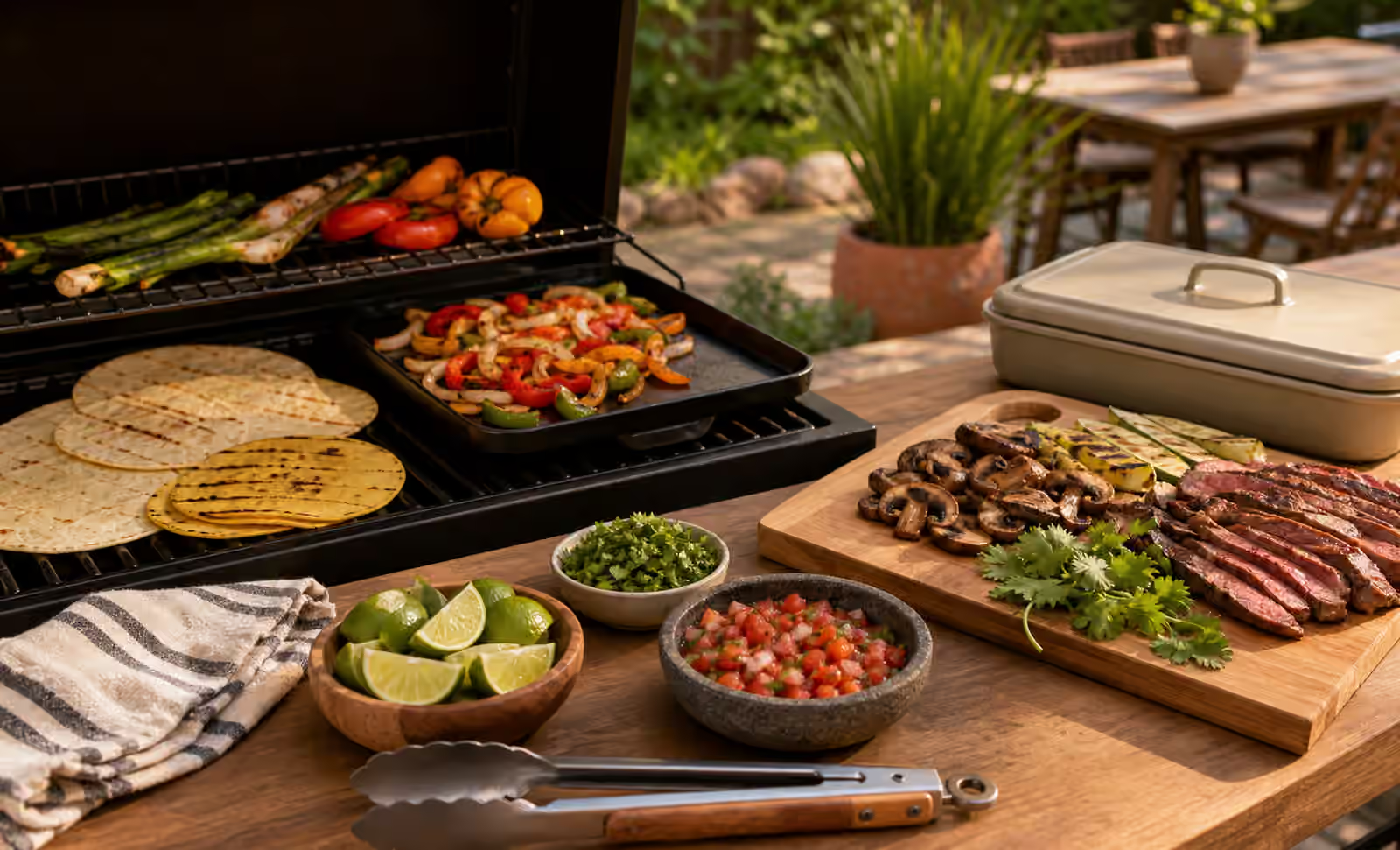
Large onion wedges can grill directly if the root end holds them together. Thick onion slices work well on a plancha or in a basket. Thin slices tend to fall and burn unless contained. Peppers can be grilled in halves or large panels, skin side down when blistering is the goal. Smaller strips are better in a basket or on a flat surface. This is the same cut-size logic from Vegetables, Fruit, and Plant-Forward Grilling , applied to sides that may have to share space with meat, fish, or poultry.
Finishing matters more than complicated seasoning. Hot onions and peppers can take vinegar, lemon, herbs, garlic oil, chile, yogurt, or a little sauce after cooking. If the meal already has rich meat, use acid and herbs. If the meal is lean or plant-forward, use oil, beans, cheese, or nuts for body. The grill supplies browning, but the finish decides whether the side tastes complete.
Beans, skillets, and saucy sides
Cast iron lets the grill handle foods that would never survive the grate. Beans, mushrooms, onions, cornbread, fruit, and saucy vegetable mixtures can cook beside the main food instead of occupying the kitchen. The trick is to respect the pan as a heat concentrator. Sugar and tomato can scorch at the edges. Handles get dangerously hot. A full skillet is heavy, and the path from grill to table should be clear before anyone lifts it.
Moderate indirect heat is often better than direct flame for beans and saucy sides. Stir enough to prevent scorching, but not so often that the lid never has time to heat the pan. If the sauce thickens too quickly, move the skillet cooler. If it tastes flat, finish with acid, mustard, herbs, hot sauce, or a little salt after cooking rather than simply cooking it longer. The sauce guidance in BBQ Sauces, Glazes, and When to Apply Them applies because many side dishes contain the same sugars and spices that burn on ribs or chicken.
A skillet side also helps with holding. While grilled meat rests, beans can stay warm over low heat, onions can soften, or potatoes can wait at the edge. This is why Resting, Holding, and Serving matters for sides as well as steaks. The pause after the main cook is not empty time. It is when the table becomes coherent.
Making sides carry the meal
Hearty grill sides are especially useful when the table includes different appetites. Corn, potatoes, onions, peppers, beans, mushrooms, and flatbreads can make a plate feel full without requiring every guest to center the same protein. They also let the cook use residual heat. After a steak sears, the cooler zone can finish potatoes. After chicken comes off, peppers can blister while the meat rests. After a long smoke, a skillet can warm sides without turning the indoor oven on.
Keep clean serving habits in mind. Raw-meat trays should not become vegetable platters. Tongs that handled raw chicken should not toss finished potatoes. Butter, sauces, and herbs should be held away from raw food. Sides often feel casual, which is exactly why station discipline matters. The practical setup in Build a Beginner Grill Station makes the difference between a relaxed cookout and a table full of crossed tools.
The best sides are not elaborate. They are timed well, cut well, browned with intention, and finished while hot. Corn gets the texture you chose. Potatoes get their head start. Onions and peppers are shaped for the grate they will meet. Beans and saucy sides use moderate heat instead of punishment. When those pieces are handled with the same attention as the main food, the whole meal tastes like it came from the grill.