Breakfast on the grill works best when it stops pretending to be dinner. Morning food is usually faster, more delicate, and less tolerant of smoke. Eggs need gentle heat. Bread wants toast, not scorch. Sausages and mushrooms need browning without a grease fire. Fruit needs warmth and caramelization before it collapses. The reward is a breakfast or brunch that feels fresh from the fire without asking the cook to stage a full cookout before noon.
Morning heat should be calmer
The first adjustment is heat. A breakfast grill does not need to roar unless you are searing steak for hash or cooking a large plancha spread. Most brunch foods prefer moderate direct heat, a gentle indirect side, or a flat surface that gives broad contact without flame licking the edges. A two-zone setup is useful even for a small menu because it gives eggs, bread, and fruit somewhere safe to wait.
Lid Open or Lid Closed? matters here. Open-lid cooking gives more direct control for toast, fruit, and griddled food. Closed-lid cooking can help a skillet of eggs set from above, warm a frittata, or finish sausages gently. The mistake is to leave the lid closed over delicate food because that is what worked for chicken the night before. Breakfast asks for shorter checks and less bravado.
Use a skillet or griddle for fragile food
Eggs are possible on the grill because of cookware, not because the grate suddenly becomes a frying pan. A cast-iron skillet, carbon-steel pan, plancha, or outdoor griddle gives eggs a surface they understand. Scrambled eggs, baked eggs, shakshuka-style eggs, frittata, breakfast hash, and fried eggs can all work when the pan is stable and the heat is moderated. The grill supplies heat and a little outdoor character. The pan supplies containment.
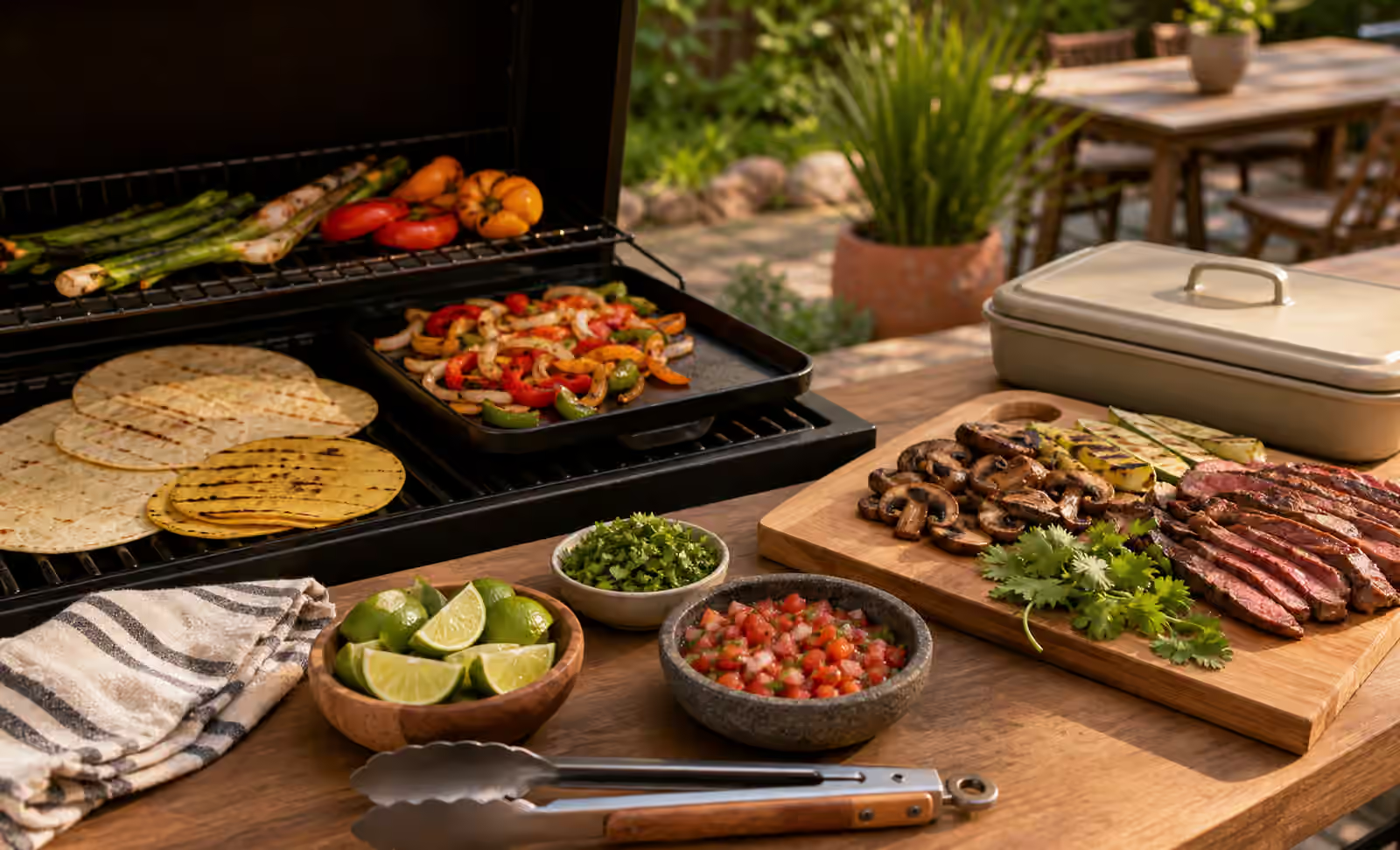
The Plancha and Griddle Cooking on the Grill guide is the natural companion because it explains contact, oil, scraping, and crowding. For breakfast, that contact is especially valuable. Mushrooms can brown instead of falling through the grate. Onions and peppers can soften. Hash browns can crisp if the surface is hot and dry enough. Tortillas or flatbreads can warm at the edge while eggs finish in the pan.
Do not overload the pan. A skillet packed with potatoes, onions, peppers, sausage, and eggs will steam before it browns. Brown watery ingredients first, move them aside, then add eggs when the pan is ready for gentler heat. If the skillet is too hot, eggs toughen. If it is too cool, they stick and smear. A breakfast cook rewards small batches and quick adjustments.
Sausage, bacon, and mushrooms need grease discipline
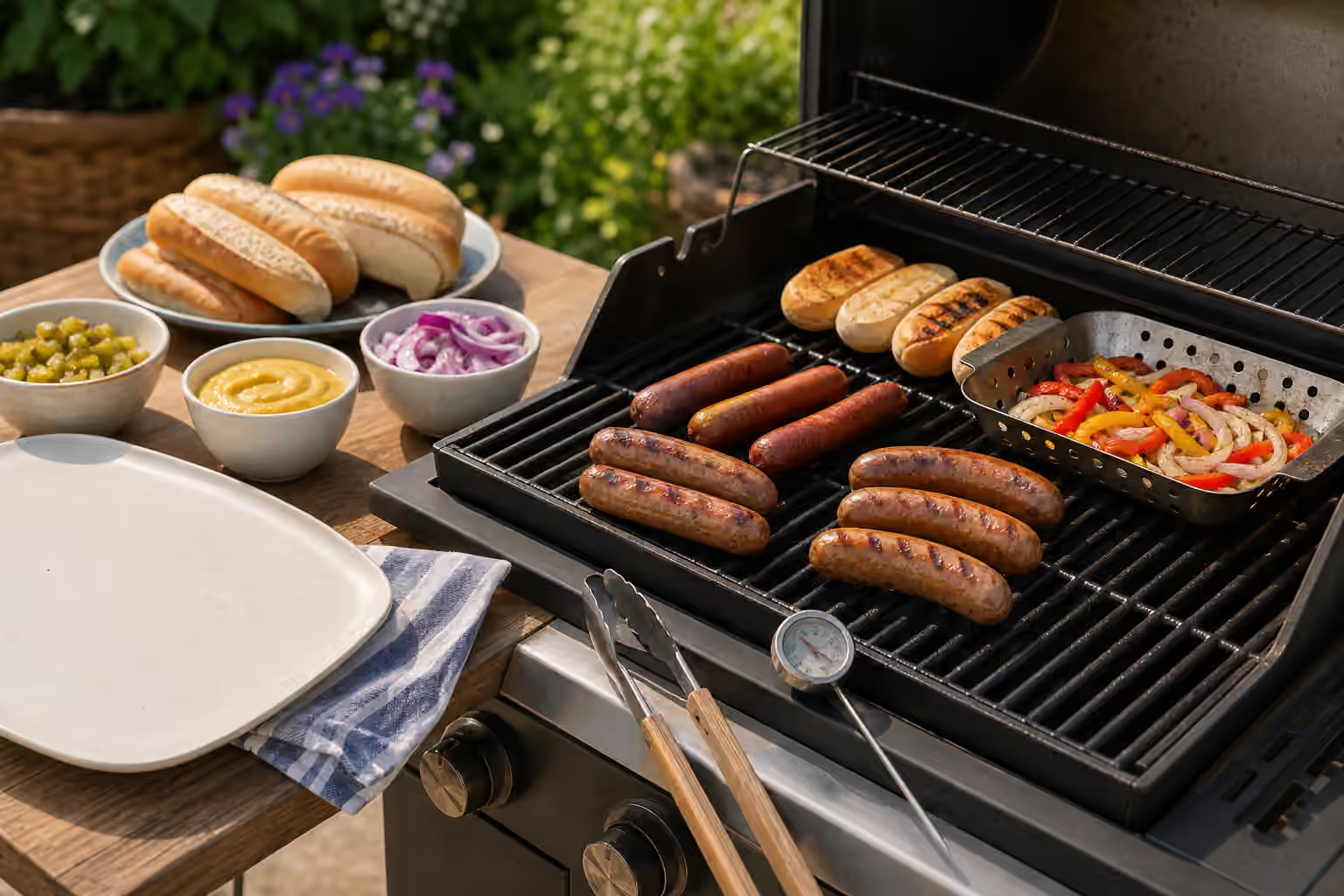
Breakfast meats can drip and flare quickly. Sausages are usually easier when they cook gently before browning, especially if they are thick. Hard direct heat can split the casing and send fat into the fire. Bacon on open grates is usually more trouble than it is worth because fat drips constantly and thin strips move from done to burned quickly. A griddle or skillet contains the fat better, but it still needs attention.
Mushrooms are a useful plant-forward substitute or companion because they brown deeply when given space. They also release water, so a crowded pan becomes a steam bath. Cook them in a broad layer, let moisture cook off, then season and finish with herbs, lemon, or a little butter. This same sequence helps peppers, onions, zucchini, and sturdy greens. Breakfast vegetables should taste awake, not like leftovers from a tray that sat too long.
If meat is part of the menu, keep the thermometer and clean utensils close. Ground breakfast patties, sausages, poultry sausage, and reheated meats need the same attention as dinner food. The Grill Food Safety Workflow does not stop applying because the food is served with eggs and toast.
Bread and flatbread bring the meal together
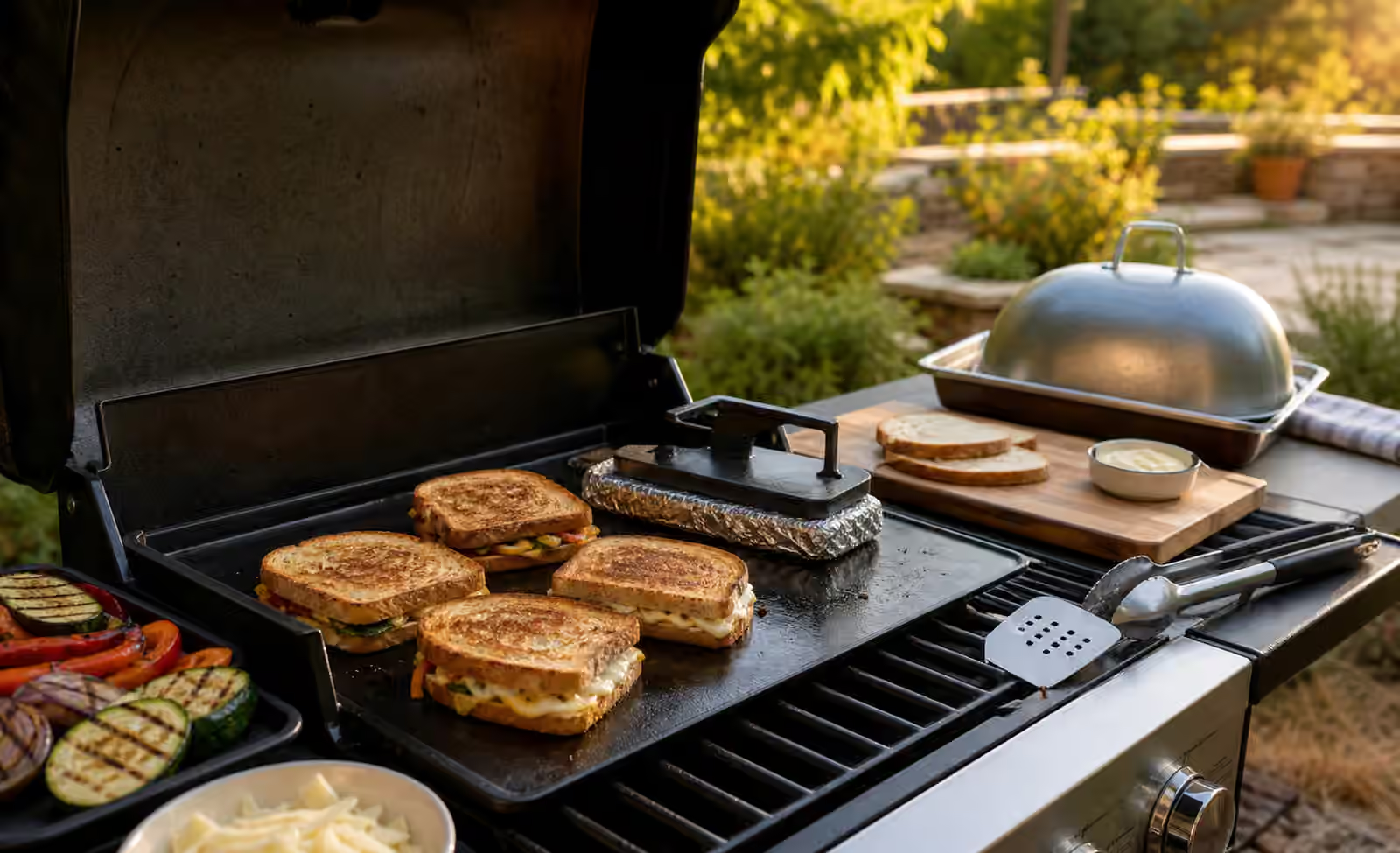
Toast is one of the easiest ways to make grilled breakfast feel intentional. Thick bread, split rolls, pita, tortillas, naan, English muffins, or simple flatbreads can warm quickly over moderate heat. Brush lightly with oil or butter if needed, but avoid so much fat that the bread smokes. Watch closely. Bread can go from pale to bitter faster than a sausage can finish.
Flatbreads also create a serving rhythm. Eggs can go onto warm tortillas. Grilled mushrooms can meet yogurt or herbs on flatbread. Sausage and peppers can become a breakfast sandwich. Leftover grilled vegetables can become a morning wrap if they were stored and reheated safely. The guide to Pizza, Flatbreads, and Cast Iron on the Grill covers the dough side more deeply; for breakfast, the bread is usually a carrier that keeps the plate simple.
Fruit belongs near the end
Peaches, pineapple, figs, bananas, apples, and citrus can all work at breakfast, but they need restraint. Fruit over hard heat can burn on the surface while staying cold inside, and soft fruit can collapse when moved too often. Grill it after the grate is clean and the fire has calmed, or use a skillet for smaller pieces. A little char can be lovely with yogurt, ricotta, oats, pancakes, or toast. Too much smoke makes fruit taste like it wandered through dinner.
Grilled Desserts and Sweet Finishes explains the sugar problem in more detail. Breakfast fruit follows the same rule: add honey, syrup, or sugar late, not over fierce heat. Acid, salt, and fresh herbs can make grilled fruit taste brighter. Cold dairy toppings should stay cold until serving, not sit beside the grill while the cook waits for bread.
Brunch timing should feel generous, not scattered
Brunch often suffers because the cook tries to make everything hot at once. Eggs, toast, sausages, fruit, coffee, salads, and guests all move on different clocks. Use holding intelligently. Sausages can rest briefly. Vegetables can sit warm. Bread should be toasted close to serving. Eggs should be last unless they are baked in a skillet and held gently for a short window. Fruit can be served warm or room temperature depending on the dish.
The hosting rhythm from Cookout Planning still applies, even if the meal is smaller. Put plates, utensils, toppings, clean platters, and leftover containers in place before the first egg hits the pan. Keep the raw lane and clean lane visible. Do not let a beautiful breakfast become a messy scramble because the serving pieces were still in the kitchen.
Keep the menu small enough to enjoy
A strong grilled breakfast might be eggs in a skillet, mushrooms and peppers, toasted flatbread, and fruit. It might be sausages finished gently, buns toasted on the cooler side, and a bowl of grilled peaches with yogurt. It might be a hash built from safely stored leftovers with fresh eggs added at the end. It does not need every breakfast item at once.
The grill is useful in the morning because it adds browning, air, and a slower pace around the table. It is not useful if it turns breakfast into a performance. Build a moderate fire, choose foods that fit the surface, keep perishable items controlled, and serve the meal while the contrasts still make sense: crisp bread, soft eggs, browned vegetables, warm fruit, and clean smoke in the background.