Bread is often treated as an afterthought at the grill, even though it can change the whole meal. A toasted bun keeps a burger from feeling damp. Grilled bread turns vegetables, cheese, and sauces into a plate. Pita warmed over fire becomes more than a wrapper. Garlic toast can make a simple cookout feel complete. Bread also burns quickly, so it needs its own timing instead of being tossed onto the grate while the cook is distracted by everything else.
Bread wants fast attention
Most bread does not need long cooking. It needs surface heat, a little dryness, and enough time to brown without turning bitter. That makes it different from chicken, potatoes, mushrooms, or roasts. Bread belongs in the final minutes, when the main food is resting or the grill has a gentler area available. If it goes on too early, it either burns or waits around getting tough. If it goes on too late, the cook rushes and forgets the rest of the table.
Resting, Holding, and Serving is the hidden bread guide because bread often fits into the rest period. Steak rests, chicken pauses, sausages come off the heat, and buns or slices get a quick toast. The grill is still hot, but the cook’s attention has opened up. That is the right moment for bread: after the risky raw handling is over, before the food loses its best texture.
Choose sturdy pieces
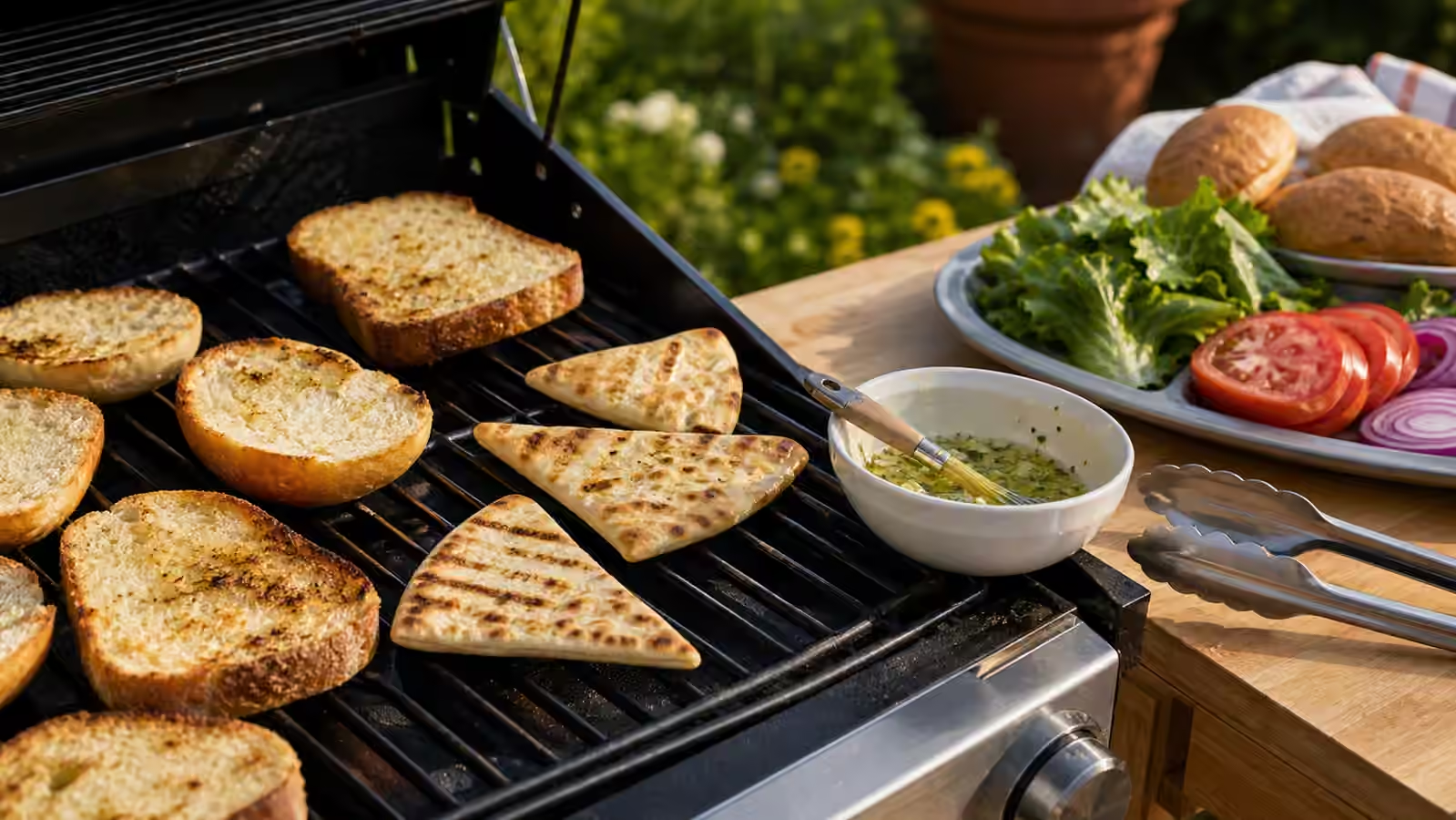
Not every bread likes the grate. Soft sandwich bread can tear or dry out. Very sugary buns can scorch. Thin pita can become brittle if left too long. Sturdy country slices, split burger buns, hot dog buns opened flat, pita wedges, thick flatbreads, and day-old bread often work well because they can handle contact. The cut side of a bun browns faster than the rounded side. A thick slice can take a little oil. A fragile roll needs gentler heat and quick movement.
The guide to Pizza, Flatbreads, and Cast Iron on the Grill covers doughs that cook from raw or nearly raw. This guide is narrower: bread that already exists and needs browning, warming, or crisping. That distinction matters. A pizza dough needs heat management from the start. A bun needs a minute or two of attention and then a clean landing place. Treating them the same is how bread turns into charcoal.
Oiling is useful but not automatic
Oil, butter, garlic butter, herb oil, and mayonnaise-style spreads can help browning and flavor, but they also increase the chance of flare-ups and burning. A light coating is usually enough. If the bread is going under a juicy burger, a toasted cut side with a thin fat layer can resist sogginess. If the bread is for grilled vegetables or cheese, olive oil and salt may be all it needs. If the bread is a sweet roll, adding more fat and sugar may make the surface darken too quickly.
Searing Without Scorching applies here in miniature. Browning needs contact and heat. Scorching comes from too much heat, too much sugar, too much fat dripping into flame, or too little attention. Bread gives fewer warnings than meat. It can move from pale to perfect to bitter in seconds. Keep tongs in hand and stay near the grill while bread is on.
Use leftover heat with judgment
The end of a cook often leaves useful heat. Charcoal has mellowed. A gas grill has a hot grate but fewer active tasks. A pellet cooker or kamado may still be warm. This is a good time for bread, but leftover heat is not automatically gentle. A grate over fresh coals can still burn a bun quickly. A plancha can hold enough heat to darken garlic toast fast. Test a piece or watch the first batch closely.
Lid Open or Lid Closed? can help with the decision. Most bread benefits from open-lid attention because the goal is surface browning, not slow cooking. Closing the lid can warm thick rolls or melt cheese on toast, but it also hides a fast-moving surface. If you close the lid, do it briefly and check sooner than you think you need to. Bread is not a roast. It does not reward neglect.
Buns are part of burger structure
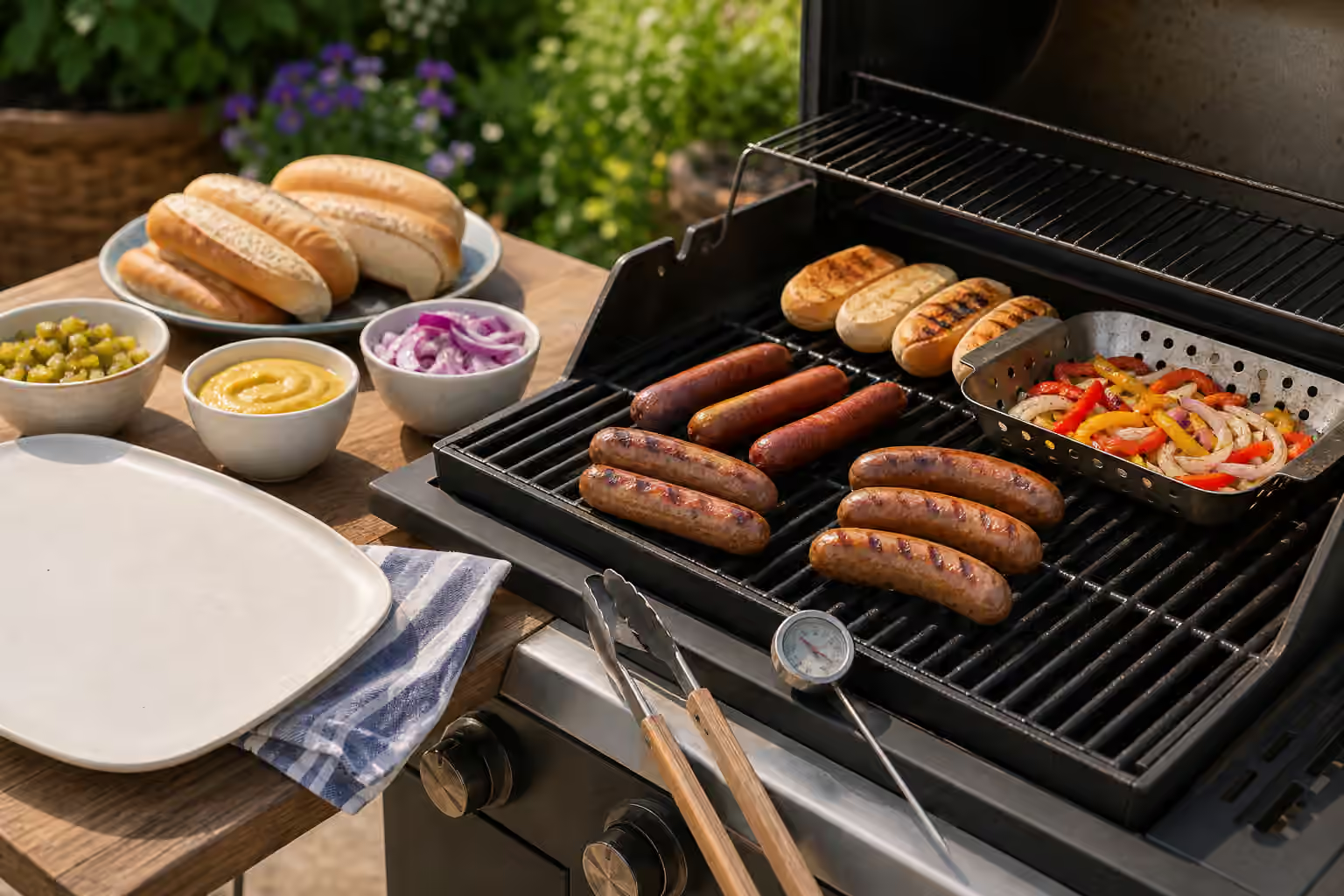
A burger bun has a job beyond holding food. A lightly toasted cut side adds flavor and creates a barrier against juices, sauce, and melted cheese. The toast should be present but not sharp enough to scrape the mouth. Split buns can go cut side down over moderate heat for a short time. If the outside needs warming, move them to the cooler side after the cut side browns. Sweet buns need gentler heat than leaner rolls.
Burgers on the Grill focuses on patties, doneness, cheese, toppings, and batch timing. Bread timing completes that guide. Toast buns while burgers rest or while cheese is settling, not while raw patties are still moving around the station. Keep the clean bun tray away from raw meat tools. A good burger can be made worse by a cold, damp bun or by a bun that tastes like burnt sugar.
Grilled bread makes sides easier
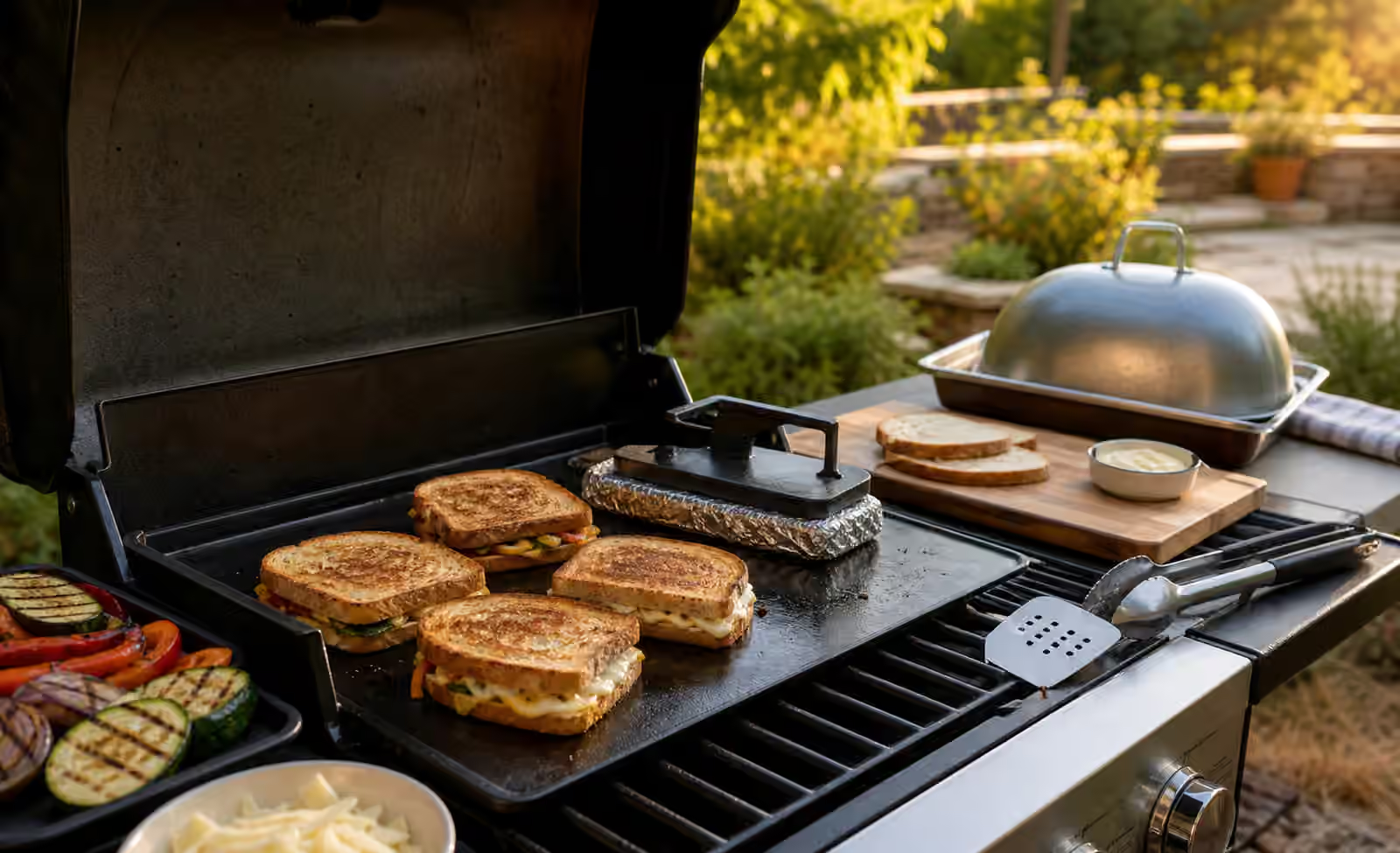
Grilled bread can turn small foods into a meal. Mushrooms, tomatoes, peppers, onions, beans, grilled cheese, herbs, and sauces all make more sense when there is something crisp and warm to carry them. A platter of grilled bread beside Grilled Mushrooms With Better Browning or Halloumi, Paneer, and Grilling Cheese gives guests a natural way to build bites without needing the cook to assemble every plate.
Bread is also useful for sauces. A bright herb sauce, tomato relish, garlic oil, yogurt sauce, or barbecue sauce can be tasted without drowning the main food. BBQ Sauces, Glazes, and When to Apply Them is useful because sauce behavior still matters. Sweet sauces on bread can burn fast. Fresh sauces usually belong after grilling. Garlic butter can go on before or after, but if it contains minced garlic, watch carefully because garlic can turn bitter over hard heat.
Keep bread away from raw work
Bread often sits near serving food, which makes station discipline important. Do not place finished bread on a tray that held raw meat, poultry, or seafood. Do not use raw-food tongs to arrange buns. If bread is being served for guests who avoid meat, keep it away from drips and shared raw tools. The habits in Grill Food Safety Workflow are not only for proteins. They protect every item on the table.
This is especially true during cookouts, when guests may grab bread while the cook is still finishing food. Put finished bread on a clean platter with clean utensils or a towel, away from raw prep. If it is meant for burgers, keep it close to the assembly area, not the raw patty tray. If it is meant for dips or sides, place it where guests will not have to reach across the grill station. Bread is inviting, so place it where that invitation does not cause trouble.
Do not cover away the texture
Hot bread steams when covered tightly. A towel can keep bread warm for a short time, but a sealed container can turn crisp surfaces soft. A rack or open platter is better when texture matters. If you need to hold bread longer, accept that it may soften and plan accordingly. Garlic bread for a crowd can be kept warm more easily than delicate toast meant to stay crisp. Buns can wait briefly, but they are best near the moment of assembly.
Cookout Planning helps because bread timing is a guest-flow issue. If guests are assembling plates over a long window, toast in waves. If everyone sits down together, toast once and serve immediately. If the grill is crowded, use a cooler zone or a plancha after the main food leaves. Bread should reduce pressure, not become one more fragile task at the worst minute.
The small habit that pays
Grilled bread is a small habit with a large effect. It adds texture, catches juices, supports sauces, and makes simple foods feel intentional. It also teaches attention because bread burns faster than most foods around it. Choose sturdy pieces, oil lightly, use the right heat, stay nearby, and serve from a clean place. Once that rhythm is familiar, buns, toast, pita, and country slices stop being filler and become part of the meal’s structure.