The question “which grill is best” has no honest answer, because a grill is not a badge of taste but a machine for managing heat, and the right machine depends entirely on the heat you need, the space you have, and the patience you are willing to spend. Charcoal loyalists and gas defenders argue as though one of them has to be wrong, when in fact each cooker trades away something real to buy something else real. The useful way to shop is to stop asking which grill wins and start asking which one fits the food you actually cook, the place you can legally put it, and the amount of tending you enjoy rather than tolerate.

Charcoal: cheap heat and an honest education
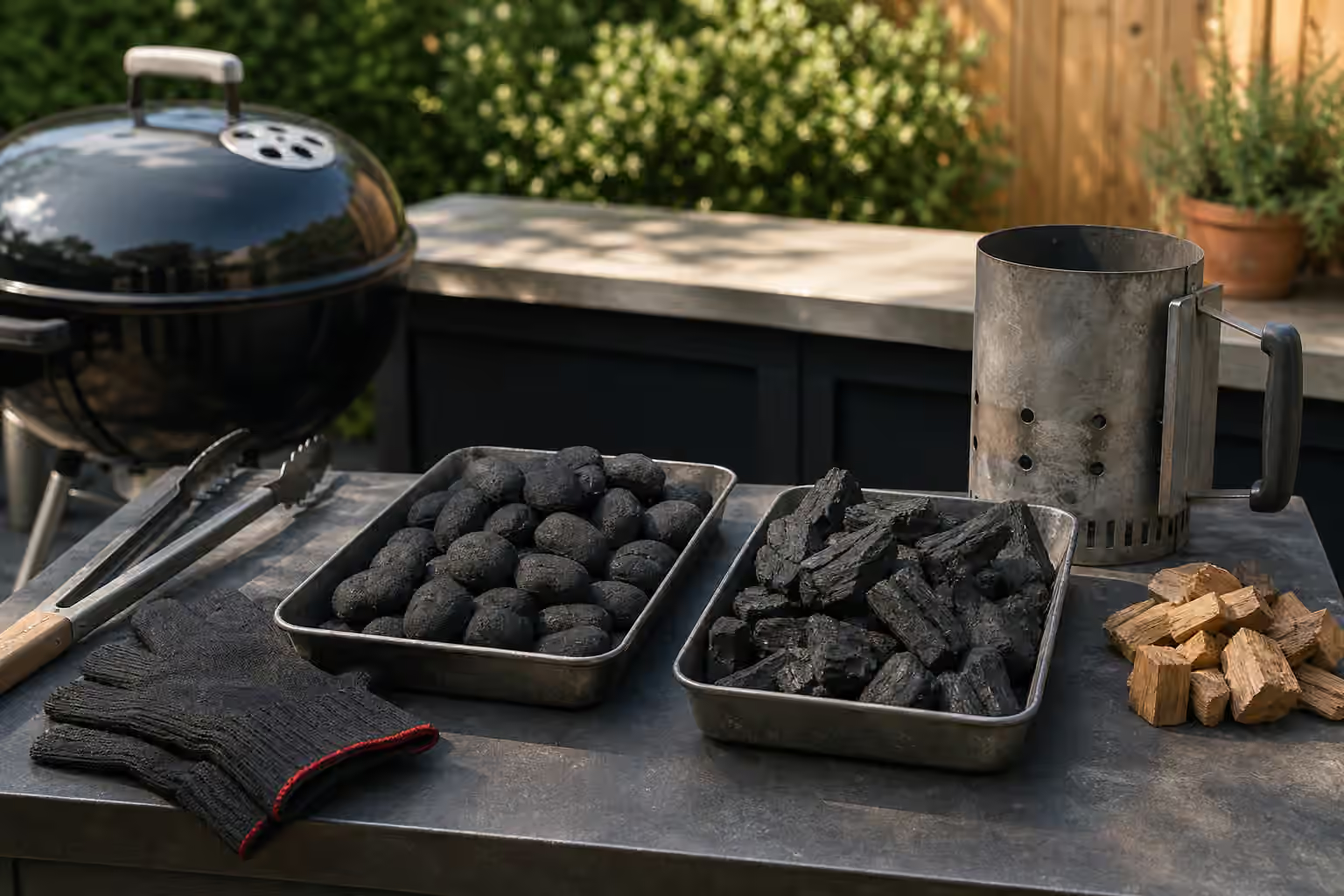
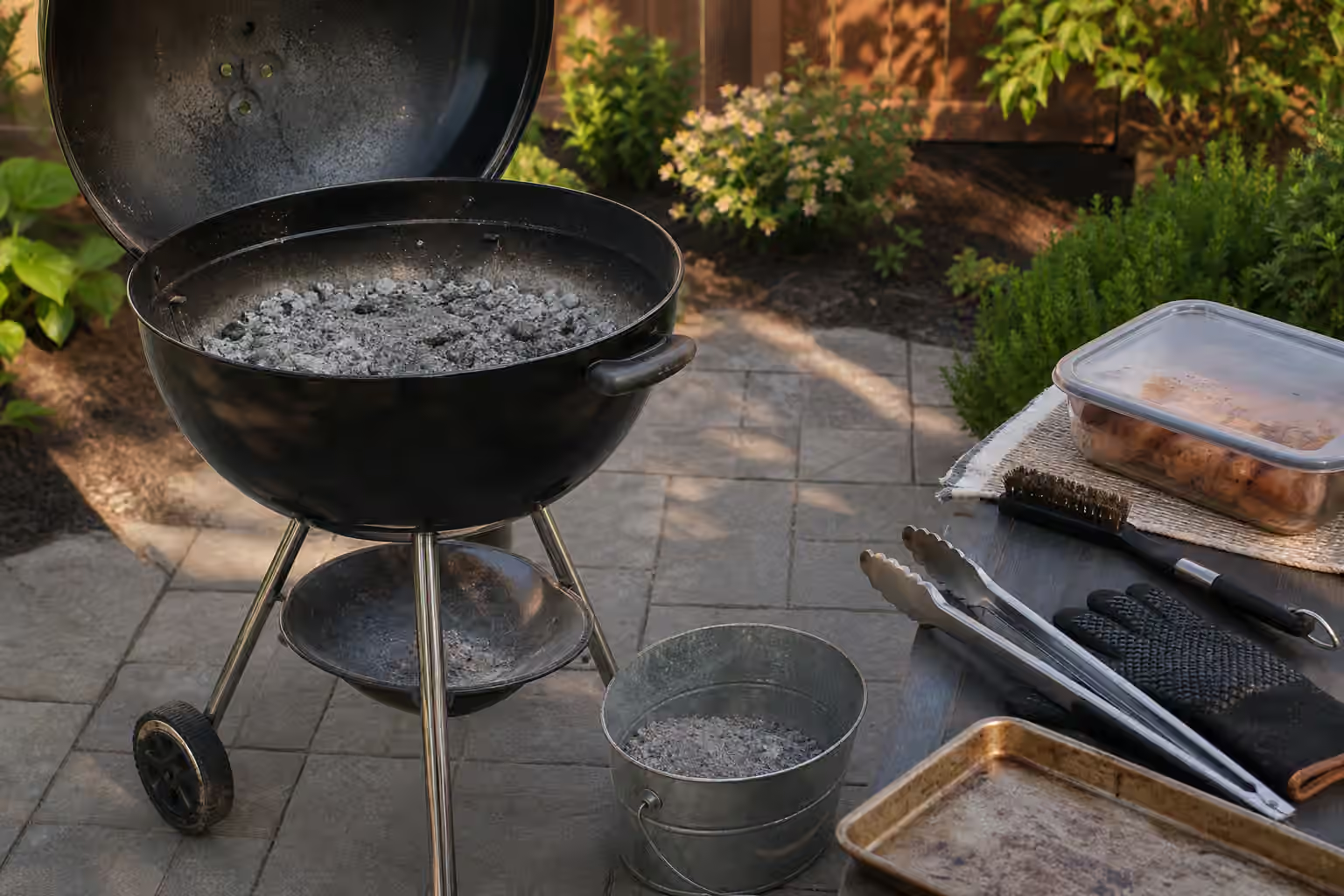
A charcoal kettle is the least expensive route to genuinely high, live-fire heat, and it teaches you more about fire than any other cooker because nothing is automated. You control temperature by how much fuel you light, where you bank it, and how far you open the vents, which means a charcoal cook is always in a small conversation with airflow. That is either the appeal or the burden, depending on your temperament. Startup is slower, since coals need to ash over before you cook, and a chimney starter is the accessory that makes this painless. Cleanup means dealing with ash after every session. In return you get intense searing heat, the smoky character many people associate with real barbecue, and a fuel bill that stays low. If you want to understand what the ideas in Fire, Airflow, and Fuel actually feel like in your hands, charcoal is where they come alive.
Gas: repeatability for the weeknight cook
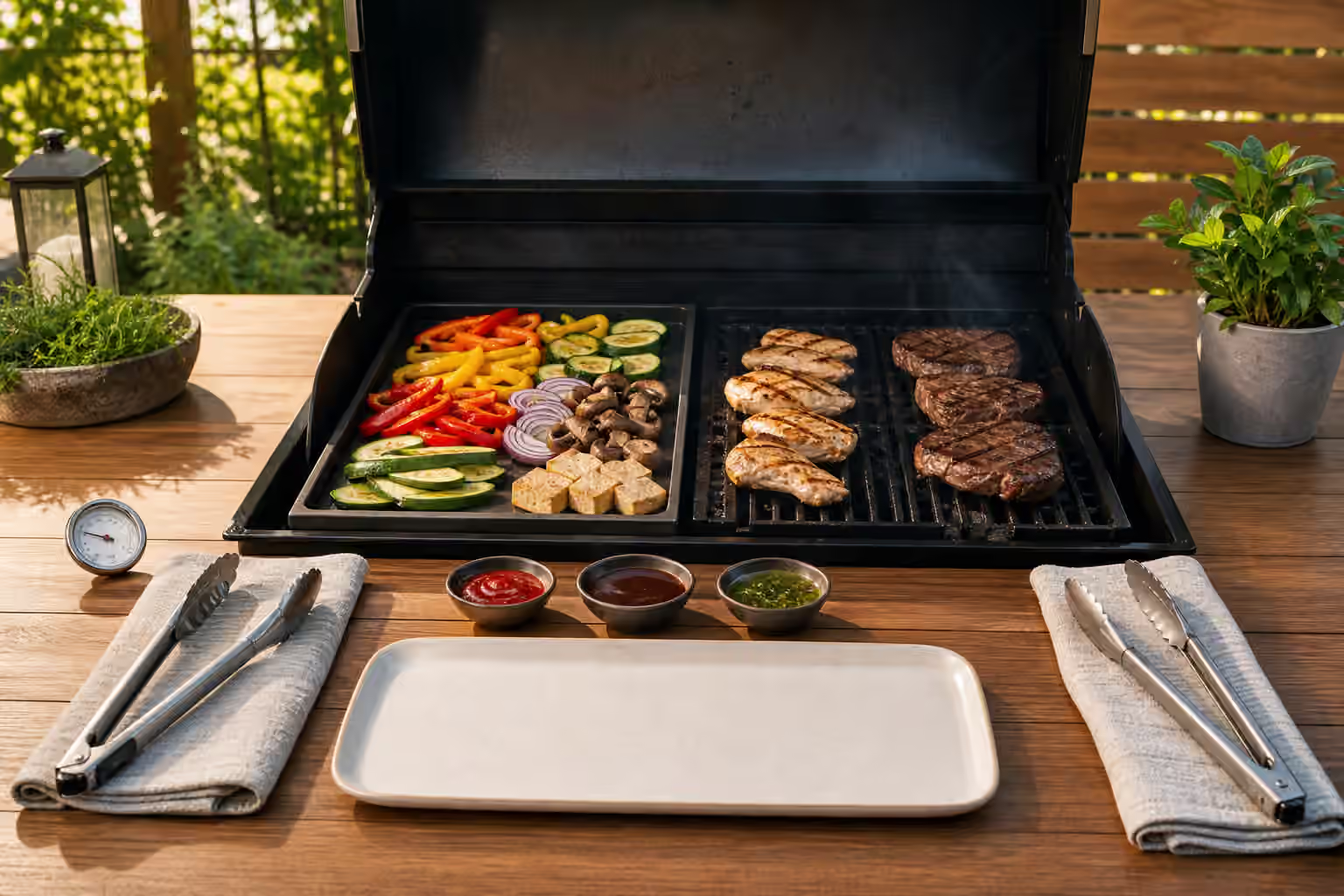
A gas grill exists to remove friction. You turn a knob, press an igniter, and in a few minutes you have adjustable, predictable heat with separate burners that make two-zone cooking effortless. For a household that wants dinner off the grill on a Tuesday without babysitting coals, nothing beats it for convenience and repeatability, because the same knob setting gives you roughly the same result every time. The honest trade is flavor and ceiling: propane and natural gas impart little of the wood-fire character, and many gas grills top out cooler than a hard charcoal fire. Maintenance shifts from ash to grease, with burner ports and drip management to keep an eye on, plus care around the propane cylinder itself. For a lot of people this is the sensible default, and there is no shame in choosing the tool that gets used four nights a week over the romantic one that comes out twice a summer.
Pellet: convenience aimed at smoke, not sear
A pellet grill is essentially an outdoor convection oven fed by compressed wood pellets and governed by a thermostat and a fan. You set a temperature, an auger drips fuel into a burn pot, and electronics hold the number for hours with very little intervention, which makes low-and-slow smoking genuinely approachable. The catch, and it is one beginners often miss, is that most pellet grills are built for steady moderate heat rather than blistering sears, so if a deeply charred steak is your priority you should temper your expectations or plan to finish over another heat source. Pellet cookers also need electricity, dry pellet storage, and periodic ash-out of the burn pot. As a machine for hands-off ribs and effortless smoke sessions it is hard to beat; as a searing instrument it is the weakest of the group.
Kamado: thermal mass and long-cook patience
A ceramic kamado is heavy for a reason, because that dense body stores heat and gives back extraordinary efficiency and stability once it settles, which makes it excellent for long cooks, roasting, and even high-heat pizza. It can smoke, roast, and sear if you learn its airflow, making it the most versatile single cooker for someone who wants to grow into it. The price of that mass is that temperature changes slowly, so overshooting is easy to do and slow to fix, and the cooker itself is expensive and awkward to move. It also asks for specific care, like gasket maintenance and cautious opening at high heat. If a kamado is the direction you lean, the dedicated Kamado Grill Basics guide walks through vents, burping, and setup in detail.
Electric: the cooker for when flame is off the table
An electric grill earns its place through a single, decisive advantage: it can often be used legally where open flame and charcoal are forbidden. For a balcony apartment, a strict rental, or a covered space where a spark is a genuine hazard, an electric grill or griddle may be the only compliant way to cook outdoors at all. Judge it honestly against its limits rather than against a backyard kettle. It typically delivers less fuel-derived flavor and lower peak heat, and it still involves grease, cords, and weather exposure to manage. But a compact, legal cooker you can actually use beats a dream grill that violates your lease and never comes out of the box.
Choose by job, budget, and honest self-knowledge
The cleanest way to decide is to write down what you actually cook in a normal month, where the cooker will legally live, and whether you find fire-tending relaxing or annoying. A household grilling weeknight burgers and chicken is poorly served by a giant offset smoker, and a would-be pitmaster who loves an all-day cook will feel boxed in by a small electric unit. Read the lease and local fire rules before you fall for anything, because many apartments restrict charcoal, propane storage, or balcony flame outright, and that constraint should shape the whole decision rather than get discovered after purchase. Then budget for the true cost, which is never just the cooker: fuel, a cover sized to the actual grill and climate, cleaning supplies, and a few tools all belong in the number. This is the same buy-by-job discipline that serves people well with other gear, and the mindset in Coffee Mastery transfers almost word for word.
Whatever you choose, expect it to ask something of you in return, because every grill trades convenience against flavor, cost against capability, or speed against craft, and none of them is maintenance-free. Match those trades to your real life rather than to the fantasy of the cook you imagine becoming, and the machine will get used, which is the only measure that matters. From here, set the thing up well with Build a Beginner Grill Station , stock it sensibly using Outdoor Cooking Gear That Actually Helps , and if the cookout is social, let Beer Explorer help you match the drinks to the fire.