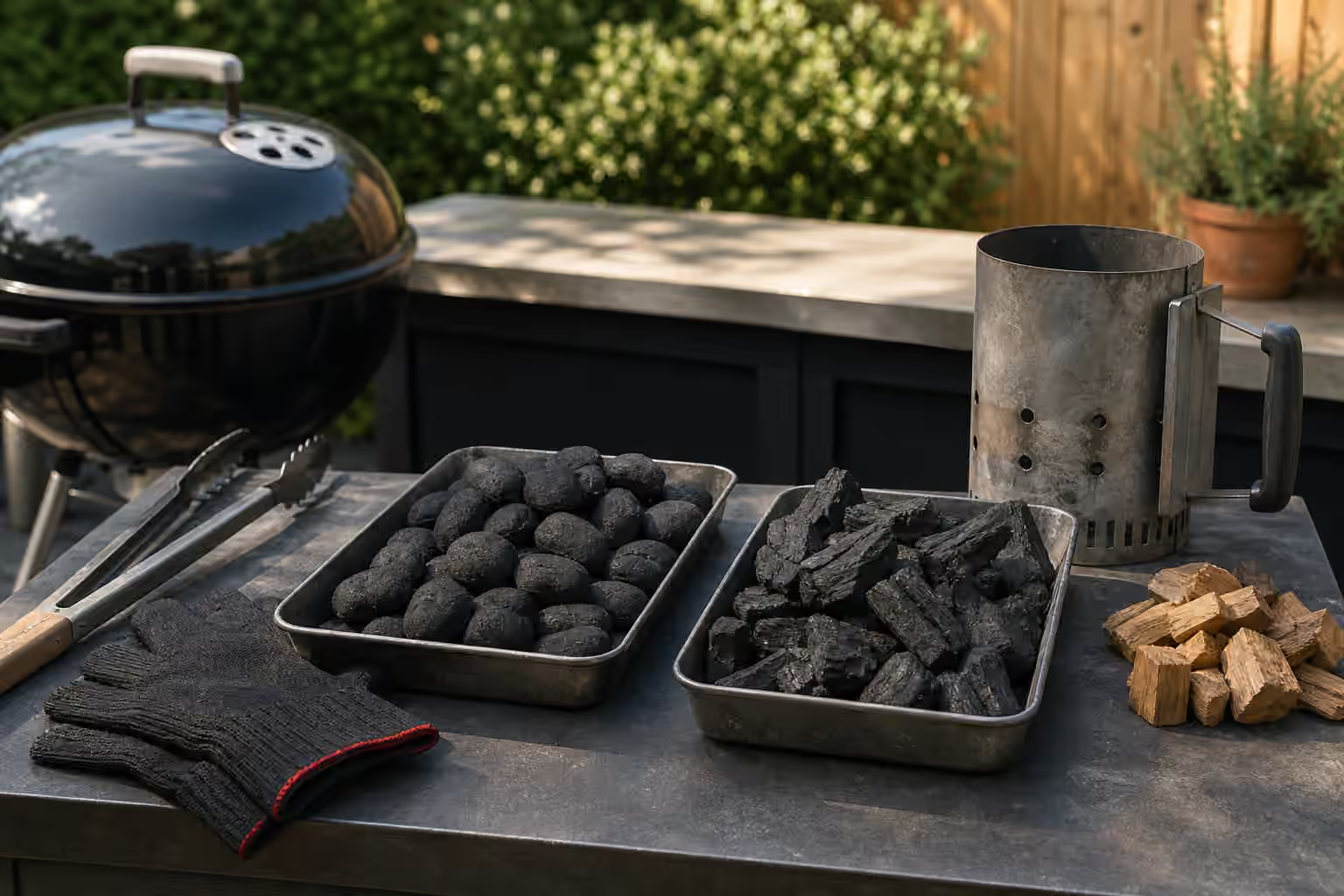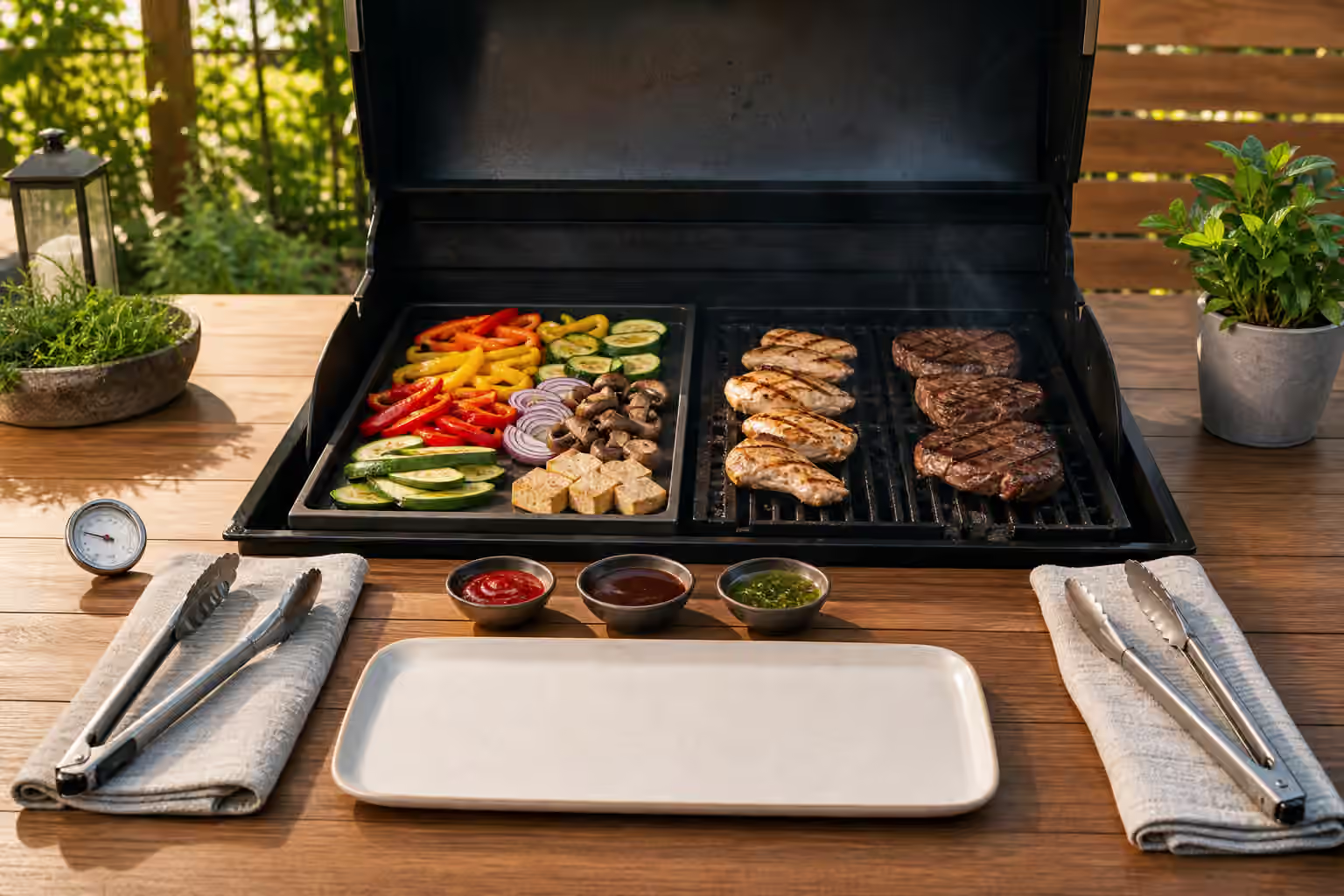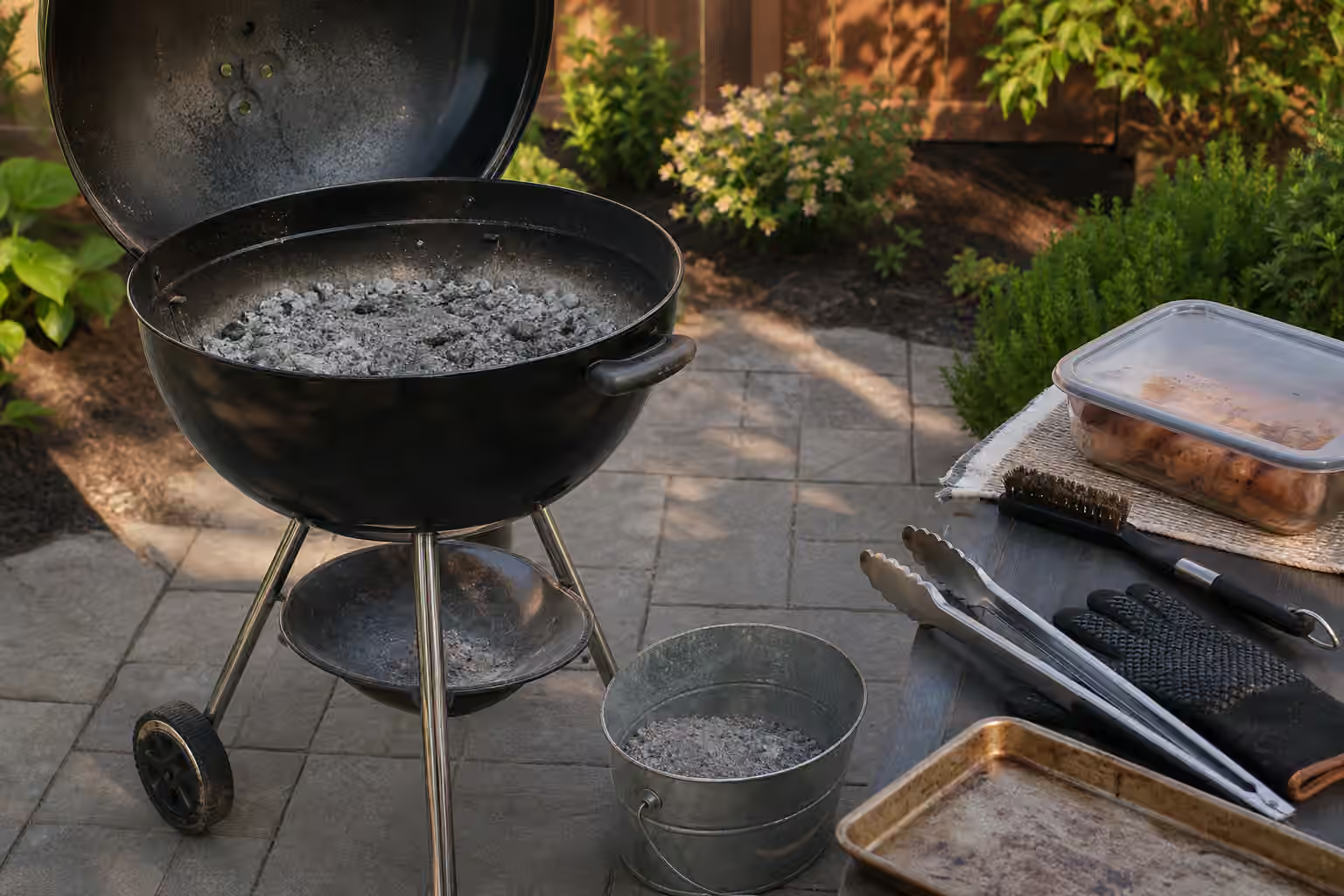
The cook is not finished when the food comes off the grate. A grill still holds heat, grease, ash, sharp tools, raw-prep residue, and a fading fire that can surprise a tired host. Shutdown is the quiet last phase of outdoor cooking. It decides whether the next cook starts cleanly, whether old grease turns into stale smoke, and whether ash gets handled with the patience it deserves. The best shutdown routine is not dramatic. It is a sequence that separates food service from hot equipment, lets the cooker cool in place, and leaves no mystery under the lid.
Shutdown starts before serving
The easiest shutdown begins while the last food is still cooking. The clean platter should already be ready. Leftover containers should be reachable. Raw tools should be out of the serving path. A place for hot tongs, brushes, and gloves should be clear before guests start crowding the table. This is the same station logic used in Grill Food Safety Workflow , but it applies to the end of the cook as much as the beginning.
Once the food is off, resist the urge to clean everything at once. A grill that was useful five minutes ago is still a hot machine. The first job is to make serving calm. Move cooked food to clean dishes, cover or hold it intentionally, and get perishable leftovers moving toward safe storage instead of letting them sit outside while the fire fades. If a drip pan, water pan, or grease cup is involved, treat it as hot until the cooker has clearly cooled. The guide to Grill Drip Pans and Water Pans explains why those pans are part of the heat system, not ordinary dishes.
Charcoal shutdown is about air
Charcoal cannot be turned off with a knob. It has to be deprived of oxygen and left alone long enough to cool. Close the vents according to the grill maker’s instructions, put the lid on securely, and give the cooker time. A kettle full of gray-looking coals can hide live heat under ash. Lump charcoal can hold glowing centers. Briquettes can remain hot well after they stop looking impressive. The fire lessons in Fire, Airflow, and Fuel still apply after dinner: oxygen feeds the fire, and airflow control is the shutdown tool.
Do not pour water into a charcoal grill unless the manufacturer’s guidance allows it for that cooker and situation. Sudden water can send ash everywhere, make a caustic slurry, crack some materials, and create steam where hands are already tired. In most backyard grilling, the calmer move is to close the vents, keep the grill stable, and wait. The same patience that helps with Charcoal Lighting Without Lighter Fluid helps at the end. Fire control is slower than impulse.
When the ash is fully cold, use a metal container or the grill’s ash system rather than a plastic bag or paper bin. Ash deserves suspicion even when it looks finished. If there is any doubt, wait longer. A metal bucket with a lid, kept outside on a fire-safe surface, is more forgiving than a kitchen trash can. The habit may feel overly careful until one warm ember proves why it exists.
Gas grills still need a routine
A gas grill can feel easier because the flame shuts off cleanly, but the routine still matters. Turn burners and fuel supply off according to the manufacturer’s order. Let the grates cool enough for cleaning. Check the grease tray, drip cup, and burner area when it is safe to do so. A gas grill that never gets its grease path checked can create flare-ups, stale smells, and uneven heat that look like cooking problems rather than maintenance problems.
The advice in Gas Grill Heat Control depends on a grill that can breathe, drain, and light predictably. Shutdown is where that reliability is protected. If the grease cup is nearly full, the next cook starts with a problem already installed. If the burner covers are coated with old sugary sauce, the next preheat may smell burnt before food appears. If a grill brush, scraper, or cloth is used, it should match the grate material and should not shed debris into the cooking surface.
Grease is fuel, not just mess
Grease cleanup is not about making the grill look new. It is about removing the fuel that causes unwanted flare-ups and bitter smoke. Rendered chicken fat, burger drippings, pork shoulder residue, lamb fat, and sugary sauce can all make the next cook harsher. Managing Flare-Ups is much easier when yesterday’s grease is not waiting under today’s food.
Let grease cool in the container designed to hold it, then dispose of it in a way that fits the material and local waste rules. Avoid rinsing heavy grease into drains. Avoid carrying a floppy hot foil pan across the yard with one hand. If the pan is disposable, support it from below. If it is reusable, scrape first and wash deliberately. A small amount of planning here prevents a lot of frantic cleanup when guests are gone and daylight is fading.
Reset the grate while memory is fresh
The best time to learn from a cook is before the evidence disappears. If food stuck, ask whether the grate was clean, hot, and oiled enough. If the fire ran dirty, check ash buildup and vent position. If sauce burned in one zone, note where the hot spot lived. Grill Troubleshooting becomes more useful when the cook records what actually happened instead of relying on the story that forms later.
Once the grate is safe to handle, scrape or brush it in the manner appropriate for that grate and tool. Some cooks prefer to clean while the grate is still warm because residue releases more easily. Others wait until the next preheat, when heat loosens debris again. Either habit can work if the result is a stable, clean cooking surface and no hidden brush fragments, old food, or thick carbon flakes ready to transfer to dinner.
Small spaces need extra discipline
Shutdown matters even more on patios, courtyards, shared yards, and compact balconies where cooking is permitted. Hot equipment may sit near railings, furniture, storage bins, pets, or walking paths. Smoke and ash may bother neighbors long after the food is served. Small-Space Grilling is partly about choosing the right cooker, but it is also about ending the cook with the same restraint used to start it.
Do not move a hot grill simply because the meal is over. Do not tuck it into storage while vents, fuel, ash, or grease are still active concerns. Let the area stay boring. A cooled, stable grill in the right place is safer than a hot grill being rushed into a corner. If weather changes, protect the cook area without creating a covered, enclosed, or poorly ventilated fire situation. When in doubt, the manufacturer’s instructions and local rules matter more than convenience.
A better next cook
Good shutdown is a gift to the next meal. The ash is cold and contained. The grease path is not overloaded. The grate is ready or at least understandable. The fuel is stored dry. Tools are back where they belong. The cook knows whether the grill ran hot, cool, smoky, sticky, or steady. Nothing about that sounds exciting, which is why it is easy to skip. But outdoor cooking improves when the ending is as intentional as the first chimney, preheat, or seasoning decision.
The last habit is simple: look at the grill before walking away. Is the fuel controlled? Is the lid where it should be? Are vents set for shutdown, not cooking? Is grease still somewhere hazardous? Are leftovers handled? Is the station clear enough that the next cook will not begin with old problems? That short pause turns cleanup from a chore into part of the craft.