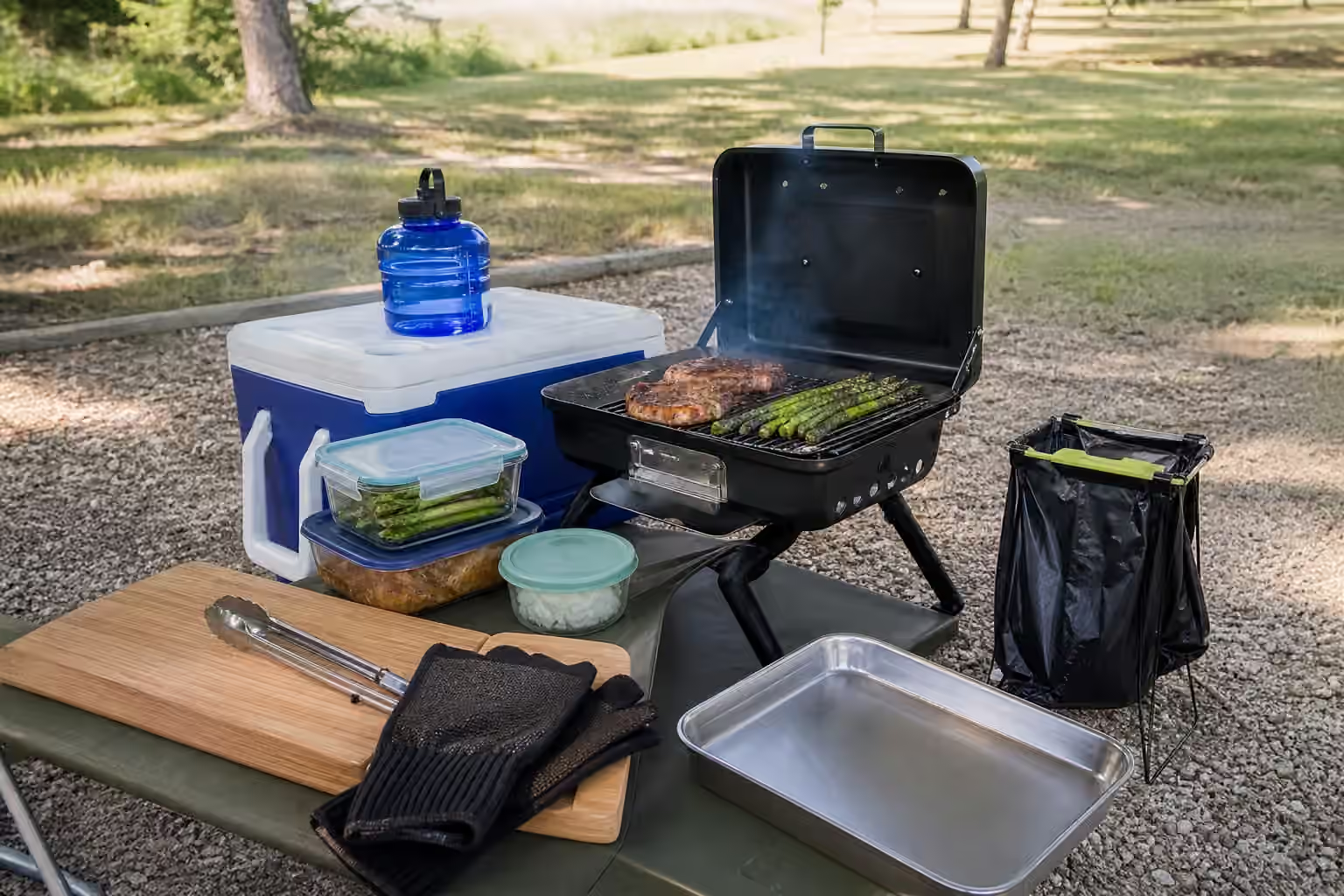
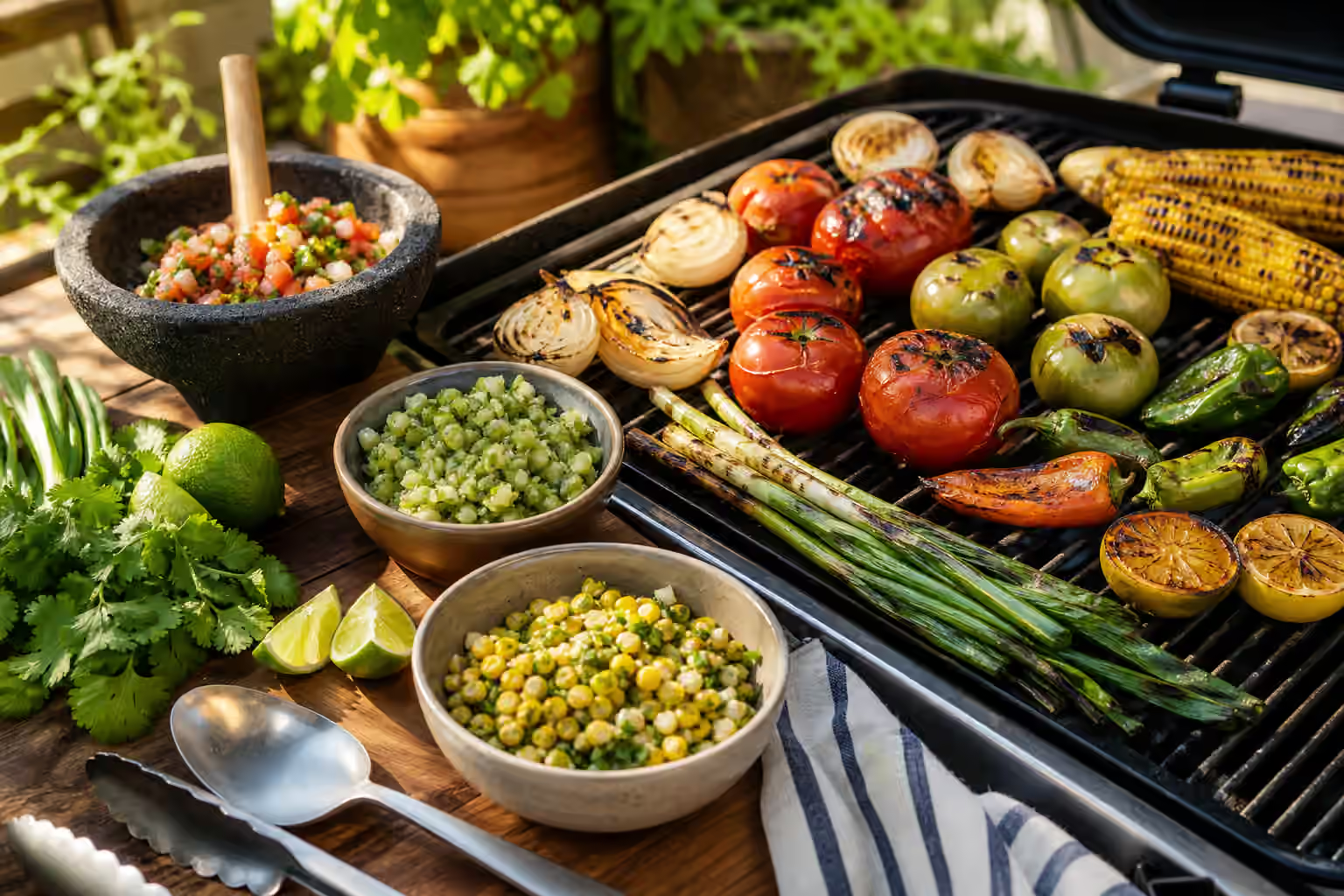
Leftovers are not a consolation prize after grilling. They are part of the cook’s design. A chicken thigh that is handled well can become lunch without turning dry. Extra vegetables can become a salad, bowl, omelet, flatbread, or sandwich. Corn can be cut from the cob and folded into beans. Brisket, mushrooms, tofu, sausage, pork, and steak can all have useful second lives when they are cooled, stored, reheated, and seasoned with a little care.
The leftover plan starts before serving
Good leftovers begin while the original meal is still organized. If finished food sits on a clean platter, away from raw tools and raw trays, it has a better chance of becoming safe next-day food. If everything is mixed on one table while guests graze for hours, the decision becomes murkier. The guide to Grill Food Safety Workflow is the foundation because leftovers inherit the handling choices of the cookout.
Put storage containers out before people are tired. Shallow containers cool food more efficiently than deep piles. Separate saucy food from crisp food when texture matters. Slice large pieces only when it helps cooling or next-day use; otherwise, some meats hold moisture better when stored in larger pieces and sliced later. Labeling can help in a busy household, but the core habit is simpler: move perishable food toward safe storage on purpose rather than letting it drift through the evening.
Cookout Planning already treats cleanup and leftovers as part of hosting. This guide narrows that idea. The cook should know which foods are worth saving, which should be eaten now, and which should be discarded if the safe-handling story is not clear.
Reheat gently and add moisture where it belongs
The fastest way to ruin grilled leftovers is to reheat them as if they were raw food needing a new sear. Leftover chicken, pork, steak, tofu, mushrooms, and vegetables already have cooked surfaces. Hard heat can dry them, toughen them, or scorch the old seasoning before the center warms. Gentle reheating, covered pans, steam, sauce, broth, or a brief finish over heat usually works better.
Steak is a good example. Thin slices can warm in a tortilla, rice bowl, or pan sauce rather than returning to the grill for a second blast. Chicken can be shredded with a little sauce or warmed under a lid. Pork can go into beans, tacos, hash, or sandwiches with moisture added. Grilled tofu can crisp briefly in a skillet if it was stored dry, but it may also be better sliced cold into a salad with a strong dressing. Vegetables often need only a quick warm-up or can be served room temperature with acid and herbs.
Use thermometer judgment and official reheating guidance for foods that need it, especially mixed dishes, poultry, ground meats, and leftovers that will be served to higher-risk guests. Texture cues are not food-safety cues. A dry piece of chicken can still be unsafe if handled poorly, and a moist piece can still need proper reheating.
Think in formats, not scraps
Leftovers feel better when they have a format. Bowls are the most forgiving. Rice, beans, greens, noodles, potatoes, or grains can carry sliced grilled food, vegetables, herbs, sauce, and something acidic. Tacos and wraps are almost as flexible because they use small amounts of strongly flavored food. Salads work when smoke and char are balanced with crisp greens, fresh herbs, pickles, citrus, yogurt, or vinaigrette. Sandwiches work when the bread, sauce, and crunchy element are chosen deliberately.
The Grilled Salads and Charred Dressings guide is useful because it treats grilled food as part of a fresh plate rather than a heavy rerun. The Pizza, Flatbreads, and Cast Iron on the Grill guide helps when leftovers become toppings. The point is to give leftover food contrast: warm and cool, crisp and soft, smoky and bright, rich and acidic.
Avoid building every next-day meal around more smoke. If the original food was heavily smoked or sauced, fresh vegetables, plain rice, citrus, vinegar, yogurt, herbs, or pickled onions can make it easier to eat. If the original food was simply grilled and lightly seasoned, a stronger sauce may be welcome. Leftovers are a balancing act, not a loyalty test to the first meal.
Different foods want different second lives
Grilled chicken is useful because it accepts many sauces, but it dries when reheated aggressively. Slice it for salads, shred it with a little sauce, warm it gently for tacos, or fold it into soup, beans, or rice. Burgers are more limited because ground meat can become dense after cooling, but chopped burger can still work in hash, chili-style beans, or a sauced sandwich if handled safely. Sausages can be sliced into beans, pasta, breakfast skillets, or vegetable bowls.
Steak and lamb often taste best sliced thin and warmed lightly, not cooked again. Pork shoulder, ribs, and brisket can be excellent when chopped into beans, tacos, baked potatoes, or sandwiches, but sauces should be adjusted so sweetness and smoke do not become heavy. Fish and seafood are less forgiving; some are best eaten cold in a salad or gently warmed, while delicate pieces may not be worth saving if texture collapses. When in doubt, store less and cook closer to need next time.
Vegetables may be the best leftovers of all. Grilled corn becomes salsa, salad, soup, or beans. Peppers and onions become omelets, sandwiches, bowls, or flatbreads. Mushrooms become toast, rice, noodles, or salad. Zucchini and eggplant can soften, so they need acid, herbs, crumbs, or fresh vegetables for contrast. Grilled fruit can become breakfast with yogurt, a dessert topping, or a sauce if it was handled safely.
Sauce is the repair tool, not the cover-up
A good sauce can restore moisture and direction. It cannot make mishandled food safe, and it cannot fully hide bitterness, rancid grease, or smoke that overwhelmed the original cook. Use sauce to complement what remains. Vinegar sauces cut rich pork. Yogurt sauces soften smoke. Herb sauces brighten chicken, vegetables, and lamb. Mustard can sharpen sausages. Hot sauce can wake up beans, but it should not be the only flavor.
BBQ Sauces, Glazes, and When to Apply Them focuses on the first cook, but the timing lesson applies again. Sugary sauce reheated too hard can burn a second time. Add it gently, warm it separately, or use it at the table. Leftovers are often better when the sauce is fresh and the grilled food is warmed only as much as necessary.
Let leftovers improve the next cook
Every leftover container teaches portioning. If the same side is always ignored, make less or change the format. If chicken disappears but buns remain, adjust the guest plan. If vegetables become the best lunch, grill more next time on purpose. If smoked food feels heavy the next day, use less wood or add brighter sides. The guide to Resting, Holding, and Serving helps with the final hour of the meal, but the next day tells you whether that final hour worked.
The best leftover habit is modest confidence. Save food that has a clean handling story. Store it promptly and shallowly. Reheat it gently. Add freshness instead of only more smoke. Turn grilled pieces into formats that make sense: bowls, tacos, salads, sandwiches, soups, beans, breakfast skillets, and flatbreads. A good cookout should feed the table in front of you, but it can also make tomorrow easier without tasting like a compromise.