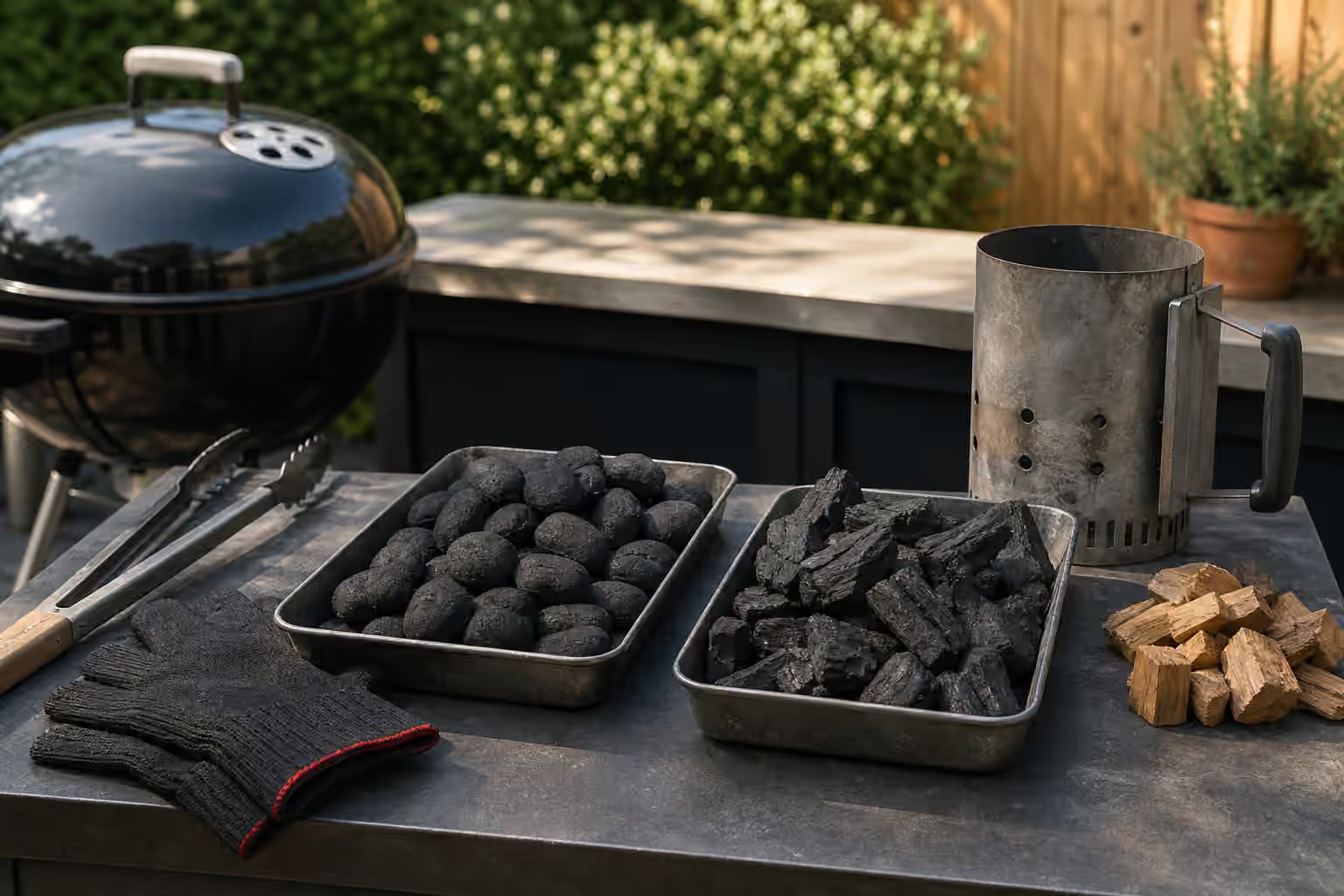
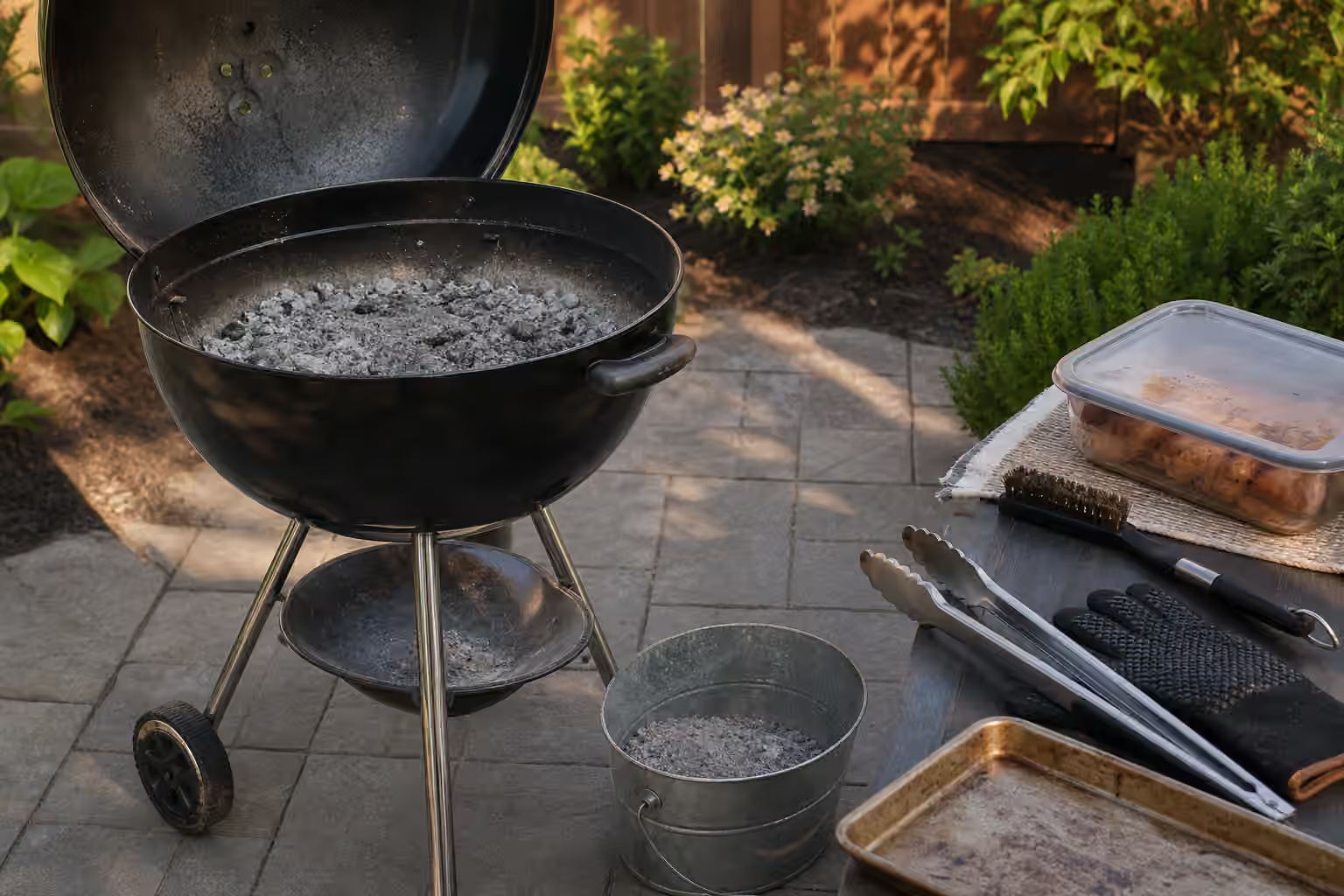
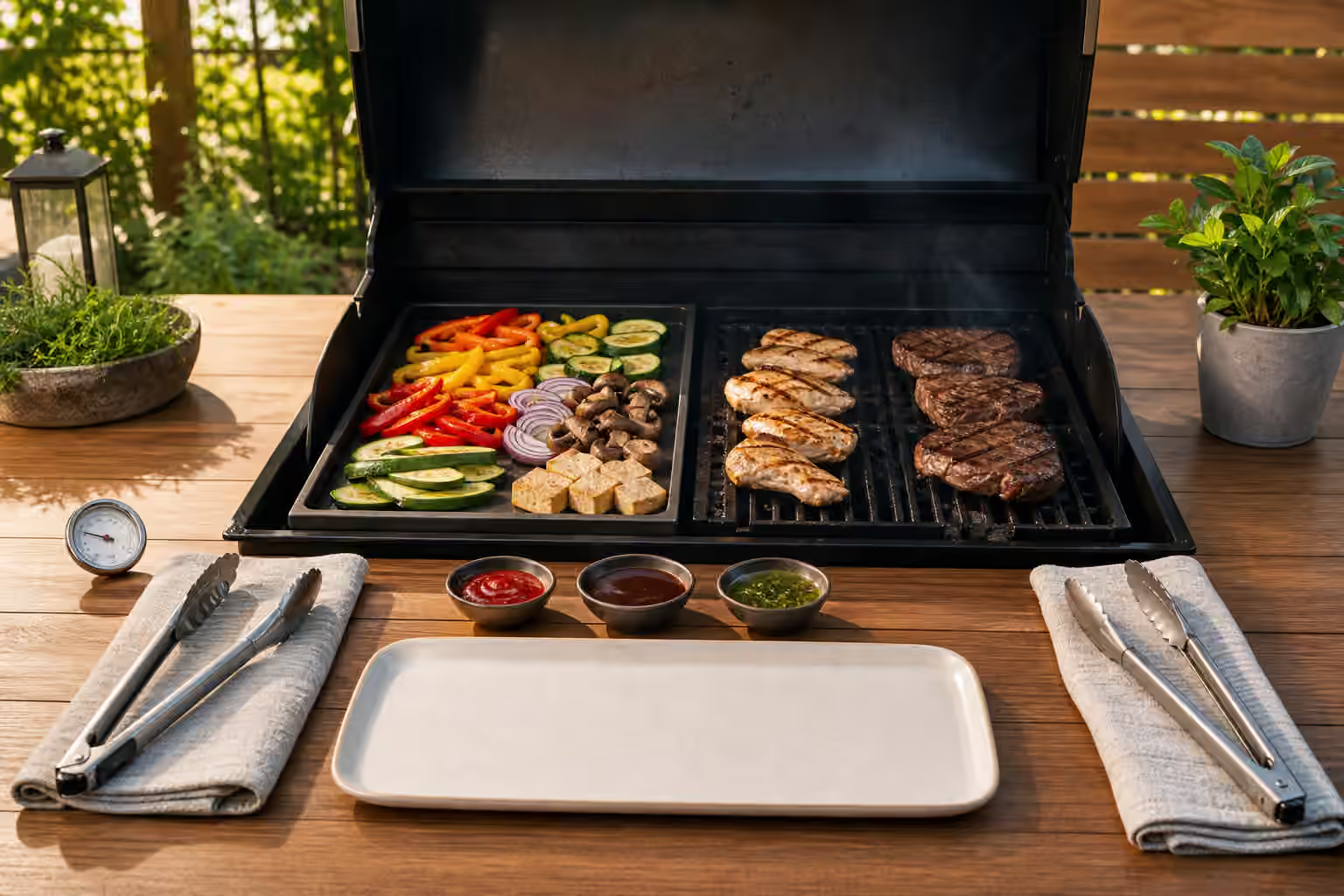
Outdoor cooking feels easier when the station has a visible path from raw food to finished food. The grill itself gets most of the attention, but the real workflow starts before the fire is lit and keeps going after the food leaves the grate. Raw meat, poultry, seafood, vegetables, sauces, clean platters, thermometers, cooler space, towels, and leftovers all compete for a small outdoor area. If those jobs are mixed together, the cook spends the meal improvising with messy hands. If they are separated early, the grill becomes calmer and the food is easier to manage.
Why this deserves its own guide
The guide to Build a Beginner Grill Station explains the physical setup: trays, tongs, trash, lighting, and landing space. Grill Thermometers and Doneness explains how to check the interior of food instead of trusting color. Cookout Planning explains guest flow and leftovers. This guide sits between them. It turns those ideas into one sequence that a tired cook can follow while the fire is hot and people are talking.
Food safety is often described as a list of rules, but at the grill it works better as choreography. The cook needs a place for raw food that does not drift into the serving area. The finished food needs a clean landing zone that is not a former marinade tray. The thermometer needs to be close enough to use before guessing takes over. Cold food needs shade, ice, or a refrigerator plan. Hot food needs either prompt serving or an intentional holding plan. Cleanup needs to be ready before grease, ash, and sticky sauce make every surface harder to handle.
Think in lanes
The easiest mental model is to give the station lanes. A raw lane holds uncooked proteins, raw marinades, raw-only utensils, and any board or tray that touched those foods. A cook lane holds the grill, heat zones, thermometer checks, sauce timing, and movement between direct and indirect heat. A clean lane holds finished-food platters, buns, salads, garnishes, serving utensils, and anything that should never meet raw juices. A cold lane holds perishable items before cooking and leftovers after serving.
The lanes do not need signs or fancy equipment. A red tray and a white tray can be enough if everyone in the cooking area understands the difference. A folding table can work if raw food stays on one side and clean serving pieces stay on the other. A small cooler can be useful if it stays closed and shaded instead of becoming a general drink bin that opens every minute. The method is less about buying specialized gear than removing ambiguity. When the clean tray is visibly empty and waiting, the cook is less tempted to reuse the raw tray at the last second.
The raw lane
Raw food should arrive at the grill in the smallest useful batch. Bringing every burger, chicken thigh, fish fillet, and sausage outside at once can make the station look abundant, but it also lengthens the time that perishable food sits in warm air. If the cook is working in batches, the later batches can stay cold while the first batch cooks. This is especially helpful during a long cookout, when guests may arrive late and the grill may be running for more than one round.
Marinades need the same discipline. A marinade that held raw meat, poultry, or seafood is not a finished sauce unless it has been handled according to current official guidance. For everyday cooking, the cleaner habit is to reserve a separate portion before raw food touches it, then use that reserved portion for brushing or serving. If sauce will go on the grill, keep timing in mind. The guide to BBQ Sauces, Glazes, and When to Apply Them explains why sweet sauces belong late in the cook, after the food is close enough that sugar will not sit over hard heat for too long.
Raw tools should be easy to identify. If one pair of tongs handles raw chicken and then finished burgers, the station has lost its lanes. The solution can be as simple as dedicating one tool to raw loading and another to finished food, or washing tools thoroughly between jobs when a wash setup is practical. The important part is deciding before the grill is crowded. Outdoor cooks get into trouble when they make tool decisions while smoke is in their face.
The cook lane
The cook lane is where food moves from risky confusion toward a clear serving decision. Heat control matters because food that burns outside while lagging inside creates pressure to guess. Direct vs. Indirect Heat and Two-Zone Grilling are food-safety helpers as much as quality helpers. A hot side gives browning. A cooler side gives time, rescue, and a place to finish thicker foods without panic.
Thermometer use belongs in the rhythm, not only at the end. If chicken pieces are browning quickly, check the thickest pieces before the outside tells a false story. If burgers vary in size, check more than one. If fish is delicate, choose a spot that gives a useful reading without shredding the fillet. If a leave-in probe is used for a large roast or smoked cut, confirm with an instant-read thermometer in several places before serving. The grill gives color quickly, but color is not the same thing as a safe endpoint.
Sauce and glaze also need a lane. A raw marinade brush should not become a finishing brush. A sweet glaze should not sit beside the raw tray where it can be splashed or grabbed by mistake. A finishing sauce should have its own spoon, bowl, or squeeze bottle, kept away from raw food and added at the right moment. This keeps the flavor plan from colliding with the station plan.
The clean lane
The clean lane should be set before the first food leaves the grill. A clean platter waiting on the table changes the cook’s behavior. It gives finished food an obvious home and reduces the temptation to make do with a tray that has been sitting near raw prep. For small foods, a sheet pan with a rack can help protect crust and keep juices from pooling. For burgers, a clean tray can hold buns nearby without letting them cross into the raw lane. For poultry, roasts, or thick chops, the clean landing zone should also have room for rest.
Resting, Holding, and Serving matters here because finished food is not always served the second it leaves the grate. Resting can improve texture, but it still needs a clean surface and sensible timing. Holding should be intentional rather than accidental. If food will wait, the cook should know whether it is being held hot, served soon, or cooled for leftovers. A platter abandoned in the sun while guests talk is not a plan.
The clean lane also protects plant-forward food and sides. A salad bowl, grilled vegetables, sliced fruit, buns, and cheese can be spoiled by careless raw-tool contact even when the main protein eventually reaches the right temperature. Keeping clean serving food away from raw prep is a hospitality habit, not just a technical one. It lets guests trust the table without needing to understand every move the cook made.
The cold lane
Outdoor cooking stretches time. The refrigerator may be inside, the cooler may be across the patio, and the grill may be running in waves. The cold lane answers a simple question: where do perishable foods wait before and after the cook? The answer might be a refrigerator for nearby home cooking, a cooler with enough ice or cold packs for a park cookout, or smaller covered containers that come out only when needed. The important part is that cold storage is not an afterthought.
For cookouts, drinks and perishable food are often better separated. A beverage cooler gets opened constantly. A food cooler should stay colder and quieter. If there is only one cooler, use containers and timing to reduce repeated opening. Keep it shaded when possible. Take out only what is headed toward the grill soon. After serving, shallow containers help leftovers cool more efficiently than a deep, overfilled tub.
Official guidance is the right reference for time and temperature boundaries because those details matter and can be updated. Keep FoodSafety.gov’s clean, separate, cook, and chill guidance , FoodSafety.gov’s safe minimum internal temperatures , and USDA FSIS grilling food safely guidance close when you need the official line. The Ember Table can help with workflow and judgment, but it should not replace current public-health references.
What changes when guests arrive
Guests change the station because they create traffic. Someone wants a drink. Someone moves the empty clean platter. Someone sets a phone near the raw tray. Someone asks whether the burgers are done while the cook is checking chicken. A good workflow assumes interruptions instead of pretending the cookout will be quiet. Put drinks, napkins, and finished sides away from raw prep. Give guests a clear place to stand that does not block the grill lid. Keep serving utensils with the serving dishes, not scattered around the cooking table.
This is why the first ten minutes matter so much. Before lighting the grill, place the raw tray, clean tray, thermometer, towel, trash, cooler, and serving pieces where they belong. Walk through the cook once in your head. Raw food goes from cold storage to raw tray to grill. Finished food goes from grill to clean tray to rest or service. Leftovers go into shallow containers and back toward cold storage. Grease, ash, and dirty tools follow the cleanup path from Grill Cleaning and Maintenance . The whole system is plain, but plain is exactly what a busy outdoor cook needs.
The goal is calmer attention
A raw-to-cooked workflow does not make grilling sterile or fussy. It protects the parts of outdoor cooking that people actually enjoy: clean fire, good browning, smoke in the right amount, rested food, and an easy table. It also gives the cook fewer decisions to make under pressure. When the raw lane, cook lane, clean lane, and cold lane are visible, the next move is usually obvious.
Start with this workflow before adding more gear. Then build skill where it matters: Grill Thermometers and Doneness for checking food, Build a Beginner Grill Station for physical setup, Cookout Planning for hosting rhythm, and Resting, Holding, and Serving for the final stretch. The grill will still demand attention, but the station around it will stop fighting you.