
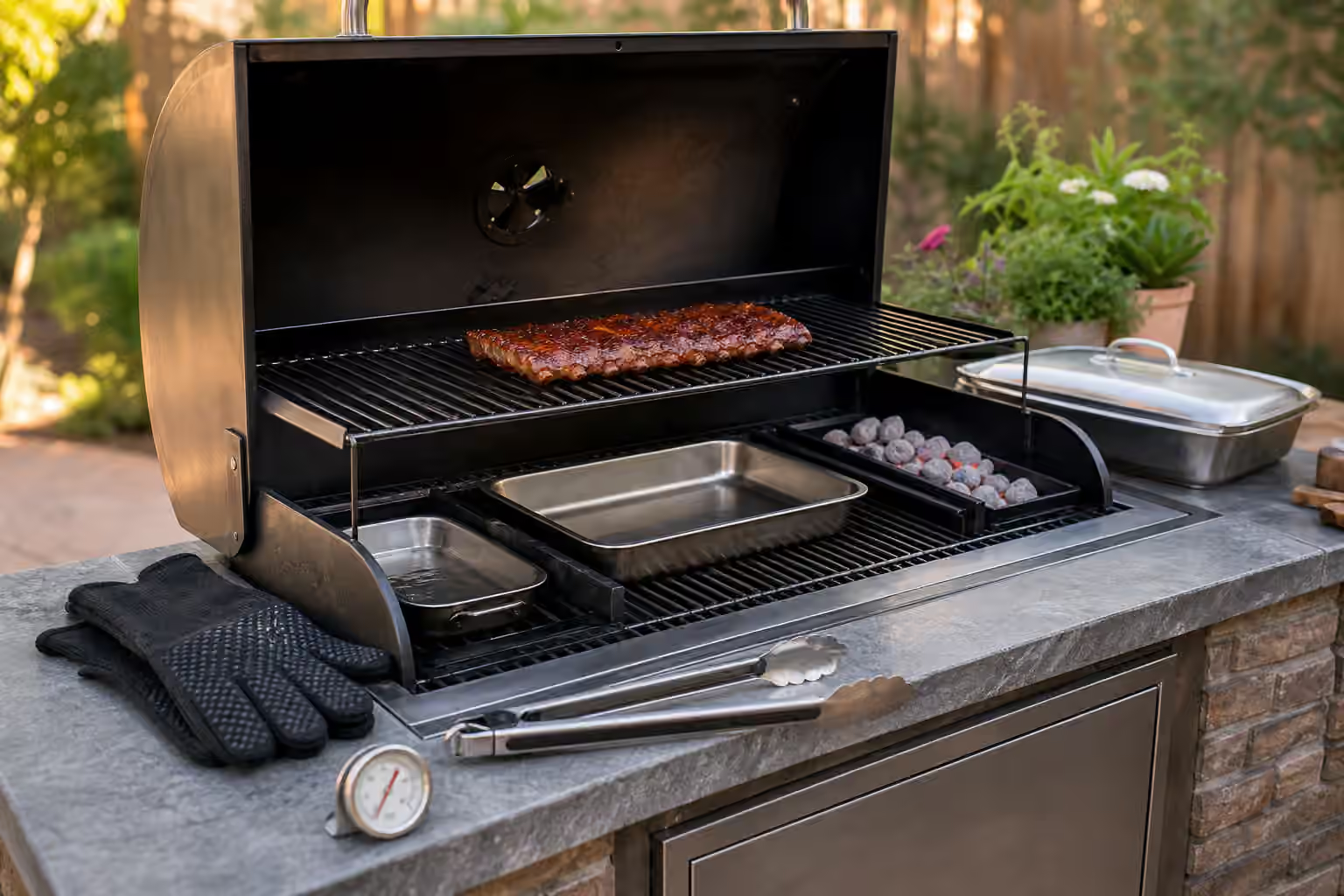
A drip pan looks like a minor accessory until the cook depends on indirect heat. Then it becomes part of the grill’s structure. It catches rendered fat before it feeds flare-ups, gives juices somewhere to land, protects the bottom of the cooker, and marks the space where food should not sit over direct flame. A water pan does a different job. It adds thermal mass, softens temperature swings, and puts moisture into the cooking chamber. Neither pan is magic, and neither makes a dry cook automatically juicy. Used with a clear heat plan, though, both pans make long grilling and smoking less frantic.
The pan is part of the heat map
The easiest way to understand a drip pan is to think about Direct vs. Indirect Heat . Direct heat sits under the food. Indirect heat surrounds the food while the strongest flame or coals sit somewhere else. The drip pan often occupies the no-fire space under the food, which makes the layout visible. On a kettle grill, coals may sit on both sides with a pan in the middle. On a gas grill, the center burner may stay off while outside burners run and a pan rests below the roast. On a kamado or smoker, the pan may sit above a heat deflector or near the lower grate depending on the cooker.
That placement matters because a pan can block airflow if it is oversized or poorly placed. Air still has to move through the cooker. Smoke still has to pass over the food and out the vents. Heat still has to reach the lid and circulate. A pan jammed into the fire path can make the grill sluggish, smoky, or uneven. A pan that is too small may miss the drips and leave grease where it can burn. The pan should support the heat plan, not smother it.
Drip pans keep fat from becoming the cook
Rendered fat is not only mess. It is fuel. A little fat sizzling on coals can smell dramatic and add a brief roasted note, but a steady stream from chicken skin, pork shoulder, lamb, burgers, or a rotisserie bird can create aggressive flare-ups and bitter smoke. Managing Flare-Ups starts with prevention, and a drip pan is one of the plainest forms of prevention when food is cooking indirectly.
The pan does not remove the need for trimming, zone control, or attention. If a roast hangs beyond the pan, fat can still hit the fire. If the pan runs dry and fills with burned residue, the smoke can turn stale. If the cook tries to move a hot pan full of grease too soon, cleanup becomes unsafe. The right habit is to place the pan before the food goes on, check that it covers the drip path, and treat its contents as hot waste until the cooker has cooled enough to handle safely.
On a rotisserie, the pan is almost part of the method. The food turns through heat while drips fall into the pan instead of feeding the burners below. The guide to Rotisserie Grilling at Home uses that setup for good reason: steady turning is easier when the fire is not repeatedly interrupted by fat.
Water pans steady the cooking chamber
A water pan is often described as adding moisture, but its more practical job is heat moderation. Water takes energy to heat and evaporate, so a pan of water can soften sudden swings in a charcoal or smoker chamber. That can help during ribs, pork shoulder, poultry, roasts, and other cooks where the food needs time before a final finish. It is especially useful when the cooker wants to run hot and the cook is still learning vents, fuel amount, and lid discipline.
Moist air also changes the surface of food. It can slow drying, help smoke adhere early in a cook, and reduce the harshness of a chamber that is running dry and too hot. It will not force tenderness into meat that has not had enough time. It will not replace salt, collagen breakdown, rest, or thermometer checks. The guide to Smoking for Beginners still applies: low-and-slow cooking is a relationship among heat, food, time, smoke, and rest, not a trick performed by a pan.
A water pan should be filled with care. Hot water brings the cooker up to rhythm faster than a cold pan that steals heat at the beginning. The pan should be stable and reachable enough that the cook can refill it safely if needed, but not placed where hands must cross flame. If the water evaporates fully, the pan can become a scorching drip pan without warning. That is not always a disaster, but it changes the cook. A dry pan does not buffer heat the same way.
Flavor in the pan is usually less important than people think
Many cooks put beer, wine, cider, stock, herbs, citrus, onions, or spices in a water pan because it feels generous. Most of that aroma does not transfer to the food in a clear, reliable way. Smoke, rub, salt, sauce timing, browning, and rest matter much more. A scented liquid can make the cook smell good while the lid is open, but it is rarely the difference between a dull meal and a vivid one.
That does not mean the pan must hold only plain water. If the liquid is there for a braising setup, a covered pan of beans, or a drip-and-gravy plan, flavor may matter. If the pan is simply there to stabilize heat, plain water is usually enough. Save the stronger flavor decisions for the food itself, for a finishing sauce, or for the last-minute brightness described in BBQ Sauces, Glazes, and When to Apply Them .
Foil, steel, and cleaning decisions
Disposable foil pans are common because they are light and simple, but they can buckle when full of hot liquid or grease. Support them from underneath when moving them, and do not trust a thin rim with a heavy load. Sturdier metal pans are more stable and less wasteful over time, but they need real cleaning and can become dedicated grill equipment. Either way, the pan should fit the cooker, leave airflow, and sit on a stable surface.
Line a drip pan only when it helps. Foil can speed cleanup, but loose foil can tear, block airflow, or trap grease where it still smokes. A pan holding water does not usually need a liner. A pan catching fat under a rotisserie may benefit from one if it remains stable and does not interfere with the setup. Cleanup should follow Grill Cleaning and Maintenance : cool the cooker, handle grease deliberately, check the firebox, and leave the grill ready for the next cook instead of hiding old residue under the lid.
When the pan is not the answer
Some cooks reach for a pan when the real issue is too much fuel, poor airflow, a dirty cooker, or food placed over the wrong zone. A water pan cannot rescue a grill that is packed with raging coals and starved vents. A drip pan cannot prevent flare-ups from food sitting directly above flame. A shallow pan cannot make a full-size brisket fit a tiny cooker without hot edges. If the pan seems to be fighting the grill, step back to Fire, Airflow, and Fuel and make the heat easier before adding equipment.
There are also foods that do not need a pan. Thin steaks, quick vegetables, smash burgers on a griddle, toast, skewers, and grilled fruit usually need contact, browning, and attention more than a humid chamber. A pan may be useful underneath a dirty or fatty setup, but it should not turn every cook into a covered roast. Use it when the job asks for indirect heat, long timing, grease management, or chamber stability.
A calmer long cook
The best pan setup feels almost boring. The heat sits to the side. The food sits above the open middle. The drip pan catches what falls. The water pan, if used, moderates the chamber without blocking airflow. The thermometer tells the cook what is happening inside the food. The lid stays closed because there is no reason to keep rescuing the fire.
That calm is the point. Drip pans and water pans do not make outdoor cooking fancy. They make the heat plan visible and give grease, moisture, and cleanup a place to go. Once that structure is in place, ribs can cook without constant flame drama, poultry can roast without scorching over its own fat, and a charcoal cooker can hold a steadier rhythm while the food takes the time it needs.


