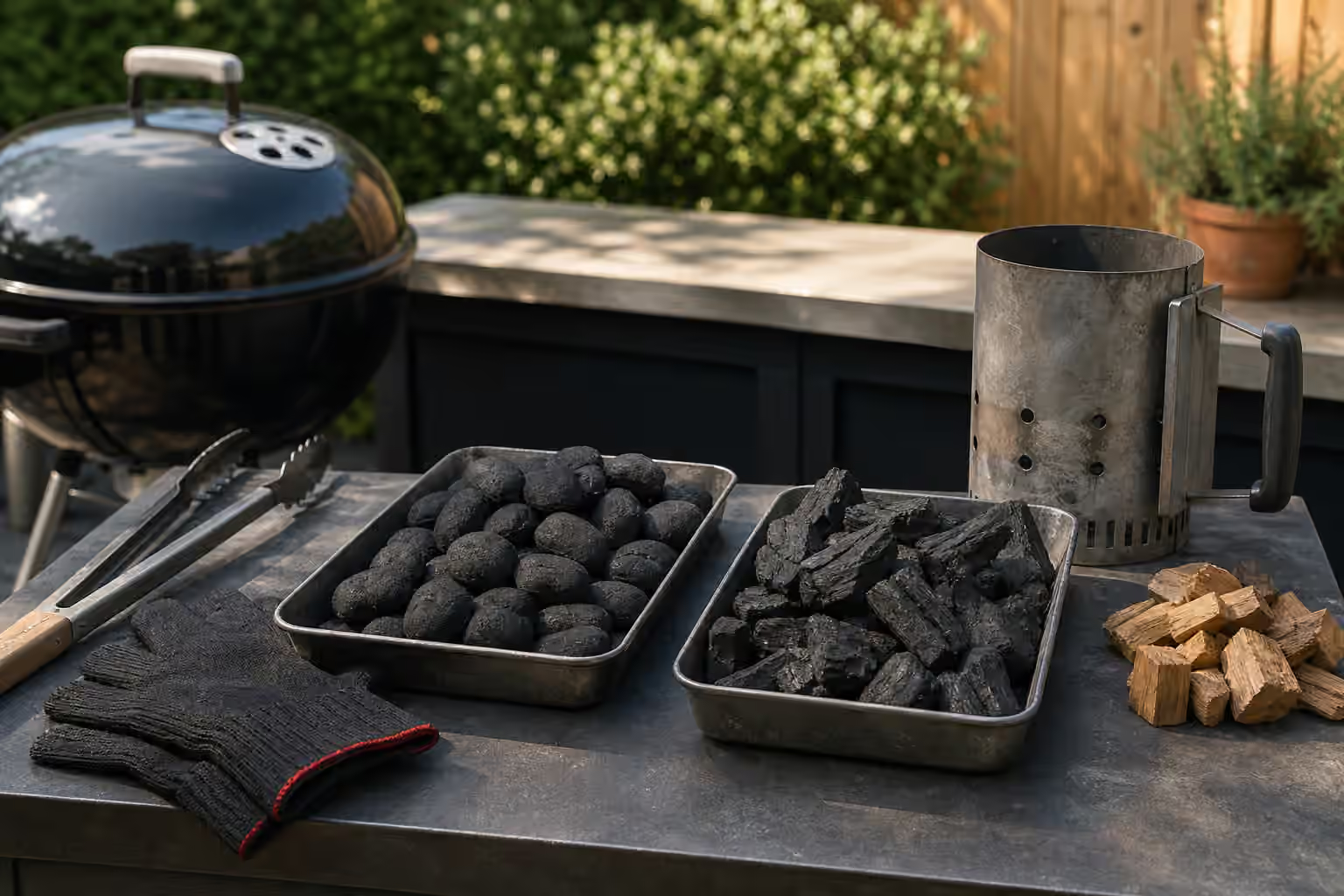
There is a persistent myth that a crusty, blackened grill is a seasoned grill, that all that baked-on residue is somehow flavor waiting to happen. It is not. Old grease turns rancid and tastes stale, caked ash chokes the airflow your fire depends on, and a neglected grill becomes progressively harder to control and more likely to catch fire in ways you did not intend. Cleaning a grill is not about vanity or turning it into a showroom piece. It is about keeping the machine predictable, so that the next cook behaves the way you expect. A grill you maintain is a grill you can trust, and a grill you can trust is one you actually enjoy using.

Clean is really about control
Every problem a dirty grill causes traces back to lost control. Accumulated grease is fuel in the wrong place, ready to flare when you least want it. A bed of ash sitting over the intake vents starves the coals of air, so a fire you built correctly dies for reasons you cannot see. Clogged burner ports on a gas grill produce uneven flames and cold patches that you will spend the whole cook fighting. Stale residue transfers its off flavors to clean food. None of these is a cosmetic complaint; each one is a variable slipping out of your hands. The reason to clean is that a clean grill has fewer surprises, and fewer surprises is the entire goal of cooking over fire.
The good news is that maintenance scales with attention. A brief habit after every cook prevents the enormous, unpleasant project that a long-neglected grill eventually forces on you. Five minutes with a scraper while the grate is still warm is easy. An hour of chiseling at cold, cemented grease is not. The cook who cleans a little, often, spends less total time cleaning and cooks on a better grill the whole way through.
The check before you light
Good maintenance starts before the fire, not after it. Before lighting, take a moment to confirm the grill is stable on its legs and clear of anything combustible that has drifted too close. On a gas grill, always open the lid before you light, so that gas cannot pool under a closed hood and ignite in a sudden whump. Glance at the grease tray to be sure it is not overflowing, since a full tray is a flare-up waiting for a reason. Check that ash is not blocking the vents on a charcoal cooker. And run your eye over the grate itself, looking for stuck wire bristles, broken or badly worn parts, and heavy residue that could end up on your food. This thirty-second inspection is the cheapest insurance in outdoor cooking.
The rhythm after you cook
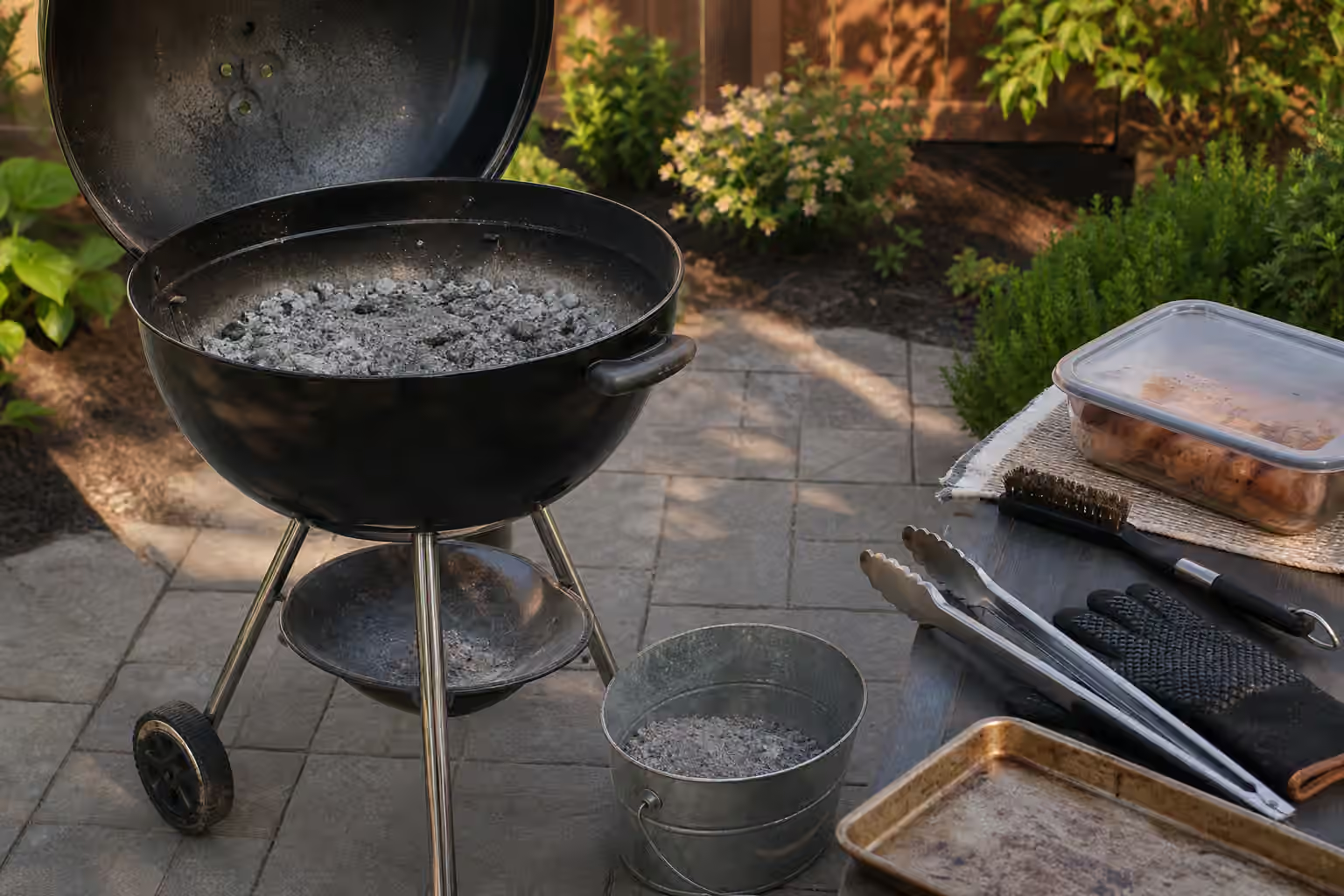
The best time to clean a grate is while it is still hot from cooking, because heat loosens residue that would otherwise set like glue. Let the fire do the first pass, then scrape or brush the warm grate with a safe tool, and let the grill cool fully before you cover it. Deal with grease once it is cool enough to handle safely, emptying trays rather than letting them fill toward the danger point. For charcoal, close the vents to smother and cool the fire completely, then dispose of ash only once you are certain it is cold, using a metal container in line with local guidance. The critical caution here is that ash lies about its temperature: a bed that looks gray and dead on the surface can hide live embers underneath for many hours, which is why ash goes into metal, never plastic, and never near anything that can burn.
The wire-brush question
Wire grill brushes are the standard tool, and they carry a real, well-documented hazard: they shed bristles, and a stray bristle stuck to the grate can end up embedded in food. This is not a reason to panic, but it is a reason to be deliberate. If you use a wire brush, inspect the grate carefully after every use and retire any brush that is fraying or losing bristles. Many cooks sidestep the risk entirely with a bristle-free scraper, a coil-style brush, a grill stone, a wooden scraper, or a ball of foil gripped in tongs. The specific tool matters less than the habit that must accompany any of them: look at the grate before food touches it, and accept no loose metal, no hidden debris, and no complacency about what you cannot see.
Maintenance on a longer clock
Beyond the per-cook rhythm, a grill rewards a slower cadence of attention. Every month or so, look over the parts that quietly wear: burners and gas hoses for damage or blockage, vents for free movement, fasteners and wheels for tightness, and the lid gasket and cover for a proper fit. Once or twice a season, give the cook box a deeper clean, clear out accumulated pellet ash on a pellet grill, replace parts that have worn past usefulness, and check that off-season storage will keep moisture and pests out. This is not a demanding schedule. It is the difference between a grill that lasts a decade and one that rusts into an annoyance in three years.
Keep it safe, keep it boring
The healthiest maintenance mindset treats the grill’s placement and condition as something that should be stable and uneventful. Set the cooker where heat, smoke, cords, fuel, grease, ash, guests, pets, and weather can all be managed, and follow the manufacturer’s instructions and your local rules, with special care around balconies, propane cylinders, charcoal ash, wind, and covered spaces. A few mistakes recur often enough to name and avoid: covering a wet grill traps moisture and breeds rust; ignoring the grease tray until a flare-up forces the issue is a fire you scheduled for yourself; warm ash in a plastic bin has started real fires; and a damaged wire brush used without inspection is how bristles reach a plate.
For the setup that makes all of this easier, see how to build a beginner grill station , read managing flare-ups to understand the grease problems cleaning prevents, and browse outdoor cooking gear that actually helps for the scrapers, trays, and covers that turn maintenance from a chore into a quick habit. A clean grill is not a cleaner hobby. It is a calmer, safer, more predictable fire every single time you cook.