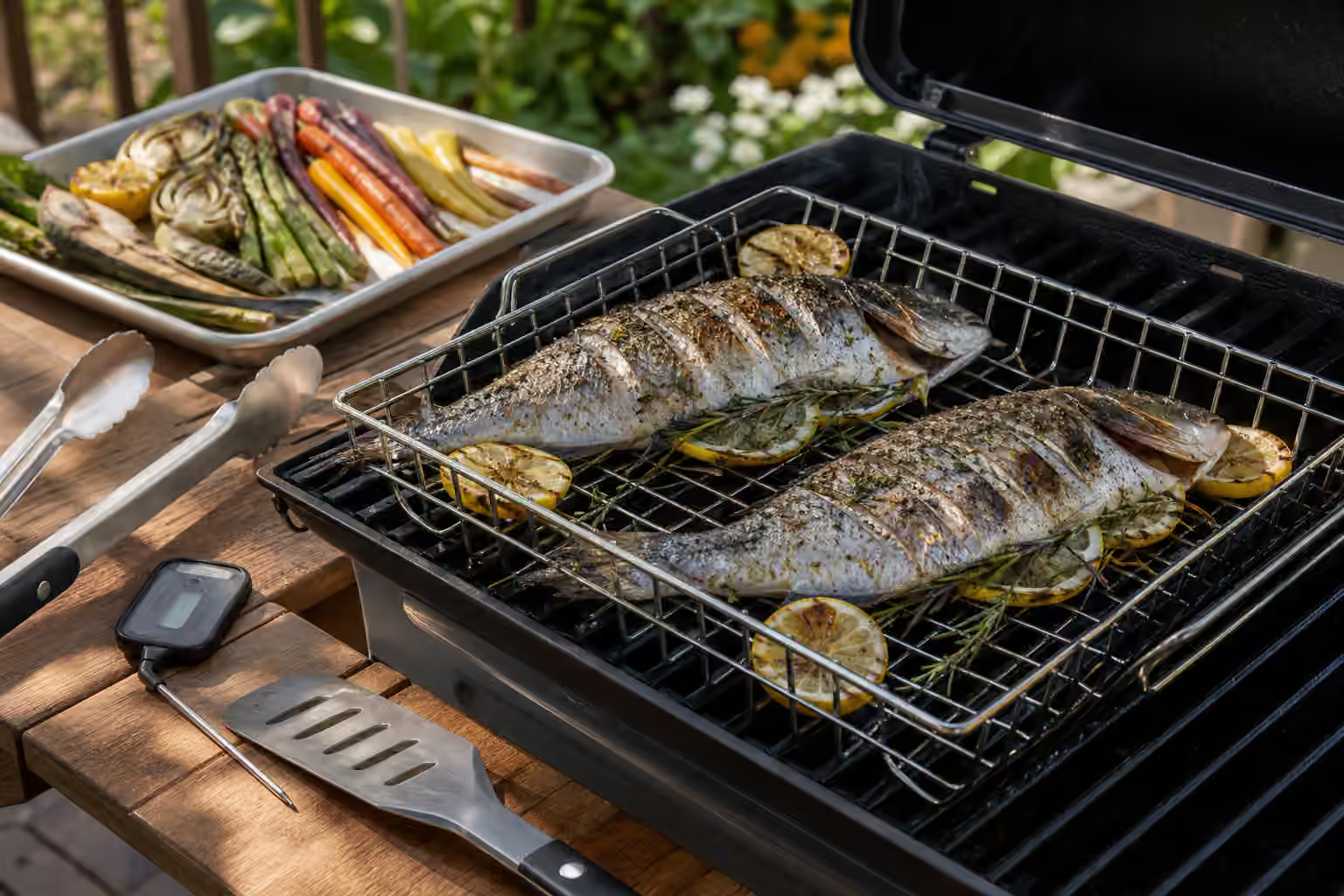
Grilling seafood scares people who grill everything else with confidence, and the fear is not irrational. Fish sticks to the grate, tears when you try to turn it, and slips from perfectly cooked to dry and chalky in the span of a minute you spent talking to a guest. But the fear leads to exactly the wrong instincts. People overhandle the fish, poke it, flip it early, blast it with heat, and pile on strong smoke, and every one of those moves makes the sticking and the dryness worse. Grilled seafood is not about force or bravado. It is about preparation, restraint, and paying close attention for a short, decisive window.

Why seafood is quick and unforgiving
Fish is lean, delicate, and full of water, which is the opposite of a tough, fatty cut that shrugs off a long cook. There is very little connective tissue to break down and very little fat to keep things moist as the clock runs. That means seafood does not need heroic time over the fire, and giving it heroic time is precisely how it fails. The muscle proteins set fast, and once they do, continued heat squeezes moisture out and leaves you with something dry and rubbery. The whole discipline of grilling seafood is getting in, developing flavor and a clean release, and getting out before that tipping point arrives.
Sticking is the other half of the problem, and it is almost always a preparation failure rather than a technique failure. Fish glues itself to a dirty, cool, or dry grate. It releases cleanly from a grate that is spotless, ripping hot, and lightly oiled, and it releases on its own schedule, not yours. A fillet that is stuck will lift freely once a proper crust has formed underneath, and trying to force it before that moment is what tears it apart. Patience at the grate is not a virtue here; it is the technique.
Match the fish to the method
Not all seafood belongs directly on the bars, and knowing which does is half the battle. Firm, meaty fish like salmon, swordfish, tuna, and halibut hold together well and can go straight onto a clean grate over the fire, standing up to the heat and even to a flip if you have earned the release. Delicate fish like flounder, sole, and thin tilapia will fall apart on open bars no matter how careful you are, and they are far happier on a plank, in a fish basket, on a perforated grill tray, or wrapped in vented foil. Shrimp and scallops cook in a couple of minutes and need room and a skewer or basket so they are easy to turn all at once rather than chased individually across the grate.
Skin is your ally with a fillet like salmon. Start it skin-side down and let the skin take the heat and the sticking, protecting the flesh above it and giving you a sturdy surface to work against. Oil the skin, give it real time to crisp and release, and you may not need to flip at all, letting the top come up to temperature from the circulating heat. The baskets, planks, and foil are not crutches or training wheels. They are simply the right tools for foods too delicate to trust to bare metal, in the same way you would not fry an egg on a rack.
Timing, temperature, and knowing when to stop
Because the window is so short, check early and check often. Fish transitions from translucent to opaque and firm as it cooks, and the moment to pull it is just as that change completes, since carryover heat will finish the center after it leaves the grill. Shrimp and scallops go firm and opaque fast; walk away from them and you will return to erasers. A thin fillet may be done in three or four minutes total, so this is not the food to put on and then go refill the drinks. Stay with it. Firm fish like tuna and swordfish are the exception that still rewards attention, since they take direct heat well but carry over aggressively once thick.
Doneness for seafood should follow current official food-safety guidance, and a thermometer earns its place with the thicker cuts where you cannot easily judge the center by eye. Shellfish that opens during cooking tells you part of its story, but opening alone is not a complete safety test, and discarding any that do not open is the conservative habit worth keeping. When in doubt, the published guidance is the reference, not the appearance.
Handling seafood safely from cooler to plate
Seafood is more perishable than most of what you grill, so it needs to stay genuinely cold right up until it hits the fire, not sitting on a warm counter while the coals settle. Keep raw seafood and its juices well away from anything cooked or ready to eat, use separate boards and tongs, and wash hands and tools after handling it. Serve grilled fish immediately on clean plates, because it does not hold or reheat gracefully, and chill any leftovers promptly rather than letting them linger. FoodSafety.gov’s safe minimum internal temperatures and its clean, separate, cook, chill guidance cover seafood specifically, and the USDA FSIS grilling food safely resource is worth a read for outdoor handling and holding.
A light hand with smoke and fire
One last piece of restraint: go easy on smoke. Delicate seafood is easily overwhelmed, and a heavy, acrid smoke wood will bury the clean, briny character that made you want to grill fish in the first place. A whisper of a mild wood, or none at all, lets the food and a squeeze of lemon carry the plate. The same restraint applies to the fire itself; you are cooking with it, not fighting it, reading where the heat is strongest and giving fragile fillets a gentler landing than you would give a steak.
To round out the skills this depends on, study direct vs. indirect heat so you can give firm and delicate fish the zones they each need, read wood for smoke to keep your smoke a whisper rather than a shout, and keep the outdoor cooking weather guide in mind on hot days when perishable seafood is on a tighter clock than usual. Grilled well, fish and shellfish are the fastest, cleanest, most rewarding thing you can cook over a fire.