There is a moment early in most people’s grilling lives when they realize they have been treating the fire as something that happens to them rather than something they command. The coals are roaring when they want them mellow, or fading when they want them hot, and it feels like weather: unpredictable, external, out of reach. It is not. A grill fire obeys two inputs almost entirely, fuel and air, and once you understand how those two levers work on your particular cooker, you stop chasing the fire and start steering it. This guide is about learning to hold that steering wheel.

Fire is fuel plus oxygen, always
A flame is a chemical reaction that needs three things: fuel, oxygen, and heat to sustain it. On a grill you generally have heat handled once things are lit, which leaves fuel and air as the two dials you actually turn. Give charcoal more oxygen and it burns hotter and faster. Starve it of oxygen and it cools and slows. This is the whole secret behind the vents on a charcoal grill: the bottom intake vent feeds air into the coals, and the top exhaust vent pulls that air through by letting the hot gases escape, creating a draft up through the fuel bed. Open both and you have a bonfire. Close them down and you have a smolder. Everything in between is a temperature you can dial in.
Gas changes the fuel side directly rather than through airflow, since the knob controls how much propane or natural gas reaches the burner. But air still matters even on gas, because combustion needs oxygen and heat still needs somewhere to move. Pellet grills automate both levers, feeding compressed wood pellets into a burn pot with a motorized auger while a fan pushes air through, which is why they hold a set temperature so steadily. But automation is not magic; it still depends on clean airflow paths and dry fuel. Understanding that all three fuel types are really just variations on the same fuel-and-air relationship is what lets you move between grills without starting over.
Lighting charcoal the clean way
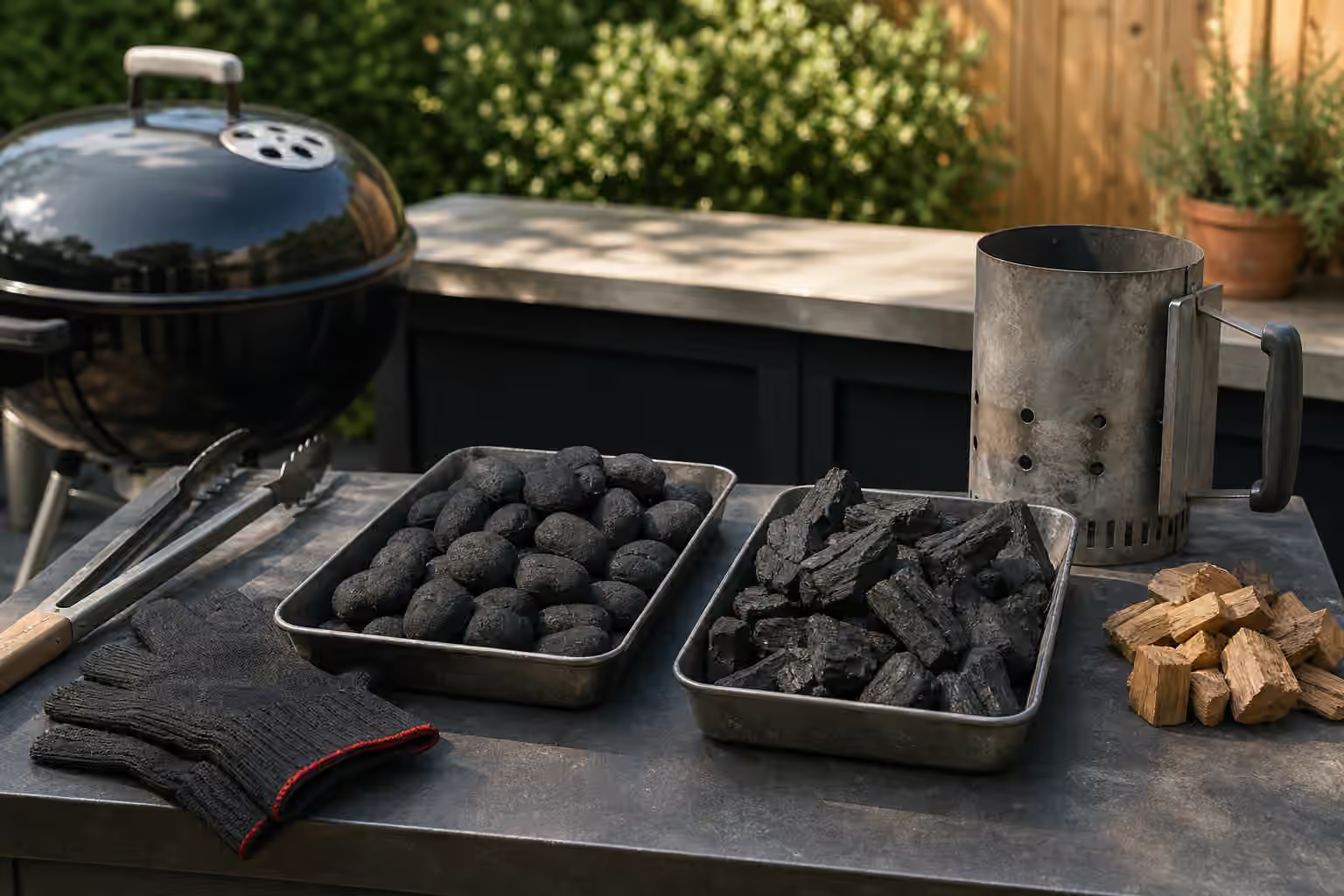
A chimney starter is the single best upgrade to a charcoal cook, and it costs almost nothing. It is a metal cylinder that you fill with charcoal and set over a couple of paper sheets or a paraffin starter cube. Lit from below, the flame draws up through the stack, igniting the coals from the bottom and spreading upward until the whole load is going. You wait until the top coals show gray, ashy edges, which tells you they are properly lit and ready to give steady heat, and then you pour. No lighter fluid, no chemical taste, no guessing whether the fire will catch. For a two-zone setup, pour the lit coals to one side. For a long, low cook, start with fewer lit coals and let the surrounding unlit charcoal catch gradually, which stretches your fuel and steadies your temperature.
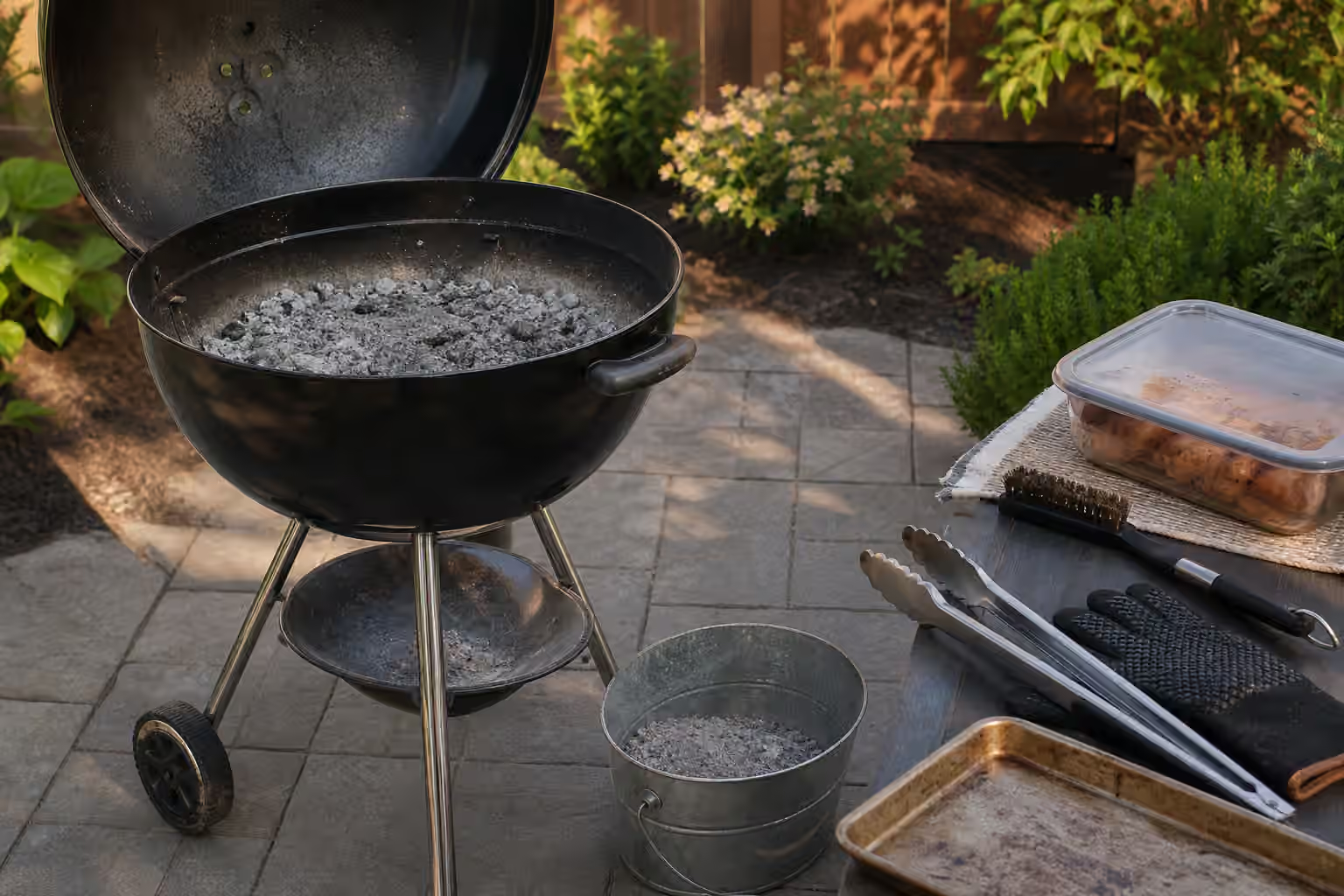
As charcoal burns it leaves ash, and ash is the quiet enemy of a good fire. A bed of ash smothers the intake, choking off the airflow that keeps the coals alive, so a fire that seems to be dying for no reason is often just buried. Managing ash, knocking it down through the grate or clearing it between cooks, is not housekeeping. It is heat management by another name.
Reading a gas grill and a pellet grill
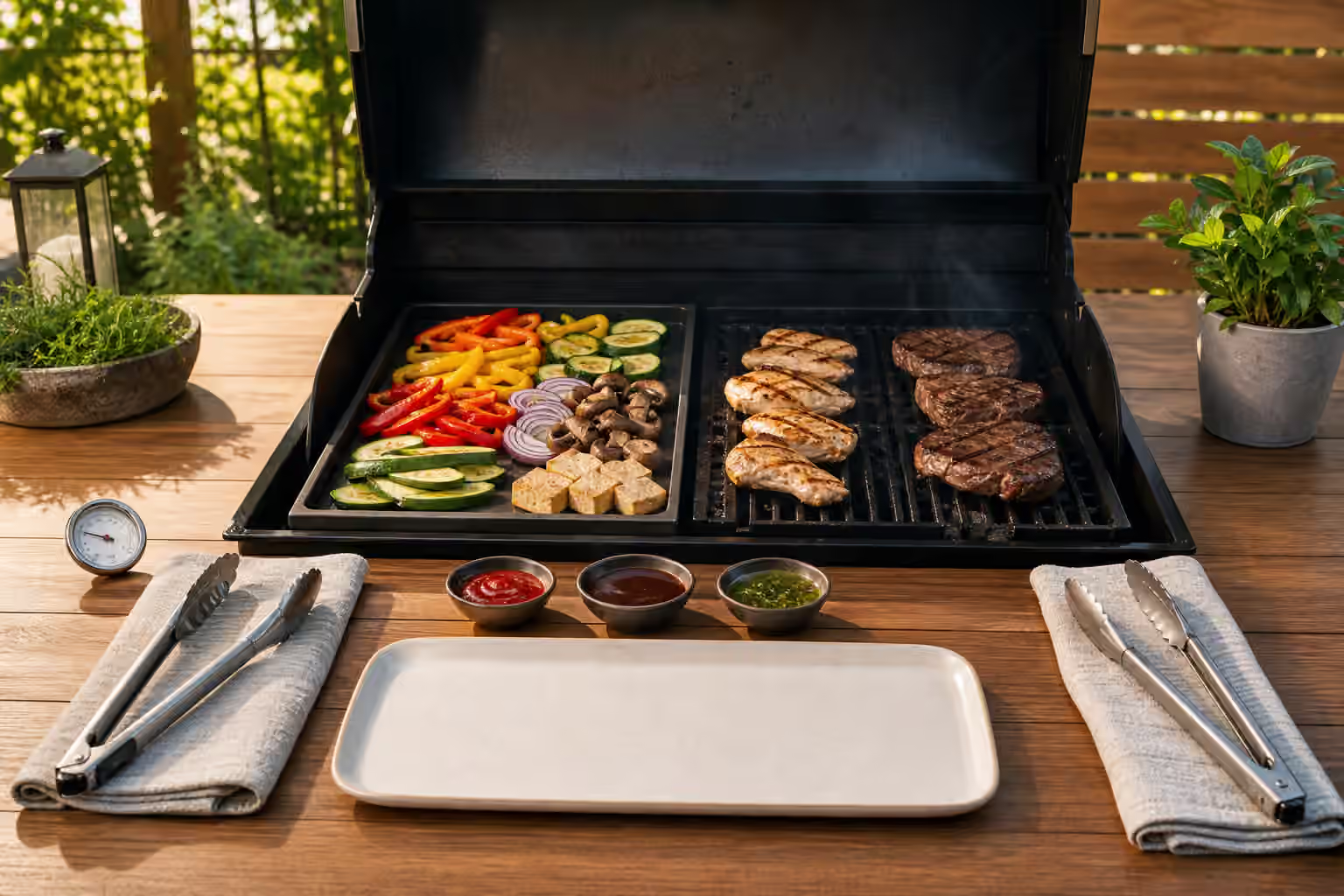
Gas grills get easier the moment you stop treating every burner as interchangeable. Preheat with everything on if you like, then build zones by turning some burners down or off, cooking over the cooler section with the lid closed so the whole cook box works like an oven. Keep the burner ports clean, because clogged ports produce uneven, sputtering flames and cold spots you will blame on yourself. Watch for grease buildup, blocked tubes, and yellow, lazy flames that signal poor combustion.
Pellet grills are superb at holding a steady convection temperature and laying down mild smoke over a long cook, which makes them forgiving for beginners. What they are not, without help, is a searing machine, because the indirect convection heat that makes them so stable does not brown the way a naked flame does. Add a hot grate, a sear plate, or a cast-iron finish when you want crust. Expect the temperature to swing gently within a range rather than holding a single number, and know that most pellet problems come down to three culprits: pellets that got damp, a burn pot fouled with ash, or a drip tray overloaded with grease. Dry fuel and a clean burn area solve more pellet complaints than any setting change.
Change one thing, then wait
The habit that ties all of this together is patience with your own adjustments. A fire does not respond instantly. When you nudge a vent partly closed or turn a burner down, the cooker takes minutes to settle into its new equilibrium, and the single most common way beginners lose control is by making a second change before the first has taken effect. They close the vent, see no immediate drop, close it further, and then the fire crashes ten minutes later. Make one adjustment. Give the cooker time to answer. Then decide whether it needs another. This is the same discipline that governs any craft built on feedback loops, and it is what turns a fire from something that surprises you into something that behaves.
Keep it legal, stable, and boring
The best fire setup is an uneventful one. Place the cooker where heat, smoke, fuel, grease, ash, wind, guests, and pets can all be managed, and follow both the manufacturer’s instructions and your local rules, with particular attention to balconies, propane cylinders, charcoal ash disposal, and covered or enclosed spaces where smoke and carbon monoxide have nowhere to go. A few common missteps are worth naming: do not close every vent at once and smother a fire you wanted alive; do not dump a pile of cold charcoal onto a short cook and expect it to recover quickly; never reach for lighter fluid once coals are already burning; and do not assume more pellets means better smoke, because clean combustion, not volume, is what makes smoke taste good.
Once fire control feels like something you own, take it to specific machines. Read charcoal BBQ basics to put the vent-and-ash logic to work, pellet grill basics to get the most from automated fuel and air, and kamado grill basics for the ceramic cookers that make airflow control almost surgical. The fire is not weather. It is a system with two dials, and now they are yours.