Chicken wings look like party food, but they are a useful test of grill control. They carry skin, fat, bone, small joints, thin edges, and uneven thickness in one compact piece. Push them too hard over direct flame and the skin scorches before the meat is ready. Baby them too gently and the skin stays soft. Sauce them too early and sugar burns. Sauce them too late and the glaze tastes pasted on. Good grilled wings need a heat plan, not bravado.
Wings need two kinds of heat
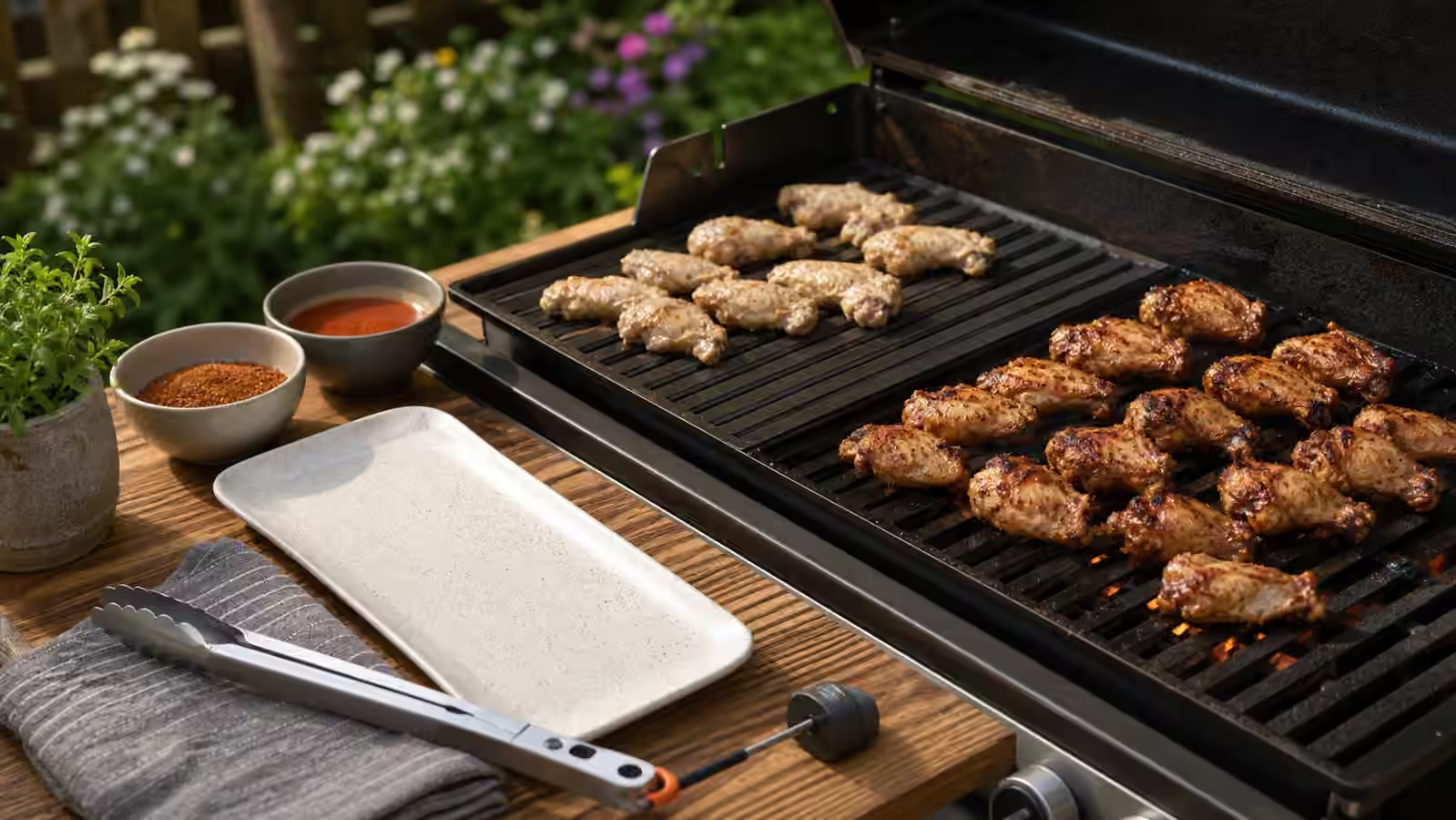
A wing needs time for the meat near the bone and heat for the skin. Those needs do not always happen in the same place on the grill. Direct heat gives browning, rendering, and crisp edges. Indirect heat gives the wing time to cook through without sitting in flare-ups. That is why wings naturally belong with Two-Zone Grilling . A hot side and a cooler side let the cook move wings instead of accepting whatever the fire does first.
The best rhythm often starts away from the strongest heat. Let the wings warm through and begin rendering on the cooler side with the lid closed. Then move them toward direct heat in shorter turns to tighten and brown the skin. This is not the only method, but it keeps the cook from confusing blackened sauce with crisp skin. If the wings are already deeply colored but still not safely cooked, they need the cooler zone. If they are cooked but pale and soft, they need a careful finish near stronger heat.
Dry skin matters more than thick marinade
Wet wings fight browning. A heavy marinade can taste good, but if it clings thickly to the skin, it may steam, drip, and burn before the wing has a chance to crisp. Salt, air, and surface dryness often do more for grilled wings than a bowl full of sweet liquid. Pat the wings dry before seasoning. If time allows, season ahead and let the surface dry under refrigeration, following food-safety habits. Even a short uncovered rest can help the skin behave better than wings pulled from a wet bag and thrown over flame.
Seasoning, Salt, Rubs, and Marinades explains why salt timing and surface moisture matter. Wings can handle pepper, chile, garlic, paprika, herbs, citrus zest, and warm spices, but sugar should be used with restraint if the wings will see direct heat. A dry rub does not need to be caked on. Thin, even seasoning leaves room for the skin to render and for sauce or finishing acid to matter later.
Arrange the grate before the wings arrive
Wings are small, so a chaotic grate turns into a crowded job quickly. Build the heat map first. On charcoal, bank coals to one side and leave a clear indirect area. On gas, use burner zones and leave one section gentler. On a pellet grill, understand that the cooker may behave more like a hot outdoor oven than a searing grill unless it has a strong direct-heat option. The setup should give every wing a safe place to go when fat starts dripping.
Keep the raw tray, clean tray, and tools separated. Wings invite casual turning, and raw poultry tools can drift into finished-food service if the station is not planned. Grill Food Safety Workflow is especially relevant because wing batches often move fast. The clean platter should be waiting before the first wing leaves the grate. Sauce bowls for finished wings should not sit beside raw poultry juices.
Render before you chase crispness
The skin on a wing contains fat that needs time to render. If the wing is blasted over direct flame from the start, the surface may blister and char while fat remains trapped underneath. Start with moderate indirect heat, lid closed, and space between pieces. Let the wings cook until they have taken on color and the skin looks less raw and flabby. Turn them enough for even cooking, but do not move them constantly. Constant motion cools the surface and hides what the grill is telling you.
Once the wings are mostly cooked, direct heat can finish the skin. Work in small batches if needed. Move the wings over hotter heat, turn frequently, and watch for flare-ups. Rendered fat can feed flame fast. If flames climb around the wings, move them back to the cooler zone and let the fire calm. Managing Flare-Ups is not only a steak skill. It is a wing skill because every wing carries enough fat and skin to make the fire enthusiastic.
Sauce is a finish, not a disguise
Sweet sauces burn when they sit over hard heat for too long. A tangy hot sauce butter, a vinegar glaze, a sticky barbecue sauce, a honey-chile finish, or a mustard glaze can all work, but timing decides whether the sauce tastes glossy or bitter. Apply sticky sauces late, after the wings are close to done and the skin has already developed. Let the sauce set briefly over gentler heat, then serve. If the sauce is fresh, herb-heavy, yogurt-based, or very acidic, it may belong in a bowl after cooking rather than on the grate.
BBQ Sauces, Glazes, and When to Apply Them gives the larger rule: sugar and direct heat require patience. Wings make that rule obvious because they have many corners and edges. A thin glaze can set quickly. A thick sauce can mask texture. Tossing finished wings in sauce gives stronger coverage but can soften skin. Brushing gives more control but may leave bare spots. Neither is wrong. Choose based on the texture you want.
Thermometer checks still belong here
Wings are awkward to check because they are small and bony, but that does not remove the need for a thermometer. Insert into the meatiest part without touching bone. Check several wings, especially if the grate has hot and cool areas. A batch can contain larger drumettes, smaller flats, and pieces that sat closer to direct heat. Do not assume the darkest wing is the safest or the palest wing is raw. Color is a clue, not a guarantee.
Grill Thermometers and Doneness is worth reading before wing night because the tool needs a habit. Keep the thermometer close enough that checking is easy. Wipe or clean it as needed. Use it before sauce makes the surface harder to read. The cook who checks calmly can finish wings with confidence instead of overcooking the whole batch out of fear.
Smoke can help, but it should stay light
Wings can take smoke quickly. A small amount of clean wood smoke can make them taste more like outdoor food without turning them heavy. Too much smoke, especially from smoldering chips or poor airflow, can make skin bitter. If the wings are sauced, remember that sauce, fat, smoke, and char all compete. The best wing flavor often comes from restraint: salt, clean heat, a little smoke, and a finish that does not bury everything.
The smoke habits from Smoke Flavor Without Bitterness apply directly. Use clean-burning fuel. Avoid choking the cooker until the smoke turns stale. Do not add wood simply because there is still space for it. With wings, the cook is often chasing skin texture and batch timing, so smoke should support the plan rather than become another problem to manage.
Serve wings in waves
Wings are often eaten with fingers, sauces, napkins, and sides, which makes serving logistics part of the cook. A giant pile can steam and soften. A rack over a tray can protect texture better than a deep bowl. If guests are arriving in waves, cook in batches and keep raw and cooked tools strictly separated. If the wings are sauced, expect them to lose crispness over time and plan the table accordingly.
Resting, Holding, and Serving helps here because wings need enough pause to settle but not so much holding that the skin collapses. Keep sauces, pickles, slaw, celery, grilled bread, and drinks away from raw prep. When leftovers happen, cool and store them with the discipline from Grill Leftovers and Next-Day Meals . Wings are casual food, but casual does not mean careless.
The wing standard
A good grilled wing has cooked meat, rendered skin, controlled char, and sauce that tastes intentional. It was not abandoned over direct flame. It was not steamed under a wet coating. It was not sauced as a cover for poor heat control. The cook used a two-zone setup, dried the surface, managed flare-ups, checked doneness, and finished with restraint. That sounds like a lot for a small piece of chicken, but once the rhythm is built, wings become one of the clearest ways to learn the grill.