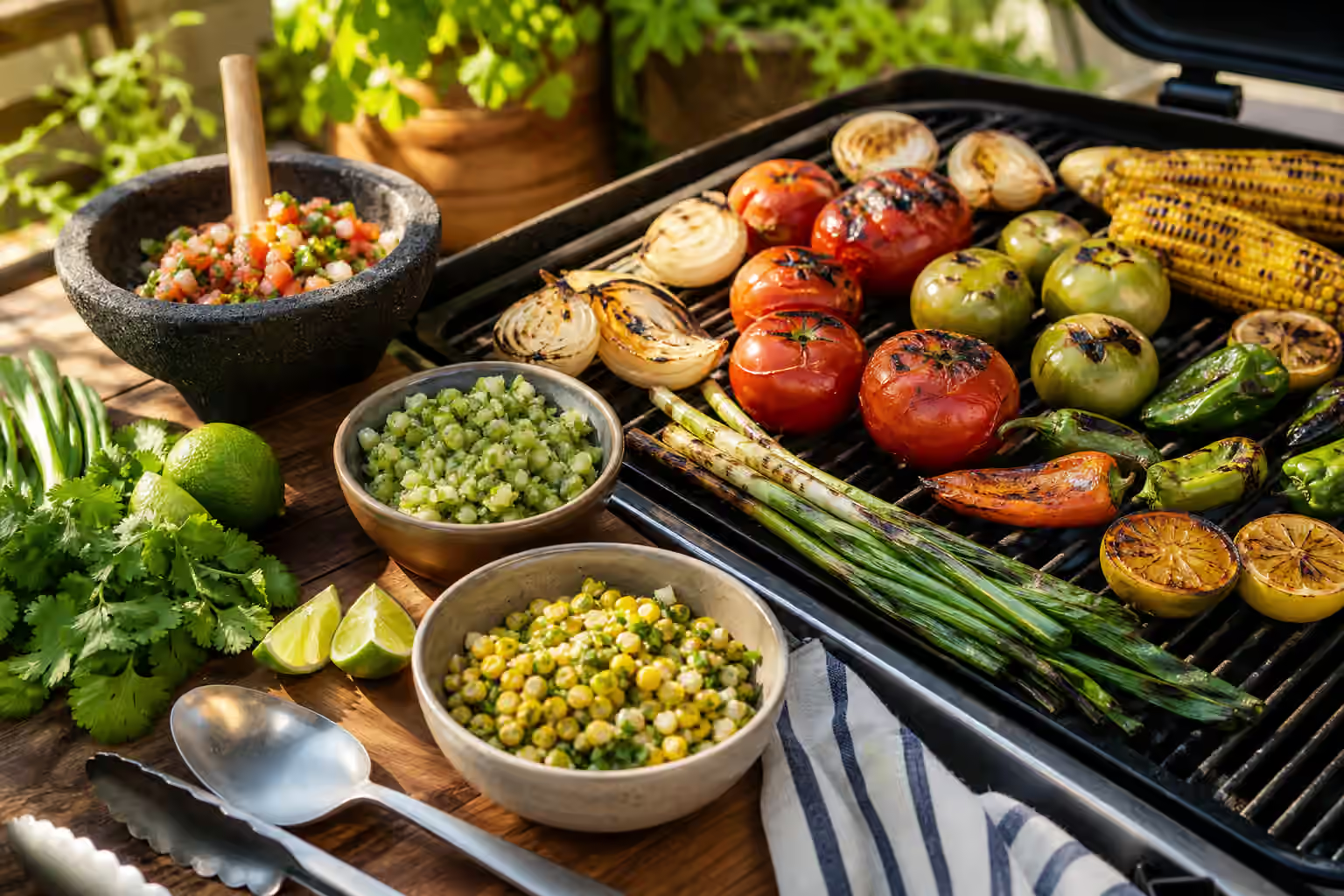
A grill can make a sauce without simmering a pot. Tomatoes blister, tomatillos soften, peppers darken, scallions collapse into sweetness, corn picks up smoke, and citrus turns rounder at the cut face. Chopped with salt, acid, herbs, and a little patience, those ingredients become the bright finish that grilled food often needs. This is different from a heavy barbecue glaze. Charred salsas and relishes should sharpen the meal, not cover it. They bring fire, freshness, crunch, and acid back to food that may be rich, smoky, or deeply browned.
Char is seasoning, not a blanket
The useful flavor in a charred salsa comes from contrast. A tomato can taste sweeter after the skin blisters, but if every surface is burned black, the salsa turns bitter. A pepper can gain smoke and depth, but if the flesh collapses into ash, the heat has taken over. Corn can taste toasted, but it still needs juiciness. Char should appear in spots, edges, and skins, not as a uniform layer of punishment.
The guide to Searing Without Scorching applies here even though the food is mostly vegetables. Browning and charring are tools. Scorching is a mistake that asks acid and salt to hide it later. Start with moderate direct heat for tender ingredients, stronger heat for sturdy peppers or corn, and a cooler zone where finished pieces can wait without continuing to burn.
Choose ingredients by water and skin
Tomatoes and tomatillos contain a lot of water. They soften quickly, and their skins may blister before the centers collapse. Roma-style tomatoes and firm tomatillos are easier to handle than very ripe slicing tomatoes that burst through the grates. Peppers vary widely. Thin sweet peppers cook quickly. Larger peppers and chiles can be charred, steamed briefly if you want to loosen skins, then peeled or chopped depending on texture. Onions and scallions need time for raw sharpness to mellow. Corn needs turning so it chars in patches instead of drying on one side.
Vegetables, Fruit, and Plant-Forward Grilling gives the broader habit: cut by cooking speed, oil lightly, salt with intention, and finish with acid. For salsa, cut size also controls texture. Large tomato halves may need a basket or careful turning. Scallions can fall through if placed across the bars poorly. Corn can be grilled whole, then cut from the cob. Citrus halves need only brief contact on the cut face.
Keep the fire clean
Fresh finishes reveal dirty grill flavor quickly. A salsa made with tomatoes cooked over old fish grease or stale rib drippings will taste muddy no matter how bright the lime is. Clean grates matter, and so does the fire itself. If smoke is heavy and gray because airflow is poor, delicate vegetables will taste bitter before they taste roasted. Smoke Flavor Without Bitterness is as useful for salsa as it is for ribs.
This does not mean the grill must be sterile. A little wood smoke, charcoal aroma, or griddle browning can make salsa taste alive. The difference is clean heat. Let the fire settle, scrape the grate, and avoid loading oiled vegetables directly over flare-prone grease. If the main course left the grill messy, clean before the salsa course or use a griddle, basket, or cast-iron pan as a cleaner surface.
Texture decides the method
Charred salsa can be chunky, crushed, blended, or somewhere between. A chunky relish keeps the identity of each ingredient. It is good with steak, fish, tofu, sausages, grilled mushrooms, and tacos because it adds texture. A crushed salsa made in a bowl or mortar feels more integrated and can cling to food. A blended salsa is smoother and useful when tomatillos, peppers, and onions need to become one sauce. The grill does not decide this. The serving plan does.
If the salsa will sit on Grilled Tacos, Tortillas, and Fillings , a spoonable texture matters. If it will accompany Steak on the Grill , a chopped relish may be better because it does not flood the plate. If it will finish Fish and Seafood on the Grill , keep the texture light and the smoke modest so the seafood does not disappear.
Acid and salt finish the work
Grilled vegetables often taste flatter than expected until acid and salt bring them into focus. Lime, lemon, vinegar, pickled brine, or chopped pickles can brighten a salsa. Salt makes tomato taste more like tomato and pulls sweetness from corn and onion. The adjustment should happen after the ingredients are chopped or crushed, because water release changes the balance. A salsa that tastes perfect while warm may taste muted after it cools.
Fresh herbs should be added with care. Cilantro, parsley, mint, basil, oregano, dill, chives, and scallion greens can all work, but they do not all belong together. Add herbs after the hot ingredients have cooled slightly so they stay vivid. Raw onion, garlic, or chile can restore sharpness if the grilled ingredients became too sweet. A little oil can round the finish, but too much makes the salsa heavy.
Relishes for rich food
Relish is a useful word because it suggests small, sharp, and intentional. Grilled corn with lime, scallion, and chile can lift pork or chicken. Charred onion with vinegar and herbs can cut through sausages. Grilled citrus and chopped herbs can wake up fish. Tomato, pepper, and cucumber can make a smoky table feel fresher. These finishes are especially helpful when the main food is fatty, smoky, or slow-cooked.
Pork Shoulder and Pulled Pork Without Rushing and Brisket Without Panic both benefit from restraint at the finish. A heavy sweet sauce is not the only option. A sharp relish can make rich meat easier to eat and can also make leftovers feel less repetitive the next day. Grill Leftovers and Next-Day Meals becomes more useful when a small bowl of bright finish is ready.
Keep perishable additions honest
Fresh finishes often invite dairy, mayonnaise, yogurt, cheese, cooked beans, or cooked grains. Those ingredients can be excellent, but they change the storage and serving plan. Keep cold items cold until needed. Do not leave creamy sauces beside the grill for the whole cookout. Use clean spoons. Move leftovers toward storage rather than letting a half-used bowl sit in warm sun because it still looks good.
The salsa itself also changes over time. Salt draws water. Acid softens texture. Herbs darken. A grilled tomato salsa may taste best after a short rest, while a corn relish may lose crunch if it sits too long. Build the finish close enough to serving that it still has contrast, or hold ingredients separately and combine them when the main food is ready.
Brightness is a grill skill
Charred salsas and relishes teach an important outdoor cooking lesson: not every improvement is more smoke, more sauce, or more time over heat. Sometimes the cook needs the opposite. A squeeze of lime, a chopped grilled scallion, a spoon of tomato and pepper, or a crisp corn relish can make the fire taste cleaner because it gives the palate somewhere to go.
Start with one ingredient that wants the grill and one ingredient that should stay fresh. Char tomatillos and keep cilantro raw. Grill corn and add lime at the table. Blister tomatoes and finish with raw onion. Once that contrast makes sense, the grill becomes more than a place to brown the main course. It becomes the source of the small finishes that make the whole plate feel awake.