Wrapping is not a secret handshake. It is a tradeoff. Foil, butcher paper, and no-wrap cooking all change how heat, steam, smoke, bark, fat, and time behave around the meat. A good cook does not wrap because a clock said so or because a photo looked right. A good cook reads the surface, thinks about the meal schedule, and chooses the least disruptive way to finish the texture. The point is not to make every brisket, rib rack, or pork shoulder follow one rule. The point is to understand what the wrapper is doing.
Wrapping changes the cooking environment
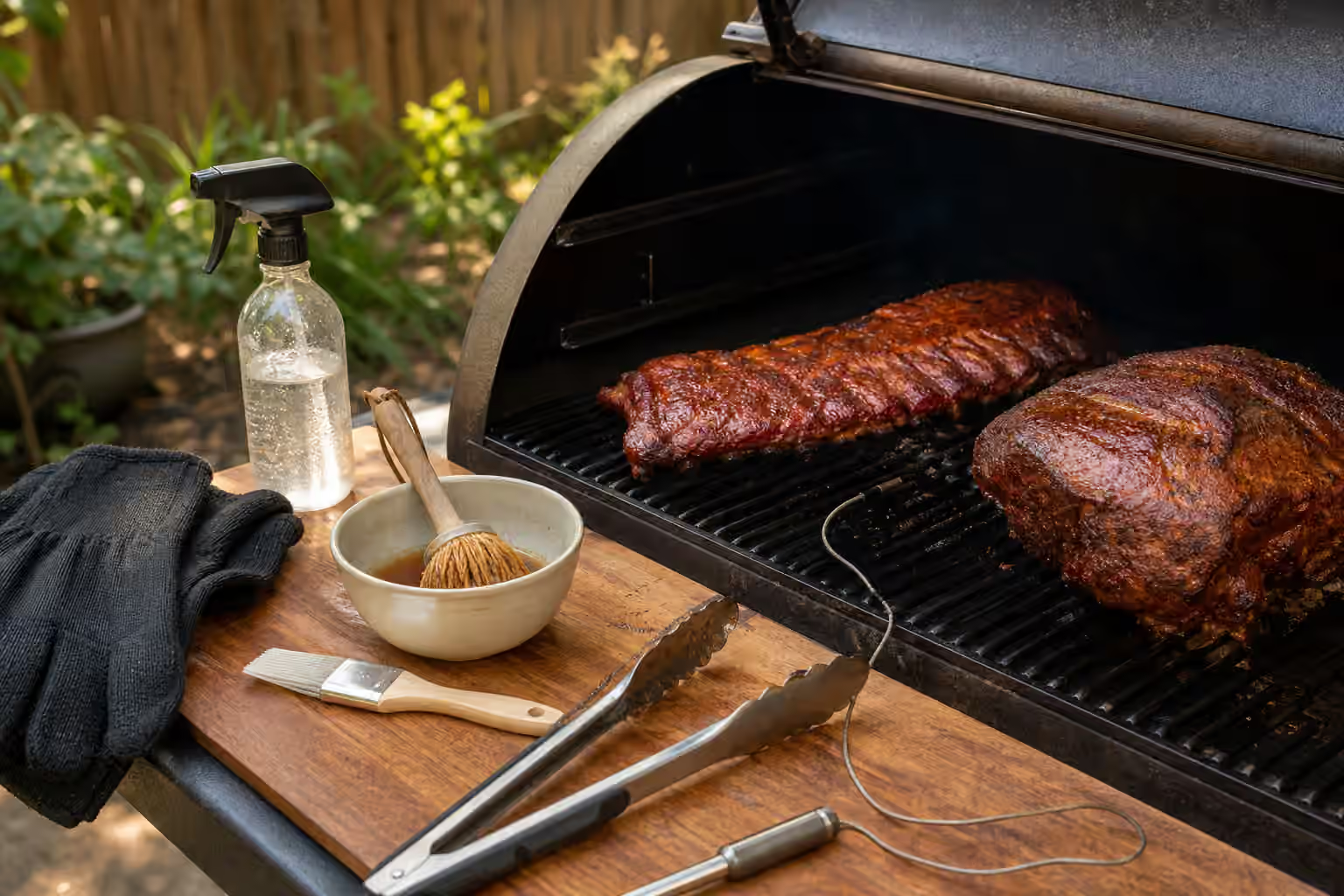
An unwrapped piece of BBQ sits in the smoker’s air. Its surface dries, takes smoke, builds bark, and loses moisture to evaporation. That evaporation cools the surface, which is one reason large cuts can stall. A wrap traps more of that moisture and heat close to the meat. The cook may move through a stubborn stretch faster, but the surface also becomes more humid. Bark can soften. Rub can smear. Fat and juices collect instead of dripping away.
That is why wrapping belongs beside BBQ Bark, Smoke Rings, and Texture . Bark is not only color. It is dried surface, rendered fat, seasoning, smoke, and time. If the bark is still pale, wet, or loose, an early wrap can trap it before it has become itself. If the bark is already set and the meat still needs hours of tenderness, a wrap can protect the schedule without erasing all the work.
Foil is a tight, steamy environment
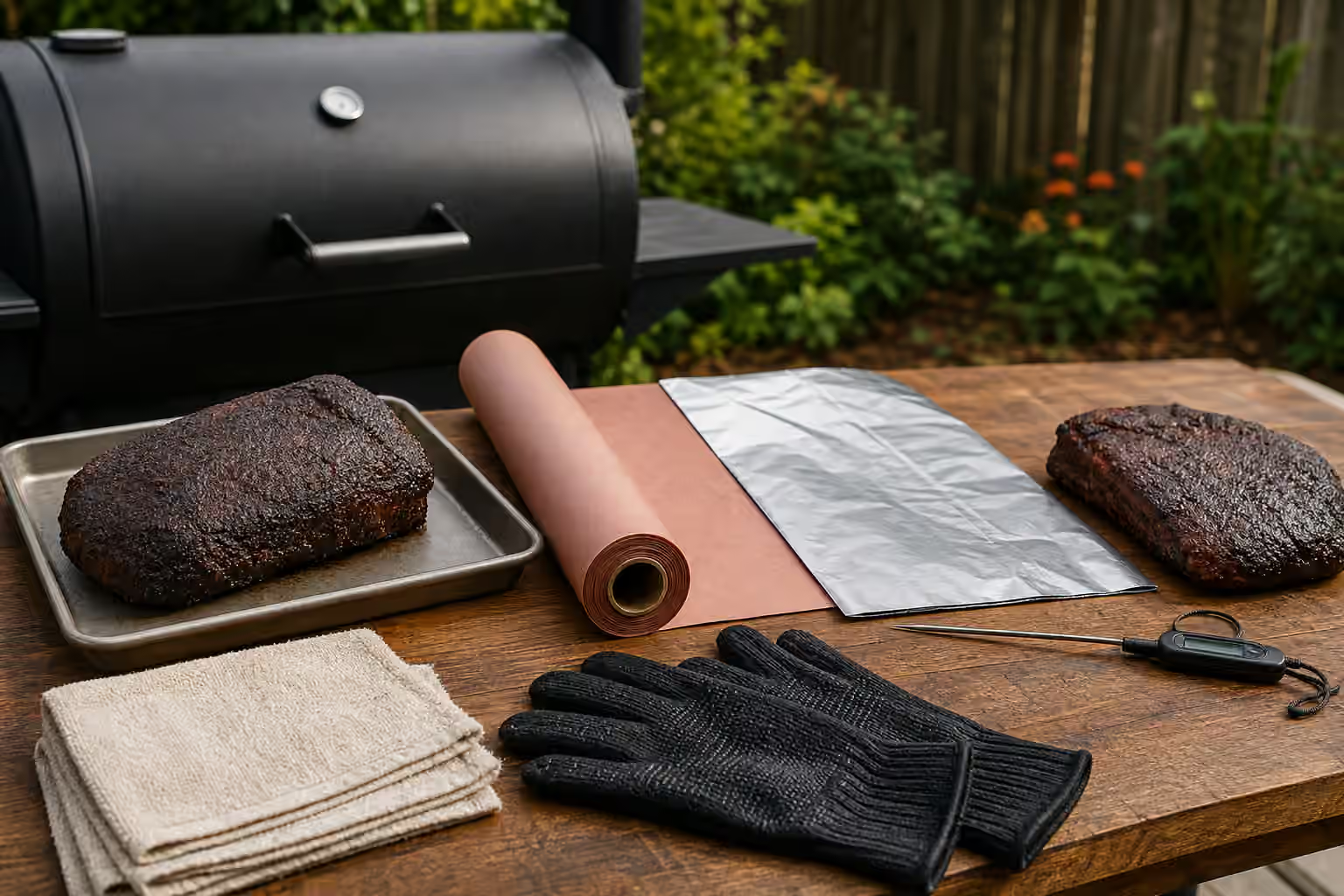
Foil is the most aggressive common wrap. It traps steam well, holds juices close, and speeds softening. That can be useful for ribs that need tenderness, pork shoulder that has enough bark but needs to finish, or a brisket that is drying at the edges while the center lags. Foil is also easy to fold tightly, which limits evaporation and creates a braising pocket around the meat.
The cost is texture. Foil can soften bark quickly. It can make a rib rack taste more braised than smoked if used too long. It can collect enough liquid that the bottom of the meat loses crust. None of that is automatically bad. Some cooks want a softer rib bite or a gentler pork shoulder finish. The mistake is pretending foil has no effect. If the goal is a firm bark, foil should be used late, briefly, or not at all.
Foil also hides the meat from direct observation. Once wrapped, the cook has to rely more on probe feel, thermometer readings, time, and experience. Opening the packet repeatedly releases steam and makes the wrap less useful. If you wrap, wrap with intention and leave the packet alone long enough to matter.
Butcher paper breathes more than foil
Plain unwaxed butcher paper creates a looser environment. It protects the surface, limits harsh drying, and moves the cook along without trapping steam as completely as foil. It can absorb some rendered fat and cling to the bark in a way that feels less like a sealed pouch. That is why many cooks like it for brisket, where bark texture and long rest are central to the result.
Paper is not magic. If it is used before bark sets, it can still smear seasoning. If it is wrapped loosely, it may leak or dry more than expected. If it is confused with coated, waxed, printed, or unsuitable paper, it can create problems. Use food-appropriate plain paper meant for cooking applications, and keep printed or unknown materials away from the smoker. The wrapper is touching food for a long time in heat; treat that contact seriously.
Paper also works best when the cook accepts that it will get greasy. That is part of the job. Put the wrapped meat on a tray when moving it, and plan for the rest. A paper-wrapped brisket or shoulder should not be carried casually over clean towels, phones, or a serving table.
No wrap is a real choice
No-wrap BBQ is not a failure to intervene. It is a choice to let the surface keep building and drying in the smoker environment. This can produce a firmer bark, deeper exterior texture, and a more direct relationship with the fire. It also asks for patience. The cook may spend more time in the stall. The edges may need protection through heat control rather than packaging. The meat may finish later than the schedule hoped.
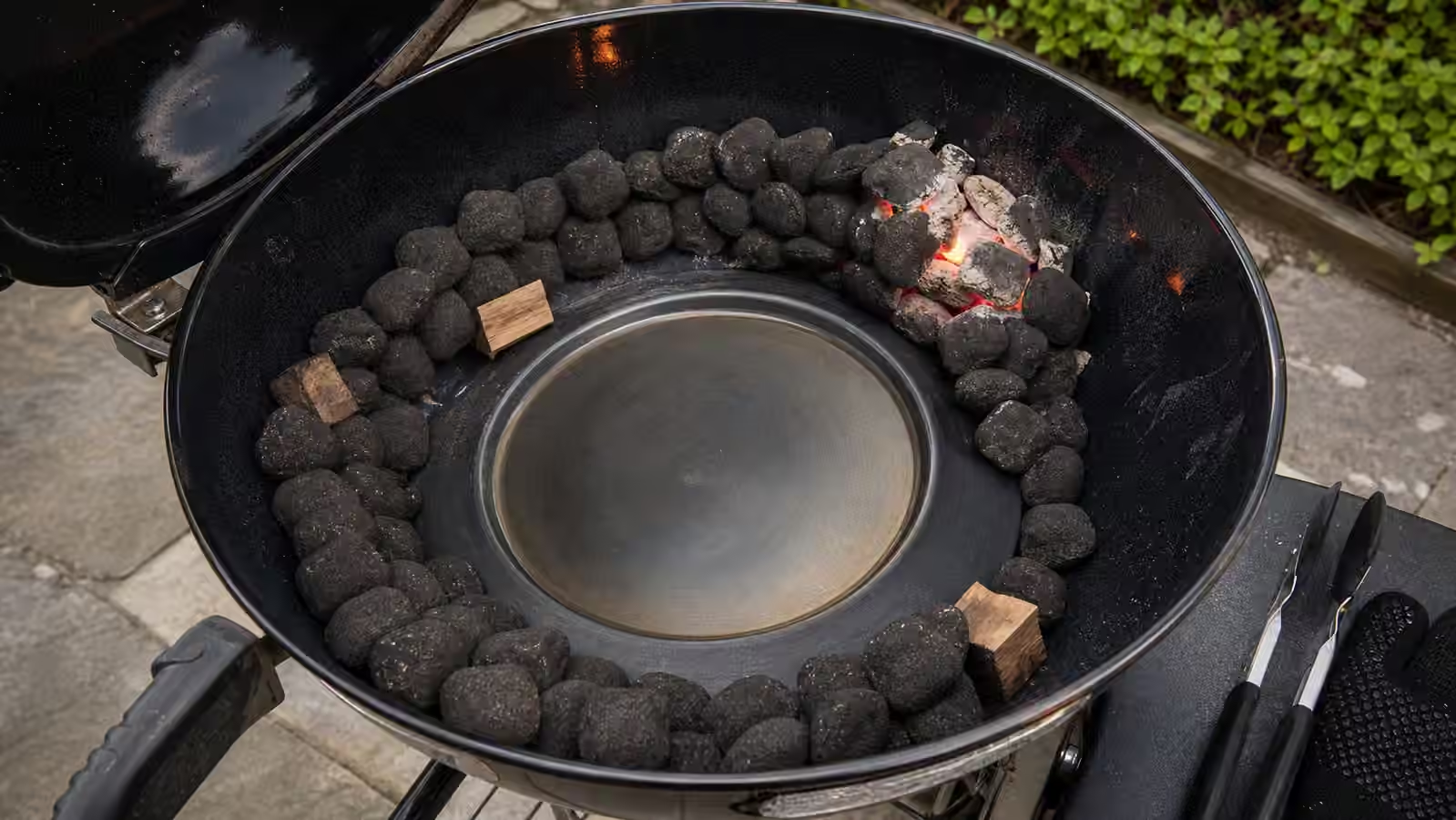
No-wrap makes the most sense when the cooker is stable, the meat has enough fat and size to tolerate the time, and the cook is not chasing a narrow serving deadline. It also works better when the smoke is clean. Smoke Flavor Without Bitterness matters here because an unwrapped surface is exposed to the cooking chamber the whole time. A dirty fire has more opportunity to leave harsh flavor.
The no-wrap approach does not remove the need for rest. A brisket, pork shoulder, or rib rack still needs time off the heat for carryover, pressure, and slicing or pulling texture to settle. The guide to Resting, Holding, and Serving is part of this decision, not a separate afterthought.
Read the surface before the clock
Wrapping by time alone is unreliable because meat size, trim, rub, humidity, cooker type, airflow, and fuel all change the surface. A small rib rack may set bark quickly. A thick pork shoulder may need longer. A brisket with a heavy fat cap may look ready in one area and soft in another. The better cue is surface behavior. Does the rub stay put when touched gently with a gloved finger? Is the color where you want it? Has the exterior dried enough to feel like bark rather than paste? Is the meat taking smoke cleanly, or is the chamber getting too harsh?
Temperature matters, but it is not the only cue. Many cooks wrap large cuts around the stall because evaporation is slowing the climb, but the stall is not a command. It is a moment to decide. If the bark is weak, wait. If the bark is strong and dinner has a real deadline, wrap. If the cooker is steady and no one is hungry yet, no wrap may be the better path.
Cut-specific decisions
Ribs often show the wrapping tradeoff clearly. Foil can make them tender faster and can carry butter, sauce, sugar, or other flavoring if that is the style, but it can also make the surface soft. No-wrap ribs may have better bark and a cleaner smoke profile, but they need careful heat and moisture management. If saucing, BBQ Sauces, Glazes, and When to Apply Them becomes part of the same timing decision.
Brisket is more sensitive to bark, fat rendering, and rest. Foil can rescue a schedule but may soften the surface. Paper can protect without steaming as hard. No wrap can be excellent when the cooker and timing allow it. Brisket Without Panic is the place to connect the wrapper to trimming, slicing, and expectations.
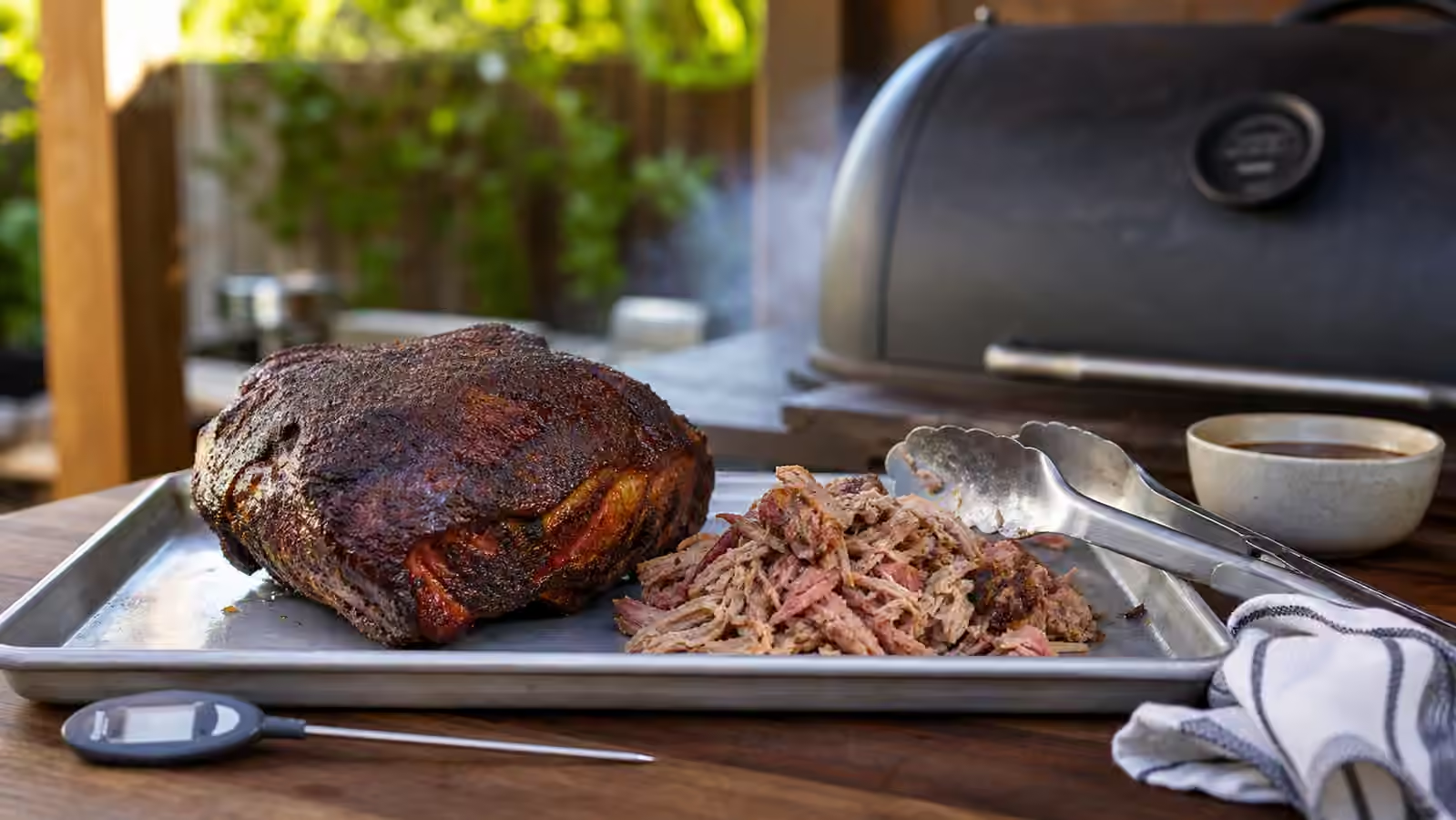
Pork shoulder is forgiving enough to teach the lesson well. A wrap can help push through the stall and collect juices for pulling. No wrap can build a stronger crust and deeper exterior flavor. Either way, the shoulder still has to become tender, not just hot. Pork Shoulder and Pulled Pork Without Rushing is the better companion than a rigid wrapping formula.
Wrapping should make the cook calmer
A wrap is useful when it solves a real problem: the schedule is slipping, the bark is set but the interior needs time, the edges need protection, or the cook wants a softer finish. It is less useful when it hides poor fire control, weak bark, or impatience. Before wrapping, ask what you are trying to preserve and what you are willing to give up. Foil gives speed and steam. Paper gives protection with more breathability. No wrap gives surface development and patience.
The best BBQ cooks do not treat wrapping as a badge. They treat it as a lever. The meat, the fire, and the meal decide how hard to pull it.