Bark, smoke ring, and texture are the three things people photograph after a long cook, and they are also the three things most likely to be misunderstood. Bark is the dark, seasoned crust that forms on the outside of smoked meat. The smoke ring is the pink band just beneath it. Texture is everything you actually feel when you bite in. Of the three, only texture reliably tells you whether the cook succeeded, yet the first two get most of the attention. This guide is about reading those signals honestly so that a handsome exterior never talks you into serving meat that is underdone, tough, or dry.

What bark actually is
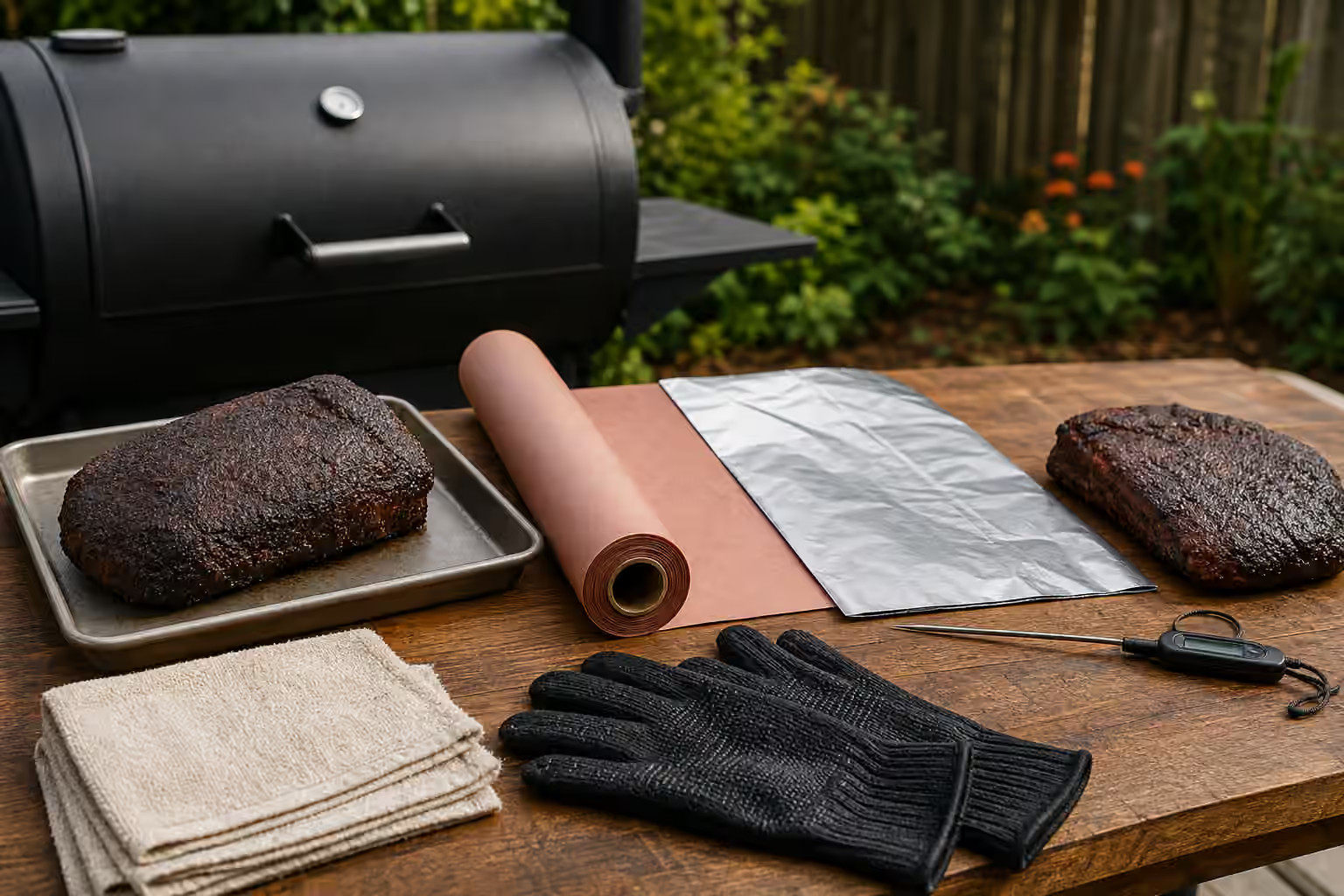
Bark is not burned rub, and it is not paint. It is the result of several slow processes happening at once on the meat’s surface. Salt and spices dissolve into a thin film of surface moisture, that film concentrates as water evaporates, and the proteins and sugars underneath brown through the same reactions that darken a seared steak or a crust of bread. Smoke particles settle into that tacky layer and become part of it. Rendered fat migrates outward and adds richness. Given enough time in dry, moving air, all of that sets into a crust that is savory, textured, and deeply colored without being gritty or acrid.
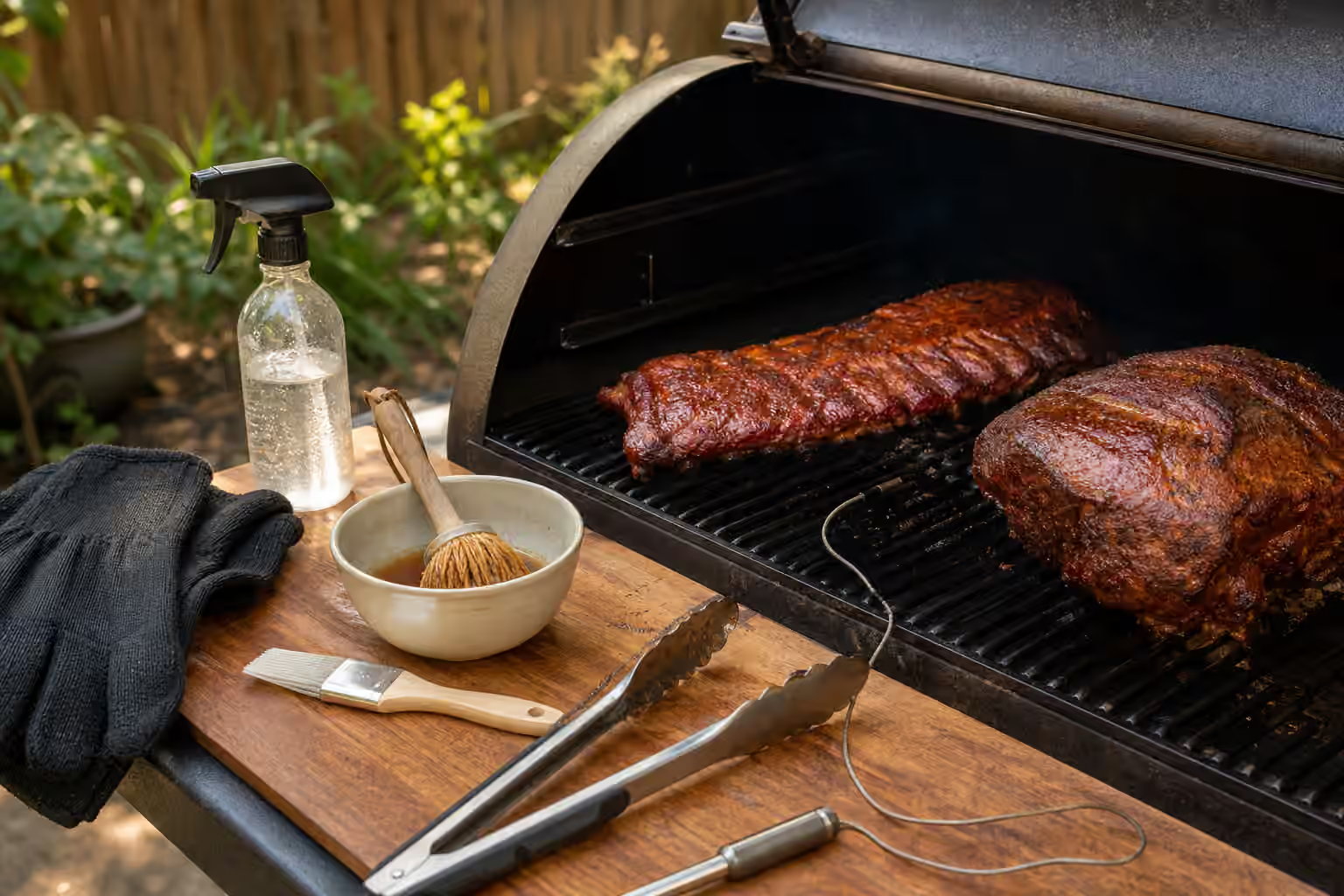
Because bark depends on the surface drying, anything that keeps the surface wet will slow it down. That is not automatically bad. Early in a cook, a moist surface helps smoke adhere and gives seasonings time to bloom. Late in a cook, that same moisture is what stands between you and a firm crust, which is why over-eager spritzing is the most common reason bark stays pale and soft. The useful mental habit is to keep asking one question through the whole cook: is the surface drying, seasoning, and browning in a way that looks appetizing? If the answer drifts toward wet, sooty, or sticky, a variable needs adjusting.
The smoke ring is a color effect, not a grade
The smoke ring is genuinely appealing and genuinely misunderstood. That pink band forms when gases from combustion react with pigments in the meat near the surface, locking in a rosy color that survives cooking. It is a chemical reaction, not a report card. A deep ring does not mean the meat is safe, and a thin one does not mean it is bad. Plenty of championship-quality barbecue carries only a modest ring, and plenty of mediocre barbecue shows a dramatic one because the cook happened to hit the right early conditions. Treating the ring as proof of anything other than “combustion gases met the meat” is how people end up slicing too soon.
The practical consequence is simple. Never let the pink edge substitute for a thermometer reading. Judge doneness by internal temperature and, on large cuts, by how the probe slides through the meat, and treat the ring as decoration you may or may not get. If you want to encourage one, the conditions that favor it happen early and at lower temperatures, so a clean fire and unhurried start help. But chasing it is not worth compromising the cook.
Texture is the thing you are really cooking for
Texture is where the real judgment lives, and it means different things for different cuts. On ribs, good texture is a clean bite that leaves a small tug on the bone rather than meat that falls off in a mushy heap or clings like rubber. On pork shoulder, it is fibers that pull apart in moist strands without turning to paste. On brisket, it is a slice that bends over your finger, holds together with gentle resistance, and still feels juicy rather than dry or dense. None of those states can be read from the outside. They are the product of connective tissue slowly breaking down, which happens across time at temperature, and they are confirmed by feel more than by color.
This is why appearance and texture have to be kept in their proper places. Appearance helps you notice progress and catch problems, but texture decides whether people enjoy the meal. A brisket with gorgeous bark and a picture-perfect ring is still a failure if it slices tough because it came off before the collagen softened. Cook and rest for the way it should eat, and let the good looks be a bonus rather than the target.
Reading and fixing common bark and texture problems
When bark stays soft and pale, the cause is almost always too much surface moisture or not enough time. Ease off the spritz bottle and give the crust dry, moving air to set. When bark turns bitter, the problem is usually dirty smoke, scorched seasoning, or simply too much wood, and the fix is better airflow and a lighter hand with fuel and sugar rather than more of either. When the rub tastes gritty on the finished meat, coarse spices never had the chance to hydrate and meld; a finer grind, or applying the rub far enough ahead to let it dampen and adhere, solves it. And when you get a beautiful ring but tough meat, that is appearance outrunning texture, which means the cook and rest were cut short. The answer is patience, not a prettier photo.
Sugar deserves its own caution, because it is a double agent in bark. A little helps color develop and adds a pleasant edge, but sugar also scorches, and over direct or climbing heat it can turn a glossy crust bitter fast. If your bark is darkening unevenly or tasting burnt at the edges, look at your sugar load and your heat before you blame anything else.
Building a repeatable approach
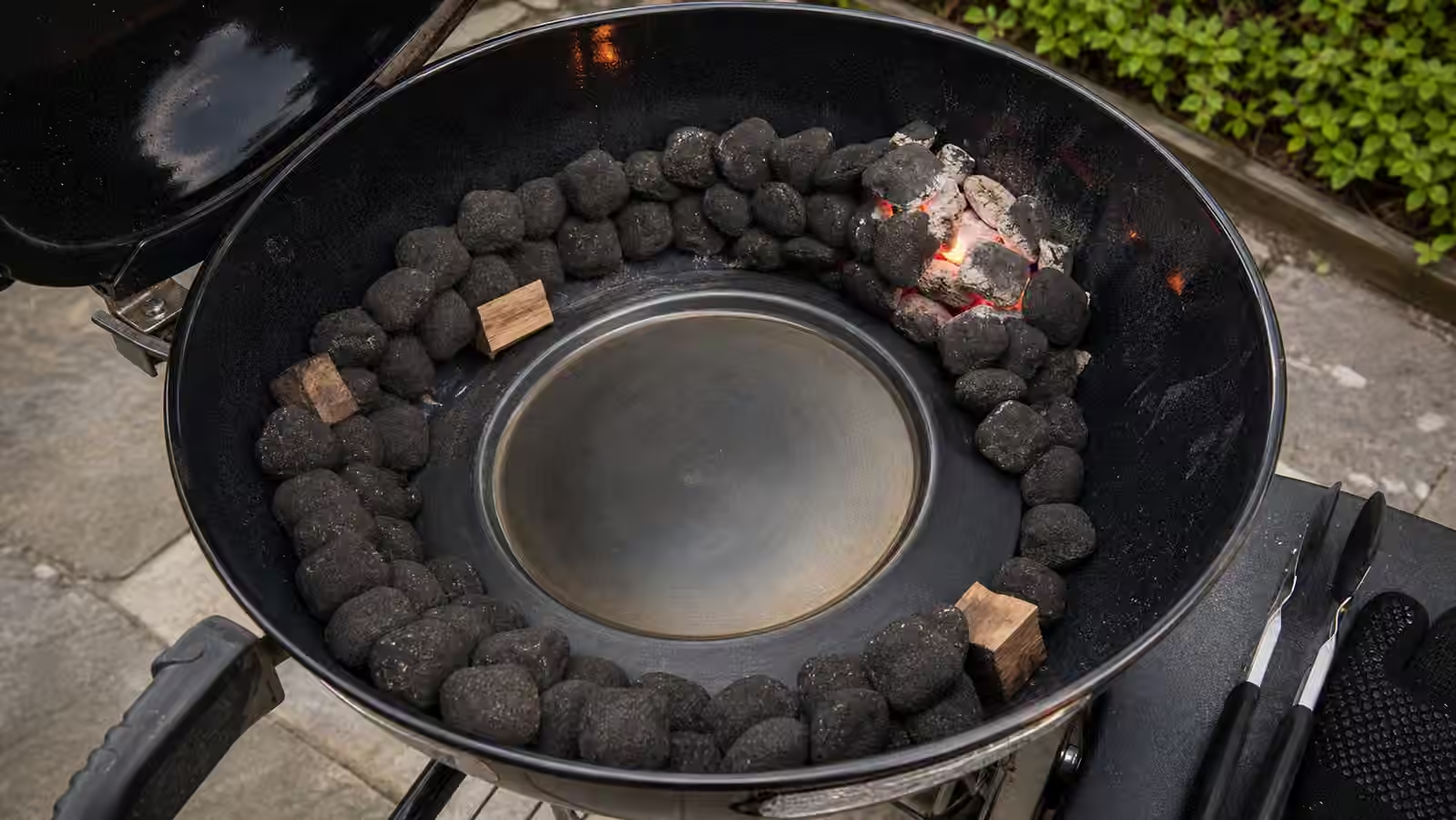
The reliable route to good bark and good texture is unglamorous. Season evenly so the surface browns uniformly. Run a clean fire with steady airflow so the smoke that settles into the crust is sweet rather than sooty. Resist the urge to open the lid and spritz constantly, since every intervention costs surface dryness and heat. Then judge the finish by thermometer and texture together, probing more than one spot on large or uneven cuts, and rest the meat properly so the slices eat juicy instead of rushed. After a cook or two, jot down what you changed, from wood amount to spritz frequency to how long you rested, so the next attempt is a small adjustment rather than a fresh guess.
Keep the safety habits steady while you chase good crust. Use thermometer-based doneness for meat, poultry, seafood, leftovers, and reheating. Keep raw and cooked foods separate, wash hands and tools after raw contact, and move perishables toward chilling instead of leaving them out in the outdoor danger zone while everyone admires the bark. Visual cues help with quality, never with safety. For current official reference, keep FoodSafety.gov’s safe minimum internal temperatures and clean, separate, cook, chill guidance close by, and USDA FSIS keeps a grilling food safely resource that speaks directly to smoking, holding, and leftovers.
If you want to go deeper, Brisket Without Panic puts these texture ideas to work on the hardest cut, Ribs for Beginners shows what a clean bite feels like, and Smoke Flavor Without Bitterness explains how to keep the smoke that flavors your bark from souring it. For thinking about salt, surface, and time, Salt Works is a useful companion, and Beer Explorer is a surprisingly good way to train your palate on where bitterness helps and where it hurts.