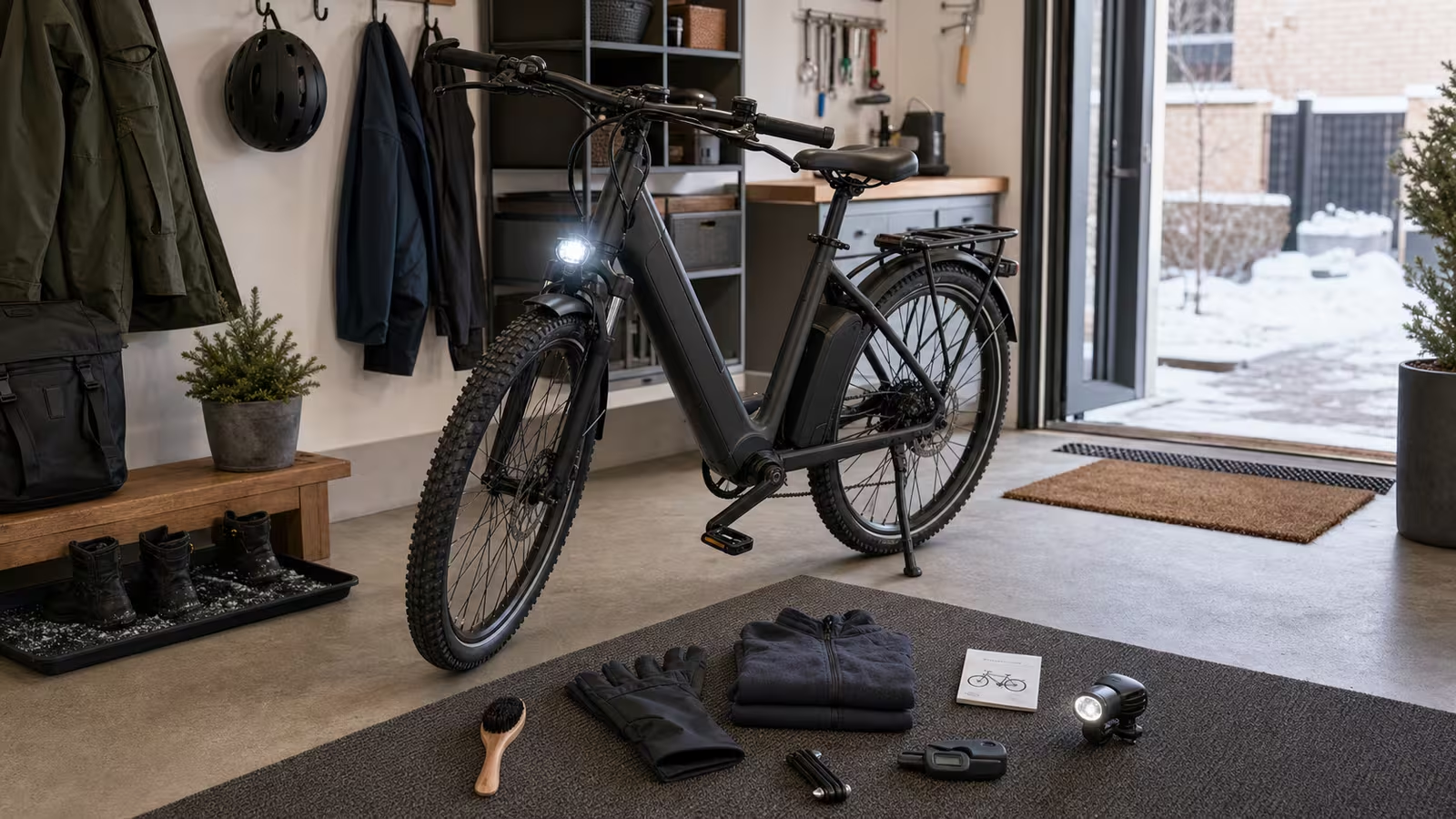
Winter e-bike riding is not the same commute with gloves added. Cold changes battery behavior, clothing bulk, tire pressure, braking distance, visibility, and the rider’s tolerance for mistakes. The useful winter question is not whether an e-bike can move through cold weather. Many can. The question is whether this rider, on this bike, with this battery, on this route, today, has enough margin to make the ride ordinary.
Start with range reality
Cold can reduce usable battery range. So can thicker clothing, lower tire pressure, slush, wind, high assist, heavier lights, and stop-and-go riding. Do not plan a winter ride from the best summer number you have ever seen. Plan from the route you are riding today and keep a larger reserve than usual. If the route is already close to your normal comfortable range, winter may push it out of bounds.
Use the Range Reality Calculator as a planning aid, then add judgment. A calculator cannot see black ice, blocked bike lanes, wet gloves, or the temptation to use high assist into a headwind. A practical winter range plan includes a shorter route, a charging option, a transit backup, or a clear decision to skip the ride.
Keep the battery within its instructions
Battery temperature guidance varies by maker. Some batteries should not be charged when too cold. Some should warm indoors before charging. Some bikes store better at partial charge for longer pauses. The manual matters more than advice from a stranger. If a battery has been submerged, cracked, dropped hard, swollen, unusually hot, odd-smelling, or behaving differently, stop and use the manufacturer’s support path.
Storage is part of winter range. A battery that sits in a freezing shed all night may behave differently from one stored within the allowed indoor range. Apartment riders should check building rules and charging policies too. The Battery Care Planner covers the household side; winter simply raises the cost of ignoring it.
Think of tires as route equipment
Tires are not just a comfort choice in winter. Tread, width, rubber compound, pressure, puncture protection, and whether local conditions call for studs can all matter. Studded tires may help on ice in some climates, but they are not universal answers and may be restricted, noisy, slow, or unnecessary in other places. Follow tire-maker guidance and local rules.
Check pressure more often because temperature changes pressure. Too soft can feel vague, reduce range, and increase some flat risks. Too hard can reduce comfort and grip. Look for cuts, embedded glass, worn tread, sidewall damage, and rubbing fenders. If the route includes ice, loose snow, ruts, metal plates, wet leaves, or painted lines, tire choice and speed both need more margin.
Slow down before traction asks you to
Winter traction problems often arrive late. The bike may feel fine on dry pavement and then behave differently on shade, bridge decks, packed snow, slush, curb ramps, leaves, or refrozen puddles. E-assist can make it easy to enter those surfaces faster than a normal bicycle rider would under the same effort. Lower assist, smoother pedaling, earlier braking, and wider turns are beginner-friendly choices.
Avoid abrupt starts, hard braking, sudden steering, and leaning through unknown corners. If a section looks questionable, walk it. If the whole route requires repeated tense decisions, choose a backup. The goal is transportation, not proving cold-weather toughness.
Protect hands, eyes, and attention
Cold hands are a control problem. A rider who cannot brake, signal, ring a bell, shift, or operate lights confidently should not treat the ride as normal. Gloves must be warm enough and still allow control. Eye protection can help with wind, sleet, and road spray, but fogging can create a new problem. Clothing should keep the rider warm without blocking shoulder checks or making helmet fit sloppy.
Layering also affects visibility. Dark winter coats, hoods, scarves, and backpacks can hide reflectors and lights. Check the loaded, dressed rider from front, rear, and side. If a scarf or hood changes helmet fit, fix the clothing plan rather than accepting a loose helmet.
Make lights and surfaces visible
Winter includes shorter days, low sun, glare, wet pavement, and dirty lenses. Clean lights and reflectors. Aim the front light to show the surface without blinding people. Keep rear lights visible above bags and fenders. Consider side visibility because drivers, pedestrians, and other riders often meet you at intersections rather than from directly behind.
A bright setup does not create right of way. Use it to give people more time, then ride more slowly. The Etiquette and Local Law Awareness guide still applies when it is cold. Shared paths can be narrower in winter, and pedestrians may step around snowbanks unpredictably.
Clean the bike gently after wet winter rides
Salt, grit, slush, and wet leaves can accelerate wear. Wipe the bike according to the manual. Avoid pressure-washing bearings, connectors, displays, and battery areas. Dry the chain or drivetrain as appropriate, relube where the drivetrain requires it, and check that brakes and fenders are not packed with debris. Store wet gear where it can dry.
This is not a call to become a full mechanic. It is a rhythm of noticing. If brakes scrape badly, the chain grinds, tires rub, the display acts oddly, or the battery mount collects slush, stop and investigate conservatively.
Write a winter no-ride rule
Make the no-ride rule before the storm. Examples: no riding on visible ice, no riding when hands go numb before leaving, no child passengers below a certain temperature, no route if the protected lane is plowed into a snowbank, no charging a battery outside the allowed temperature range, no riding after a battery warning. Your rule should match local rules, route conditions, health needs, and manufacturer instructions.
Winter e-bike routines work when they stay honest. Keep range reserve larger, tires appropriate, lights clean, clothing functional, maintenance gentle, and backup modes respectable. The most practical winter skill is knowing when the bike is the wrong tool for the day.