Wind is easy to underestimate because it is invisible until the bike reacts. Rain announces itself. Darkness is obvious. Cold makes the rider dress differently. Wind can wait behind a building, arrive sideways on a bridge, push a front basket, slap a rain jacket, or turn an empty trailer into a sail. On an e-bike, motor assist may hide the extra effort while the handling still changes under the rider’s hands.
The right wind habit is not fear. It is respect. A rider should know which routes are exposed, which loads catch air, how gusts affect steering, how wind changes range, and when the better transportation choice is not the bike. Local weather warnings, posted bridge restrictions, path closures, and local rules about where e-bikes can ride all belong in the decision.
Crosswinds Matter More Than Headwinds
A headwind is tiring and can reduce range. A tailwind can make speed feel easier than it should. A crosswind is the handling problem. It can push the rider sideways, especially when leaving the shelter of a building, passing a gap, crossing an open field, riding beside large vehicles, or entering a bridge. The bike may not move far, but the surprise can make the rider tense, overcorrect, or drift.
Practice matters, but practice should start in mild conditions. Notice how the bike feels with both hands relaxed, how much room you want beside curbs, and how the bike behaves when a gust meets a pannier or basket. Do not make the first wind lesson a bridge during a deadline.
Cargo Changes The Profile
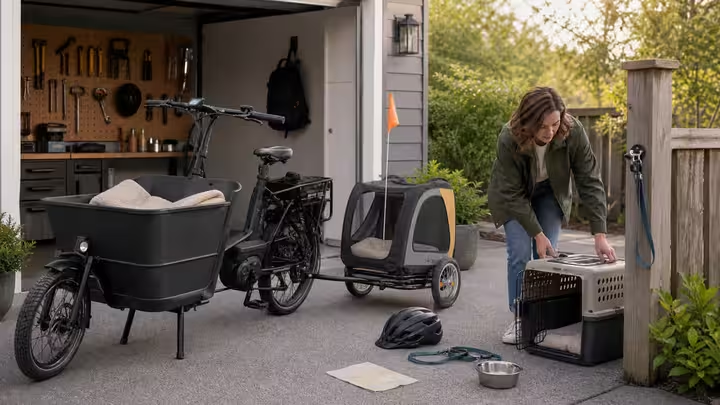
Panniers, front baskets, child seats, rain covers, tall crates, trailers, instrument cases, and bulky jackets can catch wind. The weight of the load is not the only factor. A light but wide box can push the bike around more than a dense grocery bag. A front load may change steering. A rear child seat with a cover may feel different from the same bike empty.
Before a windy cargo ride, simplify the load. Keep soft items contained. Avoid loose straps, flapping rain covers, or open bags. Put heavier items low and stable, following the bike and accessory ratings. If a load changes handling in calm weather, assume wind will make it more noticeable. Connect this with Grocery Hauling Without Wobble and Pannier, Basket, or Crate because stable cargo starts before the forecast.
Assist Can Hide Effort, Not Risk
Motor assist can make a headwind feel manageable. That is useful, but it can also encourage the rider to continue into conditions that are making the bike harder to control. The display may show speed and battery, but it does not know how exposed the next bridge feels or how much a gust is moving a trailer.
Use assist to keep pedaling smooth, not to fight weather until judgment disappears. In strong wind, lower speed can give the rider more time to respond. A calmer route can beat a faster one. If the wind is enough that the rider is gripping hard, drifting, or worrying about every opening between buildings, the ride is already giving an answer.
Range Planning Needs A Wind Reserve
Wind can reduce range sharply, especially with upright posture, cargo, cold, soft tires, or high assist. A route that normally leaves a comfortable battery reserve may become marginal when the return trip is into the wind. Riders often notice this after a pleasant outbound leg and a surprisingly hard ride home.
The Range Reality Planning guide treats wind as one of the real variables. For windy days, start with a larger reserve, lower the demand where possible, and keep a backup plan. The Range Reality Calculator can help make the invisible cost visible, but it still cannot promise what a gusty route will feel like.
Clothing Should Not Become A Sail
Rain shells, ponchos, scarves, loose jackets, open backpacks, and helmet covers can flap, catch air, distract the rider, or interfere with shoulder checks. Weather gear should be snug enough to stay out of wheels, drivetrain, brakes, and controls. A rain cape that works for a slow upright bike may feel different at e-bike speeds or in crosswinds.
Good wind clothing is quiet and boring. It protects the rider without becoming a second handlebar. If a garment makes the rider fight the bike, change the garment or change the ride. The Rain Gear and Fenders guide is useful here because wet wind often exposes weak gear choices.
Exposed Routes Need Names
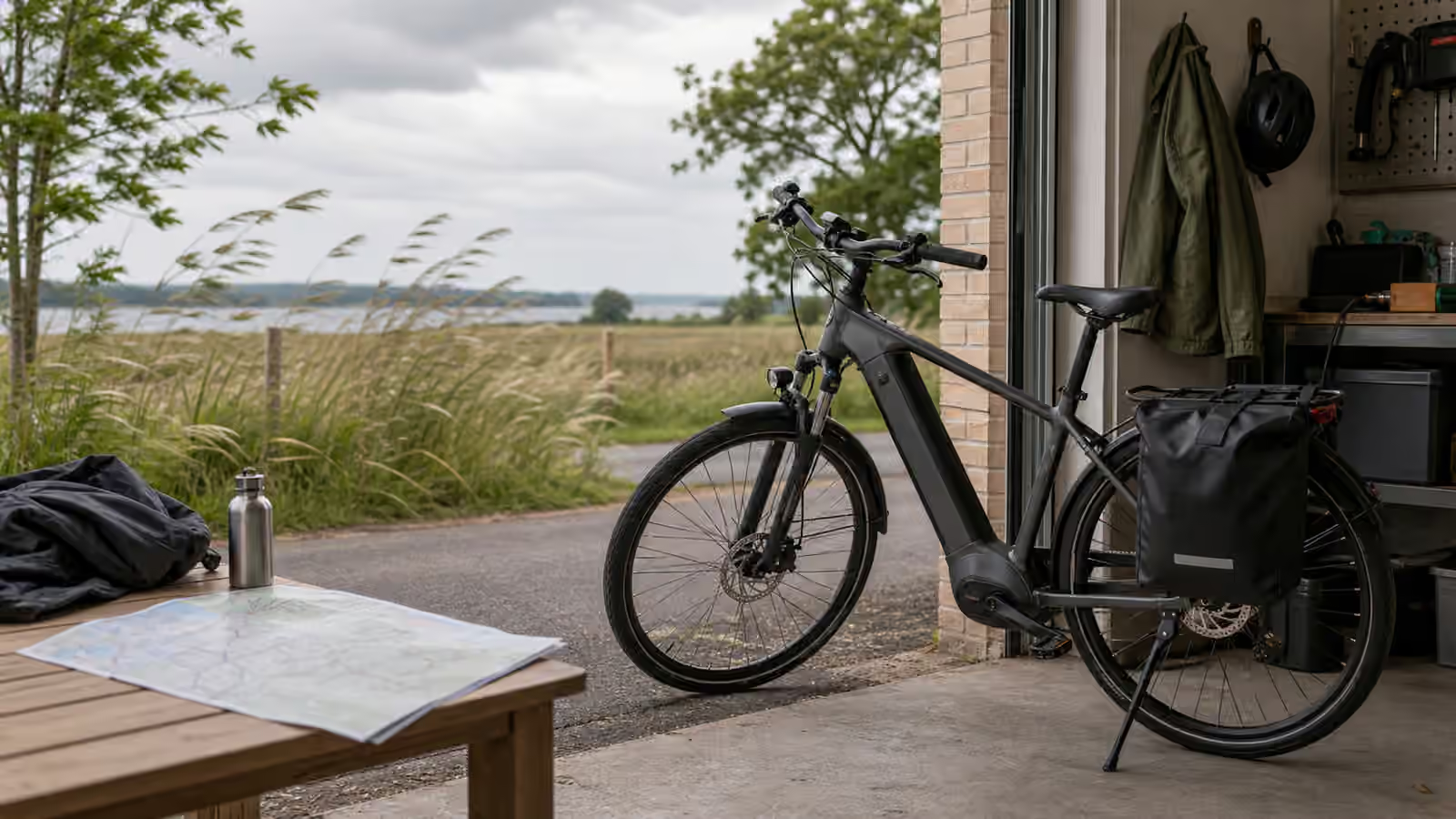
Every rider has local wind places: the bridge, the overpass, the waterfront path, the open industrial road, the school field edge, the gap between towers, the hill crest, the trail with no tree cover. Name them before the ride. A forecast is more useful when the rider can connect it to real segments.
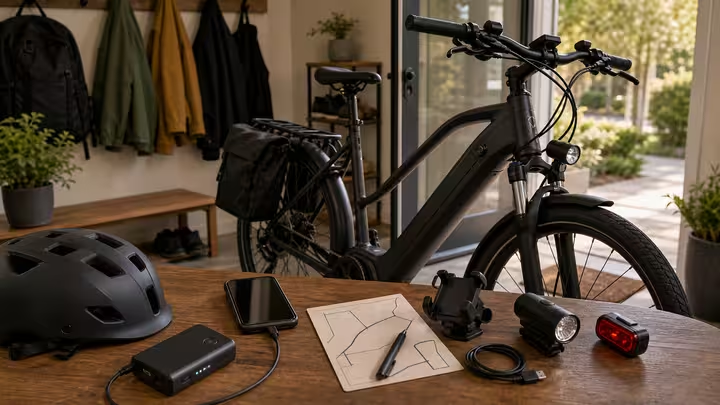
During route scouting, mark where wind would matter. Is there a lower street? A slower crossing? A sheltered parallel route? A transit option? A place to stop before the exposed stretch and reassess? Route Scouting for Low-Stress Streets is not only about traffic. It is also about weather exposure.
Passengers And Trailers Raise The Boundary
Wind with a child passenger, trailer, tall cargo, or inexperienced rider deserves a stricter rule. A passenger may move, worry, or change the loading moment just when a gust arrives. A trailer can track differently. A rain cover can add surface area. The bike may still be within ratings and still be the wrong choice for the day.
Make no-ride rules in advance. If gusts are high enough that the rider would not be comfortable making an emergency stop, crossing an exposed segment, or starting on a hill with the load, choose another mode. The No-Ride Day Backup Plan prevents that choice from feeling like failure.
After The Wind Ride, Adjust The System
A windy ride is useful evidence. Did the jacket flap? Did the front basket twitch? Did the battery drop faster? Did the rider avoid a route segment? Did the mirror stay aligned? Did the child seat cover catch too much air? Write down one change before memory softens the lesson.
Wind is not a rare special case. It is part of ordinary riding in many places. Treat it as a route, cargo, clothing, and reserve problem, and the bike becomes easier to use wisely. The goal is not to prove toughness against the weather. The goal is to arrive with enough control, attention, and battery margin that the ride remains a transportation choice worth repeating.