Wheels are easy to ignore because they seem to work until they do not. They spin, carry weight, take bumps, hold the tire, pass braking force into the frame, and sometimes hold a hub motor. On an e-bike, that ordinary job becomes a little more demanding. The bike is heavier, the speeds may be higher than a rider’s old city bike, and cargo or passenger loads can turn a small wheel problem into a control problem.
The goal is not to become a wheel builder at the kitchen table. The goal is to make wheels less mysterious. A rider who notices a new tick, wobble, rub, loose axle clue, or tire bulge early can stop using the bike normally and ask for the right help. That is very different from riding for weeks while the wheel keeps asking for attention.
Make wheels part of the weekly rhythm
The Maintenance Rhythm guide starts with small repeated checks. Wheels fit that rhythm because they reveal many issues before tools come out. Lift each end of the bike if you can do so safely, or roll it slowly beside you. Watch the tire line. Listen for a repeating scrape. Feel for a rhythmic bump through the frame. Look for a brake rotor that rubs once each turn, a tire that wobbles side to side, or a fender that suddenly sits closer to the tread.
Do not treat every small sound as a crisis. Bikes make noises. The useful question is whether the sound is new, repeating, getting worse, or linked to a recent event such as a curb hit, flat repair, car-rack trip, hard pothole, fall, or heavy cargo day. New and repeating deserves attention. New and linked to impact deserves more caution.
Listen for spoke clues
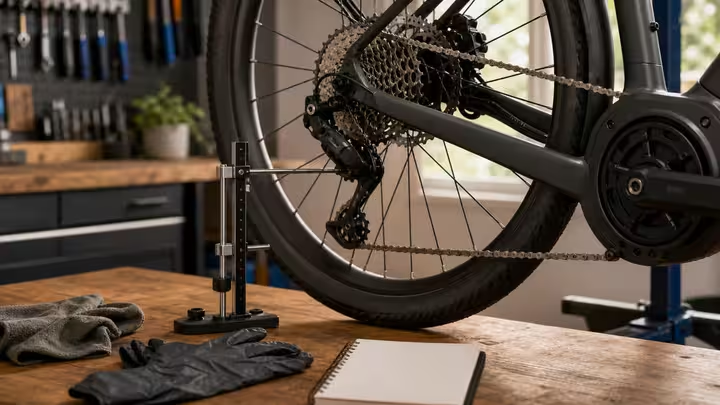
Spokes are not just shiny lines between hub and rim. They keep the wheel tensioned and shaped. A loose or broken spoke can let the wheel wander, stress neighboring spokes, and make the bike feel vague. A beginner should not guess spoke tension by turning nipples at random. It is very easy to make a wheel worse. But a beginner can listen and look.
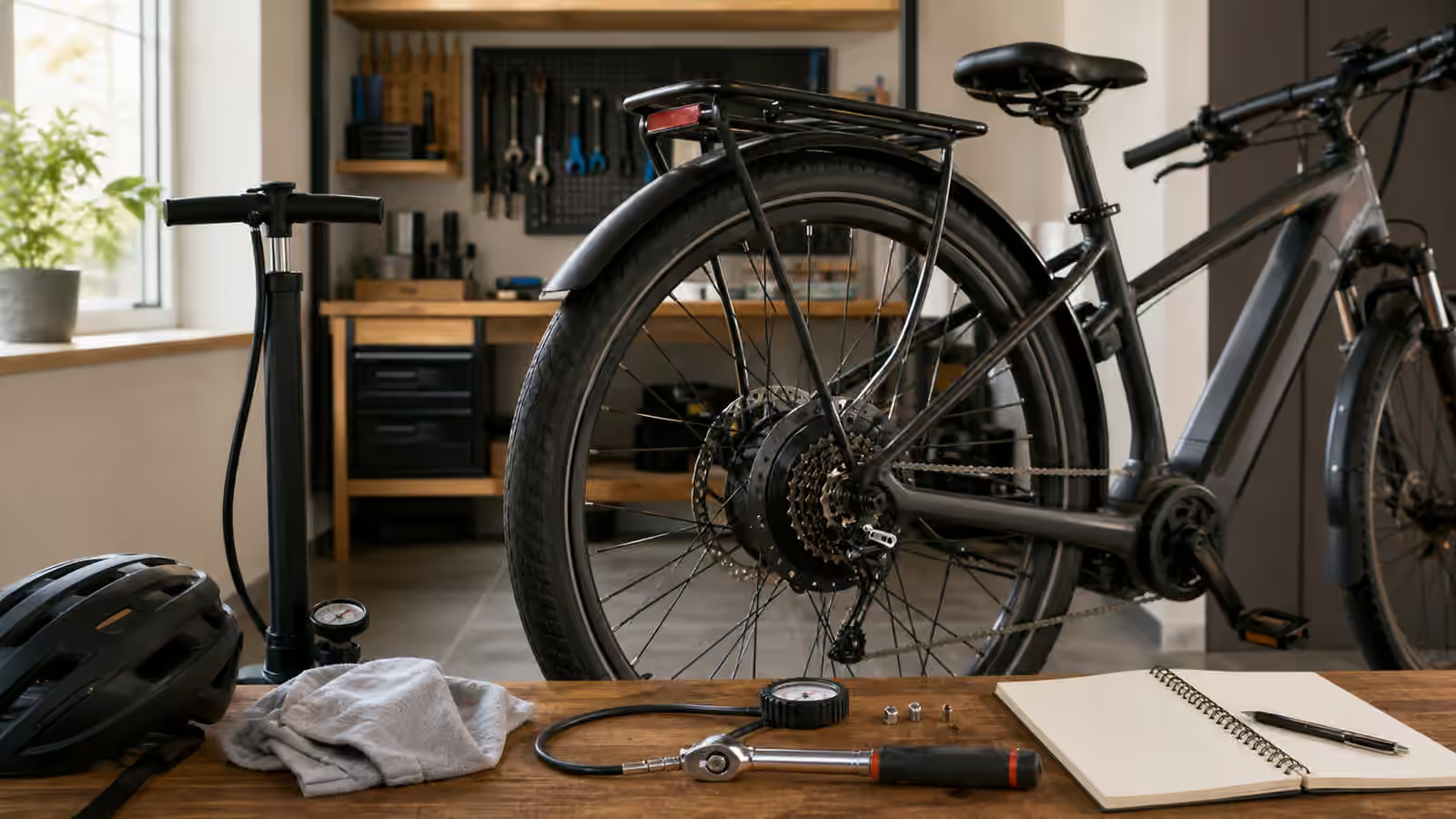
A ticking spoke sound under load, a spoke that feels obviously floppy compared with neighbors, a broken spoke, or a wheel that has started moving side to side is a shop boundary. Cargo bikes and hub-motor wheels deserve even more respect because the loads can be higher and the wheel may be more specialized. If the wheel carries a motor cable, do not twist or strain that cable while inspecting. The right repair may involve parts, tensioning, truing, or wheel replacement, and guessing is not a good shortcut.
Treat axles as control hardware
Axles, through-axles, nuts, quick releases, and motor-hub hardware are not decorative. They keep the wheel in the frame or fork. Different bikes use different systems, and the correct closed position, torque, washer order, tab placement, and cable routing can matter. A wheel that is not seated correctly can affect braking, steering, motor wiring, and frame safety.
After a wheel removal, flat repair, transport, or shop visit, do a calm check before the first normal ride. Does the wheel sit centered? Does the brake rub in a new way? Does the axle hardware match the manual? Is any motor cable strained, twisted, pinched, or routed differently than before? If you do not know what correct looks like, this is a good reason to take photos before service or ask the shop to show you. The Bike Shop Service Conversation guide is useful because wheel questions become easier when you can describe what changed.
Use tire clues as wheel clues
The Tire Pressure and Puncture Readiness guide treats tires as routine maintenance, but tires also reveal wheel problems. A tire that suddenly rubs the frame may not be the tire’s fault. A tire that will not seat evenly after inflation may point to installation trouble, rim damage, or the wrong tire for the rim. A repeated flat in the same place may involve rim tape, spoke holes, debris, a damaged tire casing, or an installation issue.
Look for bulges, exposed casing, cracked sidewalls, uneven bead seating, and scuffed sidewalls after a ride where the bike felt strange. Do not ride a loaded e-bike on a questionable tire because the motor can hide how much extra effort the bike is using. The tire and wheel are one rolling system. When either one looks wrong, the ride plan should change.
Cargo changes what wheels have to absorb
An unloaded commuter ride and a loaded grocery ride are not the same wheel job. Heavy panniers, a child seat, a trailer, or a longtail passenger changes how hard the wheels work when starting, braking, turning, and hitting rough pavement. The Weight Ratings and Payload Math guide explains the larger load problem. The wheel habit is narrower: after heavy or awkward loads, listen and look again.
If the bike feels stable unloaded but begins to shimmy, rub, or tick under cargo, do not assume the load is harmless. It may be packed too high, the tire pressure may be wrong for the load, a rack may be moving, or a wheel may be asking for service. Make the next ride lighter until the cause is clear. The purpose of a cargo e-bike is repeatable usefulness, not proving one large load can be moved once.
After impacts, slow down the decision
Potholes, curbs, crashes, falls, and car-rack mishaps deserve a different inspection. A wheel can be damaged without looking dramatic at first glance. Spin it, listen, check tire seating, look for rim dents, inspect brake rubbing, and notice whether the handlebar or frame feels different. If there is visible rim damage, broken spokes, a wobbly wheel, a tire bulge, brake trouble, loose axle hardware, or motor cable damage, the normal ride is over until the bike is checked.
The Brake Pad Wear and Shop Boundaries guide uses the same conservative logic for stopping power. Wheels, brakes, and steering are not areas where a beginner should use optimism as a diagnostic tool.
Keep records without making the wheel a hobby
A small note can help. Record when a spoke was replaced, a wheel was trued, a tire was changed, a rotor was adjusted, an axle was serviced, or a hard impact happened. If the same wheel needs repeated attention, that pattern matters. It may point to cargo use, route surfaces, installation, component quality, or a bike that is being asked to do the wrong job.
Wheel checks should make the bike calmer, not turn every ride into worry. Most days, the wheel spins quietly, the tire sits evenly, the axle hardware looks normal, and the ride continues. The habit exists for the day something changes. Notice it early, respect the boundary, and let a qualified mechanic handle the work that needs real wheel knowledge.