An e-bike is easier to own when its support information is not scattered across old emails, paper drawers, app accounts, and memory. Manuals tell you how to charge, store, clean, adjust, and service the bike. Warranty terms tell you what the maker will and will not cover. Recall notices can change what should be used. Service records help shops and future buyers. A simple records folder makes the bike more supportable.
Build one owner folder
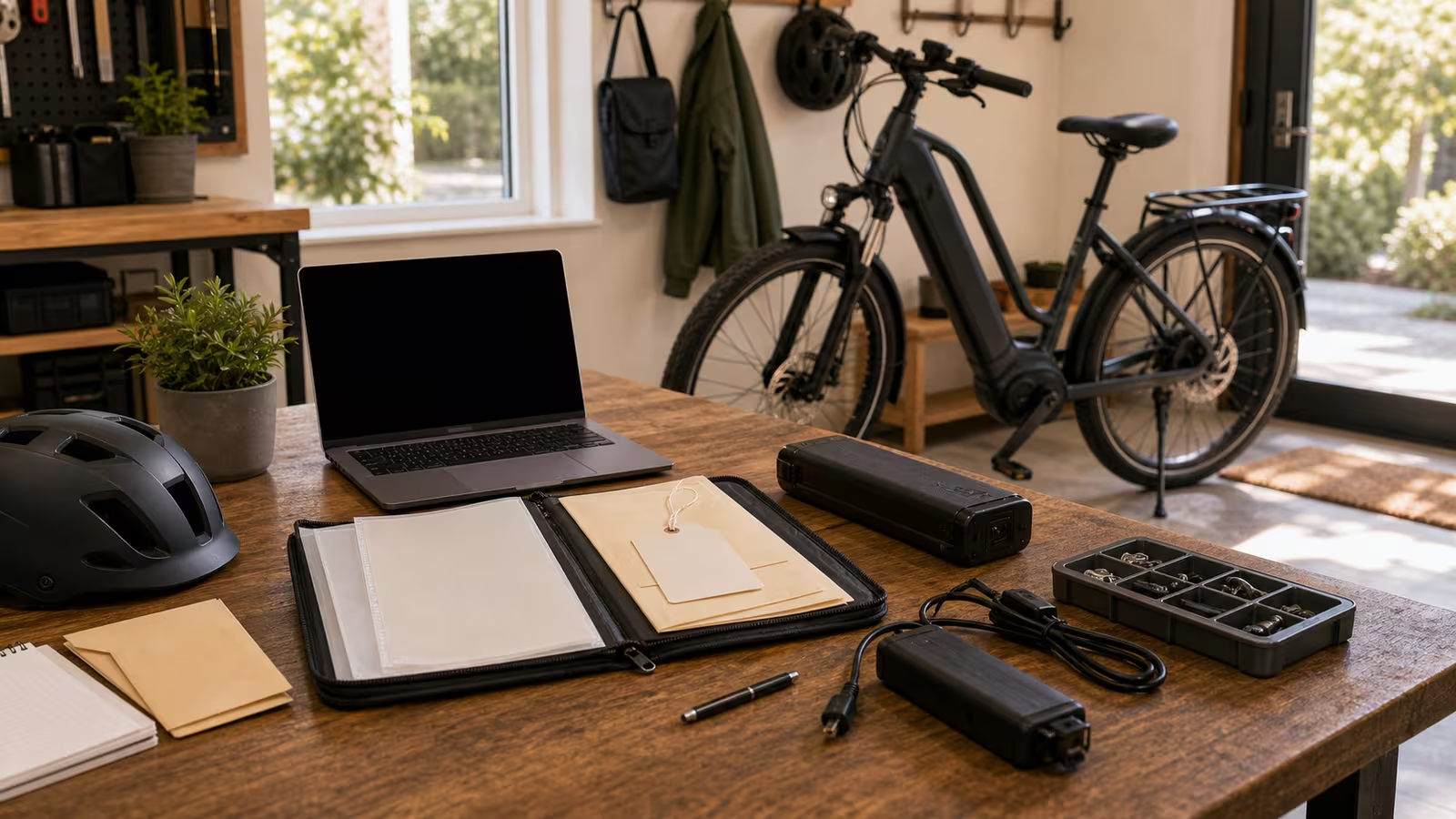
Create a folder for the bike. It can be digital, paper, or both. Include the purchase receipt, serial number, battery details, charger model, manuals, registration, service records, accessory receipts, lock information, warranty registration, and photos. If there are multiple batteries or chargers, label the records clearly.
The goal is not bureaucracy. It is being able to answer a shop or manufacturer without searching for an hour. The Insurance and Serial Records guide covers ownership identity; this guide focuses on support.
Save manuals before you need them
Download manuals for the bike, display, battery, charger, brakes, drivetrain, suspension, rack, child seat, trailer, lights, and any unusual accessory. Product pages change. Companies merge or disappear. Used bikes may arrive without paper manuals. Save copies while they are available.
Read the sections that affect everyday life: charging temperature, storage, cleaning, tire pressure, torque notes, brake service, battery removal, error messages, and weight limits. Manuals are not only for repairs. They define the safe boundaries of routine use.
Check recalls periodically
Recall systems vary by country and maker. Register the bike where appropriate, subscribe to manufacturer notices if available, and check official recall sources periodically. This is especially important for batteries, chargers, brakes, racks, child seats, and frames. Do not rely only on social media rumors, and do not ignore official notices because the bike seems fine.
If a recall or stop-use notice appears, follow the process. Save confirmation numbers and service notes. A recall record may matter for future service, resale, or insurance.
Keep service notes specific
A useful service record says what happened: brake pads replaced, tire changed, battery checked, firmware updated, spoke tension addressed, rack installed, child seat removed, charger replaced. Include date, shop, parts, and symptoms. If the bike had a strange noise or error message, record the exact situation.
Specific records help mechanics avoid repeating work and help you notice patterns. If the rear brake needs repeated attention, or the same tire flats often, the record reveals it.
Track accessories as part of the bike
Accessories can affect warranty, safety, and service. A rack, trailer hitch, child seat, aftermarket controller, different battery, or heavy cargo accessory is not just decoration. Save instructions and receipts. Record who installed it. Check whether it affects rated loads, compatibility, warranty, or local rules.
For passenger accessories, be stricter. Keep age, weight, fitting, and installation guidance findable. Do not depend on memory for a child-seat limit.
Protect privacy and account access
Some e-bikes use apps, accounts, firmware tools, or digital keys. Save account details securely in a password manager or appropriate household system. Do not share screenshots with serials, addresses, or personal data unless needed. If selling the bike, learn how to transfer or remove accounts properly.
Support information should be findable by the owner, not exposed to everyone. Balance access and privacy.
Use records before buying used
When buying used, ask for manuals, receipts, service notes, charger details, recall status, and ownership documents. Missing records do not always mean a bad bike, but they add uncertainty. Price that uncertainty. A bike with unsupported electronics or unknown battery history may not be a bargain.
If the seller cannot provide records, see whether the manufacturer and local shops can still support the model. If support is gone, decide whether you can accept that risk.
Review after major changes
Update the folder after a service, crash, battery replacement, move, warranty claim, recall, or accessory installation. Delete stale assumptions. Add new photos. Check that the manual still matches the parts on the bike. A records folder that never changes becomes less useful.
The supportable bike is not the fanciest bike. It is the one with instructions, records, and boundaries that can be found when the owner needs them.
Make the folder usable by someone else
The records folder should be clear enough that another household rider, a shop intake person, or a future buyer can understand it without a long explanation. Put the most important items first: bike serial, battery serial if separate, charger details, purchase receipt, manual links, service history, recall checks, and current stop-use notes. If you use a digital folder, avoid vague filenames like “bike stuff.” Use plain names such as receipt, charger manual, brake service, battery replacement, and recall check.
Add photos that show the whole bike, drivetrain side, charger, battery label if appropriate, lock, and any cargo or passenger accessory. Keep private data out of shared copies. A shop may need model details, not your home address. A buyer may need proof of support, not every personal message you sent the seller.
Review the folder before seasonal changes, before a long move, after service, and before lending the bike to another rider. If the manual says one thing and the bike now has different parts, note the change. If a recall check was done, record the date and source. The folder earns its place when it shortens real support conversations and prevents old assumptions from steering current safety decisions.