A used e-bike can be a practical bargain. It can also hide the most expensive parts of the system: a tired battery, missing charger, unsupported motor, worn brakes, cracked frame, stolen history, dead display, proprietary parts, or a bike class that does not fit the places you plan to ride. The goal is not suspicion for its own sake. The goal is to inspect before the low price makes you skip the boring questions.
Start with identity and records
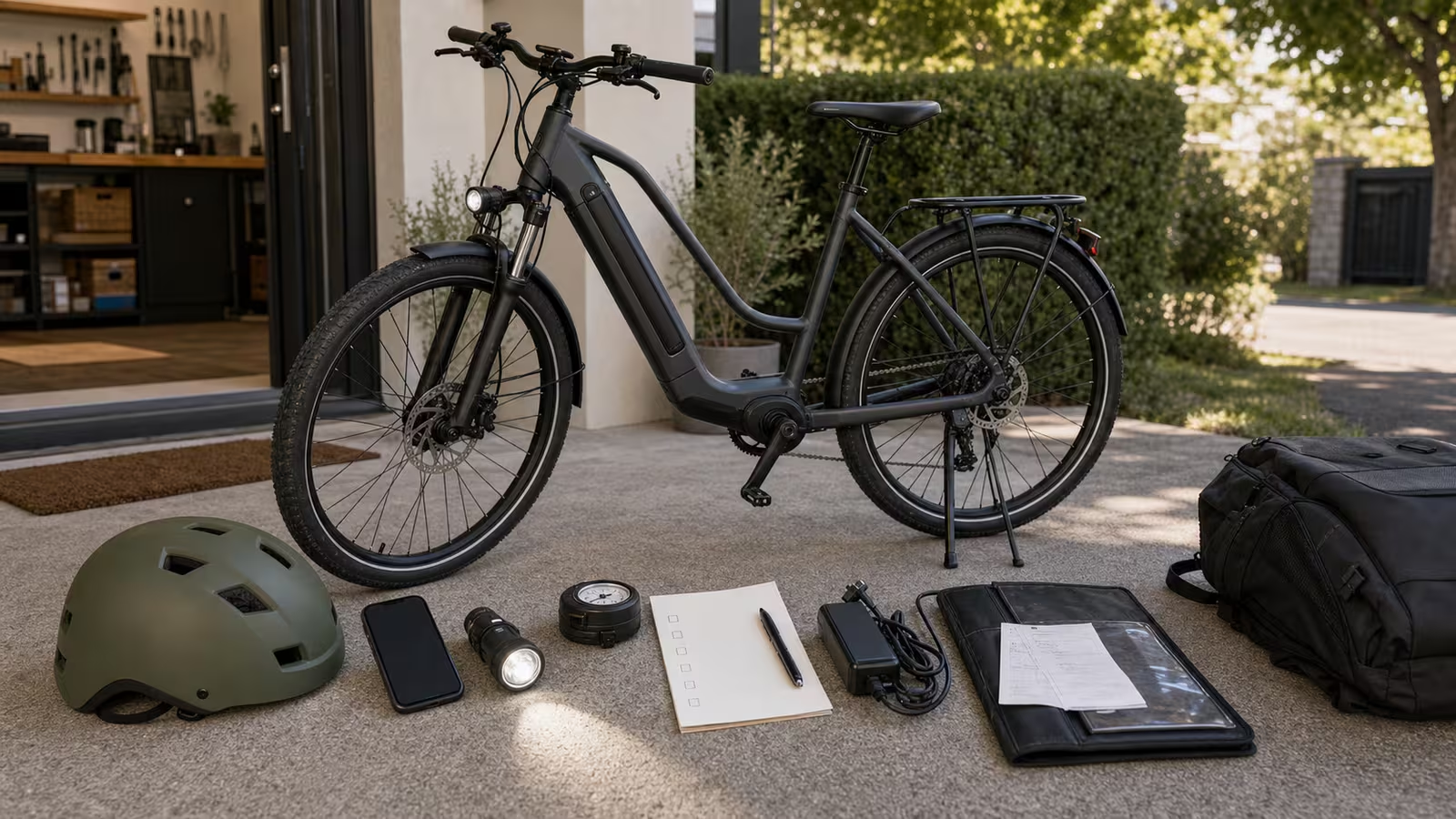
Ask for the serial number, proof of purchase if available, charger model, battery model, key count, manuals, service records, and any registration or warranty information. A seller without every record is not automatically dishonest, but missing identity details should lower your confidence. Compare the serial to the bike and to any records. Check stolen-bike registries where they exist and fit your location.
Be cautious with rushed stories, no charger, no keys, removed serials, mismatched battery, odd payment pressure, or a price far below local norms. The Reality Check Desk mindset applies: verify what can be verified before repeating a claim to yourself.
Ask whether the bike fits your local rules
A used e-bike is not useful if its class, throttle, speed, or equipment does not fit your route. Check local rules for e-bike classes, throttle use, speed limits, trail access, sidewalk rules, school policies, transit rules, and helmet requirements. A high-speed model may not belong on the paths you hoped to use. A throttle bike may be restricted where a pedal-assist bike is allowed.
Do this before falling in love with the price. A bike that works mechanically but cannot legally or comfortably use your routine route is a poor everyday choice.
Inspect the battery calmly
The battery can be the deal. Ask about age, storage, charger, range history, replacement availability, and whether the bike maker still supports it. Look for swelling, cracks, broken mounts, corrosion, odd smell, heat, water exposure, damaged connectors, missing labels, or homemade wiring. Do not charge or test a suspicious battery casually.
Battery range claims are especially soft in used listings. A seller’s normal route, weight, assist level, weather, hills, and tire pressure may not match yours. Treat claimed range as a clue, not a promise. Replacement cost and availability should be part of the price.
Check brakes, tires, wheels, and frame
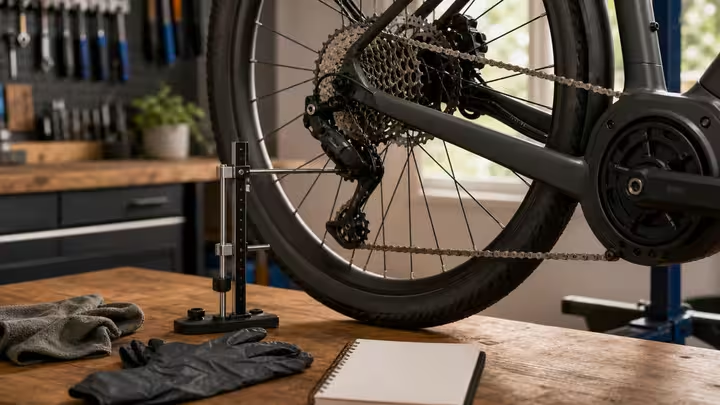
Look at tires for cuts, cracks, bulges, worn tread, and repeated low pressure. Spin wheels and watch for wobble, rub, and noises. Squeeze brakes and notice lever feel, stopping response during a controlled test, rotor condition, cable fray, fluid signs, and pad history. Look at the frame, fork, rack mounts, welds, and cargo areas for cracks, dents, bends, or unusual repairs.
If the bike has carried passengers or heavy cargo, inspect with stricter eyes. A longtail with a weak rack, questionable brakes, or loose passenger hardware is not ready for family use. Bring a mechanic into the decision when the bike is expensive, complex, or central to your routine.
Check serviceability
Some used e-bikes are hard to service because parts are proprietary, the maker is gone, the battery is unavailable, the display is locked, the motor is unsupported, or local shops will not work on the brand. Ask a shop before buying if you are unsure. A cheap bike that no one will service can become a stranded object.
Check simple things too: tire size availability, brake pad availability, charger availability, battery replacement, spoke size, rack compatibility, and whether firmware or app access is required. Do not assume support exists because the bike looks modern.
Take a structured test ride
Use the Test Ride Before Buying guide for the full sequence. At minimum, start, stop, turn, shift, change assist, use lights, check display, ride over mild bumps, brake gently and firmly, and listen. Test only in a safe legal area. Do not let the seller push you into traffic, hills, or speed before the bike feels known.
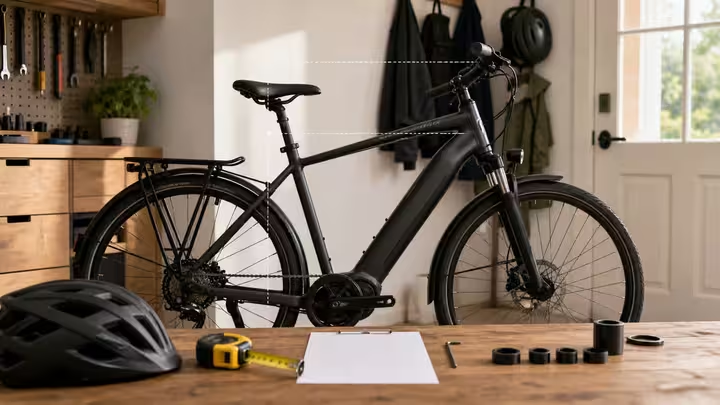
Notice fit. Can you stand over or mount comfortably? Can you handle the weight when walking? Can you lift it if your apartment requires that? Can you put it on the stand? A bike can be mechanically fine and still wrong for your body or building.
Price the missing work
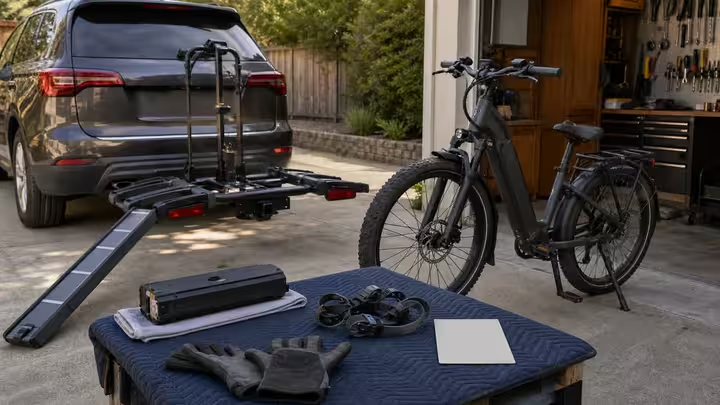
Write down expected costs before negotiating: battery risk, charger, tires, brake pads, tune-up, lights, lock, rack, child seat compatibility, fenders, bags, professional inspection, registration, and transportation home. The real price is purchase plus the work needed to make the bike ready.
If the seller will allow a shop inspection, that can be worth paying for. If they refuse any reasonable inspection, decide whether you are comfortable walking away. The best used deal is the one you can ride and maintain, not the one that wins a bargain story.
Walk away cleanly
A beginner should walk away from removed serials, battery damage, unknown charger, frame cracks, serious brake issues, unsupported electronics, aggressive seller pressure, no safe test ride, or a bike that does not fit local rules. Walking away is not overcautious. It preserves money for a bike that can become daily transportation.
Used e-bike buying works when you slow the transaction down. Records, local rules, battery, mechanical condition, serviceability, test ride, and total cost all get a vote. Let the bike pass the checklist before the price gets to decide.