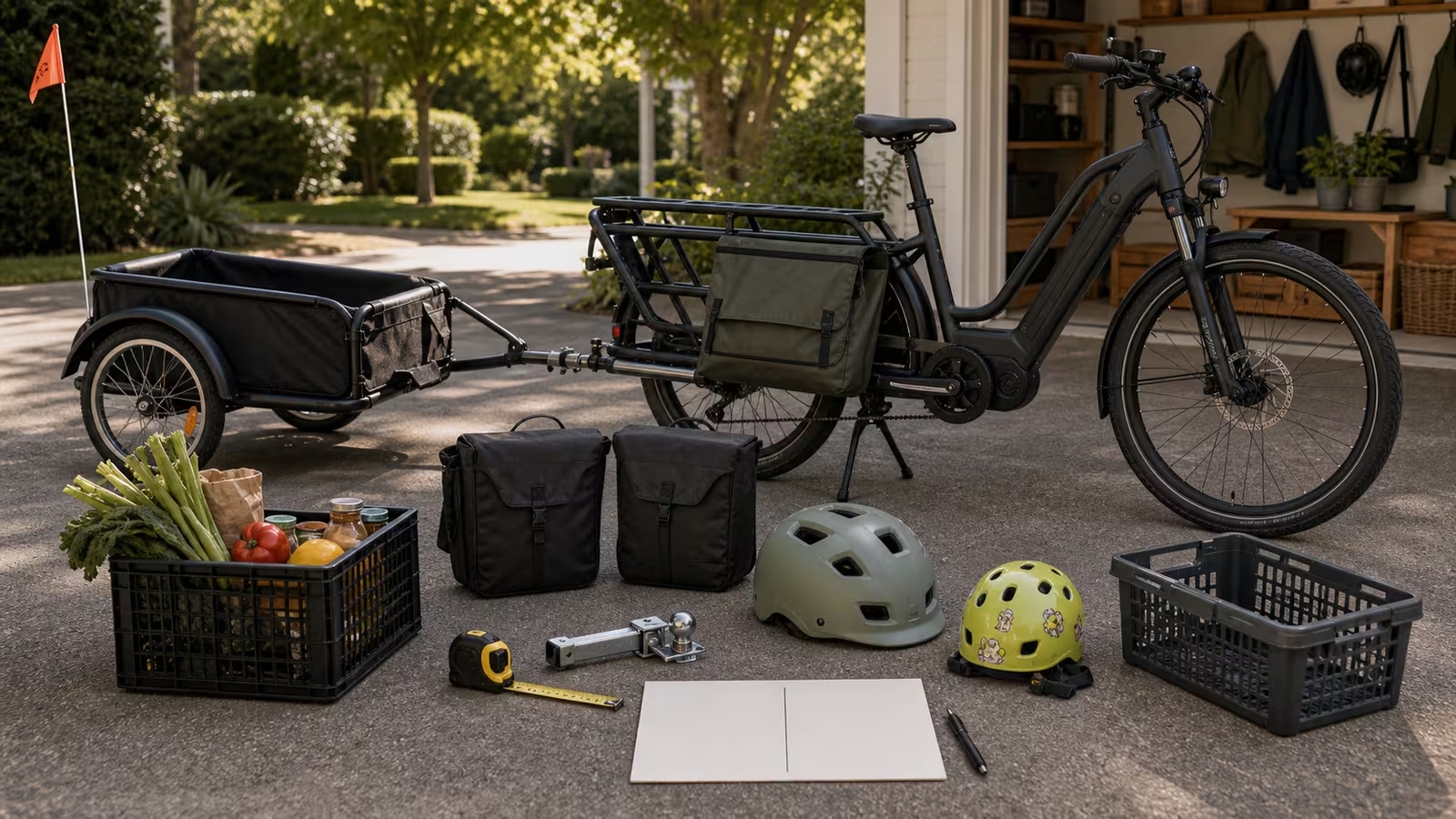
A trailer and a longtail can both make an e-bike more useful, but they solve different problems. A trailer can add capacity to a bike you already own and detach when not needed. A longtail keeps cargo on the bike and may feel more integrated for school runs or daily errands. Neither is automatically better. The right choice is the one you can store, steer, park, lock, maintain, and use on the routes that matter.
Name the actual load
Start with the ordinary load, not the biggest load you can imagine. Weekly groceries, two backpacks, a musical instrument, one child, two children, sports gear, work tools, laundry, or a bulk store trip all behave differently. A trailer may handle bulky but not daily loads well. A longtail may handle daily child seats well but be awkward in a tiny bike room.
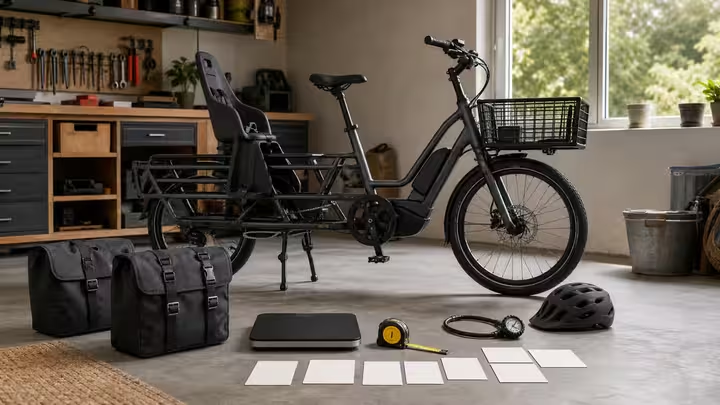
Use the Cargo Setup Picker to describe the load. Weight, size, fragility, weather sensitivity, passenger status, and frequency matter more than vague capacity.
Compare storage first
Trailers need storage even when detached. Where does the trailer go in an apartment, garage, bike room, office, or school rack? Can it stand upright? Does it fit through doors? Can you carry it up stairs? A longtail is always long. Does it fit in the elevator, bike room, rack, or carport? Can it turn through the hallway?
A cargo system that only fits by blocking an exit or annoying neighbors is not finished. The storage route is part of the decision.
Practice turning and backing up
Trailers change the path of the bike. They cut corners differently, add length, and may be awkward to back up. Longtails keep the load inline but add length and rear weight. Front-loaders, which are another category, add different steering behavior. Practice with harmless weight before traffic.
Turning matters at bollards, curb ramps, store entrances, school gates, apartment doors, and transit paths. A system that works on a wide bike path may fail at the tightest daily turn.
Think about passengers separately
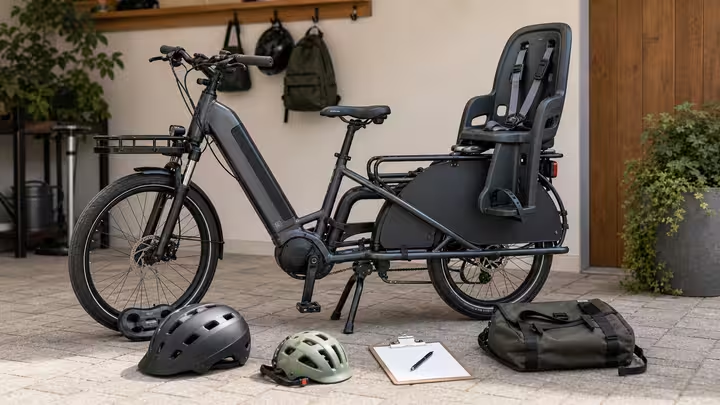
Child passengers raise the standard. A trailer designed for children is not the same as a cargo trailer. A longtail passenger seat needs appropriate rails, foot protection, wheel guards, handholds, and rules. Check age, weight, helmet, harness, and local access requirements. Do not improvise passenger carrying from cargo gear.
Passenger communication differs too. A child in a trailer is behind and lower. A child on a longtail is closer but may move the bike balance more directly. Practice loading, instructions, and emergency stops in a quiet place.
Check braking and range
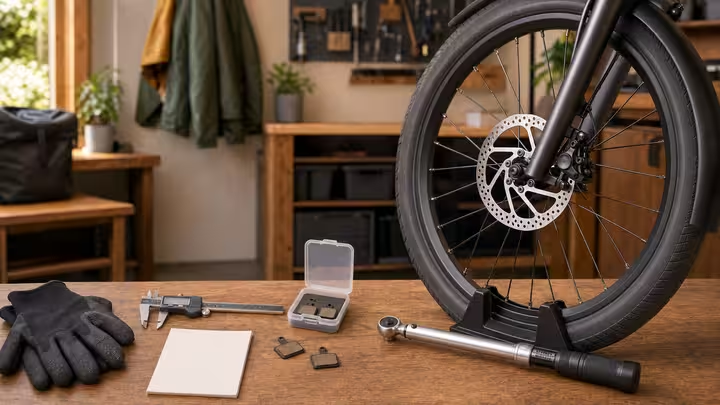
More load means more braking demand and often more battery use. A trailer can add rolling resistance and weight. A longtail may be heavier even when unloaded. Hills, wind, cold, and stop-and-go riding all change range. Plan reserve with the Range Reality Calculator and make sure brakes are serviced for the load.
If braking feels marginal, the cargo system is not ready. Do not use the first heavy trip as the brake test.
Consider theft and parking
A trailer creates another object to lock or bring inside. Some trailers detach quickly, which is convenient but can increase theft risk. A longtail may be harder to fit at crowded racks and more visible as a valuable bike. In both cases, accessories, rain covers, seats, and bags may attract attention.
Scout parking with the actual footprint. Can the frame be locked? Can the trailer be secured? Does the rig block pedestrians? Is the rack fixed and visible? The lock plan should be known before the store run.
Weather changes the answer
A trailer may protect cargo with a cover, but covers can catch wind and reduce visibility. A longtail may need pannier rain covers, child-seat covers, or low bags. Wet gear needs a drying plan. Cold weather may reduce range enough that a heavy cargo system needs a shorter route.
Choose the format that handles your normal bad weather, not only the sunny test ride.
Price the whole system
The cost is not only the trailer or longtail frame. Include hitch parts, passenger kits, bags, covers, locks, lights, fenders, maintenance, storage hooks, service, and possible brake upgrades or tire changes. A cheaper trailer may become expensive if the hitch is awkward, storage fails, or daily setup takes too long.
A more expensive integrated cargo bike may be worth it if it replaces many trips and stores cleanly. Or it may be wrong if you need occasional capacity only. Let use decide.
Choose for repetition
The best cargo system is the one you will use on an ordinary tired day. If attaching the trailer feels like a chore, it may stay home. If the longtail cannot fit through the gate, it may not leave. If passengers cannot follow the loading routine, the system is not ready.
Choose the shape that makes the next real trip easier, then practice before adding deadlines, children, or heavy loads.
Borrow or rent if possible
If you can borrow, rent, or test a trailer or longtail before buying, do it. A ten-minute ride may reveal whether the trailer storage is annoying, the longtail stand is hard to use, the child prefers one position, or the building doorway is the real limit. Bring the actual bags and practice the tightest turn in your routine.
Do not judge only by the smoothest demo route. Try stopping, walking, parking, loading, locking, and turning around. The best cargo choice is usually decided in those awkward moments, not during the easy straightaway.