Tires are where the e-bike meets the real route. They affect range, grip, comfort, braking, cargo handling, flat risk, and the rider’s confidence. A motor can make a soft tire feel less obvious because the rider is not working as hard, but the bike still pays the cost. A simple tire routine is one of the highest-value beginner habits because it prevents boring problems from becoming stranded rides.
Use a gauge, not a squeeze
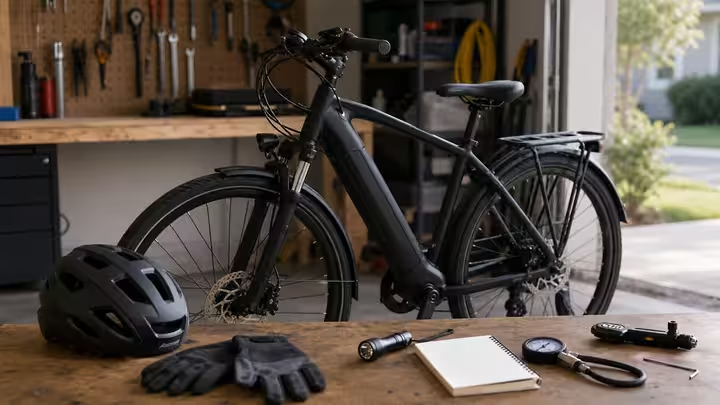
E-bike tires can be hard to judge by hand. Sturdy casings, wide tires, cargo loads, and rider expectations can make a soft tire feel acceptable until range drops or handling gets vague. Use a pressure gauge and choose a check schedule. Weekly may work for many riders. Daily may be sensible for heavy cargo, passenger routines, old tubes, known slow leaks, or important commutes.
Inflate within the pressure range allowed by the tire and rim, then adjust carefully for load, comfort, surface, and manufacturer guidance. Do not exceed stated limits. A tire that feels good for a solo ride may be too soft for groceries or a child passenger. A tire pumped high for smooth pavement may feel harsh and less grippy on rough surfaces.
Connect pressure to range
Soft tires can increase rolling resistance, which reduces range. The rider may compensate with more assist, making battery planning worse. If your normal route suddenly uses more battery, check tire pressure before blaming the battery. Also check whether weather, cargo, wind, brake rub, or route changes explain the difference.
The Range Reality Planning guide works best when the bike is mechanically honest. Range calculations are weaker when the tires are half-forgotten variables.
Inspect the tire, not only the air
Pressure is only one part of tire readiness. Look for cuts, embedded glass, thorns, wire, sidewall cracks, bulges, worn tread, casing threads, uneven seating, and rubbing against fenders or frame. Spin the wheel slowly and watch for wobble or scraping. Check valve stems for leaning, cracking, or loose nuts where applicable.
Some tire damage is a stop-use issue. A bulge, exposed casing, repeated sudden air loss, sidewall tear, or tire rubbing near the frame should not be treated as a normal commute. A beginner does not need to diagnose every tire failure, but should know when the ride needs to pause.
Carry a flat plan you can use
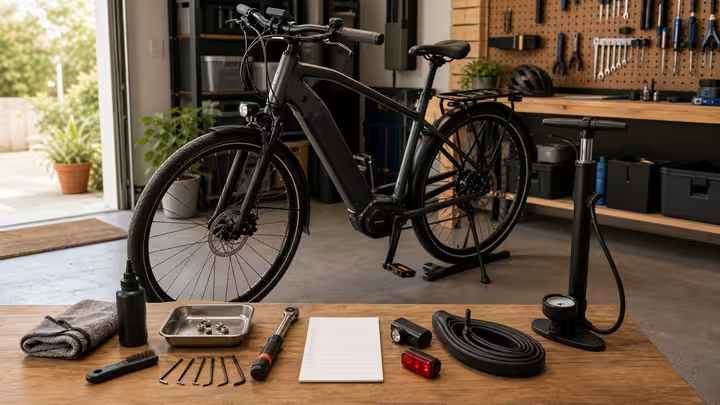
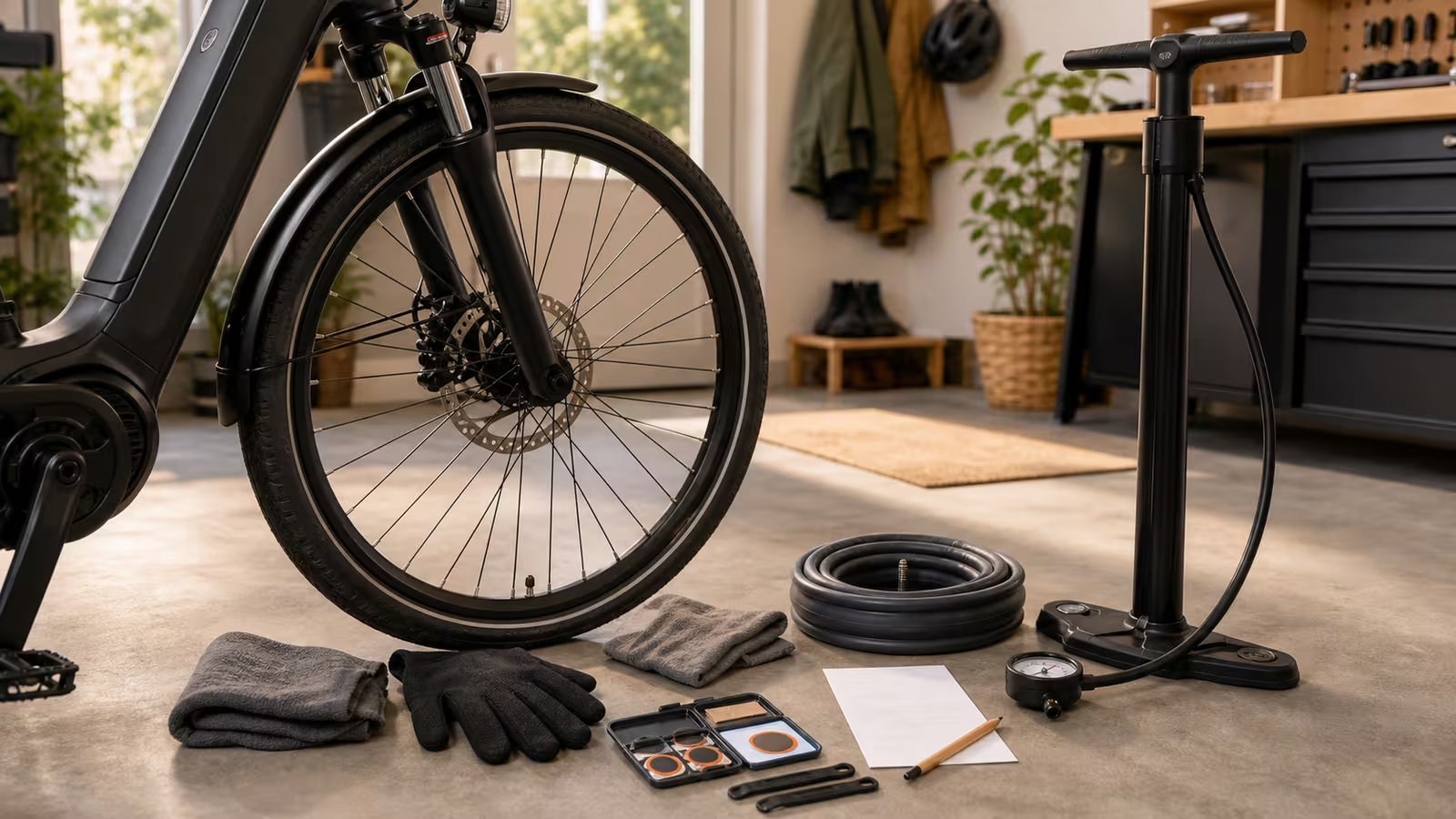
A flat kit is useful only if it matches the bike and your ability. Some riders carry a tube, tire levers, pump or inflator, wrench if needed, gloves, and patch kit. Some rely on sealant, roadside assistance, transit, pickup, or a nearby shop. Heavy e-bikes, hub motors, cargo bikes, belt drives, and internal gear systems can make wheel removal harder than on a simple bicycle.
Practice at home before assuming you can fix a flat in the rain by a curb. If you cannot realistically remove the wheel, your flat plan should say so. That is not failure; it is honest transportation planning.
Think about route surfaces
Glass-filled shoulders, construction debris, goathead thorns, gravel, rail crossings, potholes, sharp curb cuts, metal plates, and winter grit can all increase tire risk. A route that looks short on the map may be hard on tires. If you get repeated flats on one segment, scout an alternative rather than accepting the pattern.
Cargo changes surface tolerance. A loaded bike hits holes harder and may pinch tubes more easily on some setups. Lowering pressure for comfort without considering load can backfire. Use the tire and bike guidance, then test cautiously.
Learn the symptoms of a slow leak
A slow leak often announces itself as vague steering, more motor effort, rim taps over bumps, uneven handling, or a tire that looks lower after sitting. Do not keep riding indefinitely on a tire that needs topping up every day unless you understand why and have a plan. It may be a small puncture, valve issue, rim tape problem, bead seating problem, or damaged tire.
Before important rides, especially school runs or commutes without backup, check early enough to fix or choose another mode. Discovering a low tire while late makes people accept poor decisions.
Keep cargo and passenger tires stricter
Longtails, trailers, front-loaders, and child-seat bikes deserve stricter tire habits. A flat with a passenger is not just inconvenient. It can leave the rider managing a child, cargo, weather, and a heavy bike at the same time. Check pressure and visible damage before passenger routines. Carry the phone, backup contact, or transit plan you actually need.
Load ratings matter. The bike, rack, tires, wheels, and trailer all have limits. If the setup is near those limits, use the manufacturer guidance and professional service rather than guessing.
Reset the kit after use
After a flat or roadside repair, restock the kit. Replace the tube, patch, cartridge, gloves, or wipes. Clean sealant residue if applicable. Record what happened and where. If the same tire flats repeatedly, solve the cause rather than carrying more patches.
Tire readiness should become boring: pressure checked, damage noticed, kit realistic, route surfaces understood, and stop-use boundaries clear. That boring habit makes the e-bike feel lighter, safer, and easier to trust.
One small habit helps more than riders expect: check pressure before the bike is loaded. It is easier to hear a leak, find a valve issue, or notice a cut when the bike is still in the workshop corner than when groceries, rain gear, or a child seat routine are already waiting. If you share the bike, write the pressure range and the pump location in the same place as the lock key. The routine should not depend on one person remembering everything.
Related guidebooks
- Maintenance Rhythm: Brakes, Tires, Chain, and the Stop-Use Rule
- Range Reality Planning: Stop Trusting the Perfect Number
- Winter Range and Traction: Ride Only When the Margin Is Real
- Keepers Guild for repair records and knowing when not to DIY.