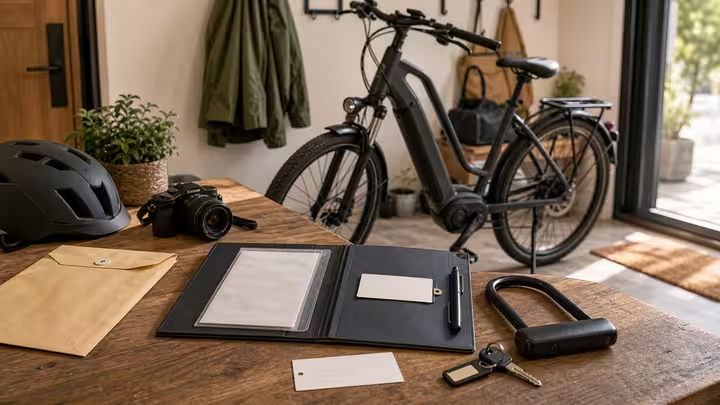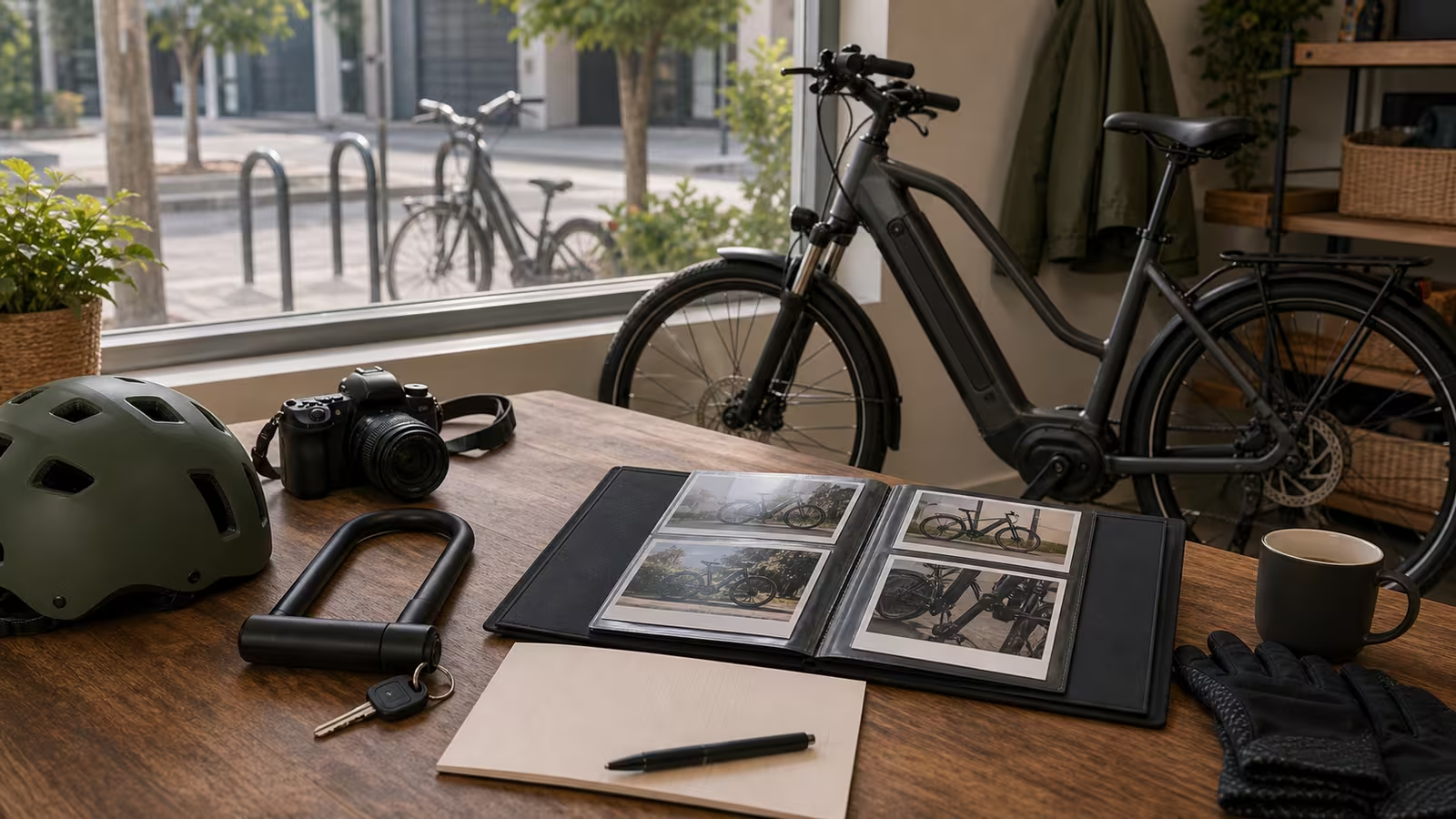
An e-bike theft is upsetting because it removes transportation, money, time, and confidence all at once. It can also push people into rushed choices: posting personal details publicly, confronting a suspected seller, filing incomplete reports, or realizing too late that the serial number was never recorded. A theft recovery routine does not make theft harmless. It gives the rider a calm order of operations when stress is high.
Confirm the bike is actually missing
Start by checking the obvious without accusing anyone. Was the bike moved by building staff, a family member, a shop, security, or a parking rule? Did you lock it to a rack that was later cleared? Is it in a different bike room bay, storage cage, or tow area? If the bike is gone, record the exact time window, location, lock used, and anything unusual.
Take photos of the empty rack, cut lock, damaged fixture, or camera location if it is safe and allowed. Do not disturb evidence more than necessary. If the lock remains, keep it. It may matter for insurance, registration, or understanding what happened.
Gather the ownership folder
The Insurance, Registration, and Serial Records guide exists for this moment. Gather the frame serial, battery serial if relevant, photos, receipt, registration, lock information, service records, unique marks, and accessory list. If the bike had a removable battery, note whether it was on the bike or with you. If bags, child seats, lights, or helmets were attached, list them.
Write a short factual description: make, model, color, size, serial, battery details, accessories, lock used, location, and time window. Avoid guesses in the main report. Keep speculation separate from facts.
File the right reports
Reporting processes vary. Some places use online police reports. Some campuses, transit systems, apartment buildings, parks, or workplaces have separate security reporting. Some bike registries allow a bike to be marked stolen. Some insurers require a police report number. Follow the process that applies where the bike disappeared.
Do not delay a report because you feel embarrassed about the lock choice or parking spot. Reports are easier with accurate records and harder after details fade. Save confirmation numbers, dates, names, and screenshots where appropriate.
Notify insurance and registration systems
If you have insurance or possible coverage through renters, homeowners, bicycle-specific, or other policies, contact the insurer according to the policy. Ask what documentation is needed and what not to do before the claim is reviewed. Keep copies of all communication. If a deductible, lock requirement, or location limit applies, write it down.
Update manufacturer registration, city registration, campus registration, and bike registries where relevant. If the bike later appears, those records may help connect it to you. If you do not know which registries matter locally, the Reality Check Desk habit can help you check current sources without chasing rumors.
Watch marketplaces carefully
It is reasonable to monitor local marketplaces, pawn listings, neighborhood groups, and used-bike channels, but do it carefully. Save screenshots, URLs, seller handles, dates, and item descriptions. Do not contact a suspected seller from your personal account if it increases risk. Do not arrange a recovery attempt alone. Follow local reporting guidance and use law enforcement or platform reporting processes where appropriate.
Public posts can help, but include only the information needed. Share photos and a broad location if useful, but think before posting your home address, full routine, personal documents, or every serial detail. Recovery and privacy should both matter.
Tell the building or destination what happened
If the theft happened at an apartment, workplace, school, store, transit station, or campus, notify the appropriate manager or security contact. Ask whether cameras exist, whether footage is retained for a short time, and how requests must be made. Do this quickly because footage may be overwritten. Stay factual and polite. The person at the desk may not control the system, but they may know the process.
Also inspect whether the rack, room, or parking choice needs to change for the future. A theft after-action should improve the next lock plan, not only chase the missing bike.
Avoid recovery myths
Tracking tags, viral posts, and marketplace sightings can be useful, but they do not replace safety or local reporting. A tracker location may be approximate, stale, or inside a multi-unit building. A marketplace listing may be unrelated. A confident online comment may be wrong about local law. Keep evidence, but avoid escalating without the right support.
This is where calm matters. The goal is to increase the chance of recovery while keeping people safe and preserving useful documentation.
Update the future lock plan
After the first wave of reports, review the stop. Was the rack fixed? Was the bike visible? Was the lock matched to the duration? Were accessories left on? Was the battery removed? Was the bike room too trusted? Did the serial record work? Use the Lock Risk Checklist to adjust future stops.
Do not turn the lesson into self-blame. Theft can happen even with good habits. The practical response is to improve records, locks, parking, and insurance clarity where possible.
Keep the case file open
Save all reports, claim notes, registry updates, screenshots, and communication in one folder. If the bike is recovered, document condition before riding. Check brakes, frame, battery, wiring, wheels, and locks before use. A recovered bike may need a mechanic and manufacturer guidance, especially if the battery, wiring, or frame was damaged.
Theft recovery is a sequence: confirm, document, report, update, monitor, improve. You cannot control every outcome, but you can keep the response organized enough to help.
Related guidebooks
- Insurance, Registration, and Serial Records: Make Ownership Findable
- Lock Risk Checklist: Match the Lock to the Stop
- Secure Parking Scouting: Find the Stop Before You Need It
- Reality Check Desk for verifying recovery claims and current reporting processes.