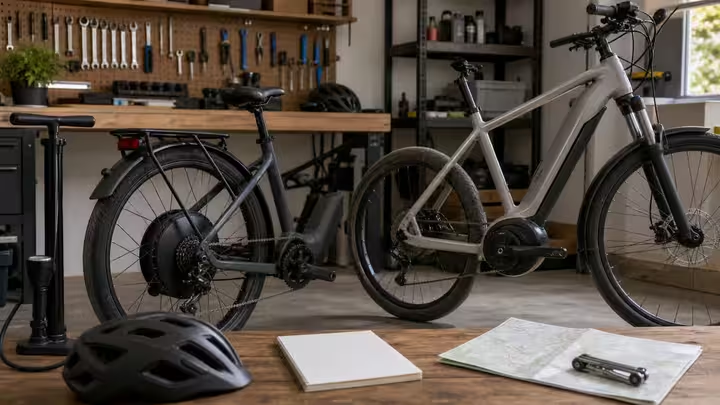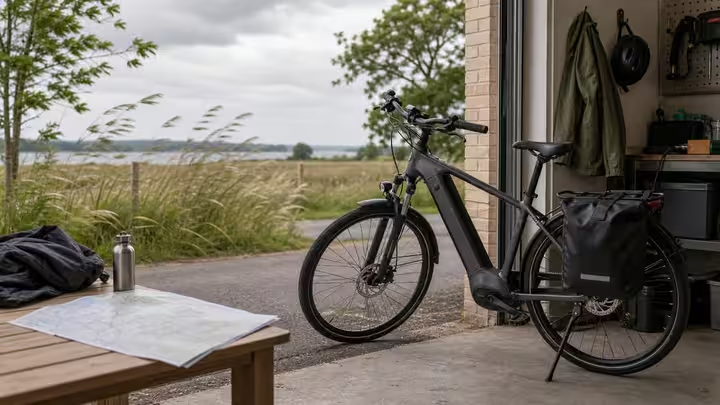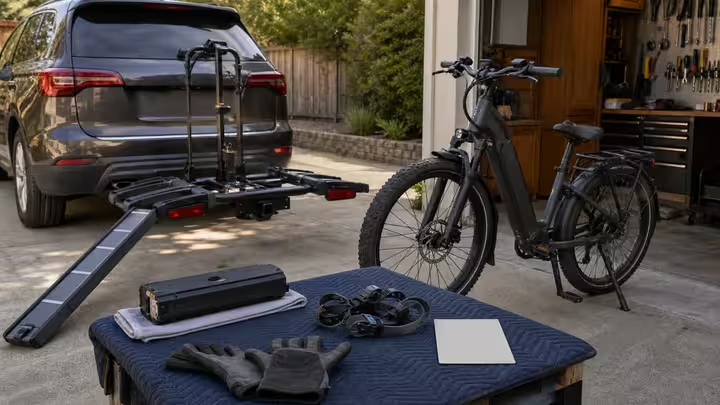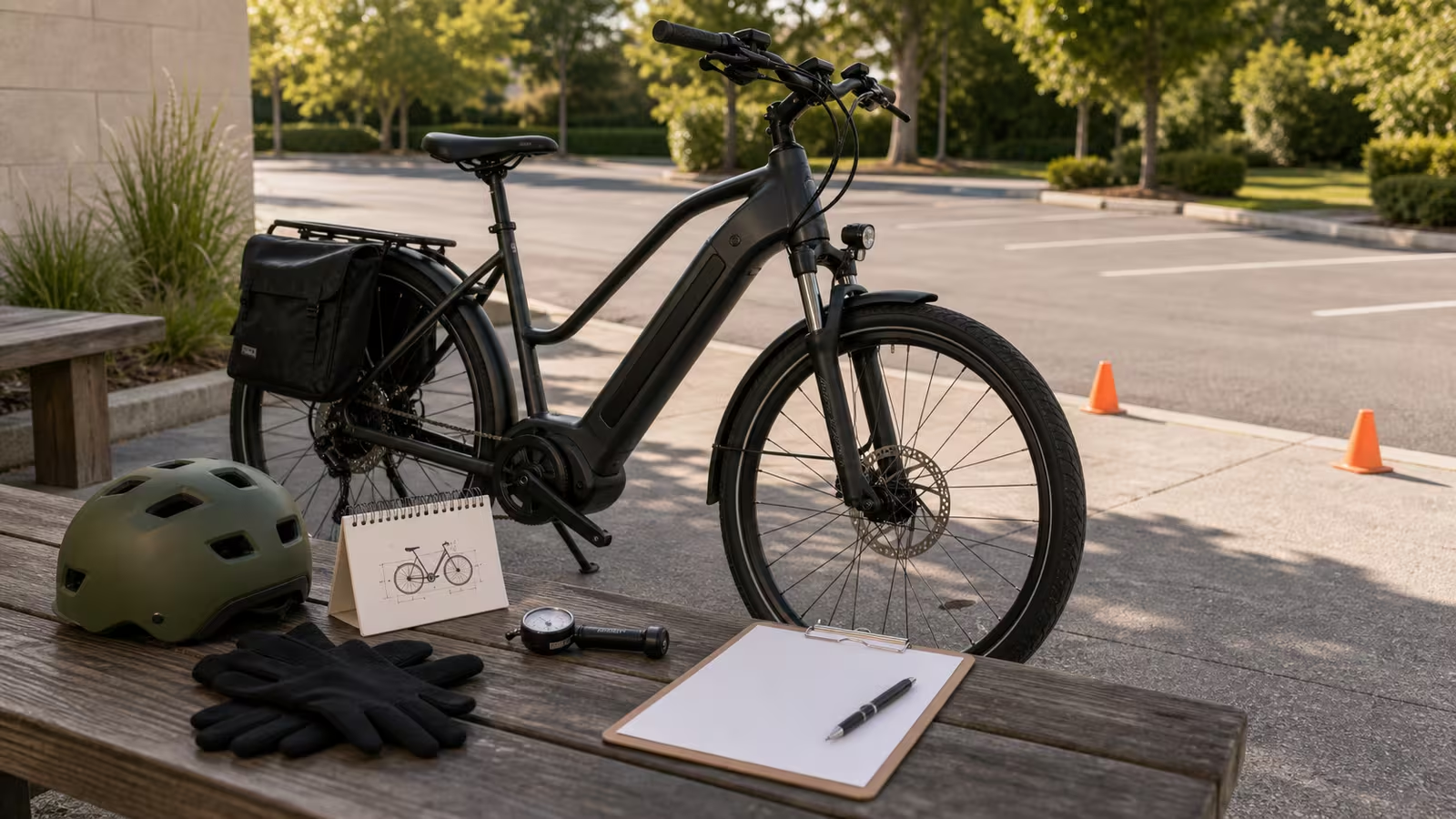
A test ride is not a victory lap. It is the moment when the bike stops being a listing, spec sheet, review, or sales pitch and becomes something your body has to start, stop, steer, walk, park, charge, and live with. A beginner-friendly test ride is structured and calm. It does not begin with maximum assist or traffic. It begins with fit, control, and whether the bike matches the life you are buying it for.
Start before you ride
Stand next to the bike and ask whether you can live with its weight and shape. Can you move it through your doorway, bike room, stairs, elevator, car rack, or storage area? Can you lift the front slightly if needed? Can you put it on the stand? Can you roll it backward? Can you reach the bars, brakes, display, and controls without stretching?
Fit is not only saddle height. A bike that feels fine for two minutes may become annoying if the bars are too far, the step-over is awkward, the weight is high, or the cargo rack blocks your usual storage. If the bike must carry a child seat, panniers, or groceries, check compatibility before the ride excitement takes over.
Check the controls quietly
Before moving, identify brakes, assist levels, throttle if present, gears, lights, bell, display, walk mode if included, and how the motor turns on and off. Ask what happens when the battery is low. Check whether the display is readable in daylight. Confirm that the seller or shop has explained anything unusual.
Do not test unknown controls while rolling into a street. A quiet parking lot is the right place to learn whether assist starts gently, surges, delays, or cuts off. A bike that feels unpredictable at low speed deserves caution.
Ride the first loop slowly
Start with a flat, empty, legal area. Pedal with assist off or low if the bike allows it. Then add the lowest assist. Start, stop, turn both directions, look over each shoulder, signal if safe, and coast. Listen for rubbing, clicking, grinding, creaking, skipping, or display errors. Feel whether the bike tracks straight and whether the brakes stop smoothly.
Keep the first loop boring. A test ride that begins with speed can hide awkward starts, heavy handling, weak brakes, or poor fit. The bike should earn harder questions.
Test assist as a behavior, not a number
Assist level names are marketing until you feel them. Does the motor respond smoothly or suddenly? Does it keep pushing longer than expected? Does it help at low speed without making the bike lurch? Does it cut out predictably? Does the throttle, if present and legal for your intended use, feel controllable? Does the bike ride acceptably if the battery is off?
These questions matter for crowded paths, school zones, hills, and apartment handling. A powerful bike that feels jumpy may be a poor first commuter even if the spec sheet is impressive.
Brake in stages
Brake gently, then more firmly, only when space is clear. Use both brakes according to instruction and comfort. Notice lever travel, pulsing, rubbing, squeal, grinding, and whether the bike stops straight. If braking feels weak, odd, or scary, do not excuse it as normal. Ask for service details and consider a mechanic inspection before buying.
Cargo and passenger plans need stronger brake confidence. Do not assume brakes that feel just adequate solo will feel fine with a child seat or loaded panniers.
Add the route questions
Once basic control is clear, ask how the bike fits your actual route. Can it climb the hill without feeling strained? Can you restart on a slope? Can you ride slowly through a shared path without wobble? Can you handle a tight turn into your storage space? Can the tires manage your pavement? Does the riding position let you see traffic and check behind?
You may not be able to test every condition, especially with a new bike at a shop. Write down what remains unknown. Unknowns are not reasons to panic, but they should affect the buying decision.
Test walking and parking
Many e-bike problems happen off the saddle. Walk the bike. Turn it in a tight space. Put it on the stand. Remove and replace the battery if that is part of your routine and the seller allows it. Lock it to a rack if possible. Check whether bags block the frame. See whether the bike can be managed when tired.
Apartment riders should be strict here. A bike that rides beautifully but cannot get through the building is not your everyday transportation yet.
Pause before deciding
After the ride, write immediate notes: fit, starts, assist, brakes, handling, display, noise, storage, route fit, service questions, local-rule questions, and total cost. Do this before the salesperson or seller fills the silence. Excitement fades; notes stay useful.
If anything felt wrong, ask whether it is adjustable, serviceable, or inherent to the bike. A saddle can change. A frame geometry mismatch may not. A worn brake can be serviced. An unsupported battery system may be a long-term problem.
Know when to walk away
Walk away from no safe test ride, brake uncertainty, battery damage, missing charger, removed serial, seller pressure, poor fit, unsupported parts, or a bike that does not match current local rules. A better bike is one you can ride calmly next week, not one that wins the spec sheet today.
A structured test ride protects the rider from buying the fantasy version of the bike. Listen to the actual starts, stops, turns, weight, fit, and service questions. The right e-bike should feel understandable before it feels exciting.