E-bike comfort is often blamed on the saddle because the saddle is where the complaint feels loudest. Sometimes that is fair. Often it is incomplete. The tires may be too hard for the surface. The route may be rougher than necessary. The rider may be locked into the handlebar. A suspension fork may be set badly or neglected. A suspension seatpost may move too much or not enough. Cargo may be changing the bike more than the rider notices.
Comfort matters because discomfort decides repeat use. A bike that technically handles the commute but leaves the rider with sore hands, rattled wrists, numbness, or a harsh back-of-bike feeling will quietly lose trips. The fix should be careful. Changing many soft parts at once can make the bike feel different without showing which change helped.
Start with the route surface
Before buying parts, look at the route. A harsh ride may be the bike telling the truth about broken pavement, brick paths, gravel seams, driveway lips, potholes, rail crossings, or a shortcut that saves two minutes and spends all your patience. The Route Scouting for Low-Stress Streets guide is not only about traffic. It is also about surfaces that let the rider relax.
Ride a calmer version of the route once and notice the body difference. If the discomfort mostly disappears on smoother streets, the first comfort upgrade may be a route change. That does not mean avoiding every bump. It means not asking a commuter bike to solve a road problem that a better street avoids.
Tires are the first suspension
Tires absorb small impacts before forks and seatposts join the conversation. Pressure that is too high for the rider, bike, tire, load, and surface can make the bike skitter and buzz. Pressure that is too low can make steering vague, increase rim-strike risk, reduce range, and invite flats or tire damage. The useful range is bounded by the tire sidewall, rim or bike guidance, and the real load.
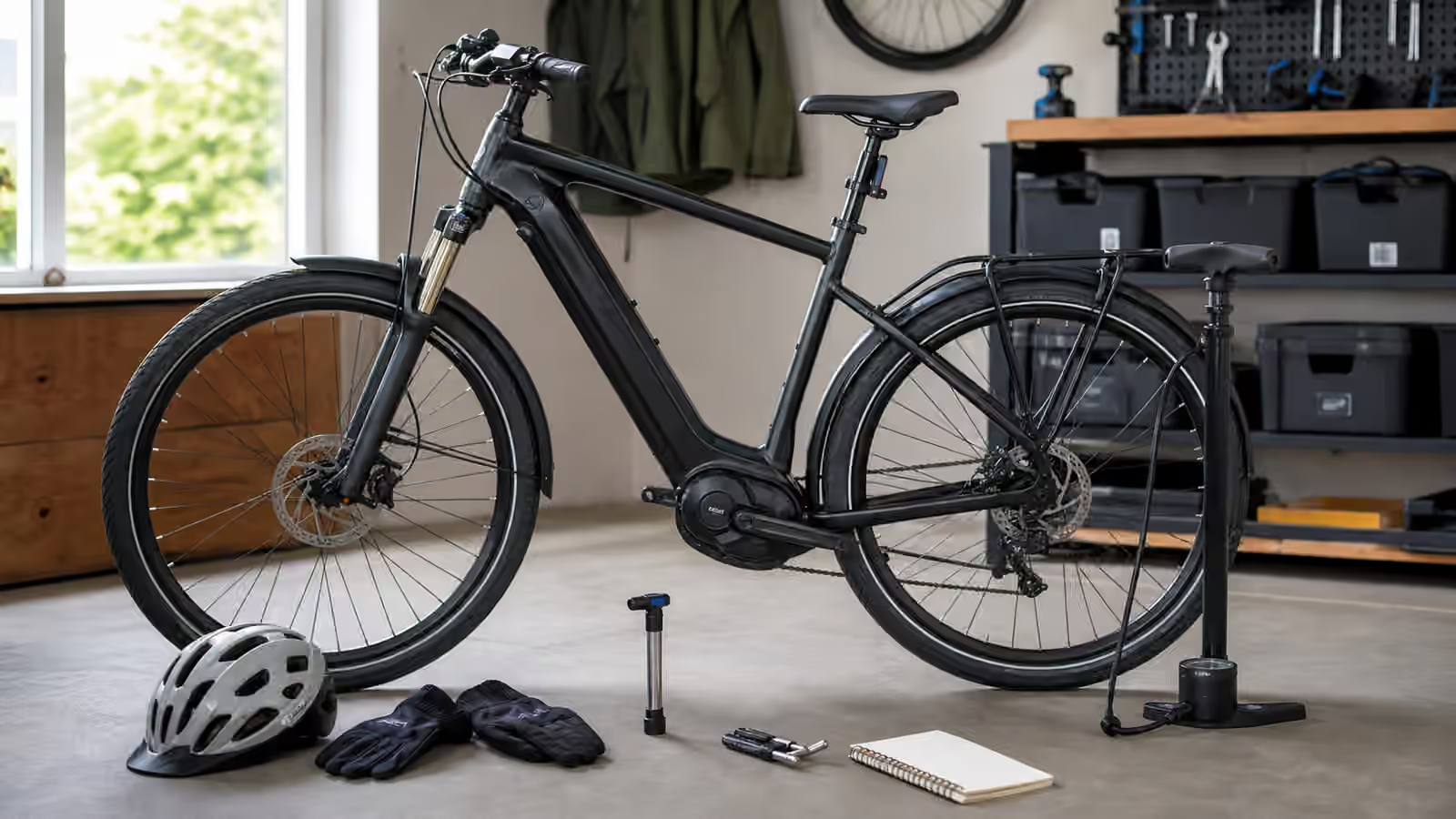
Use the Tire Pressure and Puncture Readiness habit before blaming the saddle. Check pressure with a gauge, not a thumb. Write down what you tried and how the ride felt. If the bike carries groceries or passengers, note the loaded pressure separately. A comfort setting that works for an empty ride may be wrong for a cargo day.
Suspension forks need maintenance and expectations
A suspension fork on an e-bike can smooth rough pavement, but it is not a promise of comfort. Cheap or neglected forks may add weight without much useful movement. Air forks need correct pressure and sometimes rebound adjustment. Coil forks may have preload limits. Some forks have lockouts that should be understood before a climb, rough descent, or loaded ride. All of them need the manual.
Do not use a fork as an excuse to hit potholes faster. Suspension can reduce harshness, but wheels, spokes, tires, racks, batteries, and riders still take the hit. If a fork clunks, leaks, sticks, dives under braking, wobbles, or feels loose in the steering, that is not a comfort setting to tolerate. It is a service question. The Wheel, Spoke, and Axle Checks guide belongs nearby because harsh impacts and wheel clues often appear together.
Seatposts can help, but they change the bike
A suspension seatpost or flexible post can reduce repeated bumps at the saddle. It can also raise the saddle, change pedaling feel, add movement during mounts and starts, and create a new maintenance item. Check minimum insertion marks, frame compatibility, rider weight range, cargo use, and saddle height before buying. A post that is too tall for the rider is not a comfort upgrade.
After installation, ride slowly before using the bike in traffic or with passengers. Notice whether the post moves predictably, whether the saddle height changed, whether your feet reach the ground differently at stops, and whether the bike feels less stable during starts. The Saddle, Grip, and Cockpit Comfort guide covers touch points more broadly. A seatpost can help, but it cannot solve a saddle placed badly or a cockpit that puts too much weight on the hands.
Cargo changes comfort settings
Cargo does not only change range and braking. It changes comfort. Rear weight can make the back of the bike feel planted or harsh depending on tires, frame, rack, and route. Front weight can make steering feel heavy. A trailer can tug over rough surfaces. A child seat can make the rider avoid bumps differently. The comfort setting for a solo commute may not fit a school run.
If a loaded ride feels rough, do not jump straight to softer tires or more suspension. Check load position, rack tightness, tire pressure, wheel condition, and route. Heavy loose cargo can make every bump feel worse because the load moves after the bike moves. The Grocery Hauling Without Wobble guide gives the packing side of this problem.
Change one variable at a time
Comfort improves fastest when the rider experiments slowly. Change tire pressure within limits, then ride the same route. Adjust saddle position carefully, then ride. Change grips, then ride. Adjust suspension according to the manual, then ride. If you change tires, saddle, grips, seatpost, fork pressure, and route in the same weekend, you may like the result but learn very little.
Keep a short comfort note for three rides. Where did discomfort show up? Hands, wrists, shoulders, saddle, feet, lower back, neck, or general fatigue? Did it appear on rough pavement, hills, long straight sections, starts, stops, cold weather, or cargo days? The Commute Comfort Audit can help structure that observation, but plain notes work too.
Do not hide control problems under softness
Softness is not always safer. Too little tire pressure, a loose fork, an overactive seatpost, a saddle that shifts, or a loaded bike that wallows can reduce control. Comfort should make the rider calmer without making steering, braking, mounting, or cargo handling vague. If the bike becomes harder to control after a comfort change, reverse the change or get help.
A good comfort setup is modest and repeatable. The tires suit the load, the suspension follows its instructions, the seatpost does not surprise the rider, the saddle and grips fit the real route, and the worst pavement is avoided when possible. The result is not a cloud-like ride. It is a bike that feels ordinary enough to use again tomorrow.