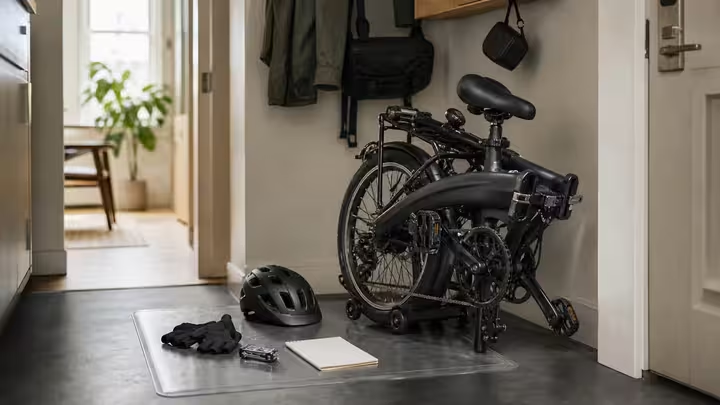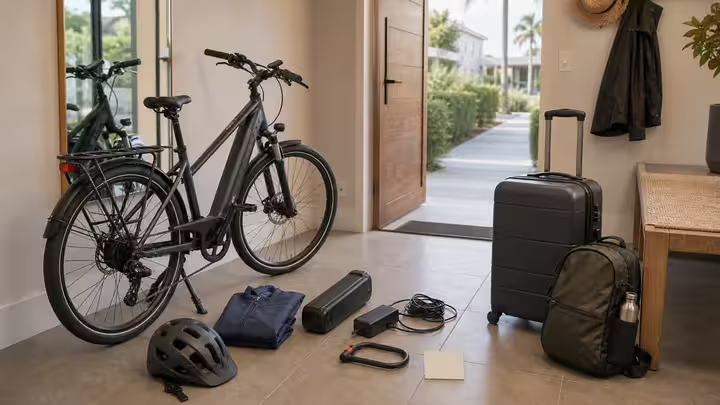
The ride is not the only hard part of e-bike life. A heavy bike may be pleasant on the road and miserable in a narrow hallway. It may climb hills with ease and still be awkward through a glass door. It may fit the route but not the elevator. It may solve the commute while creating a daily wrestling match in the storage room.
Off-bike handling deserves its own plan because it decides whether the bike leaves home on ordinary days. A rider who can roll, turn, park, lift, or ramp the bike calmly is more likely to use it. A rider who dreads the doorway may start choosing another vehicle before the weather or distance even matters.
Measure the awkward parts
The important dimensions are not only wheel size and frame size. Measure or test the door swing, hallway turn, elevator depth, ramp width, stair landing, bike-room aisle, and the space needed to turn the handlebar. A bike that technically fits may still be annoying if every movement requires a three-point shuffle while holding a bag and lock.
Practice when the building is quiet. Roll from storage to the exit and back. Notice where the pedal hits a wall, where the handlebar catches a door frame, where the rear wheel cuts the corner, and where the bike wants to tip. These observations are not small. They are the real route between your home and the street. The Apartment Storage and Charging guide covers the larger building plan; this guide focuses on the physical movement through it.
Doors need a sequence
A heavy e-bike and a spring-loaded door can make a rider feel clumsy fast. Decide the sequence before it becomes a morning problem. Sometimes it is better to stand beside the bike, open the door fully, hold a brake, and roll through slowly. Sometimes the bike needs to be angled so the rear rack clears. Sometimes a pannier has to come off before the doorway. Sometimes the honest answer is that this entrance is not the right one for the bike.
Protect walls and doors without turning the hallway into your workshop. A folded blanket or small pad can help during practice, but the long-term goal is a clean movement that does not scrape paint, block neighbors, or leave the bike half-balanced. If a door cannot be used without forcing it, dragging the bike, or interfering with other people, the access plan needs to change.
Stairs are not a personality test
Some e-bikes are simply too heavy or awkward for regular stair carrying. Removing the battery may reduce weight on bikes where the manual allows it, but the frame, motor, cargo hardware, and wheels may still be heavy. A step-through frame can be easier to mount but awkward to shoulder. A longtail may be too long for a landing. A front-loader may be unrealistic on stairs without special planning.
If stairs are unavoidable, rehearse unloaded and with another person nearby if appropriate. Know where the bike can be held without crushing cables, grabbing a brake rotor, or bending a fender. Keep the wheels controlled. Do not let the motor, battery, or display slam into steps. If the method feels like a near miss, do not make it a daily routine. A different storage location, ramp, bike model, folding bike, or non-bike trip may be the safer and more practical answer.
Ramps change the problem, not always solve it
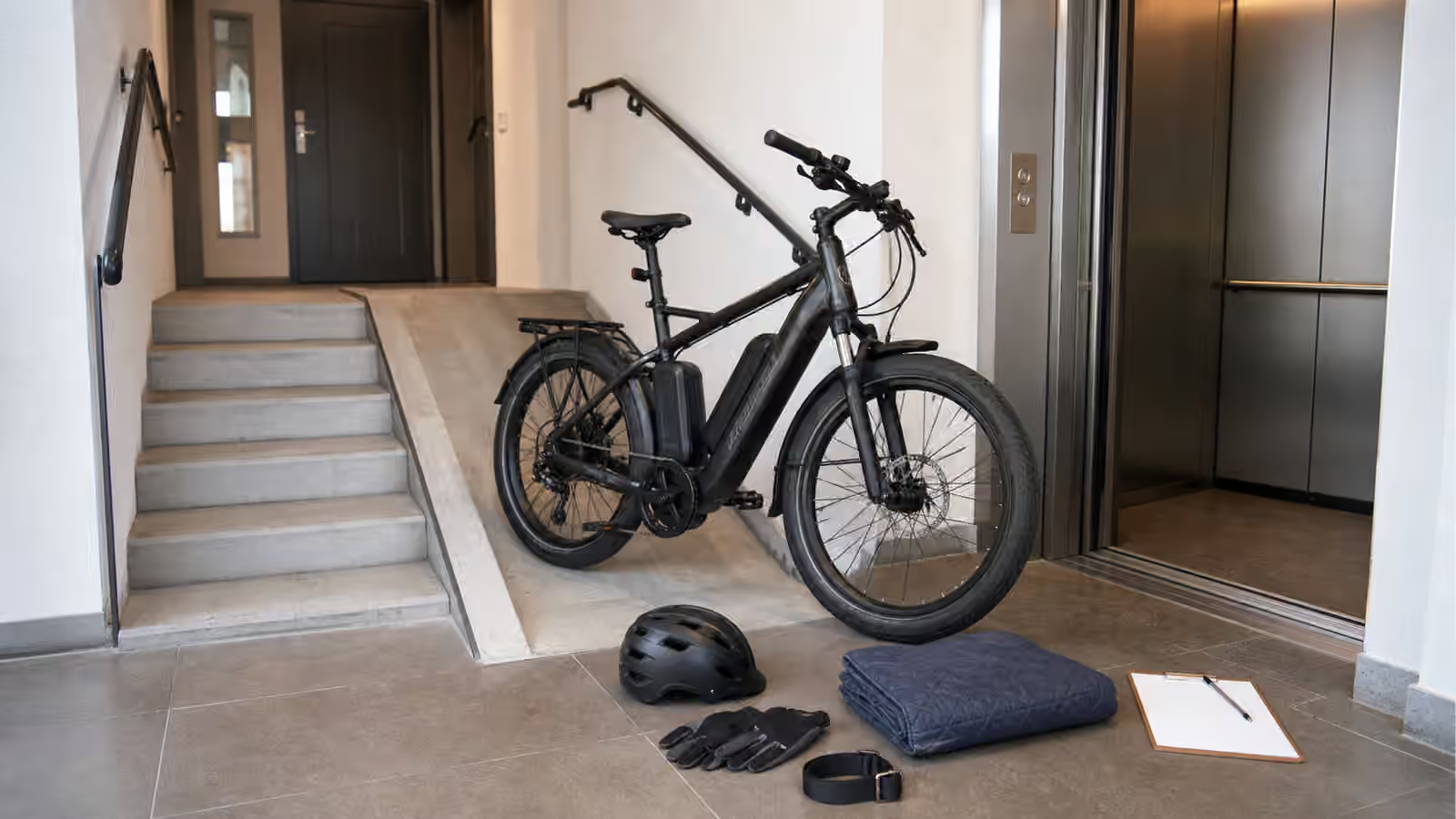
A ramp can make access possible, but slope, surface, length, edges, wet conditions, and turning room matter. A steep short ramp can be harder than two shallow steps because the bike’s weight wants to roll back. A narrow ramp can make pedals or panniers hit the edge. A portable ramp can shift if not placed correctly. A shared building ramp may not be a bike-loading area and may need to stay clear for mobility access.
Approach ramps slowly with both hands ready and a brake covered. If the bike has walk assist, learn it in a clear practice area before using it near a wall, door, or person. Walk assist can help, but it is still powered movement. If it starts too quickly, stops too slowly, or requires a grip you cannot maintain, do not use it in tight access spaces.
Elevators need turning and etiquette
An elevator that accepts the bike once may still be a poor daily plan if it blocks other people, hits the door, or forces a stressful turn. Check whether the bike fits straight in, whether the handlebar has to turn, whether the rear rack clears the door, and whether a loaded pannier changes the width. A long cargo bike may fit only diagonally, which may be rude or impossible when other people are waiting.
Use the brake when the elevator moves. Keep pedals from scraping walls. Let people exit first. Do not trap someone behind a bike they did not choose to share space with. If the building has rules about bikes in elevators, follow them. A practical e-bike should make transportation easier without turning shared spaces into a daily argument.
Storage rooms need a landing plan
The final ten feet can undo a good ride. A crowded bike room, high hook, narrow aisle, poor lighting, loose floor clutter, or awkward charger location can make parking slow and frustrating. Know where the bike will stop, where the lock goes, how the battery is handled, and whether the kickstand works on that floor. If the bike room requires lifting onto a vertical hook, many e-bikes and many riders will not be good matches for that room.
Shared storage also has a social side. Keep aisles clear, avoid blocking other bikes, do not run charging cords across walking paths, and do not leave wet gear where it creates mess. The Bike Room and Shared Storage Etiquette guide treats this as part of ownership, not an afterthought.
Transit transfers are off-bike handling too
Stations, elevators, ramps, platform gaps, crowded cars, turnstiles, and stairs can make transit connections harder than the ride itself. Agency rules vary, and some systems restrict e-bikes, batteries, folded bikes, peak hours, or vehicle types. Even when the rules allow a bike, the physical route through the station may not suit a heavy e-bike.
Scout the transfer without pressure before depending on it. Find the elevator, bike channel, ramp, or parking alternative. Decide whether the e-bike is coming aboard, being locked at the station, or staying home for that trip. The Transit Connections With an E-Bike guide covers that full route decision.
Make the access route part of the bike purchase
A test ride that ignores stairs, doors, storage, and elevators is incomplete. If the bike will live in an apartment, office garage, shared bike room, train station, or shed with a step, test the handling problem before buying when possible. Weight on a spec sheet does not tell the whole story. Balance, handlebar width, wheelbase, stand shape, battery removal, and grip points all change how heavy the bike feels.
Off-bike handling is not glamorous, but it is often the difference between a bike that becomes daily transport and a bike that stays parked. The street route starts at the place where the bike is stored. Make that first route calm, legal, neighborly, and physically realistic.
For control practice, pair this with Motor Assist and Shifting Practice . The same patience that makes assist predictable on pavement also helps when moving a heavy bike through tight spaces at walking speed.