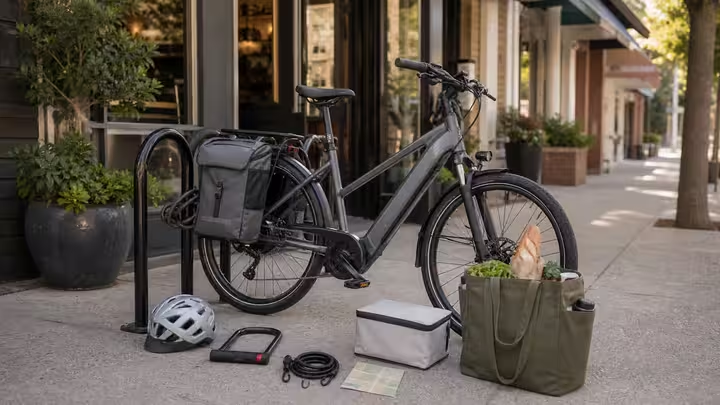
Parking is part of the route. A rider can choose a calm street, manage range, pack groceries well, and still fail the trip at the destination if there is no fixed rack, the lock does not fit, the bike blocks pedestrians, or the stop feels unsafe. Secure parking scouting means finding the stop before the errand is urgent.
Scout repeat stops in daylight
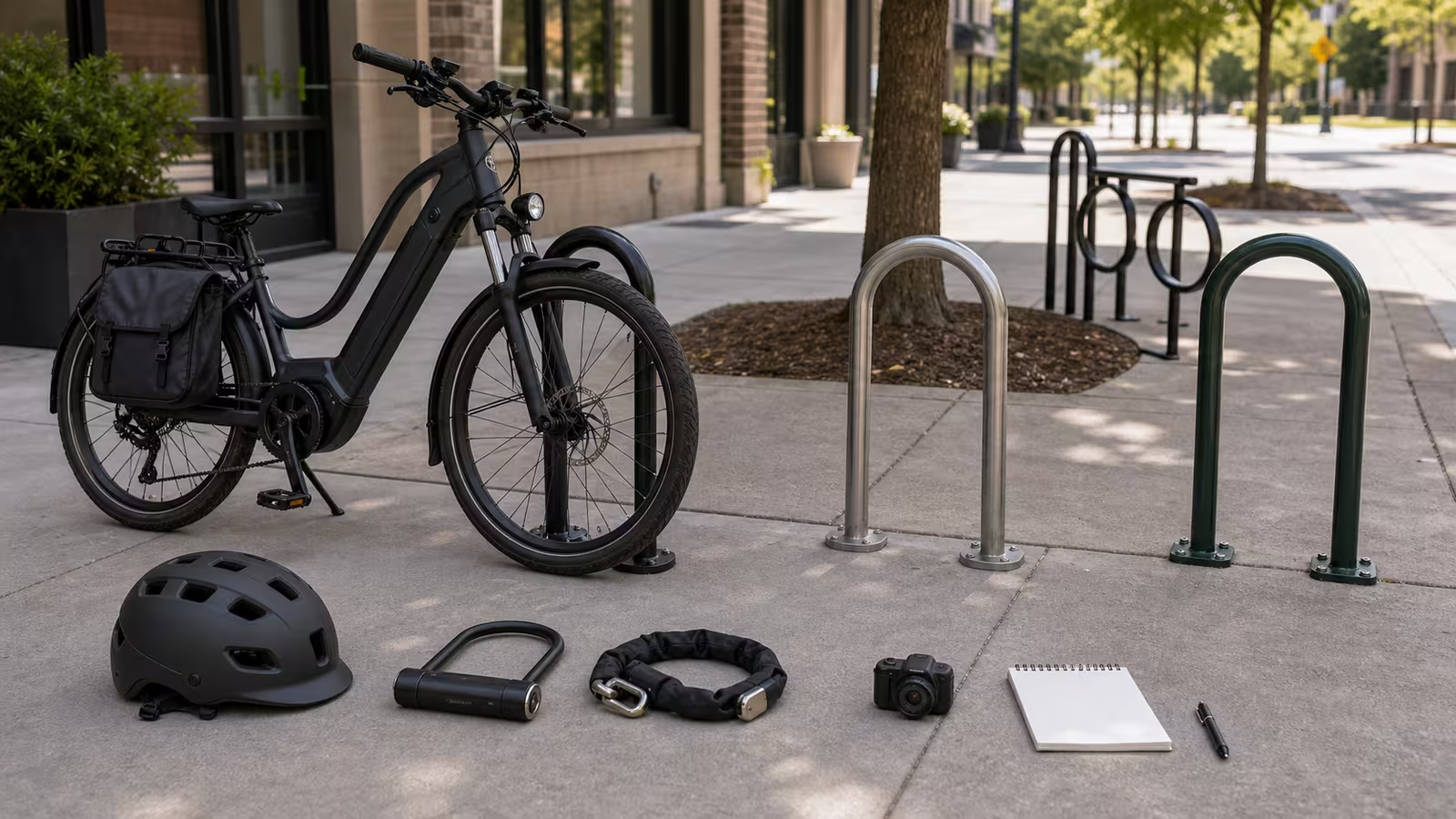
For destinations you use often, visit once without pressure. Look for racks, fixed objects, lighting, visibility, cameras, foot traffic, weather cover, and whether the frame can be locked. Check if the rack is bolted securely. A decorative rail may not be allowed or strong. A wheel-only rack may be weak for an e-bike.
If the destination has no good parking, decide the backup: another entrance, a nearby rack, walking the last block, transit, delivery, or another mode.
Match lock to duration
A five-minute visible stop is different from an eight-hour workday. Use the Lock Risk Checklist to match duration, rack, visibility, accessories, and records. Long stops often need stronger locks, better racks, and fewer removable accessories left behind.
Do not let a poor rack downgrade the lock plan. If the frame cannot be locked, look for a better spot.
Check the bike’s real shape
Panniers, child seats, crates, trailers, and front boxes can make parking harder. A rack that fits a slim bike may not fit a longtail. A trailer may need its own lock. A front-loader may block a sidewalk if parked carelessly. Scout with the actual cargo shape or at least measure it.
If parking requires blocking people, it is not a good stop. Courtesy and security need to work together.
Think about accessories
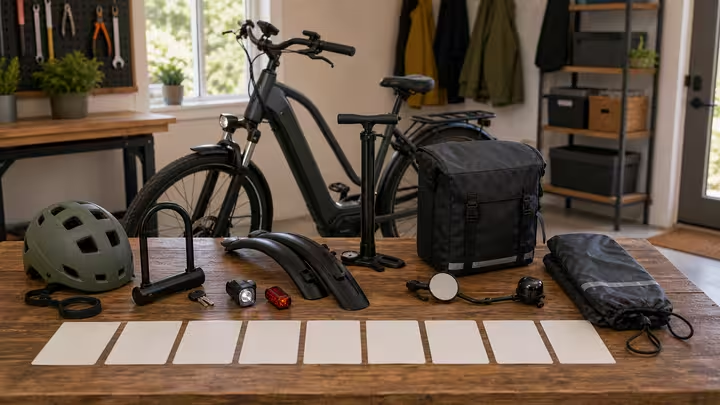
Lights, bags, displays, batteries, helmets, child seats, and rain covers may be stolen or damaged. Decide what comes with you. A removable battery may reduce theft risk or be required by the building, but carrying it may be heavy. A bag may be easy to remove but awkward in a store. Build the habit before the stop.
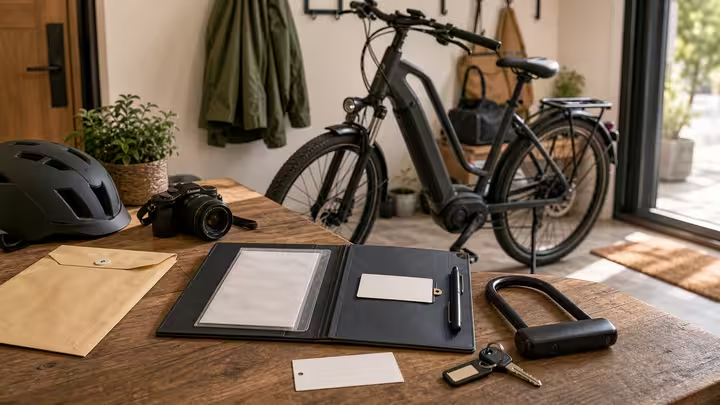
Take photos of the bike and serials before relying on any public parking. Records help after theft.
Weather and night change parking
A good daytime rack can feel different at night. A dry rack can flood in rain. A sunny rack can heat a battery. A winter rack can be buried by snow. Check conditions that match your routine. If the ride home is after dark, the parking spot should be judged after dark too.
Lighting is not only for theft. It helps you unlock, inspect the bike, and rejoin traffic without fumbling.
Keep a parking note
Write down the best rack, backup rack, lock method, accessory plan, and any rule. For work, school, transit, and grocery stops, this note saves time. If a rack disappears because of construction, update the route note.
Shared household riders especially need parking notes. The person who scouted the rack may not be the person using it next week.
Leave if it feels wrong
If the rack is broken, hidden, crowded by suspicious activity, blocked by construction, or impossible to lock properly, choose the backup. Do not rationalize a weak stop because you are late. E-bike security is built from repeated conservative choices.
Secure parking scouting turns locking from panic into routine. Know the stop, use the right lock, protect records, and keep a backup.
Make scouting part of route planning
Do not treat parking as a separate chore after the route is chosen. A slightly longer route with a better rack, better lighting, and clearer local rules may be more useful than the shortest route to a poor stop. When comparing destinations, include the last fifty feet: how you leave the street, where you roll the bike, whether you block people while unloading, where you stand while locking, and whether the bike can be removed without lifting awkwardly through a crowd.
For repeat errands, create a parking ladder. The first choice is the best rack. The second choice is a backup rack or indoor permission. The third choice is a different mode or a different destination. This removes the common mistake of arriving, finding the good rack full, and accepting a weak signpost or hidden corner because the errand feels urgent.
Check whether parking is compatible with cargo. A longtail loaded with groceries may need room on both sides. A front-loader may need a wider approach. A trailer may need to detach or lock separately. A child seat may make the bike too tall for certain indoor areas. If you cannot park the bike without blocking access, scraping other bikes, or leaving the load exposed, the stop is not ready.
Also consider how the return starts. Unlocking in a dark, crowded, rainy, or isolated place can be more stressful than locking in daylight. The parking plan should include where you put bags, where the helmet goes, whether lights are charged, and how you rejoin the route. Secure parking is successful only when arrival and departure both work.
When in doubt, choose the stop that is easier to explain. If another rider, building manager, shop owner, or officer asks why the bike is there, the answer should be simple: the rack is intended for bikes, the frame is locked, access is clear, and the stop respects posted rules. Ambiguous parking is often weaker parking.