Some e-bikes are used all year. Others pause for winter, a hot season, travel, injury, school breaks, a move, or a stretch of life where another mode takes over. The pause is not a failure. It only becomes a problem when the bike is rolled into a corner wet, fully forgotten, plugged into a mystery charger, sitting on soft tires, and expected to behave perfectly months later.
Good seasonal storage is quiet and conservative. It protects the battery, keeps moisture from becoming corrosion, prevents tires from suffering unnecessary stress, keeps records findable, and makes the restart ride short enough to reveal issues before a commute or school run depends on the bike.
Clean before storage, but keep water out
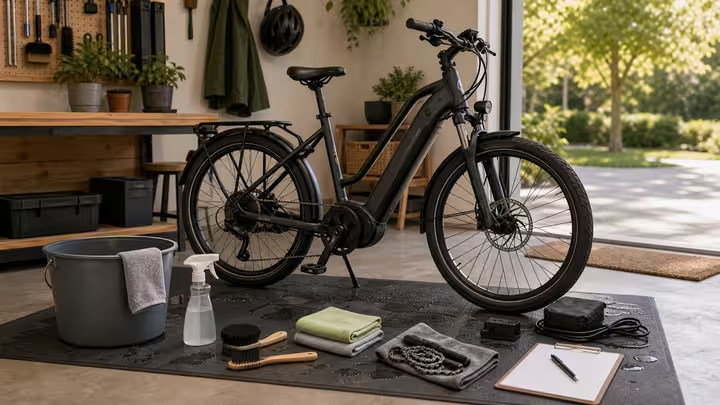
A dirty bike can be stored, but a gently cleaned bike tells you more. Mud, road grit, winter salt, spilled groceries, and wet leaves hide wear and hold moisture where it does not belong. Use the calm approach from Cleaning Without Pressure Washing : wipe, brush, dry, and inspect rather than blasting water into bearings, brakes, displays, connectors, or the motor area.
The cleaning session is also the first restart note. If the brake lever already feels wrong, the tire is cut, the rack is loose, the chain is dry, or the battery mount looks damaged, write it down before the bike disappears behind storage bins. Problems discovered before storage are easier to plan than problems rediscovered ten minutes before a ride.
Store the battery as instructed, not as guessed
The Battery Care Planner explains the everyday habit. Seasonal storage asks the same questions with more patience. What charge level does the manufacturer recommend for storage? Should the battery stay on the bike or be removed? What temperature range is allowed? How often should it be checked? Which charger is approved? What symptoms mean stop-use?
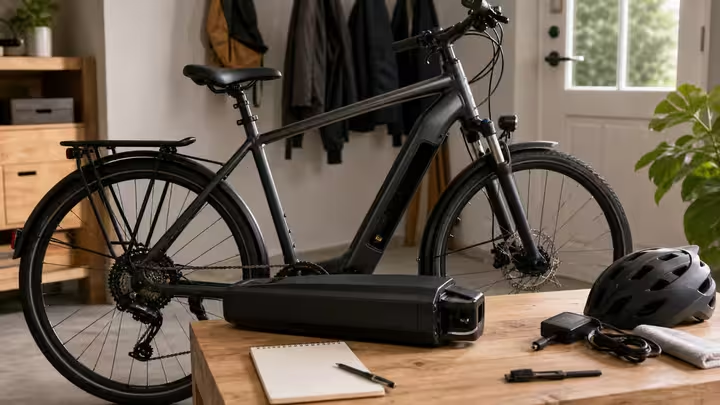
Avoid the two lazy extremes: leaving the battery forgotten at empty for months, or leaving it continuously charging because full feels reassuring. Many manufacturers prefer a partial charge for longer storage, but the exact instruction belongs to the battery maker, not a generic rule. Store the charger with the bike records so the correct charger remains obvious. Do not rely on a charger because the plug shape seems to fit.
Choose a place that respects people and exits
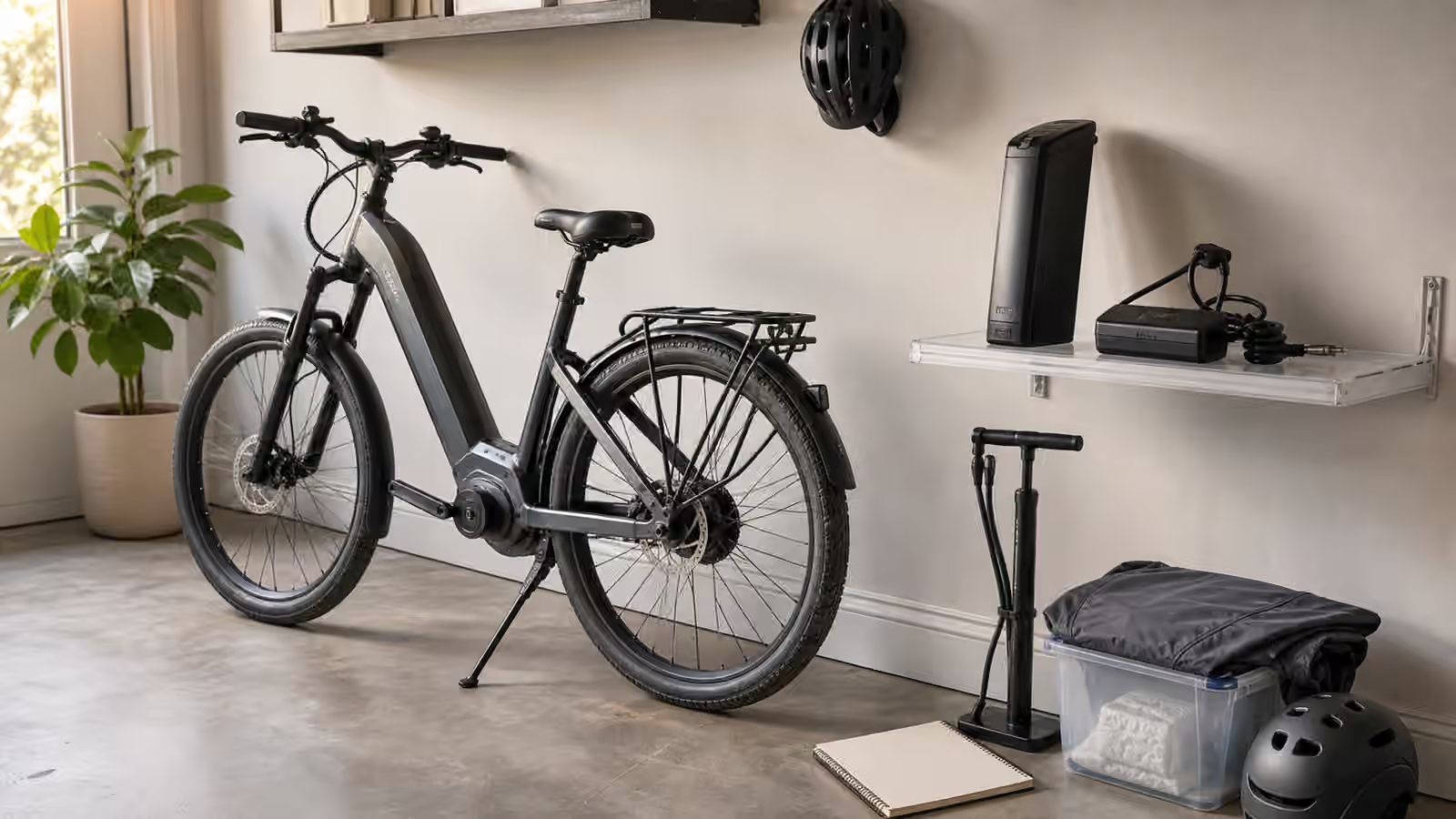
Storage is also a household and building problem. An e-bike should not block exits, fire doors, ramps, hallways, common storage aisles, electrical panels, or neighbors’ access. It should not sit where rain blows in, where a heater bakes it, where freezing temperatures violate the manual, or where a wet floor reaches electrical parts. If the bike lives in an apartment or shared room, Apartment Storage and Charging is the larger guide to building rules and daily friction.
Security still matters during a pause. A bike that is not ridden can be easier to forget and easier to steal. Lock it according to the storage risk, remove tempting accessories, keep the serial number and photos in the ownership folder, and make sure someone else in the household knows what belongs with the bike. A seasonal pause should not scatter keys, chargers, display covers, and battery records into separate drawers.
Give tires and contact points some attention
Tires lose air over time. A heavy e-bike sitting on soft tires for months may develop avoidable stress, especially if it is loaded with bags or parked awkwardly. Inflate within the tire and bike guidance before storage, then check periodically if the bike will sit long. If possible, unload cargo and avoid leaning the bike in a way that bends fenders, rotors, racks, or spokes.
Do not hang or lift a heavy e-bike from a point that is not rated for it. Some hooks that were fine for light bikes are poor choices for heavy electric bikes, step-through frames, hydraulic brake systems, cargo racks, or unusual wheelbases. If the storage method requires lifting, use the manufacturer’s guidance and your own physical limits. The point of storage is to make the next ride easier, not to create a daily wrestling match with a bike above shoulder height.
Keep the restart folder boring
Before the pause, put the manual, charger information, battery notes, service records, lock keys, spare keys, accessory instructions, and any recall or warranty notes where they can be found. The Warranty, Manual, and Recall Records habit is not paperwork for its own sake. It prevents a restart from becoming a search through old emails while the battery blinks an unfamiliar light.
If the bike had a known issue before storage, write it plainly. “Rear brake squealed in rain” is more useful than a vague memory that something sounded odd. If you parked the bike because the tire kept losing air, do not restart by pumping it once and pretending the pattern is gone. Old notes protect future judgment.
Restart with a short ride, not a full commitment
The first ride after storage should be a shakedown, not the most important trip of the week. Check tire pressure, brakes, lights, display behavior, battery seating, charger condition, chain or belt condition, racks, straps, fenders, and any accessory that was removed or reinstalled. Roll the bike slowly and listen. Then take a short legal ride near home where turning back is easy.
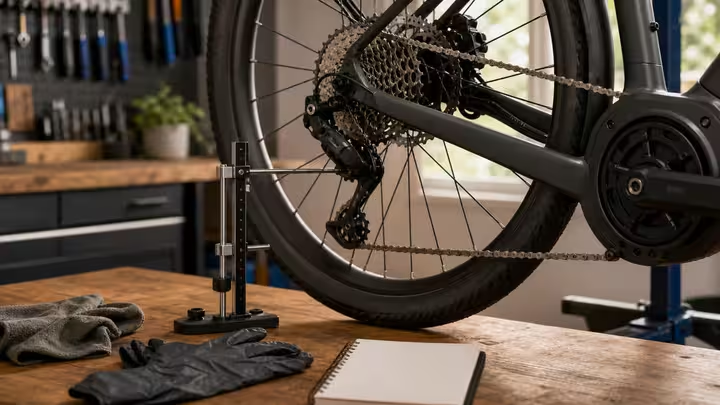
Watch for range estimates that behave oddly, brake changes, drivetrain skipping, tire thumps, rattles, error messages, loose cargo mounts, and anything that feels different from the bike you remember. Some differences are simple: tire pressure, dry chain, dusty brake surfaces, loose light mount. Some are shop boundaries. The Maintenance Rhythm guide gives the stop-use frame for brakes, tires, batteries, wheels, steering, and structural parts.
Restart the habit as well as the machine
A stored e-bike also loses its routine. The rider may forget the calmer route, the best lock spot, the wet gear reset, the charging habit, or how much reserve a windy return trip needs. Treat the first week back as a small return-to-use period. Keep trips simple, leave extra time, and do not restart with the heaviest cargo or passenger plan unless the bike and rider have both settled.
Seasonal storage works when it is uneventful. The bike goes away clean and dry, the battery follows its instructions, the tires and records are not neglected, and the first ride back is deliberately modest. That kind of storage does not promise perfection. It gives the bike a fair chance to come back quietly.