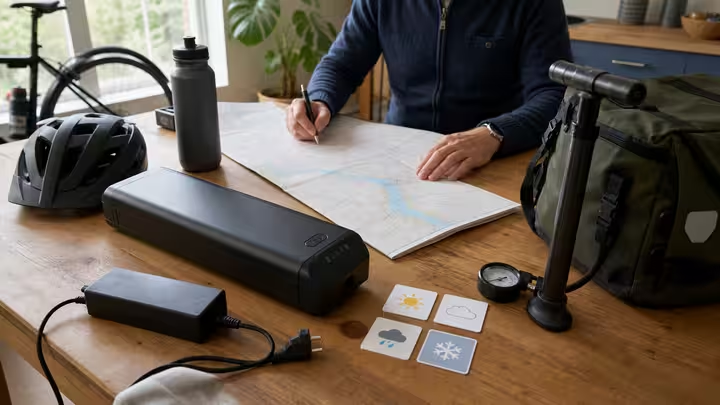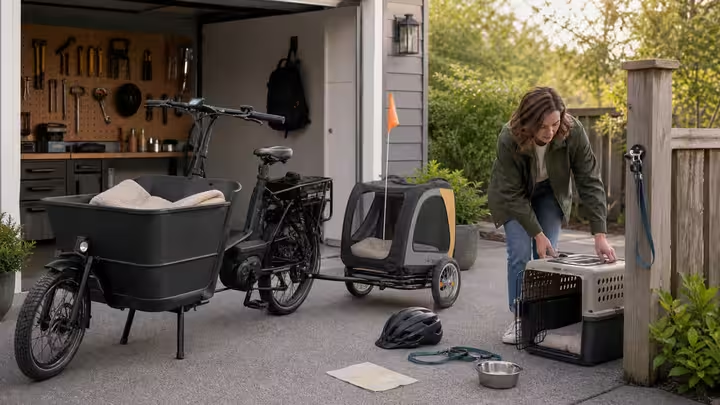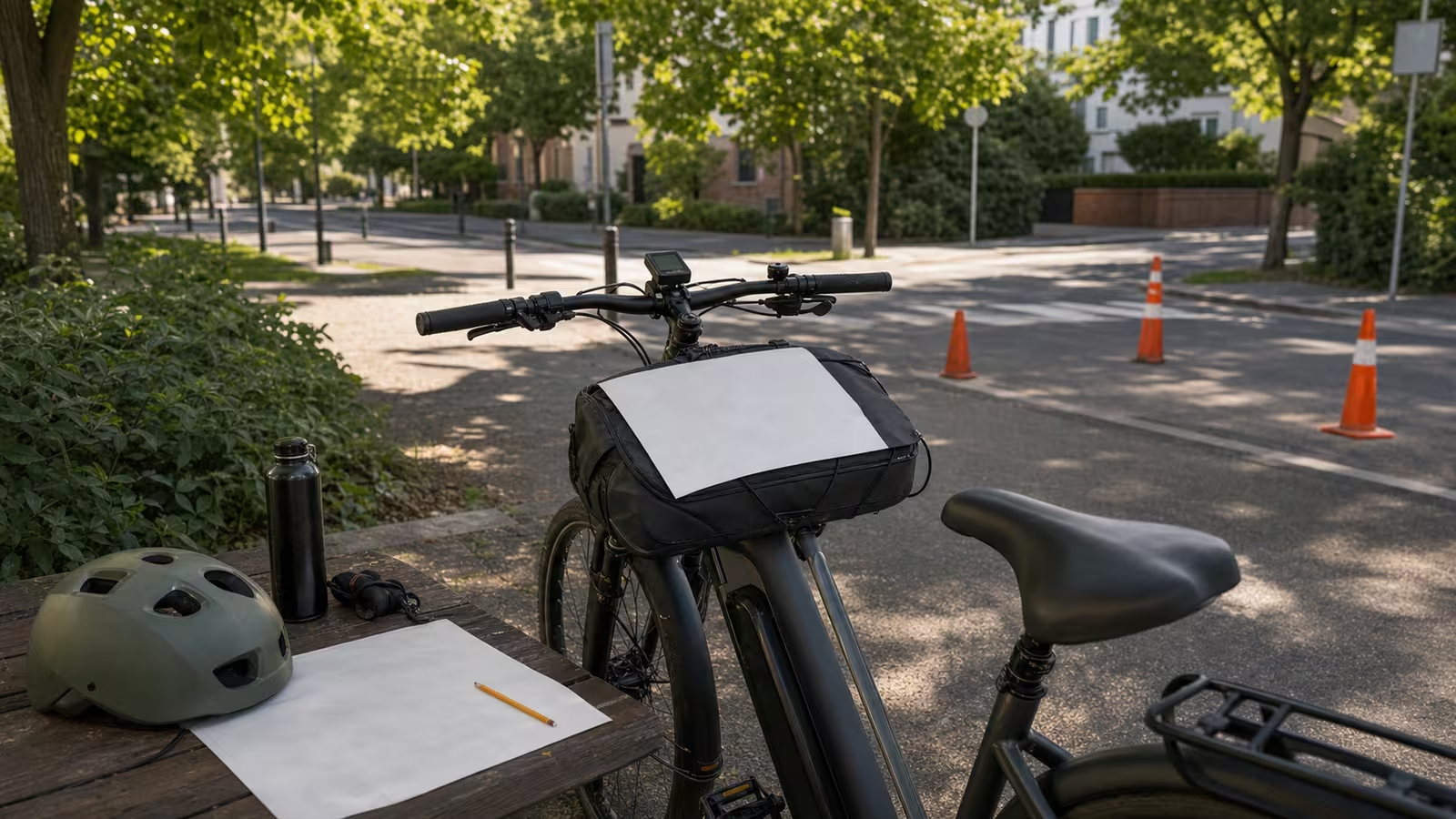
Many new e-bike riders make the same mistake: they let a mapping app choose the route and then wonder why the ride feels harder than the mileage promised. Distance matters, but it is not the only route cost. A short route with a stressful merge, a blind driveway, an illegal path segment, a rough downhill, and no good lock point can be worse than a longer route that gives the rider time to think.
Pick one real trip
Do not begin by planning a whole e-bike lifestyle. Pick one trip that already happens: commute, grocery store, school drop-off, library, gym, transit station, friend visit, or medical appointment. Write the start and finish, then add the hidden endpoints: where the bike leaves the house, where it parks, where it locks, where the rider changes clothes, where the battery rests, and where the return begins.
This reveals problems early. A route may be calm until the final lock point. A grocery store may be easy to reach but impossible to unload at home. A school route may be quiet on weekends but crowded on weekday mornings. The route is the entire loop, not just the moving line.
Scout without a deadline
Ride or walk the route once without needing to arrive on time. Stop at intersections. Watch signal timing. Notice pavement, gutters, grates, painted lines, rail tracks, driveway sight lines, parked doors, bus stops, curb ramps, and places where cars turn across the bike’s path. Look for where you would go if a lane is blocked. Ask whether you would still like the route with rain, darkness, cargo, or a passenger.
If the first scout feels tense, that is information. Try a parallel street, a different crossing, a route through a calmer neighborhood, or a short walking segment. The goal is not to win against the map. The goal is to find a route you can repeat.
Rank crossings before mileage
Crossings often define the ride. A route with one miserable intersection can dominate the whole experience. Look for legal, visible, predictable crossings with enough time and space. A signalized crossing may be better than a fast unsignalized one. A two-stage turn may be calmer than a direct left. A route that avoids a multilane merge may be worth extra distance.
Cargo and passenger trips need stricter crossing choices. A heavy bike accelerates differently, stops differently, and takes more room to turn or walk. If a crossing requires rushing, the route is asking too much. Build the calm crossing into the map even if it adds minutes.
Include hills as handling events
E-assist can make hills feel smaller, but hills still change the route. Climbing affects battery use, heat, clothing, and rider effort. Stopping on a hill affects balance and restart skill. Descending affects braking distance, speed, surface reading, and confidence. A hill with rough pavement or a stop sign at the bottom deserves attention.
Use Hill Starts and Downhill Braking as a practice companion. If a hill requires skills you do not yet have, choose a different route or practice without cargo first.
Check legal access and local expectations
Paths, parks, campuses, sidewalks, bridges, tunnels, waterfronts, transit areas, and school grounds can have specific e-bike rules. Some places restrict throttle bikes, faster classes, riding at certain hours, or bikes on pedestrian paths. Signs may matter more than what a map suggests. Check before making a route routine.
Etiquette is part of access. A path may allow your bike, but crowded conditions may call for slow riding or walking. A legal sidewalk may still be a poor choice near doors, strollers, and driveways. A low-stress route should reduce conflict, not relocate it to people with less protection.
Add parking and locking to the route
A destination without a decent lock point is an unfinished route. Scout racks, visibility, lighting, fixed objects, whether the frame can be locked, whether the bike blocks pedestrians, and whether bags or batteries need to come with you. A hidden rack behind a building may be worse than a visible rack a little farther away.
If the stop is long, use the Lock Risk Checklist . If the bike is loaded with groceries, school bags, or child gear, make sure the lock routine still works with the real setup. Do not discover at the rack that the pannier blocks the frame.
Test the route under changed conditions
A route changes with time. Morning traffic, afternoon school release, night lighting, rain, heat, construction, game days, trash pickup, and seasonal vegetation can all matter. Do a second scout under the conditions that will actually apply. If you plan to commute after dark, scout after dark. If you plan to carry groceries, practice with weight. If you plan school drop-off, watch the school zone when it is active.
This does not mean every ride needs a new study. It means the first routine deserves enough respect that the map matches life.
Keep a route note
Write a short note: preferred streets, awkward crossing, legal path segment, place to dismount, lock point, rain alternative, night alternative, battery reserve, and backup mode. Keep it with the bike or phone. If another family member rides, this prevents the route knowledge from staying in one person’s head.
Low-stress route scouting turns an e-bike from an object into transportation. Build the calm map first, then let speed and distance improve naturally as the route becomes familiar.
Related guidebooks
- Range Reality Planning: Stop Trusting the Perfect Number
- Etiquette and Local Law Awareness: Ride Predictably Around People
- Hill Starts and Downhill Braking: Practice the Moments That Change Control
- Reality Check Desk for checking route rules and public claims against current sources.