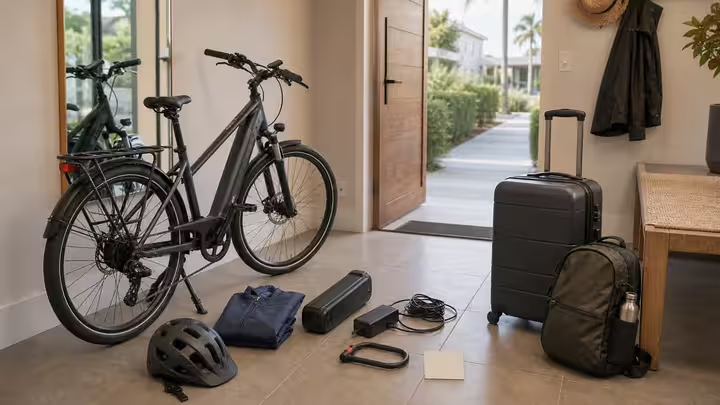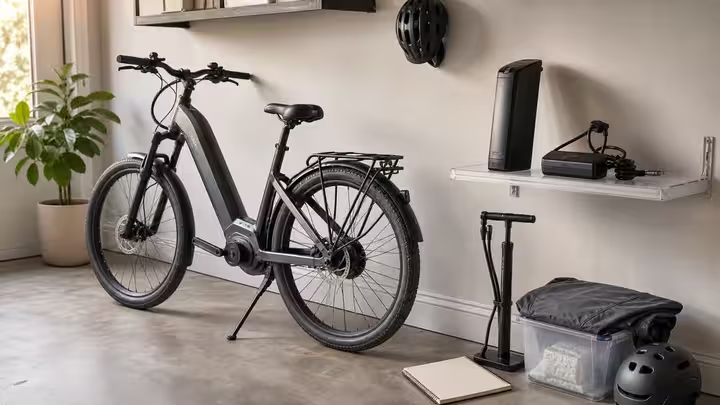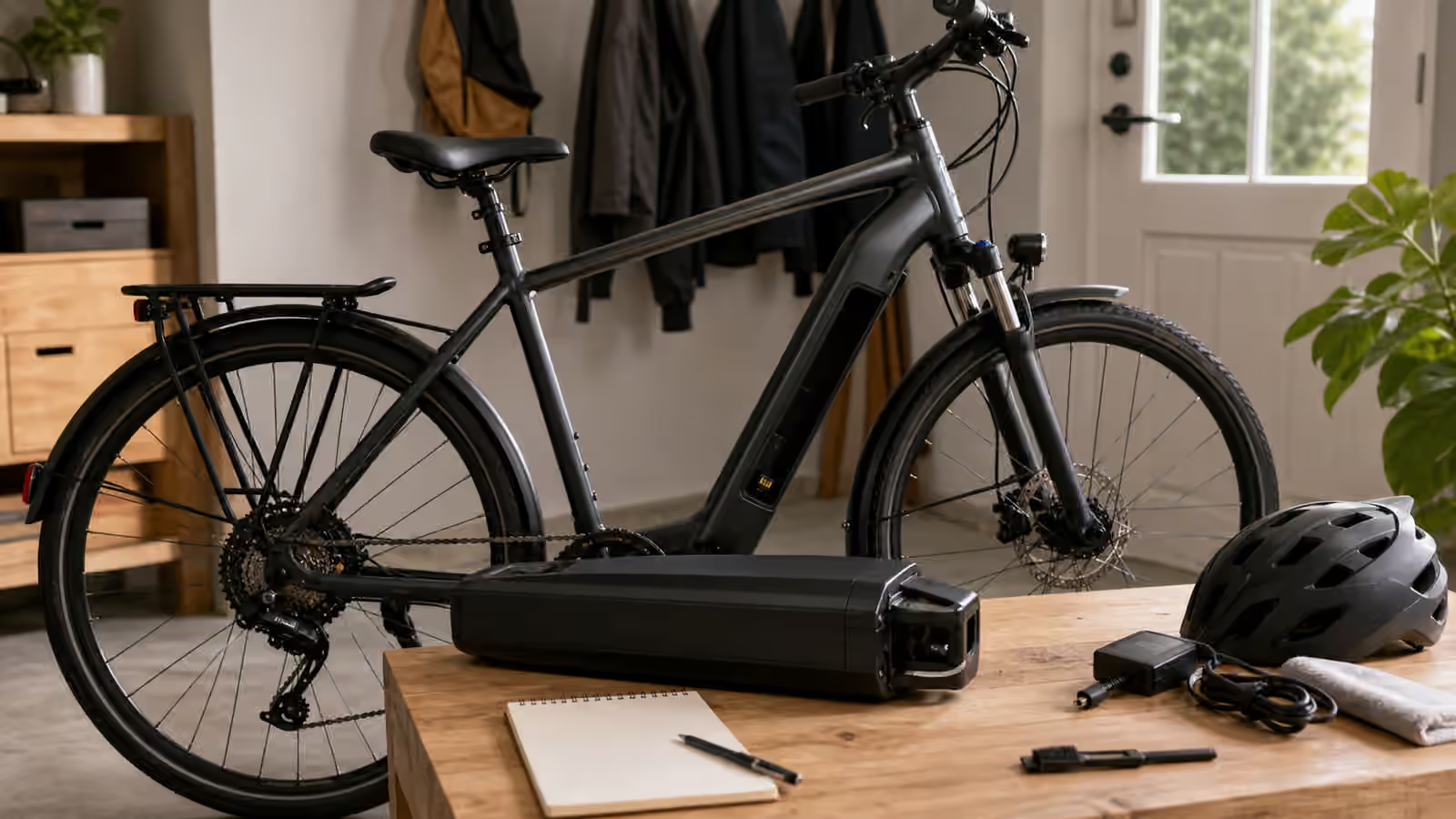
A removable e-bike battery is convenient because it can come inside, charge away from the bike, reduce theft risk, and make a heavy bike easier to move. That convenience also creates more handling moments. The pack can be dropped, carried through rain, set on a cluttered counter, seated badly, latched carelessly, charged in the wrong place, or ignored when contacts start looking damaged. A good routine makes those moments boring.
This guide stays conservative. It does not teach battery repair, electrical diagnosis, or pack opening. It treats the battery as a manufacturer-supported component with clear stop-use boundaries. If a pack is damaged, unusually hot, swollen, cracked, submerged, giving off an odd smell, charging strangely, or showing an error you do not understand, the next step is qualified support, not home experimentation.
Removal Should Be Deliberate
A battery that removes easily still deserves attention. Turn the system off as instructed. Support the pack with one hand before releasing the latch. Know whether the battery slides, lifts, pivots, or drops slightly when released. Do not discover the release motion for the first time over concrete, stairs, or a crowded bike room.
Practice at home with the bike stable. If the battery is heavy, awkward, or slippery in gloves, adjust the routine before relying on it during a commute. Some riders need a small landing pad or bench near the storage spot. Others need a two-handed habit and a rule that the battery is never removed while the bike is leaning loosely against a wall.
Seating And Latching Are Ride Checks
A removable battery must be seated and latched exactly as designed. A pack that looks close enough may rattle, disconnect, cut assist, damage contacts, or fall. Before riding, confirm the battery is locked, does not move unexpectedly, and powers the bike normally. If the mount feels loose or the latch does not behave as usual, do not turn the ride into a test.
This belongs with the ordinary departure rhythm. Helmet, lock, lights, tire pressure, cargo, and battery seating can all be checked in the same calm minute. The Maintenance Rhythm guide treats battery condition as part of the whole bike because electrical reliability is not separate from transportation reliability.
Contacts Need Cleanliness, Not Improvisation
Battery contacts and mount contacts should be clean, dry, and undamaged according to the manual. Look for obvious grit, corrosion, bent parts, looseness, melting, cracks, or moisture. Do not poke contacts with random tools. Do not scrape, oil, spray, bend, or bridge electrical parts because a forum comment sounded confident. If the manual gives a cleaning method, follow it. If not, ask the manufacturer or shop.
A contact problem can show up as intermittent power, error messages, charging trouble, or assist cutting out over bumps. Record when it happens. Did it start after rain, a battery removal, a tip-over, a car-rack trip, or storage? The Display, App, and Firmware Boundaries guide is useful when the bike gives warnings, but the physical battery seating and contact check should happen first.
Carrying Needs A Clear Path
Carrying a battery through a home, office, school, or apartment building should be treated like carrying an expensive tool, not like carrying a water bottle. Use the handle or grip points designed for the pack. Keep it away from keys, loose metal, wet floors, swinging doors, clutter, small children, heat, and places where it can be knocked down. Do not balance it on the edge of a counter while opening a door.
If the route from bike to charger includes stairs, an elevator, a crowded hallway, or a security desk, simplify it. Put the charger and storage spot where the battery can land immediately. If building rules limit where batteries can be stored or charged, follow those rules and check current policies. Local rules and building rules can be more specific than general advice.
Charging Off The Bike Is Still Charging
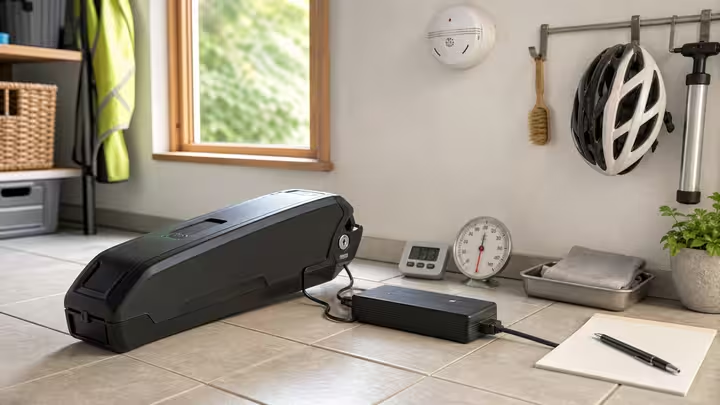
Off-bike charging does not make the battery less serious. Use only the charger specified by the manufacturer. Place the battery on a stable, clear, dry surface with ventilation as instructed. Keep fabric, paper piles, combustible clutter, wet shoes, and crushed cords away. Do not charge a suspicious pack because it happens to accept the plug.
The Battery Care Planner gives the broader routine: correct charger, sensible location, temperature awareness, storage charge when appropriate, and stop-use signals. A removable battery simply adds more handling steps before the same conservative charging logic.
Weather And Temperature Follow The Pack Indoors
A removable battery may be carried from cold outdoor storage into a warm room, from rain into an apartment, or from a hot bike rack into a garage. Temperature and moisture matter. Follow manufacturer instructions about charging temperature, storage temperature, and drying. If the pack is wet, dirty, or extremely cold or hot, do not rush straight into charging unless the manual says the condition is acceptable.
Avoid treating the battery as luggage that can sit anywhere. A sunny car, freezing shed, damp basement floor, or heater-adjacent shelf can all be poor choices depending on the pack and instructions. Seasonal habits should connect with Seasonal Storage and Restart so the battery does not quietly become the weak point during a long pause.
Theft And Access Are Part Of The Routine
Removing a battery can reduce theft appeal or protect the pack, but it also creates a key, latch, and carrying routine. Decide when the battery comes with you and when it stays locked on the bike. A quick cafe stop, work parking cage, transit station, school gate, and apartment bike room may all deserve different choices.
Do not remove the battery in a way that leaves the bike unstable, blocks a walkway, or makes the rider juggle too many objects. The lock, bag, helmet, and battery should have a sequence. If the battery is part of the lock plan, practice the plan before using it in public.
Records Make Support Easier
Keep the battery serial number, charger model, purchase record, warranty information, recall checks, service notes, and any error history with the bike records. If the battery ever behaves strangely, note the date, charge level, weather, ride conditions, charger used, and what changed. If the pack is replaced, record that too.
The Warranty, Manual, and Recall Records guide is the natural companion. Battery support often depends on exact model information and proof of ownership. A rider who can find that information quickly will have a calmer support conversation.
Stop When The Pack Asks You To Stop
Stop using or charging a removable battery when there is visible damage, swelling, unusual heat, odd smell, damaged contacts, damaged mount, submersion, charger damage, repeated errors, power cutouts you do not understand, or any instruction from the manufacturer to stop. Store and handle it according to official guidance while seeking support. Do not open it.
The best battery routine is uninteresting. Remove the pack deliberately, carry it on a clear path, seat it fully, inspect obvious contact and latch issues, charge it only in the right conditions, and keep records. A removable battery should make e-bike life easier, not add a daily electrical guessing game.