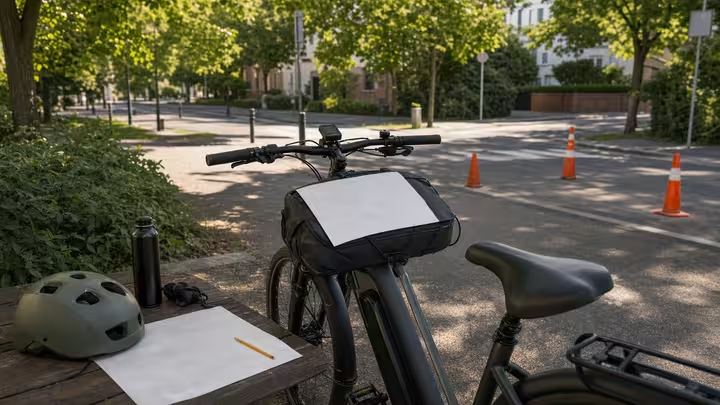
The least useful range number is the one printed in the largest type. It was usually created under conditions that do not match your life: ideal assist, smooth pavement, moderate temperature, reasonable tire pressure, light rider, no headwind, no child seat, no full grocery load, no repeated starts, and no anxiety about arriving late. That number can still be a clue. It should not be the plan.
Range reality planning starts with humility. You are not trying to prove the bike can do the trip once. You are trying to decide whether the trip can become boring enough to repeat. A daily route with a thin battery margin becomes a small negotiation every time the wind picks up, the temperature drops, the child asks to bring a backpack, or you choose higher assist because your legs are tired.
Start with usable range
Advertised range often describes a maximum. Usable range is the portion you are comfortable spending before the trip becomes stressful. A good daily plan may only use half to two-thirds of the optimistic number. That sounds cautious until you remember how many variables are outside the brochure. A cold morning can reduce performance. A soft tire can waste energy. A hilly detour can turn a routine ride into a crawl. A headwind can make a familiar road feel longer than the map says.
Write down the distance of your route and the reserve you want at the end. For commuting, a twenty percent reserve is often a useful starting point. For night riding, remote routes, child passenger trips, medical appointments, or places where charging is not available, more reserve can be sensible. The reserve is not wasted battery. It is the part of the plan that absorbs ordinary life.
Assist level is a budget decision
Assist level changes the ride and the math. Eco may stretch the battery but ask more from your legs. Turbo may make a hill pleasant but spend charge quickly. A rider recovering from illness, carrying a child, wearing work clothes, or riding into wind may need more assist than the fantasy version of the trip. Plan from the assist level you will actually use, not the one you think a disciplined rider should use.
If you are new to the bike, ride the route once at a moderate assist and watch how the battery indicator behaves. Do not trust the first mile too much. Some displays estimate remaining range from recent use and can change quickly when terrain changes. Notice the hard sections: the hill after the stop sign, the windy bridge, the rough path that makes you slow and accelerate again, the final climb home when the battery is lower and you are tired.
Hills spend more than distance shows
A flat five miles and a hilly five miles are different trips. Climbing asks for power. Descending may not return much energy unless the bike has true regenerative braking, and most e-bikes do not meaningfully recover enough for planning. Repeated small climbs can also matter because they pair with stops, turns, and acceleration.
When comparing routes, count stress as well as miles. A slightly longer flatter route may use less battery and feel safer than a shorter route with steep starts in traffic. A quiet side-street climb may be better than a fast arterial that forces high assist just to feel protected. If the route has one hill that always drains the battery and your mood, treat that hill as a design problem. Change the approach, shift earlier, lower cargo, increase reserve, or pick another path.
Weather is part of the route
Cold can reduce available battery performance. Heat can stress riders and batteries in other ways. Wind can be worse than hills because it follows you across flat ground and encourages higher assist or speed. Rain adds drag through clothing, visibility, caution, braking distance, and stop-start handling. None of these variables means you cannot ride. They mean the planned range should not be razor-thin.
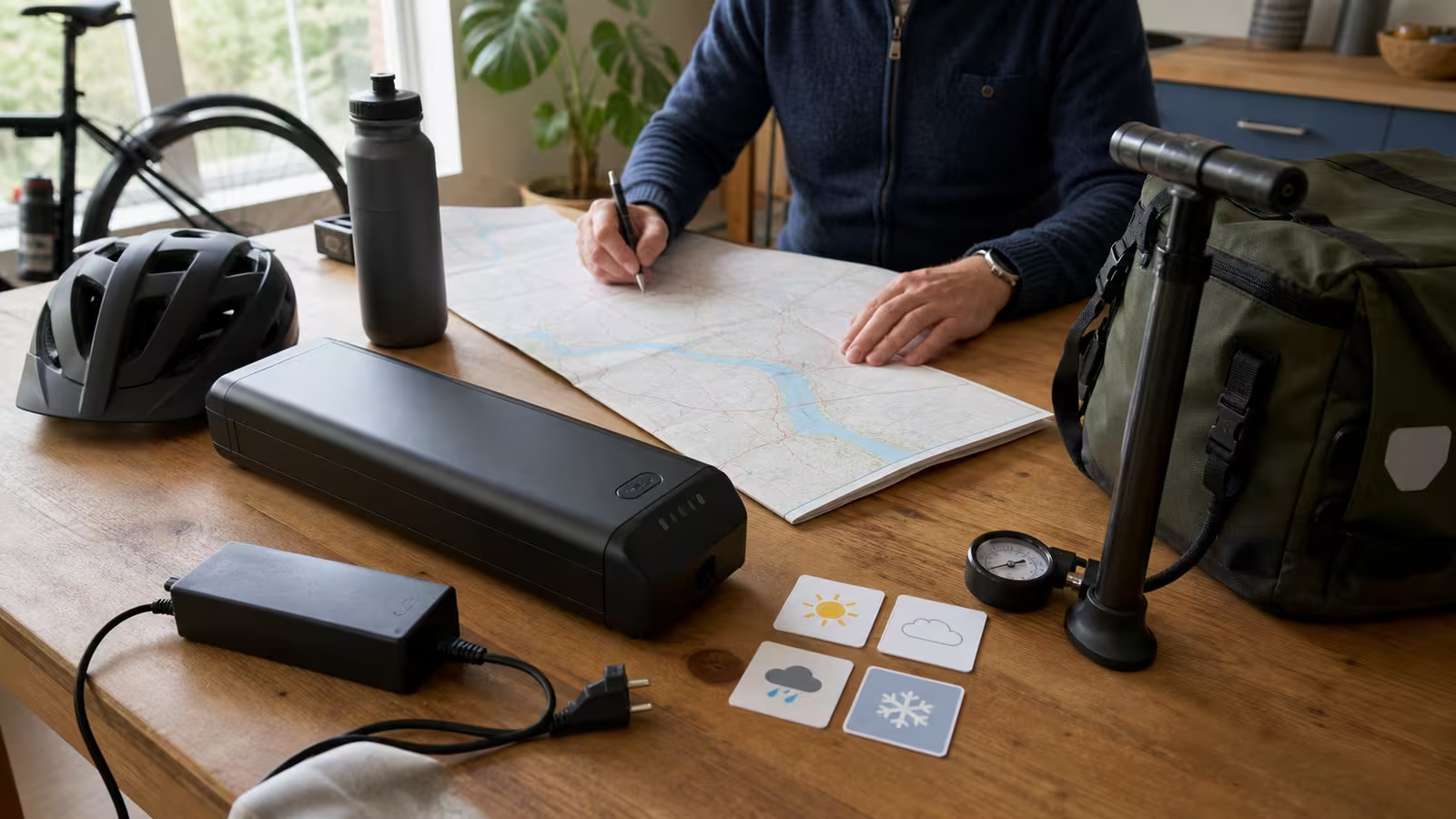
Build weather categories. Green weather is the normal ride. Yellow weather is rideable but asks for more margin: cold, gusty, wet, dark, or unusually hot. Red weather is where the trip needs a shorter route, different timing, transit backup, or a different vehicle. The categories should be personal. A confident rider with protected lanes and great rain gear may set yellow differently than a new rider crossing a windy bridge at dusk.
Cargo changes the whole feel
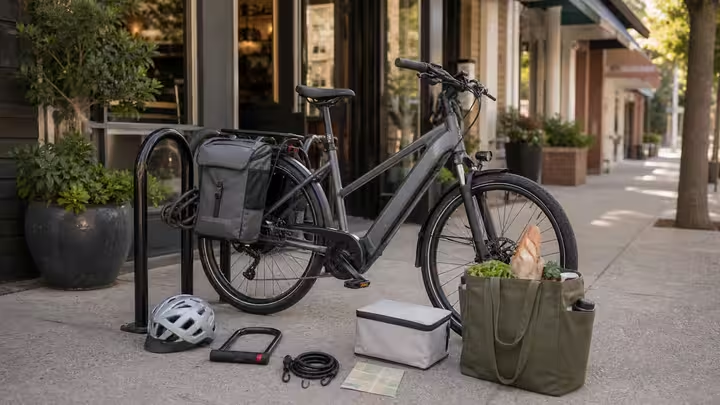
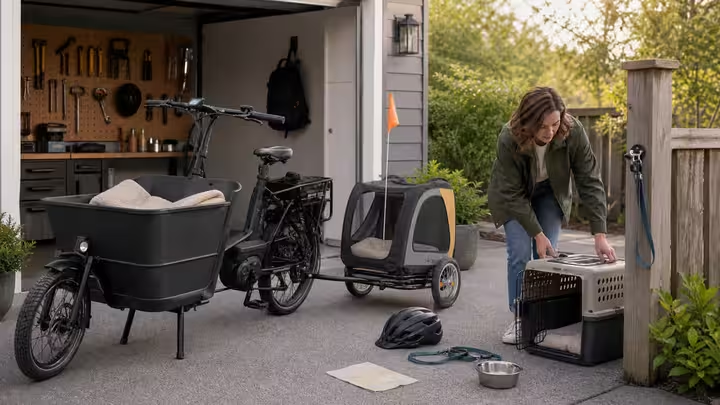
Cargo weight is not only battery math. It affects starts, braking, balance, tire pressure, and how willing you are to use lower assist. Groceries in two low panniers are different from a tall box on a rear rack. A child seat is different from a backpack. A trailer adds rolling resistance and length. A front load can change steering. Heavy cargo can make a hill feel bigger even when the map is unchanged.
Before making a cargo route routine, test it with a harmless load. Use water jugs, books, or folded towels. Check that straps stay tight, bags do not sway, nothing touches the spokes, and the bike can be parked on its stand without drama. Then watch battery use. If cargo turns the route from comfortable to marginal, the solution may be smaller shopping runs, a flatter route, higher tire pressure within the tire’s rated range, a second battery if supported, or a decision that this particular trip is not the best e-bike job.
Tire pressure and maintenance are range tools
Soft tires can quietly steal range. A rubbing brake can do the same. A dry or dirty drivetrain can add friction. A loaded cargo bike with low pressure may feel sluggish, handle poorly, and invite pinch flats or tire damage. Check the tire sidewall and bike manual for pressure guidance, and adjust for load within the allowed range. Do not simply inflate to a random maximum because someone online said it feels faster.
Create a two-minute range check: tires firm, wheels spin freely, brakes not dragging, battery seated, cargo secure, lights charged, and charger plan known. This is not a full service. It is the small inspection that catches the obvious range thieves before they become reasons to abandon the ride.
Build a charging and backup plan
A route with no charging option can still be fine. It just needs enough reserve. A route with charging available is not automatically fine if the charger is bulky, charging is slow, outlets are not allowed, weather is wet, or the battery should not be left unattended. Know whether the battery can be removed, whether charging at work or school is permitted, and whether the charger is the correct manufacturer-specified unit.
Backup can be simple: lower assist, slower speed, a known transit connection, a spouse or friend who can pick up cargo, a lockable place to leave the bike, or the decision not to ride when the plan is thin. Backup is not failure. It is what makes you willing to ride again because one hard day did not become a crisis.
Keep a range notebook for three rides
For three real rides, write down distance, weather, assist level, cargo, tire pressure if known, starting charge, ending charge, and how the route felt. You do not need a spreadsheet unless you like spreadsheets. A few notes can reveal the truth faster than a spec sheet. Maybe the battery is plenty but the route feels unsafe. Maybe the range is fine in spring and marginal in winter. Maybe groceries change everything. Maybe one hill is the real problem.
Use the notes to adjust the routine. Reduce the trip, change route, add reserve, pack lighter, fix tire pressure, carry the charger only when it is actually useful, or choose a different bike for heavy days. Range reality planning is not pessimism. It is how the bike earns trust.
Related guidebooks
- The E-Bike Workshop Quickstart: Make the Bike Part of Real Life
- Battery Care Planner: Charging, Storage, Temperature, and Stop-Use Habits
- Commute Comfort Audit: Rain, Darkness, Hills, Surfaces, and Arrival Friction
- Home Energy Lab for battery and household charging context.
- Reality Check Desk for checking range claims before treating them as facts.