Rain does not usually defeat an e-bike routine because the rider is weak. It defeats the routine because the system has no answer for spray, cold hands, fogged glasses, wet shoes, soaked bags, dirty floor mats, low visibility, and the awkward moment of entering work or school looking like the ride went through a car wash. A rain plan is not a trophy. It is a way to arrive dry enough, clean enough, and calm enough to repeat the ride.
Fenders are a comfort tool, not a luxury
Full fenders can change a wet commute more than an expensive jacket. Without them, the front wheel throws dirty water at shoes and lower legs, while the rear wheel sends a stripe up the rider, bag, and child seat area. Good fenders also reduce the amount of grit reaching the drivetrain and frame. They do not remove rain, but they stop the bike from manufacturing extra discomfort.
Fit matters. A fender that rattles, rubs, or loosens is not a finished upgrade. Check tire clearance, mounting points, rack conflicts, toe overlap, and whether the front mud flap reaches low enough to help. If the bike has suspension, unusual tires, a cargo frame, or limited mounting points, use parts recommended for the bike or a mechanic who understands the model. Homemade fixes near tires can become hazards if they shift into the wheel.
Choose clothing by arrival, not heroism
The best rain clothing is the set that matches the ride length, temperature, effort, and destination. A short errand may need a brimmed helmet cover, gloves, and a pack cover. A daily commute may need a breathable shell, rain pants or a poncho design that works with the bike, shoe covers, a dry sock plan, and a place to hang wet gear. A cold storm needs a different answer than a warm drizzle.
Do not solve every ride with the thickest waterproof layer. Overheating can soak you from the inside and make the return trip miserable. Think in layers: what blocks rain, what manages sweat, what keeps hands functional, what keeps vision clear, and what can be removed at arrival without dripping over everyone else’s floor. The Commute Comfort Audit is useful because it turns complaints into small adjustments instead of vague regret.
Keep bags boringly dry
A waterproof pannier, dry bag, trunk bag, or liner can make the difference between a ride that works and a ride that ruins the laptop, school folder, change of clothes, medication, lunch, or library book. Do not assume a normal backpack is dry because it looks sturdy. Zippers, seams, front pockets, and bottom panels often leak first. Test with noncritical items before trusting the bag with anything that matters.
Bag placement also affects visibility. A rear light mounted on the seatpost may disappear behind a tall waterproof bag. A reflective jacket may be covered by a dark backpack. A rain cover may hide reflective patches on the bag itself. Stand behind the loaded bike with the lights on and check from the angle of a person approaching from the street or path. Visibility is part of the rain plan, not a separate category.
Plan for braking and traction
Wet surfaces can change braking distance, tire grip, painted-line behavior, leaves, metal plates, rail tracks, wood bridges, puddles, and road debris. E-bike assist can also make it easy to enter a slick corner faster than intended because the motor smooths out effort. The response is not panic. It is earlier braking, gentler cornering, more space, lower assist where useful, and a route that avoids the worst surfaces.
If the brakes sound wrong, feel weak, pulse, drag, or behave differently after a wet ride, do not treat that as normal until you understand it. Some noises are harmless, but beginners should not diagnose brake issues by hope. Check the bike manual and use a qualified mechanic when braking confidence changes. The motor helps you go; the brakes and tires decide whether the ride still feels controlled.
Protect the battery without inventing battery myths
Most everyday e-bikes are designed for ordinary weather, but that does not mean every battery, connector, display, charger, or storage condition is immune to water. Follow the manufacturer instructions for rain exposure, battery removal, charging after wet rides, cleaning, and storage. Never charge a visibly wet, damaged, submerged, unusually hot, odd-smelling, cracked, or behaving-strangely battery. Let the instructions and conservative judgment lead.
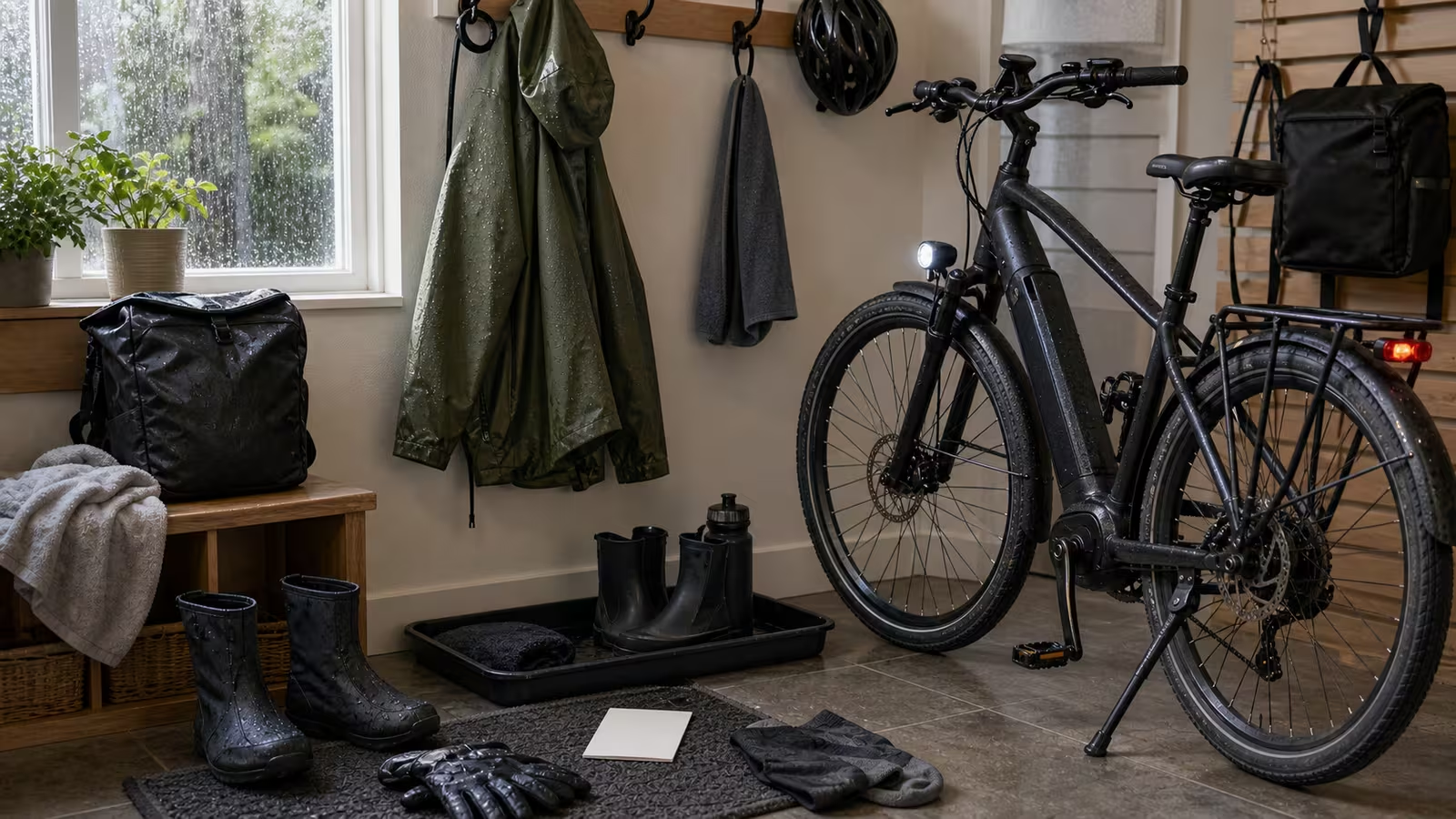
At home, create a dry landing zone. Put the bike on a mat. Wipe obvious water from the frame, display, and battery area if the manual allows. Do not spray high-pressure water into bearings, connectors, displays, or battery housings. Keep the charger in a dry place. The Battery Care Planner covers the calmer household habits behind this.
Build a dry-arrival kit
A dry-arrival kit can be small: spare socks, small towel, hair tie, packable bag for wet gloves, microfiber cloth for glasses, and a light layer that does not live on the bike. For school runs, add a plan for wet child gear, backpack covers, and where the passenger’s helmet dries. For office commutes, decide what shoes stay at work, where the wet shell hangs, and whether your route needs a slower final block so you do not arrive overheated.
The home side matters too. Wet gear needs air. A jacket thrown in a sealed bag becomes the next ride’s unpleasant surprise. A bike rolled across polished floors may create conflict with roommates, partners, building staff, or neighbors. Tiny Homes readers already know this tradeoff: small spaces need a landing zone, not just a purchase.
Know when rain cancels the ride
Wet-weather readiness does not require riding through every storm. High wind, flooding, lightning, poor visibility, ice, deep standing water, fallen branches, closed trails, school restrictions, or a route you cannot ride calmly are valid reasons to choose transit, walking, a car, or staying put. This is especially true with passengers, heavy cargo, night rides, unfamiliar roads, or questionable tires.
Make the cancellation rule before the morning rush. If water reaches the curb line on a certain street, choose the backup. If wind reaches a local alert threshold, skip the exposed bridge. If the child seat passenger is miserable before leaving, do not use the ride to prove a point. Practical e-bike life includes backup modes.
Reset the wet system
After the ride, empty wet bags, hang the shell, dry the gloves, wipe the lights, check that fenders are still secure, and put dry socks back into the kit. Note one improvement. Maybe the rear light was blocked. Maybe the shoe choice was wrong. Maybe the bike room floor needs a tray. Maybe the route was fine until one painted turn.
Rain becomes manageable when every wet ride teaches the next setup. Fenders reduce spray, clothing manages comfort, bags protect the cargo, lights stay visible, braking gets more margin, and arrival stops being embarrassing. That is the practical standard: not perfect dryness, but dry enough to keep the habit alive.