After a crash, near crash, driveway fall, rack drop, bike-room knockover, or awkward curb save, the first instinct is often to prove that everything is fine. The rider feels embarrassed, late, or annoyed. The bike looks mostly intact. The errand still needs doing. That is exactly the moment to slow down. An e-bike can hide damage in brakes, steering, wheels, racks, batteries, wiring, displays, and drivetrain parts that deserve a calm look before the next normal ride.
This inspection habit is not about panic. It is about refusing to let surprise make the decision. A fall that leaves the rider unhurt can still bend a rotor, knock a brake lever, damage a rack, shift a handlebar, loosen a light, crack a battery case, bend a derailleur hanger, or make a wheel rub. A bike that seems rideable for one block may not be ready for a hill, passenger, trailer, or fast road.
Start With People, Then The Bike
If anyone is hurt, shaken, confused, or unsure, the bike can wait. Riders should use emergency judgment, local procedures, and appropriate help before thinking about transport. A child passenger, older rider, or anyone with medical risk changes the threshold. This guide is not medical advice, and it is not a substitute for emergency care.
Once people are accounted for, move the bike out of danger if that can be done without making anything worse. Do not stand in traffic to inspect a rotor. Do not block a path while trying to diagnose a noise. Lock the bike if you need to leave it. The Emergency Roadside Call Plan exists because the correct answer after a surprise may be a ride home, a shop pickup, or another mode.
Do Not Trust A Quick Roll
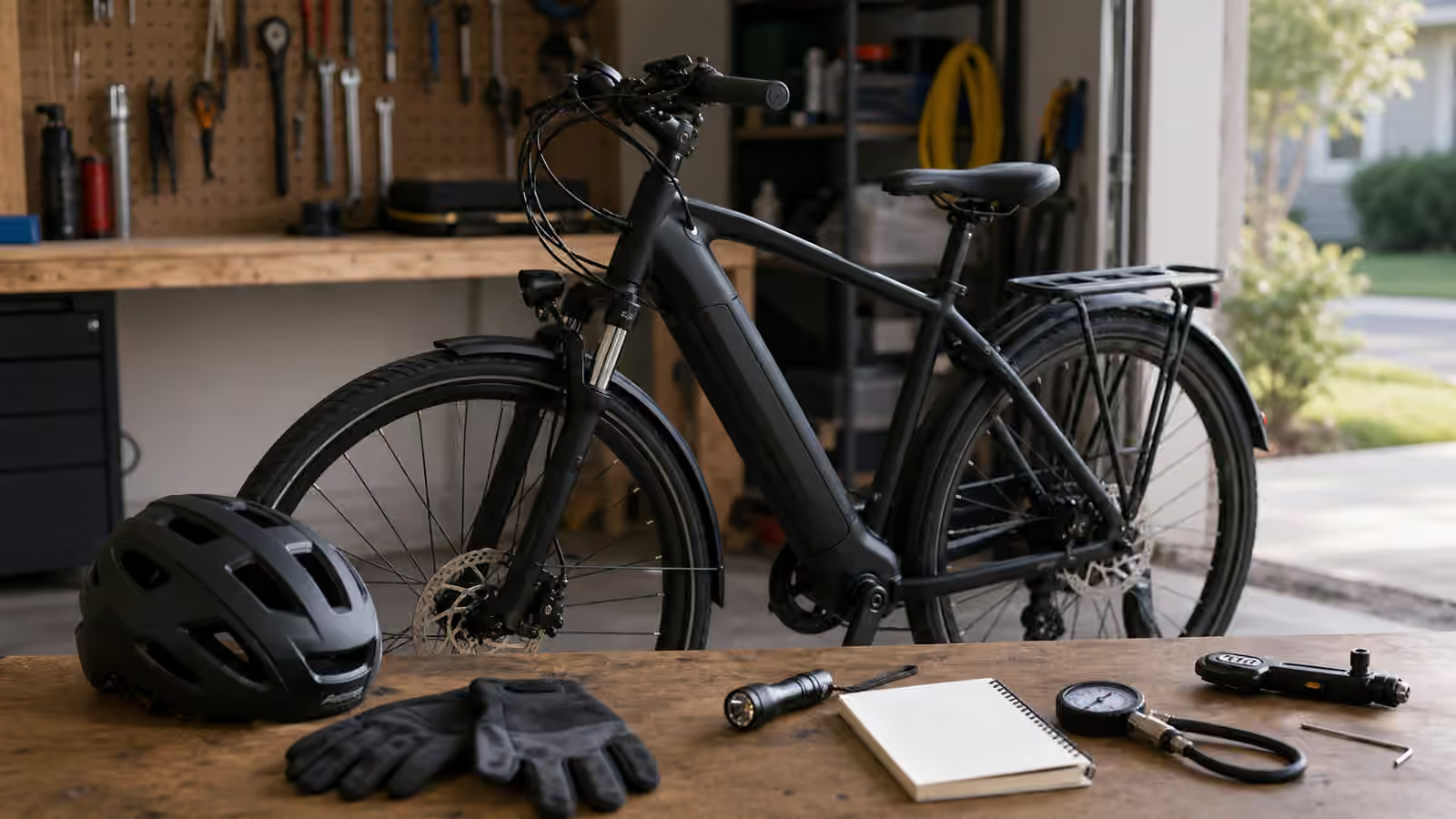
A bike can roll and still be wrong. Before riding normally, check whether the wheels spin without severe rub, the brakes engage and release, the handlebar points straight, the controls are reachable, the throttle or assist behaves normally where allowed, and the frame or fork shows obvious damage. Look at the tires, sidewalls, rims, spokes, axle areas, racks, fenders, pedals, crank arms, lights, display, bell, mirror, and cargo hardware.
This is a beginner inspection, not a certification. The point is to find obvious stop-use signals and decide whether a qualified mechanic should look next. If anything seems bent, cracked, loose, hot, leaking, scraping, pulsing, or different, do not turn the next mile into a test laboratory.
Brakes Get The Strictest Boundary
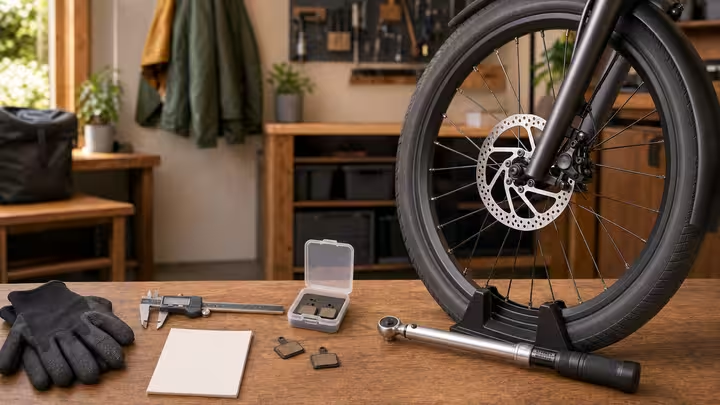
Brakes can be affected by an impact even when they still make noise and slow the bike. A rotor can bend. A lever can move. A cable can be kinked. A hydraulic line can be stressed. A pad can rub. A wheel can sit differently. If braking feel changes after any fall or collision, the bike should not be used normally until the issue is understood.
Use the conservative thinking from Brake Pad Wear and Shop Boundaries . Do not add cargo, passengers, hills, wet weather, or traffic to a brake mystery. A slow roll in a safe place may help identify that something is wrong, but it does not prove that everything is right.
Steering And Controls Need A Real Pause
Handlebars, stems, grips, brake levers, shifters, bells, mirrors, displays, and phone mounts can shift in a fall. A slightly crooked bar might seem cosmetic until the rider has to brake hard or signal. Check whether the bar is straight, whether the front wheel points where the bars point, whether levers are secure, whether cables are pulled tight or pinched, and whether the display or control pad is damaged.
Do not loosen and retighten steering parts casually unless the manual clearly describes the process and you have the right torque tool. Steering is not a place for guesswork. If the bar moved, the stem twisted, or anything creaks, cracks, or feels uncertain, bring the bike to qualified service.
Wheels, Tires, And Axles Carry The Evidence
After an impact, look for sidewall cuts, bulges, embedded debris, rim dents, broken or loose spokes, tire rub, wheel wobble, and axle uncertainty. Spin the wheels if it is safe. Listen for scraping. Watch whether the rim or tire moves side to side. Cargo bikes and heavy commuters can put more demand on wheels, so small changes should not be dismissed.
The Wheel, Spoke, and Axle Checks guide gives this topic its own space. A wheel symptom after a fall is more important than a wheel symptom found during a casual cleaning day because the cause is known: something happened.
Battery And Wiring Stay Conservative
Battery damage is not a place to be brave. If the battery case is cracked, dented, swollen, unusually hot, smells odd, got submerged, no longer mounts securely, or has damaged contacts or wiring, stop using and charging it until the manufacturer, shop, or qualified support gives instructions. Do not open the pack. Do not tape over damage. Do not keep charging because the display still turns on.
Check that the battery is seated correctly and locked as designed. Check visible wires, connectors, lights, display mounts, and charger ports for damage. The Battery Care Planner teaches the same boundary: suspicious battery behavior changes the next step from riding to support.
Cargo And Passenger Hardware Raise The Standard
Racks, child seats, footrests, running boards, baskets, crates, trailers, hitches, and pannier rails can shift in a fall. Passenger hardware deserves a stricter standard than ordinary accessories. If a child seat, trailer hitch, rack, or cargo support took impact or looks different, do not carry a passenger until the hardware is inspected according to manufacturer instructions or by qualified service.
A load-bearing accessory can look close enough and still be wrong. The next passenger ride should not be the test. Use the same restraint taught in Child Seat and Passenger Readiness : ratings, mounting, behavior, and hardware confidence must come before convenience.
Record The Event While It Is Fresh
Write down what happened. Which side hit? Was the bike moving? Was cargo loaded? Did the battery contact the ground? Did the derailleur side land down? Did braking change? Were there photos, witnesses, insurance concerns, building reports, or local-rule issues? A short note helps a mechanic, insurer, school, workplace, or future buyer understand the event without relying on memory.
If the incident involved another person, vehicle, building, transit system, school property, or theft attempt, documentation may matter. Keep the facts plain. Do not make legal assumptions. Follow local procedures where they apply.
Let The Next Ride Be Modest
After a minor tip-over with no suspicious symptoms, the next ride should still be modest. Avoid beginning with the hardest hill, heaviest cargo, fastest road, or child passenger. Listen for new noises. Check brakes again. Check that the battery is seated, accessories are secure, and the bike tracks normally. If anything changes, stop.
The strongest post-crash habit is humility. The rider does not need to diagnose every hidden problem. They need to pause long enough to notice obvious ones, avoid riding through uncertainty, and bring useful facts to a shop when the bike asks for help.