Carrying a pet by e-bike can look charming from the outside, but the real question is not charm. The real question is whether the animal can ride calmly in the equipment, in the weather, on the route, with a rider who can handle the added weight and distraction. A pet is not cargo that can be tightened with one more strap. The setup has to respect behavior, heat, noise, stops, and the fact that the rider cannot explain every bump once the ride begins.
This guide stays practical and conservative. It does not decide whether a particular animal is healthy enough to ride, and it does not replace veterinary advice, manufacturer instructions, or local rules. It helps a rider recognize the difference between a calm pet-carrying routine and an improvised trip that asks too much of the animal, the bike, or the road.
Start with the animal, not the accessory
The first decision is whether the pet should ride at all. Some animals settle into carriers easily. Others panic at vibration, traffic noise, confinement, strangers, heat, or sudden motion. Age, injury, breathing issues, anxiety, size, temperature sensitivity, and training all matter. If an animal cannot relax in the carrier while the bike is still, a moving ride is too much too soon.
Begin away from the bike. Let the pet investigate the trailer or carrier without pressure. Then practice short calm sits with the door open or partly secured according to the equipment design. The goal is not to win one battle of patience. The goal is to see whether the equipment can become a normal place. A pet that scratches, chews, pants heavily, freezes, trembles, barks continuously, or tries to escape is giving information, not being inconvenient.
Match the carrier to the real animal
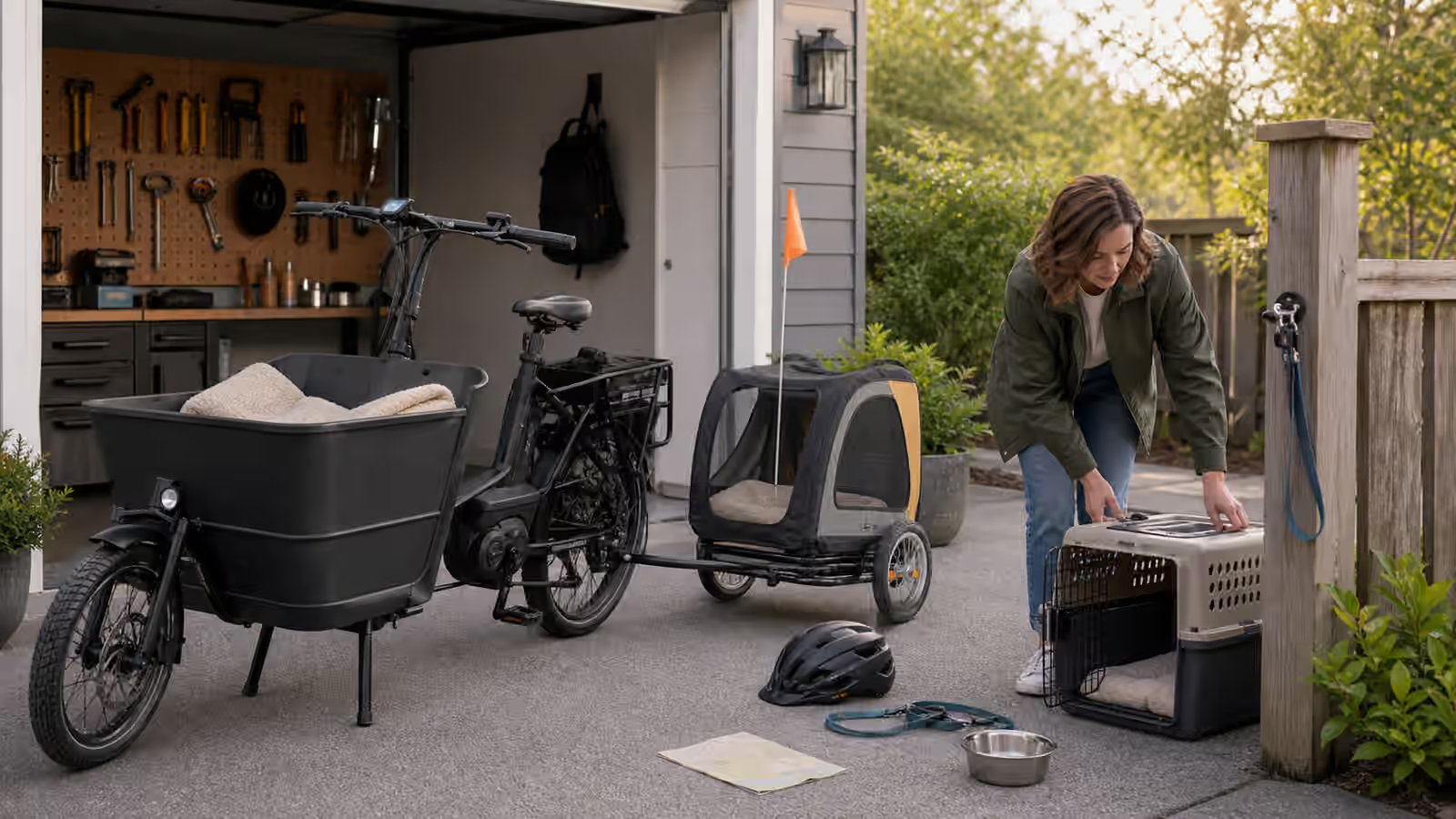
Pet trailers, front boxes, rear carriers, baskets, and cargo-bike compartments all have limits. Size, weight, ventilation, restraint points, floor grip, entry height, rain protection, wheel coverage, and hitch compatibility matter. Follow the manufacturer’s instructions for the bike and the pet accessory. Do not assume a child trailer, grocery trailer, or open basket is appropriate for an animal because it happens to fit.
A carrier should keep paws, tails, straps, blankets, and leashes away from wheels and drivetrain parts. It should give the animal ventilation without letting them jump or lean out. It should be stable when the bike starts, brakes, turns, and rolls over small bumps. If the equipment changes the bike’s total load, rack load, trailer tongue weight, or braking distance, treat that as a mechanical boundary. The Weight Ratings and Payload Math habit applies even when the passenger is small.
Practice motion before distance
The first moving practice should be short, slow, and close to home. Walk the bike with the pet secured. Then ride a quiet loop without traffic pressure, sharp turns, or deadlines. Watch the trailer or carrier, but do not stare at it so much that the route disappears. Listen for rattles, shifting weight, scraping fabric, loose hardware, or signs that the animal is unsettled.
If a trailer is involved, the Cargo Trailer Hitch and Turning guide matters. A trailer changes turning radius, curb approach, braking, visibility, and storage. With an animal inside, every one of those changes becomes less forgiving. Practice empty first, then with harmless weight, then with the pet only when the basic handling is boring.
Heat changes everything
Pets can overheat in situations that feel tolerable to a rider. Enclosed trailers, rain covers, dark fabric, sun exposure, slow climbs, and reflected pavement heat can make a short trip uncomfortable or unsafe. Cold can also matter, especially for small, thin-coated, elderly, or wet animals. The rider’s comfort is not a reliable measure of the pet’s comfort.
Choose time, shade, surface, and distance conservatively. Bring water when appropriate. Avoid trapping heat under covers. Stop before the animal is distressed. If the weather is questionable, use the No-Ride Day Backup Plan mindset instead of turning the pet into the reason the ride must continue. A backup car, walk, transit option, or postponed errand can be the kinder choice.
Pick routes with fewer surprises
A pet-carrying route should reduce noise, speed, crowding, loose dogs, poor surfaces, and complicated stops. Fast roads, crowded shared paths, rough gravel, narrow gates, steep descents, and busy cafe racks all increase the rider’s workload. Even if the bike can handle the route, the pet may not handle the noise and motion.
Plan stopping points before the ride. Where can you pull over without blocking people? Where can you check the animal? Where can you turn around? Where can you lock the bike if the destination does not allow pets? A route that depends on improvising with an anxious animal beside a busy road is not ready. The Route Scouting for Low-Stress Streets guide is useful because pet carrying rewards boring routes.
Loading needs a calm sequence
Loading a pet should not require wrestling, balancing the bike one-handed, or leaving the animal loose near traffic. Stabilize the bike or trailer first. Keep the leash controlled without letting it tangle. Secure the pet according to the carrier instructions. Check doors, zippers, latches, screens, covers, and restraint points. Then move the bike gently before joining the route.
Unloading deserves the same care. Stop away from traffic and crowds. Stabilize the bike. Control the leash before opening the carrier. Give the animal time to step down rather than leaping from a height. If the pet is excited, scared, or trying to bolt, the location is wrong or the ride has asked too much.
Locks, destinations, and social friction matter
Pet trips fail at destinations as often as they fail on the route. The store may not allow animals. The patio may be crowded. The rack may be in direct sun. The bike may need a lock plan that also protects the trailer. The rider may realize they cannot manage the animal, helmet, lock, battery, bag, and door at the same time.
Think through the stop before leaving. If the pet cannot come inside and cannot be safely and legally left with the bike, choose another mode. If the trailer makes secure parking difficult, find a different destination or ride with another person. The Secure Parking Scouting guide was not written only for theft risk. It also helps with stops where the bike must be easy to live near.
Know when to stop trying
Some pets adapt. Some do not. A good rider listens to that answer. Repeated panic, escape attempts, overheating, motion sickness, aggression toward passersby, fixation on dogs, or refusal to enter the carrier are not problems to solve with a longer ride. They are reasons to pause and choose a different transportation plan.
Pet-carrying by e-bike works best when the ride is almost uneventful. The animal is comfortable, the equipment is rated and stable, the route is calm, the weather has margin, and the destination makes sense. If any part of that system is strained, the kindest workshop move is to leave the pet out of the ride until the setup can be made boring.