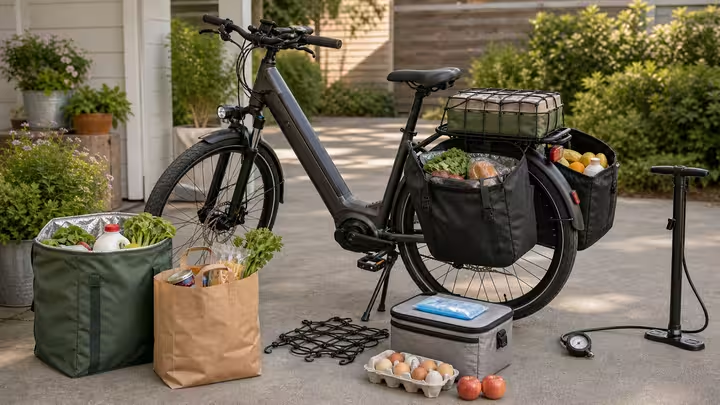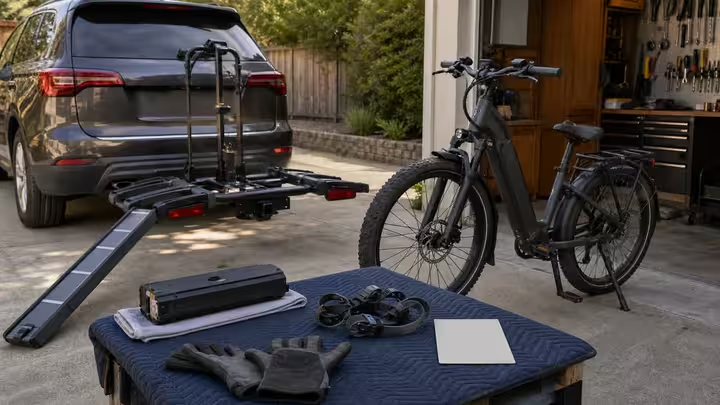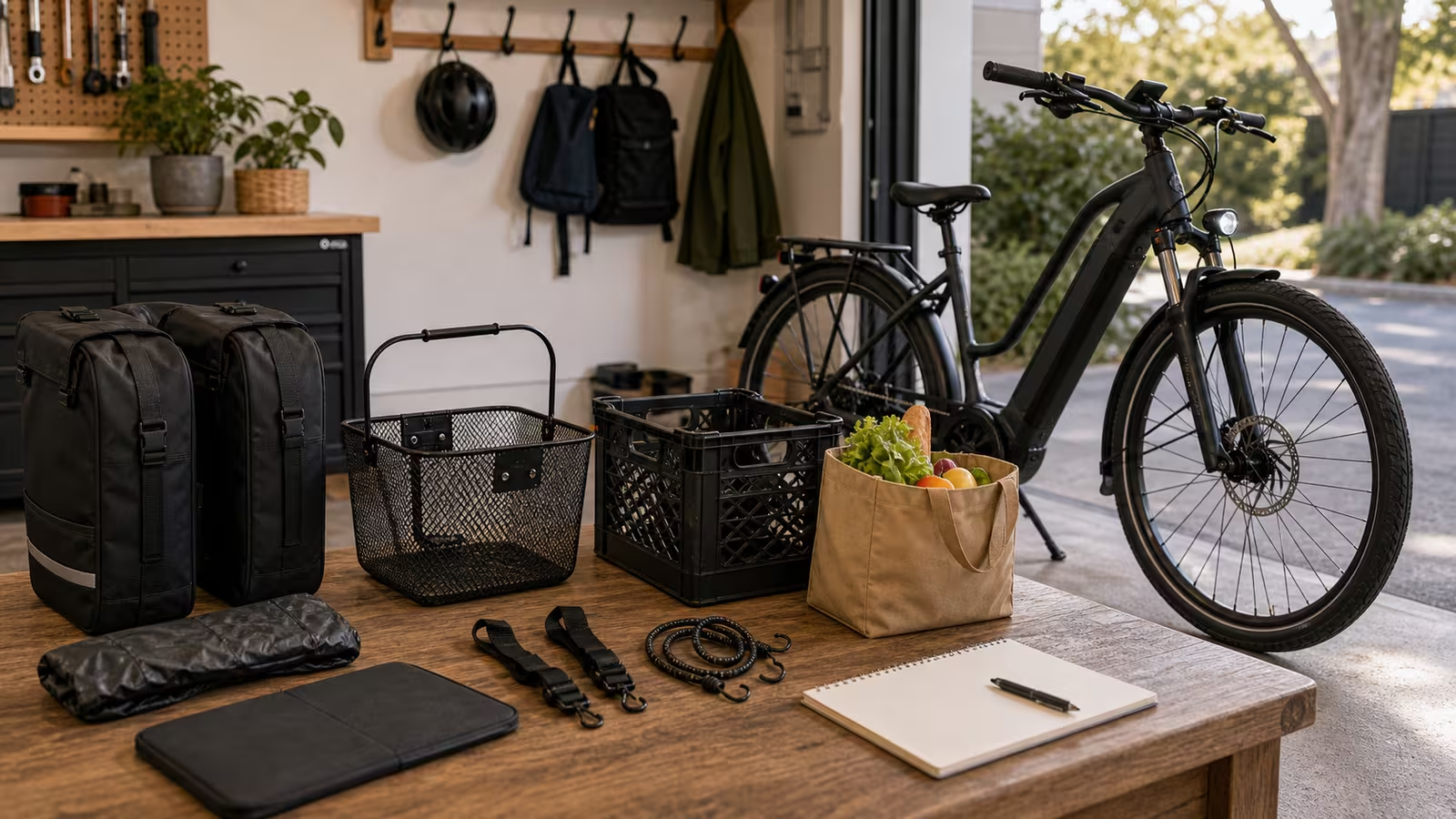
Panniers, baskets, crates, and trunk bags can make an e-bike feel dramatically more useful. They can also make the bike awkward if the load ends up too high, too loose, too exposed, or in the way of locking and lights. The right accessory is not the one with the most capacity. It is the one that makes your everyday load stable, weather-ready, and easy enough to repeat.
Start with the repeat load
Name the load you carry often: laptop and lunch, two grocery bags, gym clothes, school backpack, rain gear, medication, library books, or a small tool kit. Then ask how heavy, fragile, wet, theft-sensitive, and awkward it is. A laptop wants padding and weather protection. Produce wants gentle packing. Heavy cans want low placement. Rain gear wants easy access.
Do not buy cargo accessories for the biggest possible day first. Build the normal day, then decide whether occasional large loads need a different system.
Panniers keep weight low
Panniers are often the best first serious cargo upgrade because they place weight low and beside the rear wheel. A pair can balance groceries, work gear, or school items. Look for secure hooks, heel clearance, weather resistance, and whether the bag comes off easily at the destination. A pannier that falls off over bumps is not a bargain.
Check whether panniers block rear lights, frame locks, child-seat footrests, or the kickstand. A bag that solves carrying but prevents locking creates a new problem. Test with the real load before trusting it on a commute.
Front baskets are convenient but affect steering
A front basket is excellent for light items you want to see: jacket, small grocery bag, lock, gloves, or takeout. Too much front weight can make steering heavy or twitchy. A handlebar-mounted basket behaves differently from a frame-mounted basket. Follow the accessory rating and bike guidance.
Front baskets can also tempt loose loading. Use a net, strap, or bag so items cannot bounce out or swing into the wheel. Keep straps away from spokes and brakes. Do not hang heavy bags from handlebars.
Rear crates hold volume but can stack too high
A crate can be useful for odd shapes, backpacks, packages, and casual errands. The risk is height and looseness. A tall stack on a rear rack can sway, block lights, and make the bike harder to mount or swing a leg over. Heavy loads high on the rear rack can affect balance, especially on hills or when putting the bike on a stand.
If you use a crate, attach it properly, keep heavy items low, use a cover or net, and check that the rack is rated for the load. A crate should not become a random bucket of unsecured items.
Trunk bags and top bags are for small organized loads
Trunk bags can be good for repair kits, rain layers, lunch, and small items. They keep cargo contained and may include reflective details. They are not usually the best place for heavy groceries. Check attachment security, weather protection, and whether the bag blocks lights or the rider’s mount.
A top bag can pair well with panniers: heavy goods low, fragile goods on top. Write down the pattern that works so the next grocery trip is not improvised.
Weather decides more than looks
Rain covers, waterproof liners, roll-top panniers, dry bags, and simple plastic bins all solve different problems. A rain cover can blow loose. A waterproof pannier may be slower to open. A crate may need a net and a liner. A laptop may need a second sleeve inside the bag.
Choose for the weather you actually ride in. If the bike lives in an apartment, also decide where wet bags dry. A good cargo setup includes the landing zone.
Theft risk shapes removable choices
A beautiful bag left on a bike can become a theft target. A removable pannier may be better for work or grocery stops, but removing it every time can be annoying. A fixed crate may be less tempting but exposes contents. Locks, lights, batteries, and accessories all interact.
The Lock Risk Checklist should be used with the actual cargo setup. If the bag blocks the frame, hides the lock, or covers the light, change the setup before the long stop.
Test before the real errand
Load the accessory at home. Walk the bike. Brake. Turn. Look behind. Put it on the stand. Lock it. Ride a quiet block. If the load shifts, rubs, blocks controls, or makes the bike feel strange, fix it before traffic. Cargo accessories should make the bike more useful, not more mysterious.
The best choice may be boring: two panniers for workdays, a small front basket for quick errands, and a crate only for specific loads. Choose the pattern that repeats well.
Avoid permanent improvisation
Temporary straps and borrowed bags are fine for testing, but they should not become a long-term cargo system if they slip, flap, soak through, or block lights. After a few rides, either formalize the setup or stop using it. A daily accessory should mount securely, dry predictably, and let the bike be locked without a puzzle.
Check the accessory after rough pavement. Bolts loosen, hooks wear, crates crack, straps stretch, and rain covers tear. Cargo accessories are part of maintenance because they affect handling and visibility. A rattling crate or loose pannier is not just noise; it is information.