An office e-bike commute is not finished when you reach the building. Work becomes the middle of the loop: parking, locking, battery handling, wet gear, laptop carrying, clothing comfort, lunch storage, meetings, and the ride home. Many promising commutes fail because the work side is vague. The bike arrives, but there is nowhere sensible to put it, no charging rule, no place for rain gear, and no plan for a low battery at 5 p.m.
Ask before you need permission
Find out where bikes are allowed, whether e-bikes are treated differently, whether batteries may come inside, whether charging is allowed, and whether any registration, badge, room, or insurance rule applies. Ask facilities, security, building management, or HR through the appropriate channel. Save the answer.
This is not about asking permission for ordinary transportation in every context; it is about avoiding a morning conflict with a guard, manager, or posted policy. If the rule is unclear, clarify before the commute becomes routine.
Scout the parking point
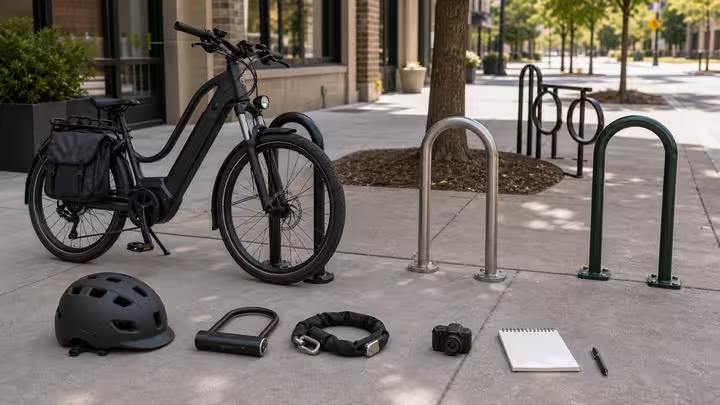
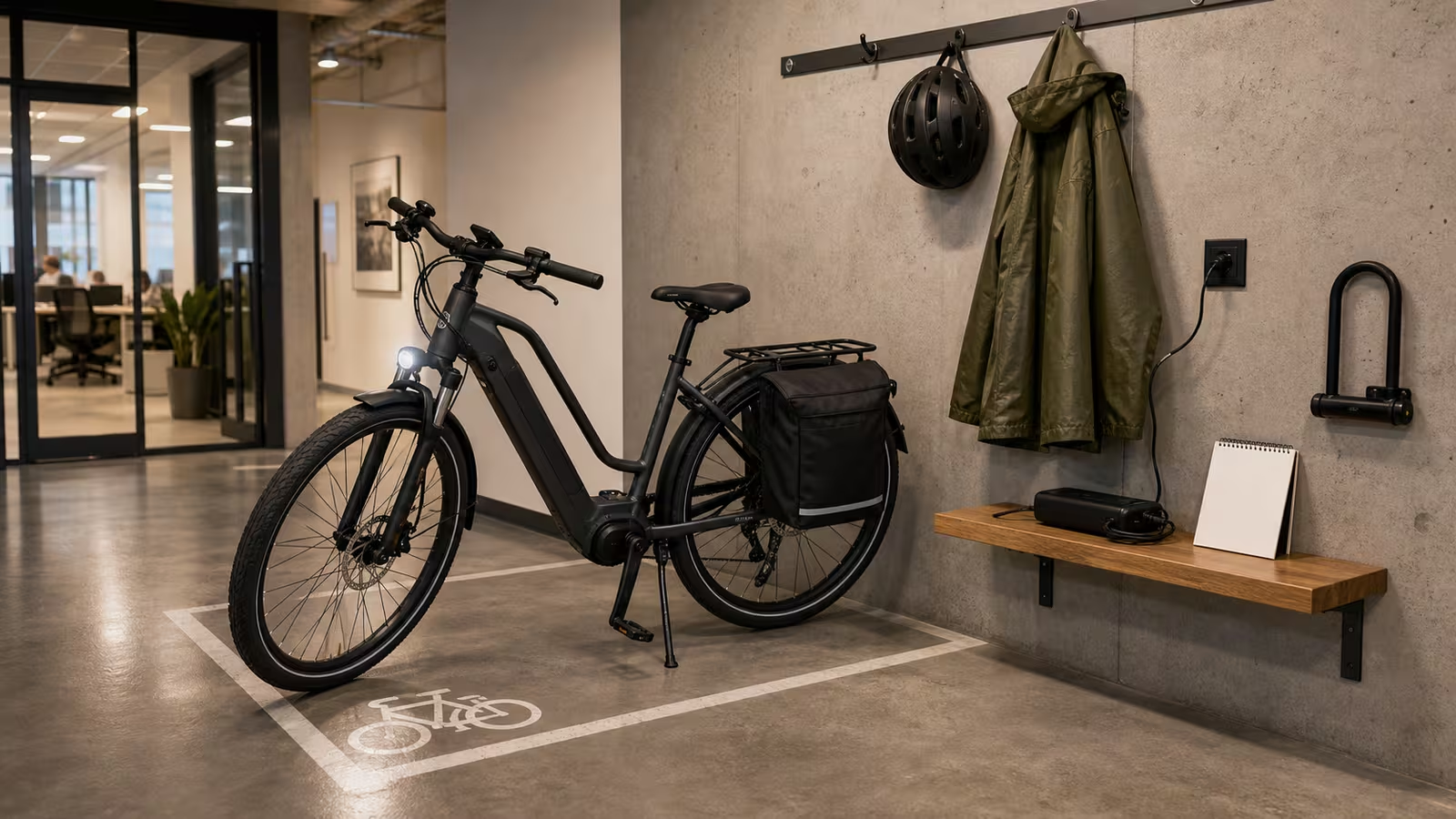
Is the parking indoors, outdoors, behind a badge door, in a garage, at a public rack, or in a general storage room? Can the frame be locked to something fixed? Is the rack visible? Does it protect from weather? Does it fit a cargo bike? Is there camera coverage? Are other bikes packed tightly enough to damage yours? Is the exit route clear?
Use the Lock Risk Checklist for the work stop. A workday is a long stop. A cable lock that felt fine for a coffee run is not the same plan as eight hours outside an office.
Treat charging as a workplace system
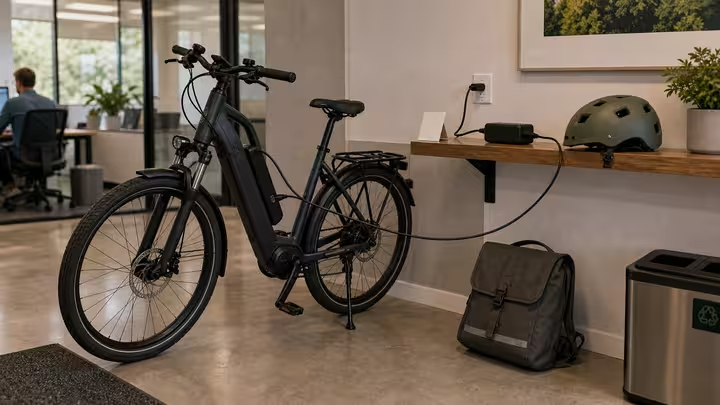
Do not assume you can plug in because an outlet exists. Ask whether charging is allowed, where, and under what conditions. Use only the approved charger. Keep it on a clear, hard, dry, ventilated surface. Avoid cords across walkways, cluttered shelves, soft furniture, or shared outlets where the charger will be unplugged. Labeling may be useful if allowed, but do not add readable personal labels to public images or records you share.
If workplace charging is not allowed, plan enough range to commute both ways with reserve, or bring the battery home for charging if the manufacturer and building rules allow. Public or office charging should support the commute, not become an improvised electrical project.
Carry work gear with stability
Laptop backpacks can make the rider hot and hide visibility. Panniers can keep weight lower but need padding, weather protection, and secure attachment. A front basket may be convenient but can change steering. Choose the carrying method around the actual items: laptop, charger, lunch, shoes, documents, badge, rain shell, and spare shirt.
Check that work gear does not block lights or prevent locking. A bag that must come inside should detach quickly. A bag left on the bike should not advertise expensive contents. Test the load before the first full commute.
Plan the clothing transition
Some commutes need no change. Others need a shirt, shoes, towel, deodorant, hair tie, or place to hang rain gear. Decide where wet items go without dripping on shared floors or chairs. If the office has no shower, route and clothing choices matter more. A slightly slower ride may be better than arriving overheated before a meeting.
The Commute Comfort Audit can turn this into practical questions: what made arrival awkward, what made the return harder, and what can be fixed at the office instead of on the bike?
Keep the return trip in view
The return ride may be darker, hotter, colder, wetter, windier, or more tiring than the morning. It may also start with a lower battery if charging was not available or did not happen. Before leaving work, check lights, weather, battery, tire feel, and whether any gear was left at the desk.
A good office commute has a five-minute reset at both ends. Morning: park, lock, battery, gear. Evening: battery, lights, weather, bag, route. Small rituals prevent large surprises.
Handle office culture calmly
People may ask questions, joke, criticize, or become curious. Keep answers practical: this is my commute, this is where it parks, charging follows policy, wet gear stays here, and I use a lock. Avoid turning every hallway comment into a debate about cars, climate, or personal virtue. The best office e-bike advocacy is a bike that creates no extra work for others.
If conflict appears, document facts and use the proper workplace channel. Do not leave cords, wet gear, or blocked paths that make the complaint easier.
Review after two weeks
After ten workdays, update the system. Did the lock feel adequate? Was charging needed? Did rain gear dry? Did the route home feel worse in darkness? Did laptop carrying affect comfort? Did security understand the bike? Did the parking spot stay available? Fix the weakest point.
An office commute succeeds when work is not a mystery stop. Make the workplace part of the loop, and the bike becomes easier to choose on ordinary mornings.
Keep a work-side kit
If the commute is regular, store a small kit at work where allowed: dry socks, a towel, charger if charging is permitted, deodorant, spare light cable, lock key backup process, and a simple snack. Keep it modest and professional. The kit should support the commute without turning the workplace into a gear closet.
Also decide what never stays at work. Expensive batteries, personal documents, and critical keys may need to travel with you or follow workplace policy. Write the rule down. A work commute feels easier when the rider is not deciding every item at the elevator.