A no-ride day is not a failure of e-bike life. It is a sign that transportation is bigger than one tool. Weather, battery condition, health, mechanical symptoms, heavy cargo, passenger needs, route closures, local-rule changes, or simple fatigue can make the bike the wrong answer for a specific trip. The backup plan protects the habit by removing the pressure to ride when the margin is gone.
Name the cancellation triggers
Write the conditions that cancel or change the ride: ice, lightning, flooding, high wind, extreme heat, poor visibility, battery warning, damaged tire, weak brakes, lost lock key, sick rider, upset child passenger, oversized cargo, closed path, or no legal access. These triggers should be decided before the stressful morning.
Different trips have different rules. A solo library errand may be fine in light rain. A child passenger school run may not be. A short ride to transit may work in heat that would cancel a long cargo trip.
Choose backup modes by trip
Each routine trip needs a backup: walk, transit, car, rideshare, car share, delivery, reschedule, work from home, ask another adult, or split the errand. Do not rely on one backup for everything. A grocery backup differs from a commute backup. A school pickup backup needs names, timing, and permission.
The backup should include cost and time. If transit takes thirty minutes longer, know that before the morning. If delivery is the grocery backup, know the cutoff.
Keep backup tools ready
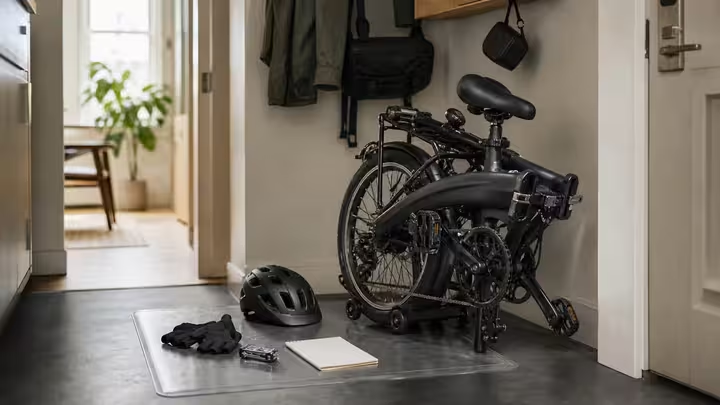
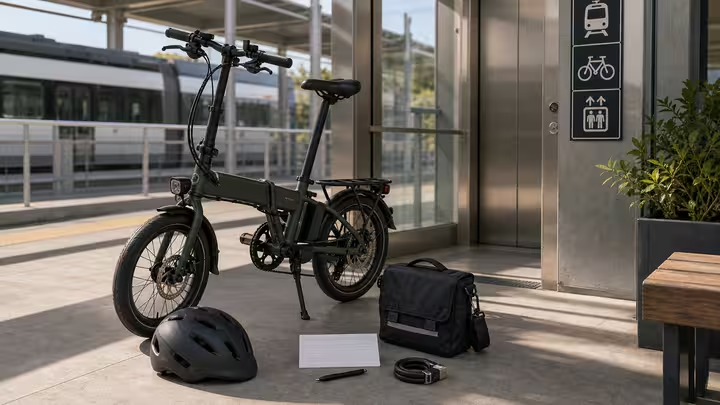
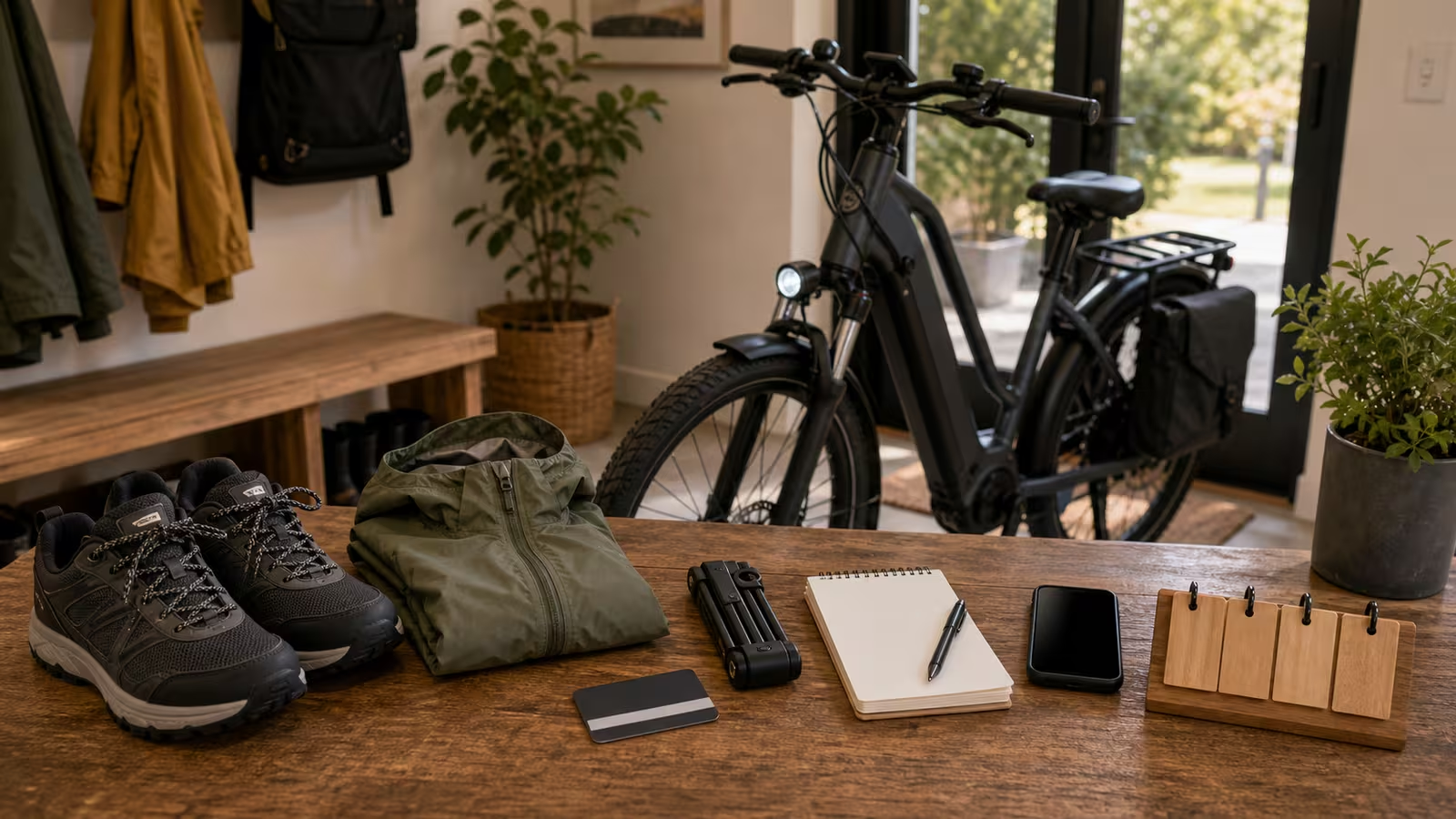
Transit card, walking shoes, rain shell, phone charge, payment method, compact lock, and route notes can make backup modes real. If the transit card is empty, the backup is weaker. If walking shoes are at work, the walk-home plan may fail. If the phone is dead, rideshare and maps are harder.
The backup kit should be small. It is not a second lifestyle. It is a way to keep the day moving when the bike stays home.
Do not negotiate with battery warnings
Battery concerns deserve strict boundaries. Do not ride or charge a battery that is damaged, wet beyond instructions, swollen, odd-smelling, unusually hot, cracked, submerged, or behaving strangely. Do not use an unknown charger to save the trip. A backup mode is cheaper than making a battery problem worse.
The Battery Care Planner gives the stop-use details. The backup plan gives you permission to follow them.
Treat mechanical symptoms as cancellation data
Weak brakes, tire bulges, repeated flats, steering play, loose racks, damaged passenger hardware, grinding drivetrain, or odd wheel behavior should not be ridden through because the calendar says commute. Use the backup and schedule service. This is especially true with passengers and cargo.
A practical e-bike routine includes a maintenance threshold. If the bike is not ready, the trip changes.
Plan for emotional friction
No-ride days can feel disappointing, especially when the rider wants the bike to replace other modes. Decide the language: today is a backup day, not a failure. This matters for families. Children learn that conservative choices are normal when adults make them calmly.
The e-bike becomes more trusted when it is not forced into every condition. The habit survives because it has room to be honest.
Review backup use
After using a backup, ask what happened. Was the trigger right? Was the backup too slow? Did the transit card work? Did the weather rule need adjustment? Did a mechanical issue need service sooner? Update the plan. A backup that improves over time becomes part of the transportation system.
The goal is not to ride every day. The goal is to make the e-bike a strong option inside a resilient set of choices.
Build the backup into calendars
A backup plan works better when it is visible before the bad morning. Put routine backups into the same places you put normal travel information. A school pickup plan can name the adult who can step in, the latest decision time, and the contact method. A work commute plan can note which transit line, parking option, or remote-work rule applies when weather or battery condition cancels the bike. A grocery plan can name the smaller errand, delivery option, or postponed trip that keeps food needs from turning into a risky ride.
Use decision times. For example, decide by 7:00 whether the school run changes mode, by 4:00 whether the return commute uses transit, or the night before whether ice cancels the morning ride. Late decisions create pressure to rationalize poor conditions. Earlier decisions let the household adjust calmly.
Keep the backup honest about money and time. If rideshare is too expensive for ordinary use, it should be an emergency backup, not the default. If transit is slow but reliable, build the extra time into the calendar. If a car is shared, confirm who has it. If walking is the backup, check shoes, weather, and route safety.
Finally, protect the bike habit from guilt. A planned no-ride day leaves the battery stored properly, the lock put away, and the next ride intact. A forced ride through poor conditions can create fear, damage, or conflict that makes future riding harder.
One useful final question is: what would make tomorrow easier if today becomes a no-ride day? Charge the phone, move the bike out of a blocked hallway, dry the rain gear, message the pickup backup, or set out walking shoes. A cancelled ride should still leave the household better prepared for the next trip.