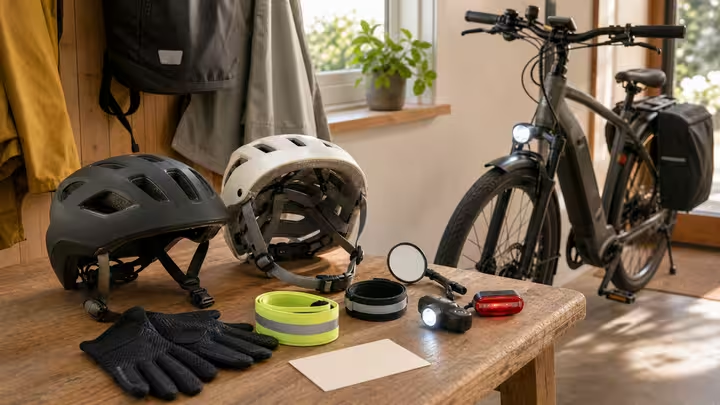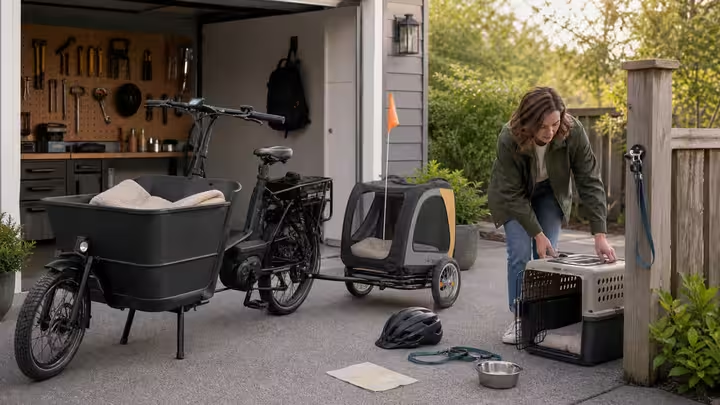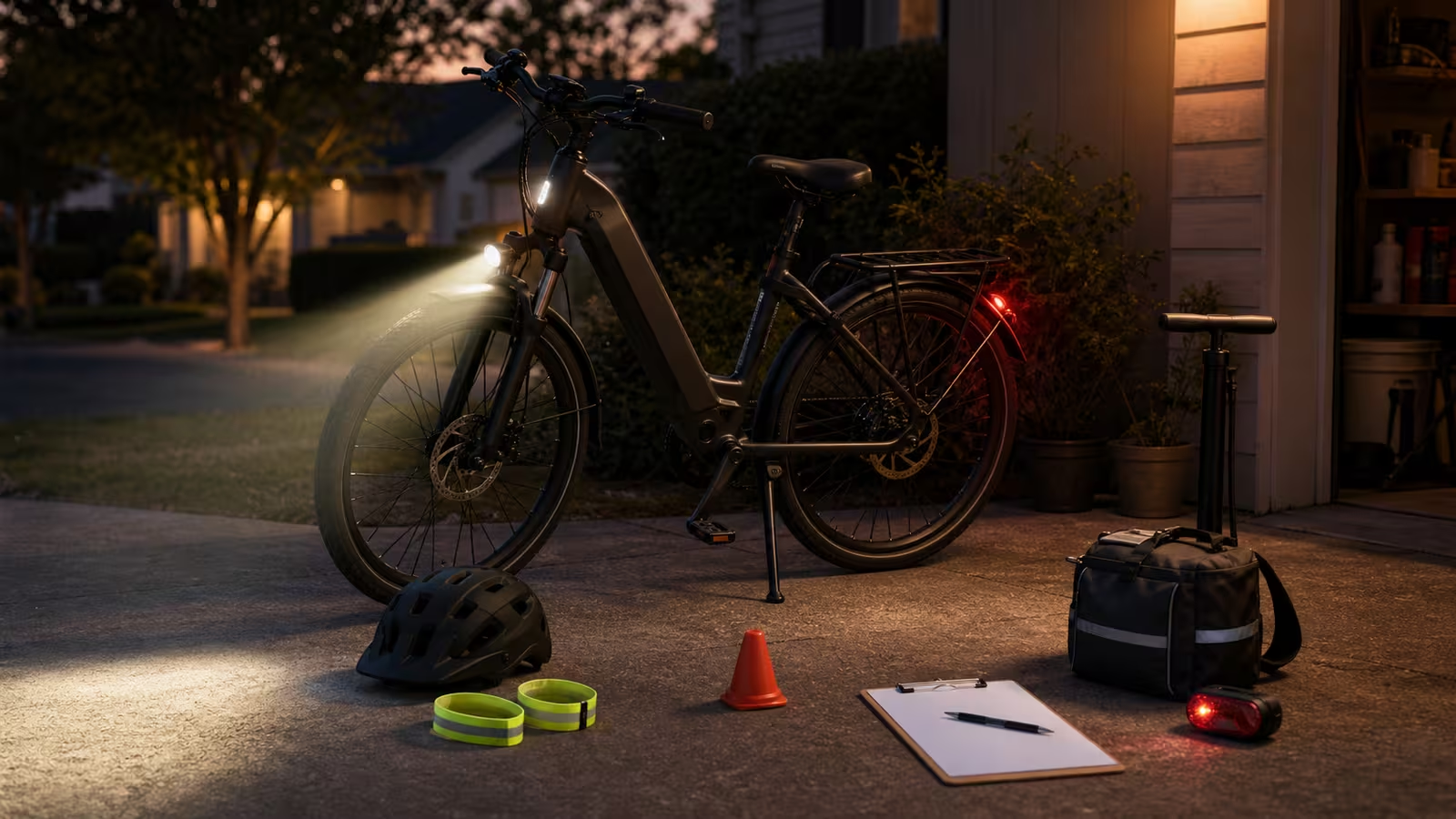
Night riding is not just daytime riding with a brighter accessory. Darkness changes surface reading, speed judgment, driver expectations, path etiquette, personal comfort, battery planning, and how visible your actual loaded bike is from different angles. A good night setup helps you see potholes, debris, painted lines, puddles, curbs, people, and turns without making every person you meet stare into a beam.
Aim the front light before the first dark ride
Many front lights are mounted too high, too loose, too low, or in a place that gets blocked by a bag. Aim the light in a driveway or quiet lot before depending on it. You need enough light on the pavement ahead to read the surface at your planned speed. You do not need to shine directly into the eyes of pedestrians, drivers, or riders coming toward you.
Check the mount after bumps. A light that starts aimed correctly can rotate downward or upward during a ride. If the bike has a built-in light, learn how to turn it on, what modes exist, and what happens when the main battery is low. If the light is removable, create a charging and reattachment habit.
Make rear visibility real with the load attached
A rear light on an empty bike can disappear behind panniers, child seats, rain covers, crates, or a long jacket. Test the loaded setup. Stand behind the bike at different distances and angles. Crouch to car height. Move to both sides. If the light is blocked, move it to a rack mount, bag mount, helmet, seatstay, or another location allowed by the maker and local rules.
Rear visibility is not only a bright dot. Reflective details, pedal motion, ankle bands, wheel reflectors, and side visibility help people understand that the object is a moving bike. Keep those surfaces clean. Dirt, rain, and winter grime reduce usefulness.
Slow down for what the light cannot show
A bright light does not make the road predictable. It may not show black ice, wet leaves, deep potholes, glass, broken pavement, or a person stepping from shadow early enough at higher speed. E-assist can make a rider hold speed through dark areas without noticing how little detail is visible. Lower the assist, brake earlier, and avoid riding faster than your light and reaction time support.
This matters on shared paths. People without lights may appear late. Dogs, children, runners, and other riders can move unpredictably. A bell or voice should come early and with lower speed. Night etiquette is still etiquette.
Choose a night route, not just your day route
The best daylight route may be a poor night route. A park path may close after dark. A quiet street may lack lighting. A protected lane may collect debris you cannot see. A commercial corridor may be brighter but busier. A shortcut through a campus may have rules or gates. Scout the route in daylight and ask how it changes at night.
A good night route has fewer blind corners, better surface quality, legal access, predictable lighting, calmer intersections, and places to stop. The Route Scouting guide helps turn this into a map rather than a guess.
Keep spare power boring
Lights need power. If your lights run from the e-bike battery, know how much reserve you need. If they are separate, charge them on a schedule and consider a small backup light for essential trips. Do not wait until the ride home from work to discover that the rear light was left on in a bag.
Cold can reduce battery performance. Rain can affect charging habits. A removable light can be stolen if left on the bike. Decide what comes with you at stops, what charges where, and how you know the lights are ready. A simple weekly reset is better than a heroic search for a cable at 10 p.m.
Keep helmet and clothing compatible with darkness
Night gear can change helmet fit and shoulder checks. A hood may push the helmet out of position. A reflective vest may cover pockets you need. Clear or low-light eyewear may be better than dark lenses. Gloves must still operate brakes, buttons, bells, and locks. If clothing makes you less able to look behind or signal, it is not helping enough.
Check the rider as a whole shape. A dark backpack can hide a bright shirt. A long rain jacket can hide reflective ankle bands. A helmet light can help with being noticed but may blind people if used carelessly. Keep the setup readable from all sides.
Use light as communication, not aggression
A powerful beam can feel hostile when aimed at faces. On shared paths, a lower setting may be better where local rules and conditions allow. When stopping, avoid shining directly at people. When approaching a pedestrian, slow first; the light is not a substitute for space. If someone shields their eyes, treat that as useful feedback.
Drivers also need clarity. A steady rear light may be easier to locate than a chaotic flash in some situations, while a pulse can help in others. Choose modes that meet local rules and make you understandable. Avoid novelty patterns that make the bike harder to interpret.
Reset after night rides
After the ride, recharge lights, wipe lenses, note dark spots in the route, and check mounts. If one intersection felt bad, fix the route rather than blaming yourself for feeling tense. If you arrived tired from concentrating, the route or light setup may need improvement. Night riding should become calmer with practice, not stay a weekly stress event.
The standard is practical: see the surface, be seen from the real angles, respect local rules, and ride at a speed that matches what the light can reveal. Darkness does not forbid e-bike transportation, but it demands a more honest setup.