One errand by e-bike can be simple. Several errands in one loop are different. The ride begins to change shape as the bags fill, the lock comes out again and again, the cold food waits, the weather shifts, the battery drops, and the easiest parking spot disappears. A multi-stop loop is not hard because the mileage is high. It is hard because every stop changes the next stop.
Good errand planning starts with the stops rather than the road between them. The bike has to park, lock, carry, wait, and return home. The best loop may not be the shortest route on a map. It may be the route that keeps the heaviest load near the end, puts the most secure rack at the longest stop, avoids a stressful left turn with full panniers, and gets cold food home before the ride becomes a puzzle.
Sort stops by friction
Write the stops in the order a map suggests, then rewrite them by friction. Which stop has the weakest parking? Which stop takes longest? Which stop produces the heaviest or most fragile load? Which stop involves cold food, a package, a prescription, a return, or something awkward to leave on the bike? Which stop is easiest to skip if the loop runs late?
This sorting changes the ride. A bakery stop with one loaf is different before the hardware store than after it. A library book return may be easy at the beginning because it removes weight. A grocery stop may belong near the end because food is heavy and temperature-sensitive. A pickup that produces a box may need to happen after you know the box actually fits. The Cargo Setup Picker helps with equipment, but stop order is where the equipment proves itself.
Plan parking before cargo arrives
Secure parking becomes more important as the loop grows. If the first stop has a visible rack and the third stop has only a wobbly signpost near a side alley, the third stop may decide the whole route. An e-bike loaded with groceries, a battery, bags, and accessories is more annoying to lock and more attractive to steal. It is also more likely to block people if parked carelessly.
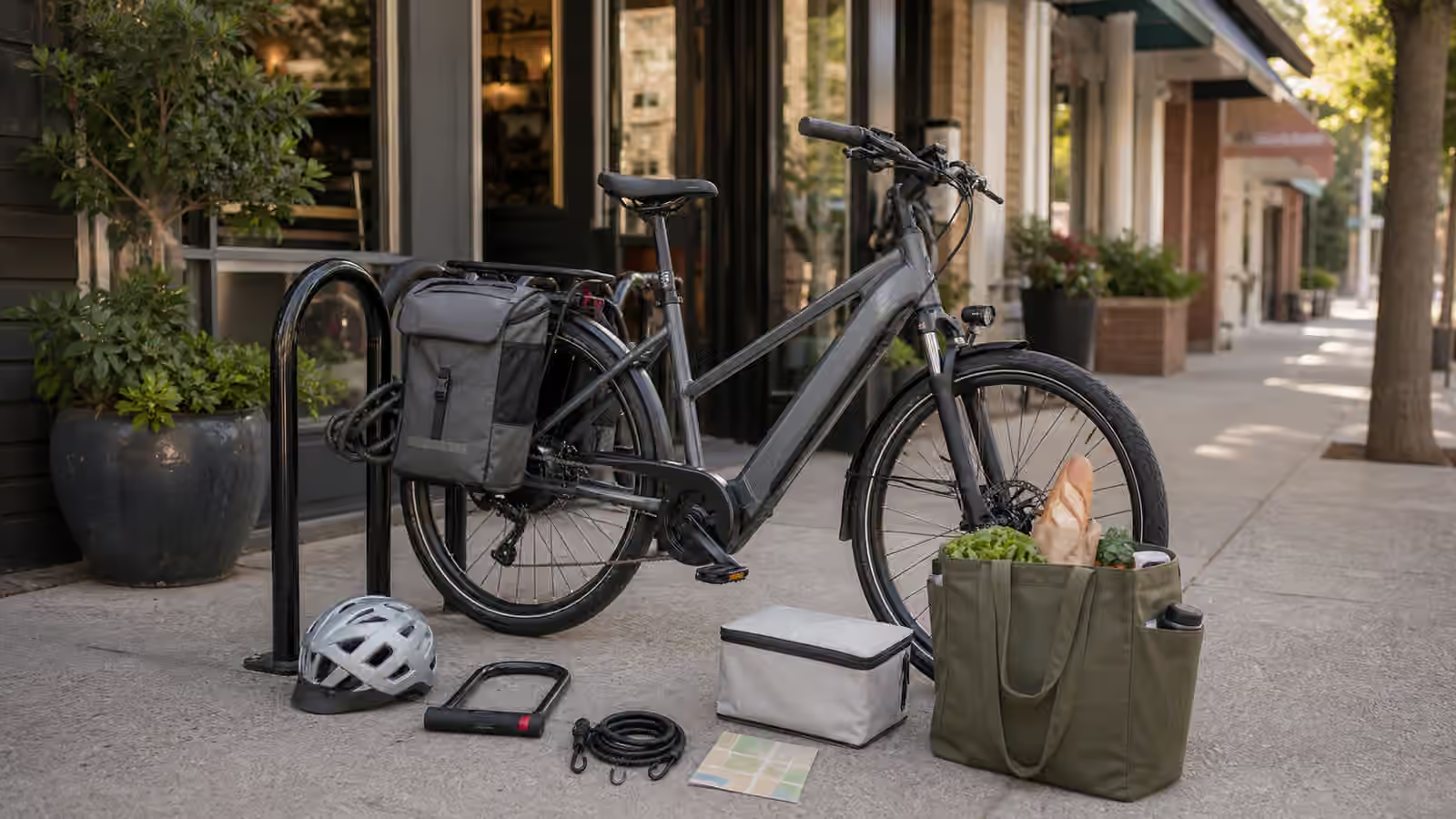
Use the Secure Parking Scouting habit before the loop matters. Know which stops have fixed racks, visibility, weather cover, lighting, and enough space for a cargo bike or trailer. If a stop requires leaving valuable cargo outside for more than a moment, ask whether that stop belongs in the same loop. Sometimes the best e-bike errand plan is two smaller loops, not one heroic chain.
Keep the lock routine repeatable
A multi-stop ride punishes complicated lock habits. If the lock is buried under groceries after the first stop, every later stop becomes messier. Keep the lock accessible even as the load grows. If you use a second lock for longer stops, decide when it comes out before the ride. Do not invent a new locking method while balancing a bag of produce and a helmet.
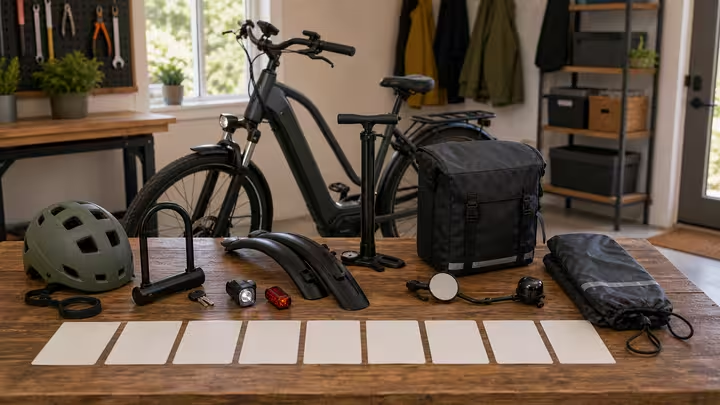
Locking should also include accessory decisions. Lights, bags, displays, removable batteries, and small tools may need to come with you at some stops and stay with the bike at others. The Lock Risk Checklist is useful because multi-stop errands create different risk levels inside one ride. A two-minute pickup and a thirty-minute appointment should not automatically get the same lock plan.
Load for the last stop, not the first
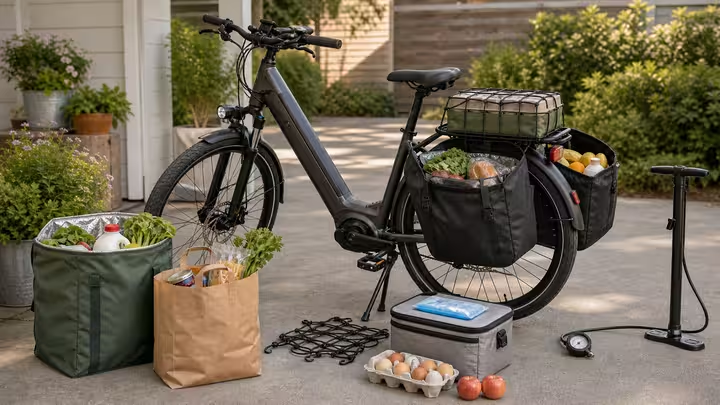
The bike may feel perfect when it leaves home and clumsy after the third stop. Put heavy items low and balanced. Keep fragile items away from crush zones. Keep straps and bag handles out of wheels. Leave room for the unexpected item that is larger than it looked online. If a front basket makes steering lively when loaded, save that space for lighter goods. If rear panniers make the bike wide, remember narrow store entrances, racks, and apartment hallways.
The Grocery Hauling Without Wobble guide covers food weight, but the same handling lesson applies to any errand loop. A bike that handles well with ten pounds may feel different with thirty. Practice with ordinary loads before trusting the bike with breakables, liquids, or a long ride home.
Protect time-sensitive items
Cold food, heat-sensitive medicine, flowers, takeout, and electronics do not care that the route is scenic. They need timing, insulation, shade, and a direct path home. An insulated pouch may solve one grocery stop, but it does not make every delay harmless. Hot weather, winter cold, rain, and direct sun can all change the right order.
If a loop includes time-sensitive goods, put that stop late or split the ride. Avoid leaving food on the bike during another appointment. Do not let the desire to replace a car trip turn into poor food handling or damaged goods. Transportation should make the errand easier, not turn it into a bet against weather.
Give the battery a reserve for detours
Multi-stop errands create detours. A rack is full, a road is closed, a store is busier than expected, a package is not ready, or the wind rises on the way home. Plan battery reserve around the ride you may have, not the clean loop you drew. Extra weight, stop-and-go riding, hills, cold, and high assist can all reduce range.
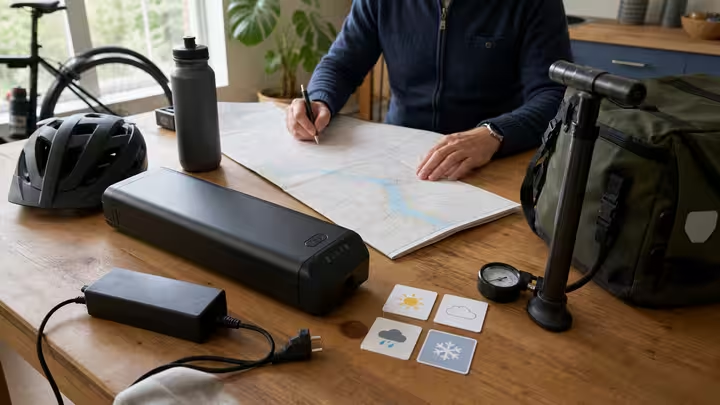
The Range Reality Planning rule is simple: keep enough margin that the final loaded miles home are not stressful. If the route is near your comfortable range limit, lower the assist earlier, charge before leaving if appropriate, shorten the loop, or choose another mode. The worst part of running low is often not the distance. It is pushing or pedaling a heavy loaded bike after the errands are done.
Make weather part of the order
Rain, heat, wind, and darkness can change which stops make sense. A dry morning forecast with afternoon storms may put outdoor parking stops first. A hot day may move groceries late and shaded parking higher in the plan. A windy return may turn a tall load into a handling problem. Darkness may make a calm route better than a direct route.
Weather planning should be ordinary, not dramatic. Pack rain covers before the first bag blocks access. Keep lights clean before the ride turns late. Choose a route that works with a loaded bike if the wind rises. If the weather crosses your no-ride boundary, protect the routine by switching modes instead of forcing a loop that teaches you to dread the bike.
Reset the bike when the loop ends
The errand is not over when the front door opens. Empty the bags. Remove food. Put the lock back where it is reachable. Recharge or store the battery according to your routine. Shake out rain covers. Check whether straps loosened, a pannier rubbed, a tire felt soft, or the kickstand struggled under load. Note the stop that created the most friction while you still remember it.
Multi-stop e-bike errands become easy when they are edited by experience. The next loop can be shorter, reordered, split, or given a different bag. That is not failure. It is how the bike becomes a reliable local tool. The goal is not proving that every errand can be stacked. The goal is building loops that come home calmly enough to repeat.