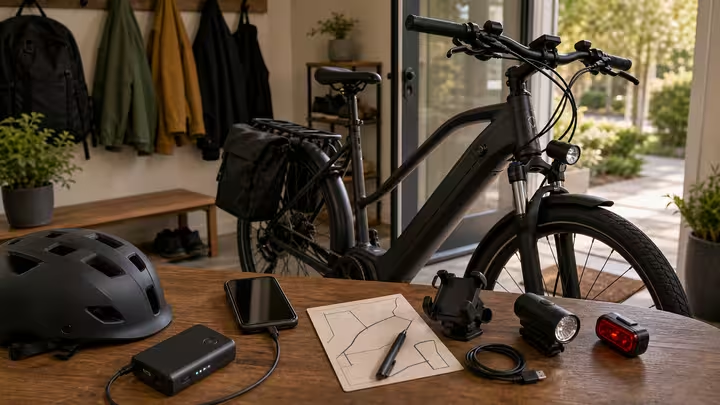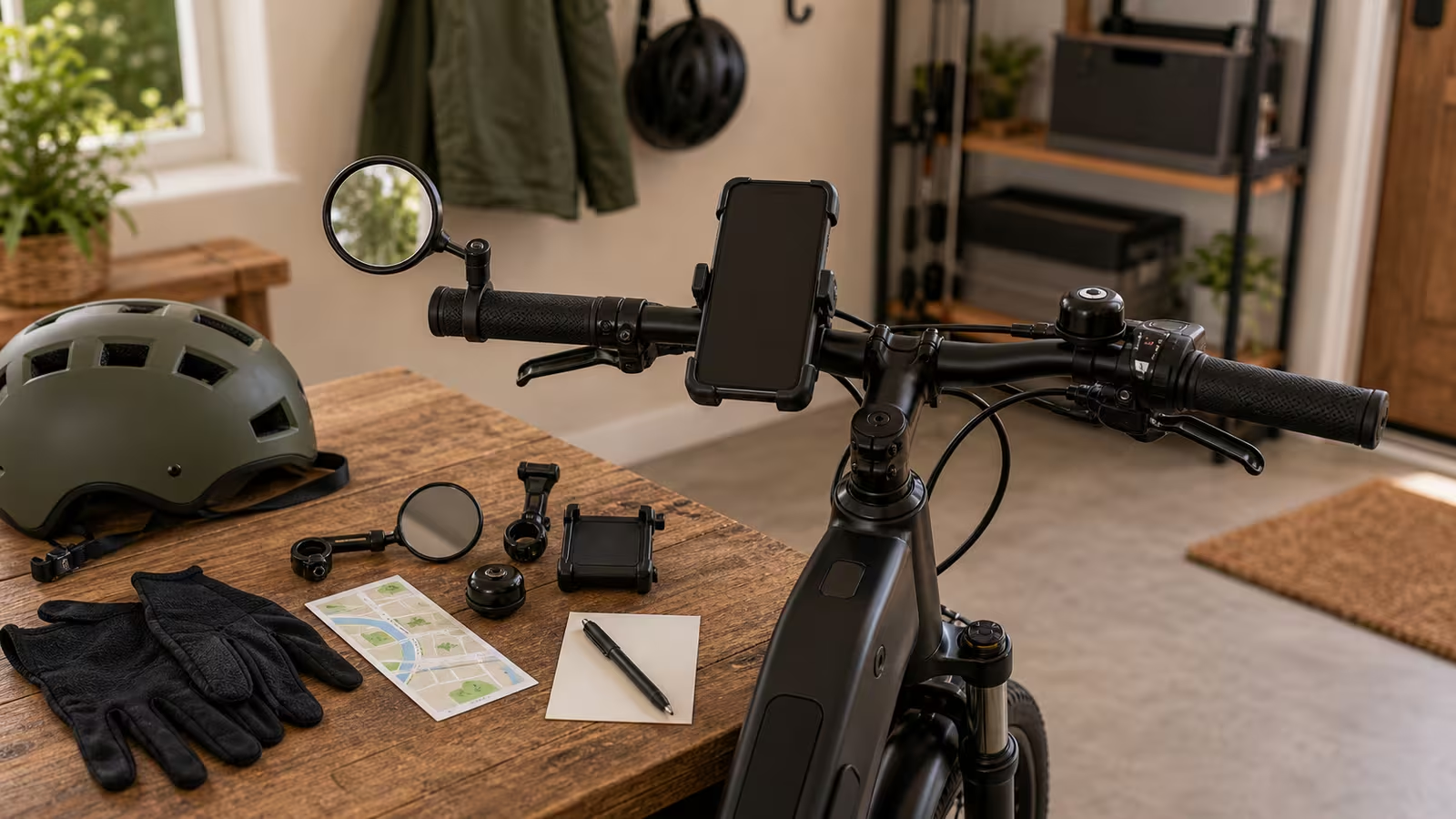
Cockpit accessories can help an e-bike rider communicate, scan, navigate, and stay calmer. They can also create clutter and distraction. A mirror that replaces shoulder checks, a bell used too late, or a phone mount that invites screen fiddling can make the ride worse. The right tool earns its place by making the rider more predictable without stealing attention from braking, steering, and people nearby.
Mirrors support shoulder checks
A mirror can help a rider notice traffic, faster riders, or a child passenger without turning constantly. It does not replace looking. Mirrors have blind spots, vibration, rain, glare, and alignment problems. Use the mirror as early information, then check directly before changing position where safe.
Choose a mirror location that does not block braking, shifting, bell use, or hand position. Test with gloves. If the mirror moves every ride, fix the mount or choose another design. A mirror that needs constant adjustment becomes a distraction.
Bells are timing tools
A bell works when used early, kindly, and with lower speed. It is not a demand that pedestrians jump aside. On shared paths, ring or speak with enough distance for people to process the sound. Slow before the pass. If someone is startled, you were probably too close or too fast, even if the bell was technically audible.
Different spaces may need different communication. A voice can be clearer than a bell in some places. A bell may be less startling in others. The Etiquette and Local Law Awareness guide covers the human side.
Phone mounts need strict boundaries
A phone mount can help with navigation, but it also makes distraction available. Use route preview before riding. Set the app, brightness, and audio cues while stopped. Keep the screen simple. Do not read messages, search, pinch maps, or change settings while moving. If the route becomes confusing, pull over safely.
Mount security matters. A phone bouncing loose into traffic or spokes is a problem. Check that the mount fits the phone and case, does not block the display or lights, and does not interfere with cables or steering. Rain and vibration can change reliability.
Consider a paper route cue
For simple routes, a small route card can be better than a live screen. A few turns, lock point, and backup stop may be enough. Use no sensitive information and keep it readable at a glance. A route card also works when phone battery is low or service drops.
The Navigation and Phone Battery Routine guide pairs with this. Navigation should reduce uncertainty, not turn the cockpit into a desk.
Keep the cockpit uncluttered
Bars can fill up quickly: display, bell, mirror, phone, light, throttle, shifter, brake levers, bags, and cables. Clutter can make it harder to brake, signal, hold the bars, or see the display. Place essential controls first. Accessories come second. If a tool forces an awkward hand position, remove it.
Check cable movement through turns. A mount that looks fine with the bike straight may tug cables at full lock. This matters in apartments, bike rooms, and tight turns.
Test with gloves and rain
Gloves change buttons and grip. Rain changes screens, bells, mirrors, and mount security. Test the setup in the conditions you actually ride. Can you ring the bell with winter gloves? Does the mirror fog? Does the phone screen become unreadable? Does a rain cover block the mount?
If a tool only works on a sunny test ride, it may not belong in the daily cockpit.
Do not let tools replace route choice
A mirror does not make a high-stress merge comfortable. A louder bell does not make a crowded path appropriate for speed. A phone route does not override local rules or posted signs. Cockpit accessories can improve the ride, but they cannot repair a bad route.
Use tools to support a route you have already made calmer. The best accessory is often a better street choice.
Reset after adjustments
After adding or moving a cockpit tool, ride a quiet loop. Start, stop, turn, signal, look back, ring the bell, check the mirror, and glance at the route cue. If anything interferes with control, fix it before the commute. Accessories should disappear into the routine, not demand attention.
Choose fewer, better tools. The cockpit should tell the rider what matters and leave room for hands, eyes, and judgment.
Give every tool a job
Before adding another accessory, say its job out loud. The mirror helps with early awareness. The bell communicates before passing. The phone mount holds a preloaded route cue. The light makes the surface visible. If a tool’s job is vague, it may become clutter. If two tools compete for the same hand position, choose the one that supports control better.
Remove accessories that do not earn their place. A phone mount that shakes, a mirror that cannot hold adjustment, a bell hidden behind a bag, or a route card that flaps into cables is not a harmless extra. It is one more thing asking for attention when the rider should be scanning the route.
Practice the cockpit reset
After parking, straighten the mirror, charge the phone or light, check the bell, and remove anything loose from the bars. The cockpit should be ready before the next ride, not rebuilt at the curb while traffic waits.