Ownership records are not exciting, which is exactly why they should be created before they are needed. After a theft, crash, warranty question, move, insurance call, or service appointment, riders often discover that the serial number is hidden under the frame, the receipt is in an old email account, the battery model is unknown, and the only good photo is a blurry vacation shot. A simple record folder prevents that.
Record the bike identity
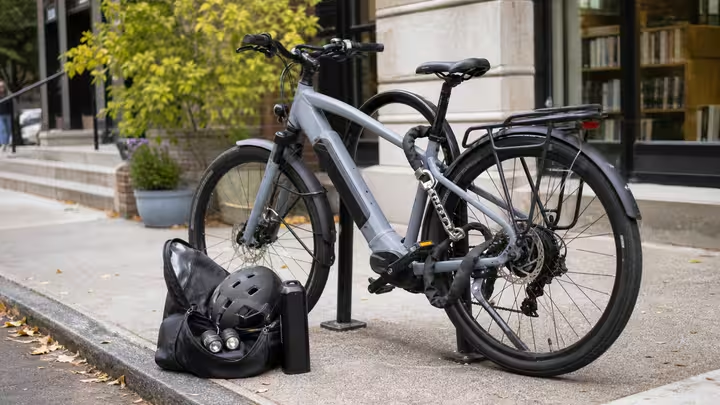
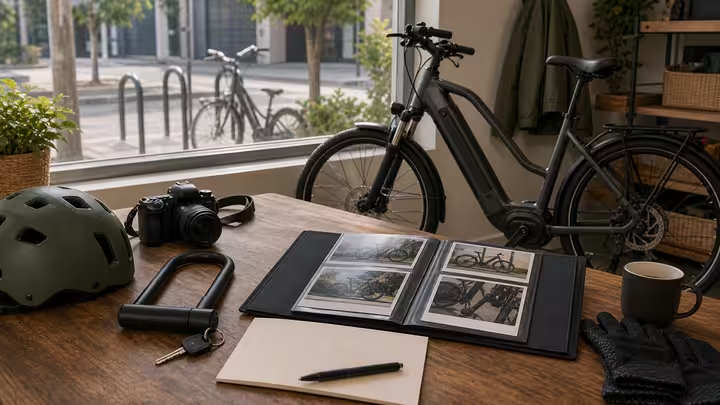
Find the frame serial number and write it down exactly. Photograph it clearly. Photograph the whole bike from both sides, front, rear, drivetrain side, cockpit, battery area, and any unique marks. If the battery, motor, display, or charger has a serial or model number, record those too. Save the make, model, size, color, purchase date, and seller.
Do this before the bike is dirty, stolen, modified, or covered in accessories. If a shop or insurer asks for identity details, you should not have to turn the bike upside down while stressed.
Save receipts and proof of ownership
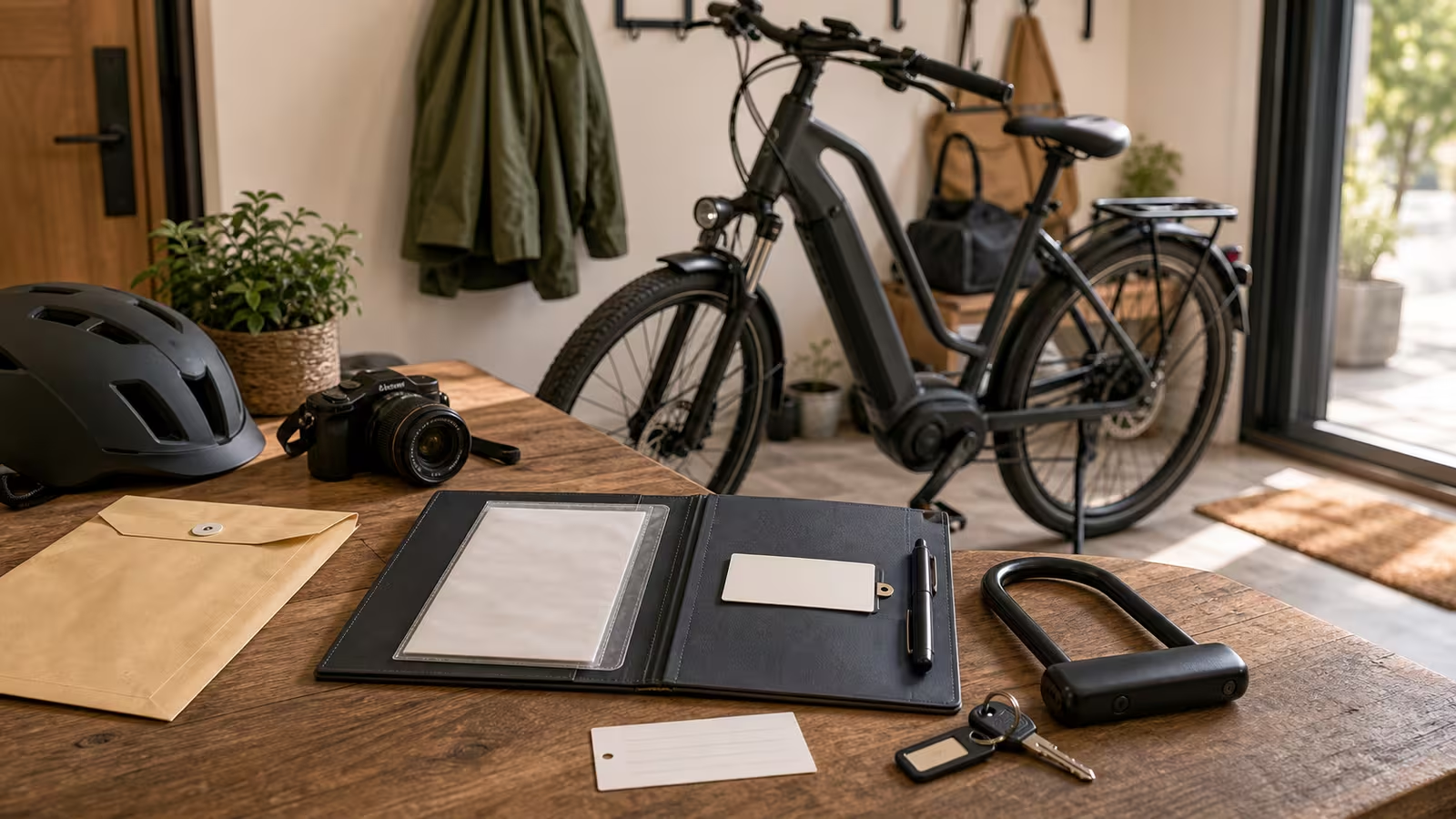
Save purchase receipts, order confirmations, transfer documents, used-bike bill of sale, payment records, warranty registration, and shop invoices. For a used bike, note the seller’s information as appropriate and keep any ownership statements. For accessories, save receipts for locks, batteries, chargers, child seats, racks, lights, and expensive bags.
Use a folder that survives device changes. A cloud folder, printed copy, and password manager note can all play roles. Do not store the only copy inside a bag that stays on the bike.
Register where it makes sense
Some cities, campuses, bike registries, insurers, or manufacturers provide registration systems. These can help with recovery, warranty, or proof of ownership, but details vary. Check current local options and privacy tradeoffs. Registration is not a lock, and a lock is not registration. They support different parts of the ownership system.
If you move, update records. If you sell the bike, transfer records responsibly. If you buy used, check whether previous registration exists and what transfer process applies.
Ask insurance questions early
E-bikes may or may not be covered by homeowners, renters, bicycle-specific, vehicle, or umbrella policies depending on local law, class, motor, speed, value, and policy language. Do not assume. Ask your insurer what is covered, where, under what conditions, with what deductible, and whether theft away from home is included. Ask about accessories, batteries, cargo bikes, child seats, commercial use, delivery work, and modifications if relevant.
Write the answer down. Policy language matters. A casual phone comment is less useful than a clear policy reference. This guide cannot tell you what coverage you have; it can tell you to ask before the claim.
Record the lock system
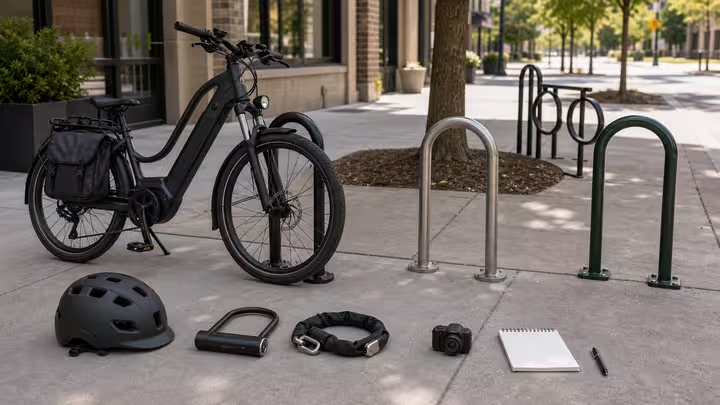
Save lock make, model, key code if appropriate, spare key location, registration, photos of how you normally lock, and any proof of lock purchase. Some insurance policies or registration systems may ask what lock was used. A strong lock plan also helps you repeat good habits.
The Lock Risk Checklist pairs well with records. Record the serial, photograph the bike, and choose lock strategy by stop. If theft happens, those details make reporting faster.
Keep service and modification notes
Save service records, firmware notes, battery replacements, brake work, tire changes, drivetrain service, child-seat installation, rack installation, and any modifications. If something changes how the bike behaves or how it is classified, record it. For warranty and insurance, modifications may matter.
Service records also help mechanics. A note that the brake pads were replaced three months ago, the battery was checked last winter, or the tire size changed after repeated flats gives the shop better context.
Prepare a theft-response card
Before anything happens, write the steps you would take after a theft: confirm the bike is missing, gather serial and photos, file a report through the proper local process, notify registration systems, contact insurer if applicable, inform building or campus security, and watch marketplaces carefully without confronting anyone yourself. Keep the wording factual.
The Theft Recovery After-Action guide can expand this. The key point here is that recovery actions are easier when the record exists first.
Protect privacy
Records are useful, but serial numbers and personal documents should not be scattered publicly. Share only what is needed with registries, insurers, police reports, shops, or buyers. Blur addresses or personal data in public posts. Use strong account security for cloud records. If the bike is used by multiple family members, decide who can access the folder in an emergency.
Privacy and recovery can both matter. The goal is findable ownership, not oversharing.
Review once a year
Set a yearly reminder: update photos, check serial readability, verify insurance, update registration, add service records, list new accessories, and remove sold items. Also review after major changes such as a new battery, child seat, cargo rack, move, or policy change.
Ownership records are a quiet form of resilience. They do not prevent every problem, but they make theft, service, warranty, resale, and insurance questions less chaotic. Build the folder while the bike is still safe at home.
If the bike is shared by a household, decide who maintains the record and who can access it quickly. A partner, parent, roommate, or older teen may be the person near the bike when a lock key is lost, a battery warning appears, or a shop asks for the charger model. Keep the record practical: enough detail to help, not so much clutter that nobody opens it. The record is part of the same everyday system as the helmet hook, charging place, and lock routine.
Used-bike buyers should also update records immediately after purchase. Take fresh photos, confirm the serial, save the bill of sale, remove old seller assumptions, and register the bike where appropriate. A bike with a vague past can still become a clear part of your life if ownership is documented from the day it becomes yours.
Related guidebooks
- Lock Risk Checklist: Match the Lock to the Stop
- Used E-Bike Buying Checklist: Inspect Before the Price Feels Clever
- Reality Check Desk for verifying registration, insurance, and recovery claims.
- Keepers Guild for records, maintenance notes, and repair boundaries.