Motor type is easy to turn into a debate and harder to turn into a useful habit. A hub motor can feel simple, steady, and independent from the bike’s gears. A mid-drive can feel natural, efficient on hills, and closely tied to shifting. Neither description is enough to buy, maintain, or ride well. The better question is how the motor you actually have changes starts, hills, cargo, drivetrain wear, flat repairs, shop support, and local-rule fit.
An e-bike is a system, not a motor bolted to a wish. Battery size, controller tuning, gearing, wheel size, tires, brakes, frame geometry, rider weight, cargo, route, and maintenance all matter. A thoughtful rider does not need to memorize every motor architecture. They need enough understanding to stop expecting one bike to behave like another.
Hub Motors Feel Separate From The Gears
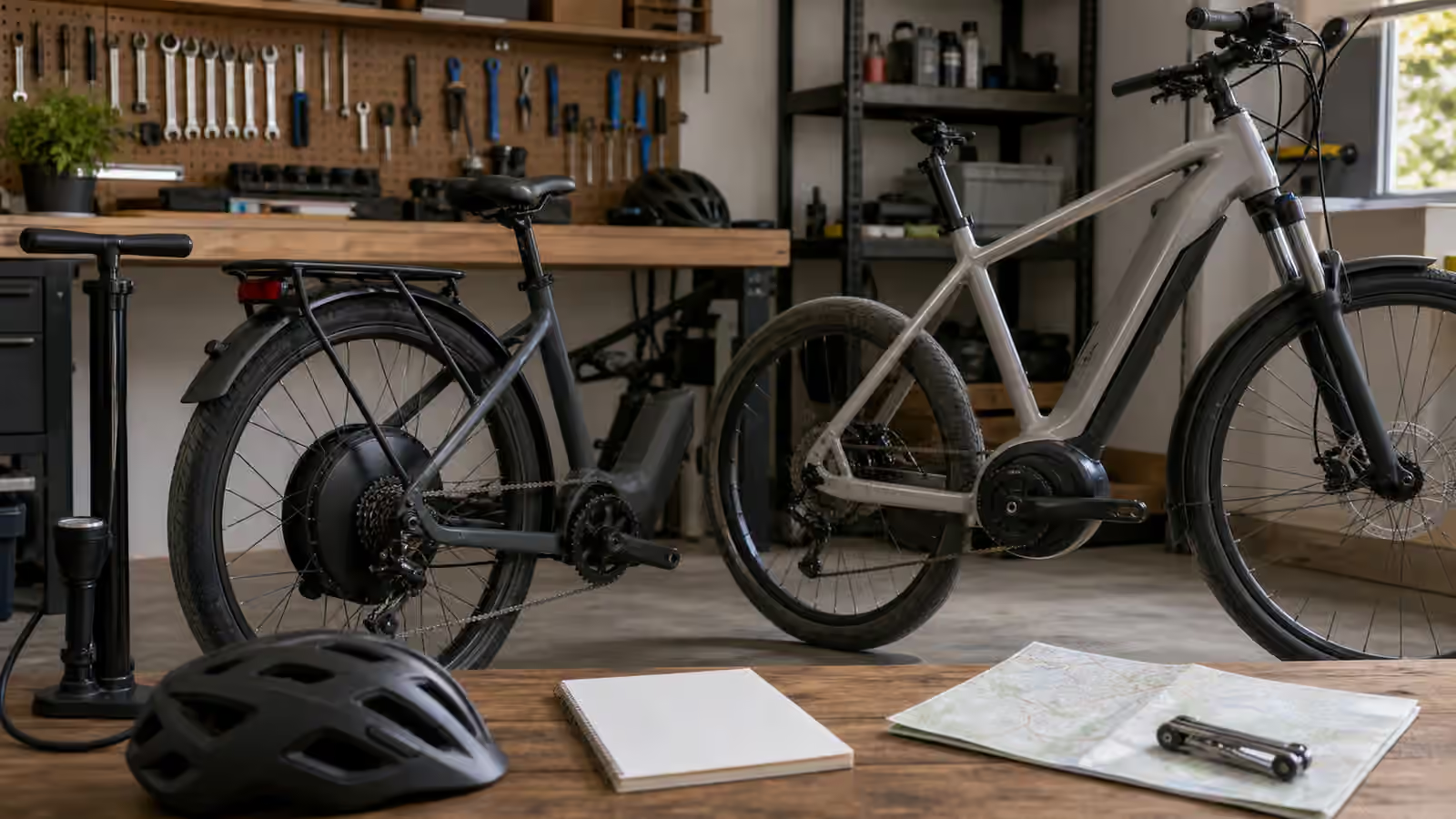
A hub motor lives in a wheel, often the rear wheel. In many designs, the motor adds power directly at the wheel while the rider’s chain or belt turns the drivetrain separately. That can make the bike feel straightforward for riders who do not want shifting to dominate the experience. It can also make some starts feel like the bike is pushing from the wheel rather than multiplying the rider’s effort through the gears.
On flat routes with moderate loads, a hub-motor bike may be calm and practical. On steep hills, heavy cargo routes, or repeated starts, the details matter. Some hub systems handle this well; others feel strained or less refined. A rider should not assume that every hub motor is weak or every mid-drive is superior. The specific bike, route, and service support decide more than the label.
Hub motors can change wheel service. A rear flat may involve a heavier wheel, motor cable, axle hardware, torque washers, or other details that a beginner should not improvise at the roadside unless they have practiced and have the correct instructions. This is a useful buying question, especially for commuters. Ask how a flat is handled and whether local shops are comfortable servicing that model.
Mid-Drives Reward Smooth Shifting
A mid-drive motor sits near the crank and sends power through the drivetrain. Because motor power travels through the chain or belt and gears, gear choice matters. On hills and cargo starts, a mid-drive can feel strong and efficient when the rider shifts well. It can also put more demand on chains, cassettes, sprockets, belts, and internal hubs if the rider grinds under high load or shifts carelessly.
Mid-drive riding often benefits from the same habits taught in Motor Assist and Shifting Practice . Ease pressure during shifts, choose a lower gear before stopping, and avoid asking the motor to rescue a bad gear choice on a hill. The motor may be powerful, but the drivetrain is still a mechanical path with limits.
This does not mean a mid-drive is difficult. Many are pleasant and intuitive. It means the rider should treat shifting as part of the motor system. A bike that climbs well when shifted properly may feel clumsy if the rider leaves it in a high gear for every start.
Starts And Hills Reveal The Difference
The most useful motor comparison happens on the route, not in a spec table. Start from a stop on a mild hill. Start again with a bag on the rack. Try a slow turn from a driveway. Climb a familiar grade without racing. Descend and brake normally. Pay attention to how smoothly assist begins, how easy it is to control, and whether the rider feels rushed by the motor.
Hub motors and mid-drives can both have cadence sensors, torque sensors, throttles where allowed, and different assist profiles. Sensor behavior may matter more than motor location. A cadence-based system may add power when the pedals move, while a torque-sensing system may respond more directly to rider pressure. The labels are not a moral ranking. They are cues for practice.
For hills, connect motor behavior with Hill Starts and Downhill Braking . Climbing is only half the route. If a motor helps the rider reach the top with cargo, the brakes and handling still have to bring the rider down with control.
Cargo Makes Motor Habits Visible
Cargo does not only add weight. It changes starts, balance, braking, turning, and drivetrain load. A hub-motor cargo setup may feel steady once rolling but require careful attention to wheel service and traction. A mid-drive cargo setup may climb well but demand smoother shifting and more drivetrain maintenance. Either can be excellent when matched to the real errand.
Before choosing a motor type for cargo, define the ordinary load. Groceries, child seats, trailers, work tools, hills, and school gates all ask different things from the bike. The Weight Ratings and Payload Math habit matters because motor power does not increase the frame, rack, tire, brake, or passenger limits.
Practice with harmless weight before relying on the bike. If the motor lurches, if starts feel abrupt, if the drivetrain complains, or if the rider cannot make a smooth low-speed turn, the setup needs adjustment, practice, service, or a different route.
Maintenance Questions Are Buying Questions
A motor choice is also a support choice. Who services this bike locally? Are replacement wheels, controllers, displays, sensors, chainrings, belts, cassettes, chargers, and batteries available through a reliable channel? Does the manufacturer publish clear instructions? Can the shop diagnose error codes? If a used bike has an orphaned motor system, a low price may hide a support problem.
The Used E-Bike Buying Checklist should include motor support, battery support, charger compatibility, and service records. A motor that works during a short test ride is not enough. The owner needs a path for the first real problem.
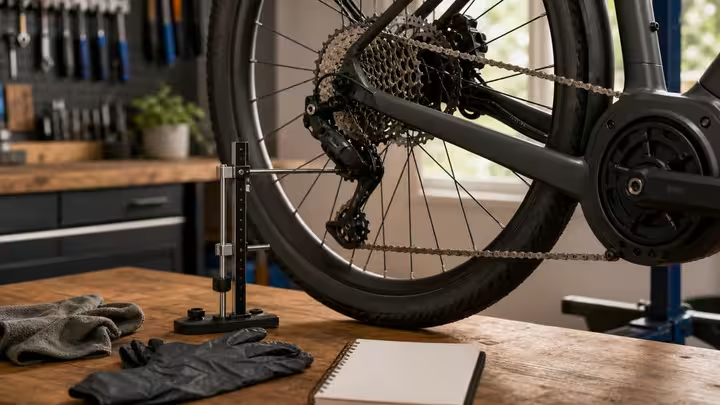
Maintenance also differs by drivetrain. A mid-drive may make chain and cassette wear more noticeable, especially under heavy loads. A hub motor may make rear-wheel handling more specific during flats. A belt-drive mid-drive has different care than a chain-drive hub bike. Use the manual, and pair motor thinking with Chain, Belt, and Drivetrain Cleaning rather than copying generic advice.
Local Rules Still Come First
Motor type does not exempt the rider from local e-bike rules. Class, speed, throttle behavior, path access, trail access, school policies, transit rules, and posted restrictions can matter more than whether the motor is in the wheel or at the crank. A motor that feels perfect on private property may not fit the intended public route if local rules limit throttle use or access.
Use the E-Bike Class, Throttle, and Speed Guide before buying, not after. It is frustrating to discover that the bike’s motor behavior makes it awkward for the route that motivated the purchase.
Ride The System You Own
The practical habit is simple: stop asking motor type to answer every question. Hub motor or mid-drive, the rider still needs a calm start, a reliable brake check, correct tire pressure, realistic range planning, a service path, and enough practice to make assist predictable. A good bike is not the one with the winning label. It is the one whose motor behavior, route, cargo, local rules, and maintenance support match the life it is supposed to serve.