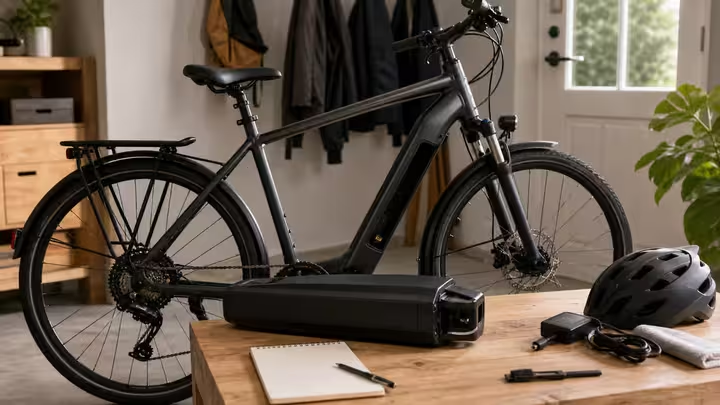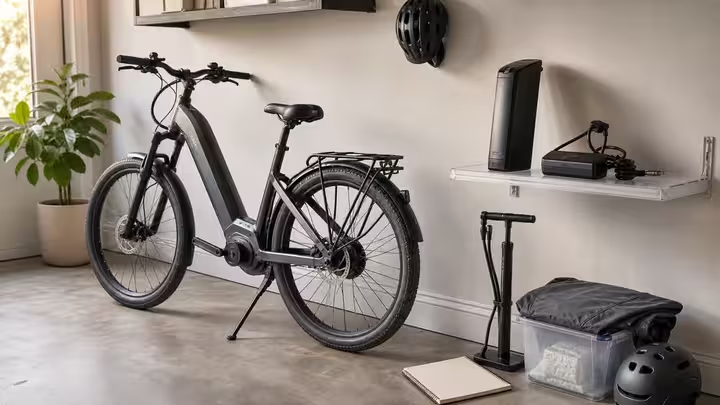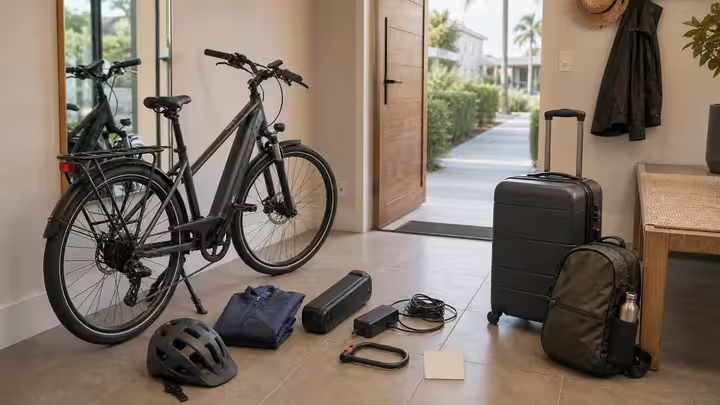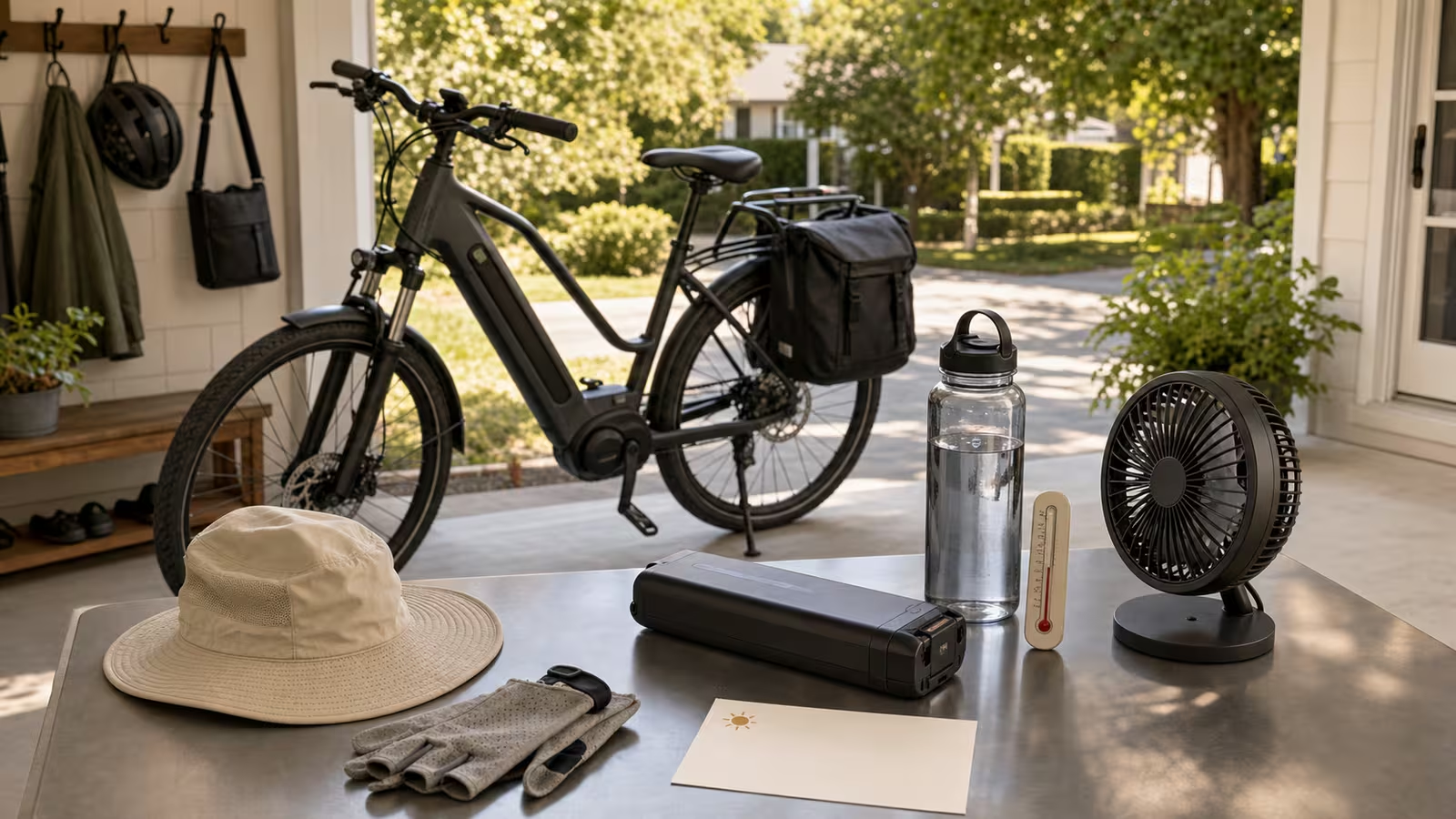
Hot weather can make an e-bike feel like the perfect tool because the motor reduces effort. That can be true, but heat still changes the ride. A rider can overheat while moving slowly through city streets. A battery can sit in a hot shed, car, cargo box, or sunlit rack longer than the manual allows. Groceries can warm while the bike is locked outside. A route with no shade can become a different trip in July than it was in April.
Plan around the hottest part of the route
The official temperature is not the whole ride. Asphalt, unshaded bike lanes, reflective buildings, stopped traffic, heavy cargo, and low airflow can make a route feel much hotter. Start by naming the hottest part: the exposed bridge, the parking lot, the school queue, the hill without shade, the locked rack outside the store, or the apartment hallway after the ride.
Shift timing when possible. A morning errand may be pleasant while an afternoon version is harsh. Choose a shaded route even if it is slower. Break the trip into stops with water and cooling. Use lower effort and more assist where it prevents overheating, but remember that high assist can also increase battery use. The goal is a cooler whole trip, not a faster one.
Keep the battery out of heat traps
Battery makers give temperature guidance for use, storage, and charging. Follow it. A battery left in direct sun, inside a closed car, on a hot balcony, or in a metal cargo box may exceed sensible limits. A charger on a cluttered, hot, fabric-covered surface is also a poor setup. Use a clear, hard, dry, ventilated charging place within the allowed temperature range.
Do not charge a battery that is unusually hot, swollen, cracked, wet, odd-smelling, damaged, or behaving strangely. Let manufacturer instructions guide cooldown and service. The Battery Care Planner gives a stable routine; hot weather simply makes the location and timing more important.
Dress for cooling and control
Hot-weather clothing should support control, visibility, and cooling. A light breathable layer may be better than bare skin in strong sun. Gloves can prevent sweaty hands from slipping while still needing ventilation. Eye protection can help with glare and dust. A helmet should remain properly fitted; do not loosen it to get airflow if that ruins fit.
Watch for backpack heat. A heavy backpack can turn a mild ride into a sweaty one and cover reflective details. Panniers or a basket may keep the rider cooler, but cargo placement still needs balance and secure straps. The Cargo Setup Picker helps decide whether the bike or the rider should carry the load.
Hydration belongs in the departure routine
Water should not be an afterthought at the far end of the trip. Put it where you can reach it safely at stops. If the route is long, hot, or carries passengers, include water for everyone. Do not count on buying a drink if the stop is closed, the lock spot is poor, or the child passenger is already uncomfortable.
Heat also affects decision quality. A rider who is overheated may rush crossings, skip locking carefully, forget lights, or misjudge effort. Build pauses into the ride before you need them. Stopping in shade for two minutes can be better than grinding through a stressful final mile.
Protect cargo and passengers
Hot-weather cargo is not just about groceries. Medication, electronics, library books, lunches, school items, and pet supplies can be heat sensitive. Use insulated bags when appropriate, shop cold items last, ride home directly, and avoid leaving loaded bags baking on the bike. If you are carrying a child, heat comfort becomes a stricter boundary. A child in a seat or trailer may get less airflow or be exposed differently than the rider.
Check passenger shade, helmet comfort, water, mood, and the ability to stop. Do not use the ride to test a child’s heat tolerance. School policies and local rules may also affect hot-weather routines, especially during heat alerts.
Adjust range expectations
Heat can affect range through route choice, assist level, tire pressure, cargo, wind, and rider behavior. A hot rider may choose more assist. A route with shade may be longer. A trip that includes air-conditioned stops may involve extra parking and locking. Plan with reserve. The Range Reality Planning method still applies: advertised range is not today’s route.
Check tire pressure according to guidance, not by guessing from feel. Temperature changes and load matter. Soft tires can add effort and heat. Overinflated tires can reduce comfort and grip. Keep the bike rolling efficiently, but do not exceed stated limits.
Use a heat-cancel rule
Make a no-ride rule for heat. It might depend on official alerts, route exposure, passenger needs, medical concerns, battery storage, or whether the return trip is hotter than the outbound trip. A solo shaded errand may be fine when a child passenger school pickup is not. A short ride to transit may work when a long grocery run with cold food does not.
Write the rule before the day becomes uncomfortable. Heat can make people negotiate with themselves poorly. A backup mode is part of transportation, not a personal defeat.
Reset after the hot ride
At home, move the bike and battery to the allowed storage conditions. Let wet clothing dry. Refill water. Check whether lights, bags, or charger were left in sun. If the ride felt too hot, change the route, time, cargo plan, or cancellation rule while the memory is fresh.
Hot-weather e-bike riding works when it lowers strain rather than hiding strain. Keep the battery within instructions, keep the rider cool enough to think clearly, keep passengers comfortable, and let heat cancel the trip when the margin is gone.