E-bikes make hills less intimidating, but they do not remove the physics of starting, stopping, turning, braking, and carrying weight on a slope. In fact, assist can make a hill feel solved until the rider has to restart from a stop sign, brake on wet pavement, manage a heavy grocery load, or keep a child passenger calm. Hill skill is not about climbing the steepest street. It is about controlling the moments where the hill changes the bike.
Pick a gentle practice hill
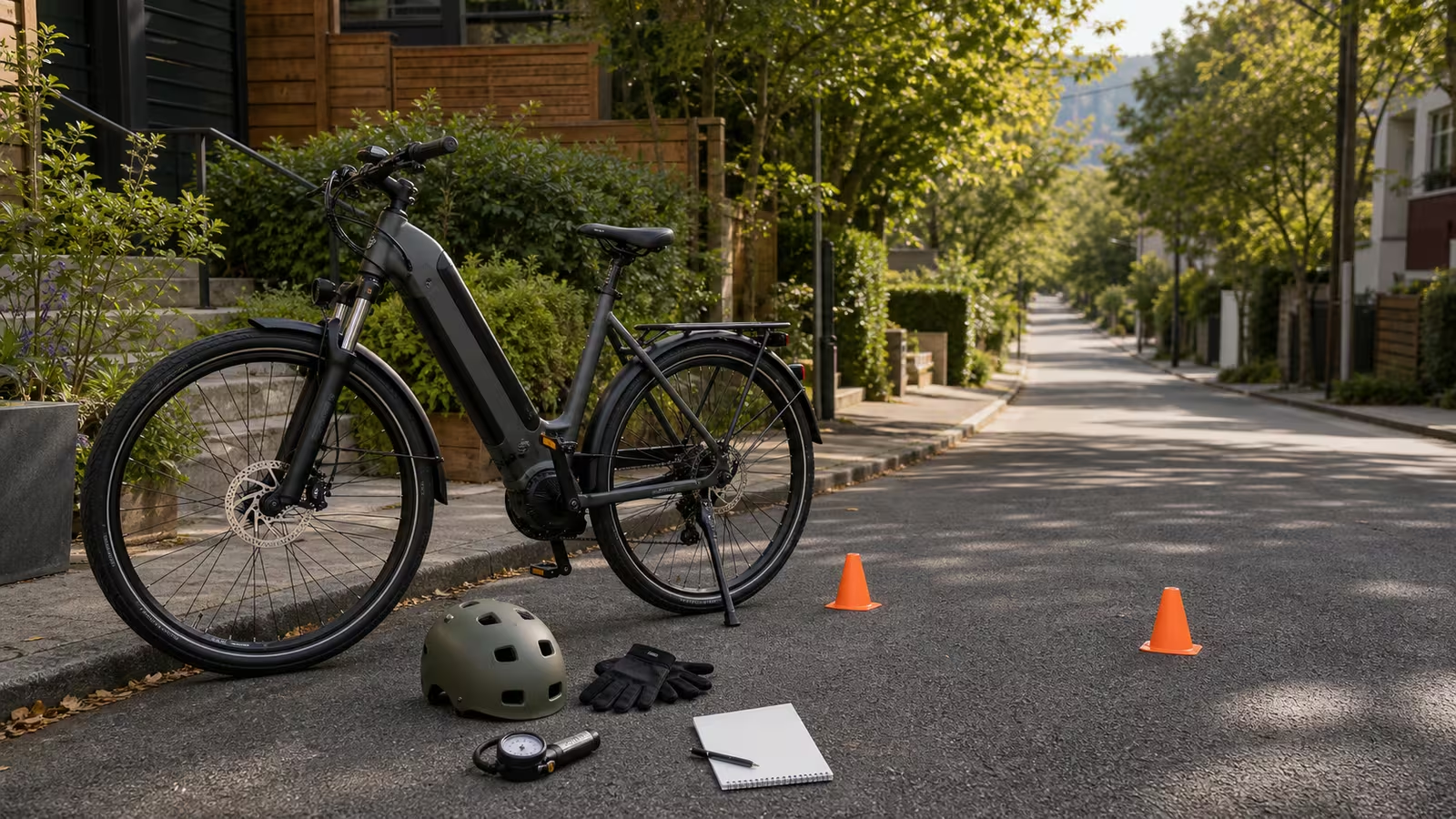
Find a quiet slope with clear sight lines, low traffic, legal access, good pavement, and a flat area at the bottom. A school parking lot outside active hours, a calm residential hill, or a broad paved path where bikes are allowed can work. Avoid blind crests, driveways, gravel, wet leaves, tight turns, and places where you would block other people.
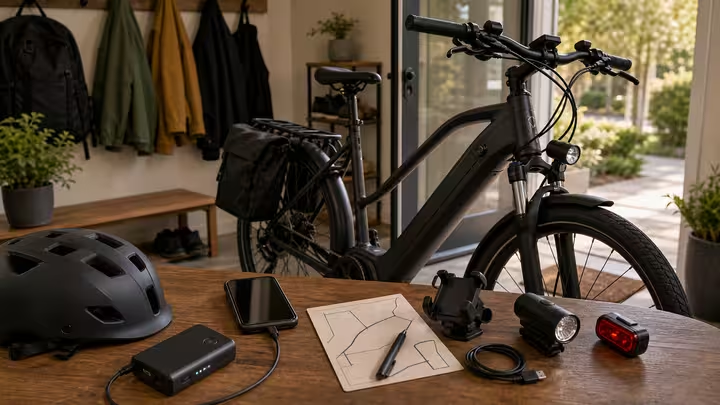
Bring the real helmet, shoes, gloves, and bag you expect to use. Practice without cargo first. Then add harmless weight. Passengers come much later, after the rider has repeated the sequence calmly. The first practice goal is not speed; it is smoothness.
Learn how assist starts
Different e-bikes deliver power differently. A cadence-sensor bike may surge when the pedals begin moving. A torque-sensor bike may feel more natural but still add power when pressure increases. A throttle-equipped bike may be helpful or risky depending on local rules, rider skill, and surface. Know how your bike responds before starting on a hill with traffic behind you.
Practice starting with the assist level you actually plan to use. Too little assist can make the bike wobble from a slow start. Too much can make the bike jump forward. Keep one foot ready, look where you want to go, start smoothly, and do not aim the bike into a tight space until the launch is stable.
Use gears before the stop
If your bike has gears, shift before the hill stop when possible. Many beginners stop in too hard a gear, then struggle to restart and overuse assist. Shifting under heavy load can also stress the drivetrain on some bikes. Learn the maker’s guidance and practice arriving at a stop in a gear that lets you move again calmly.
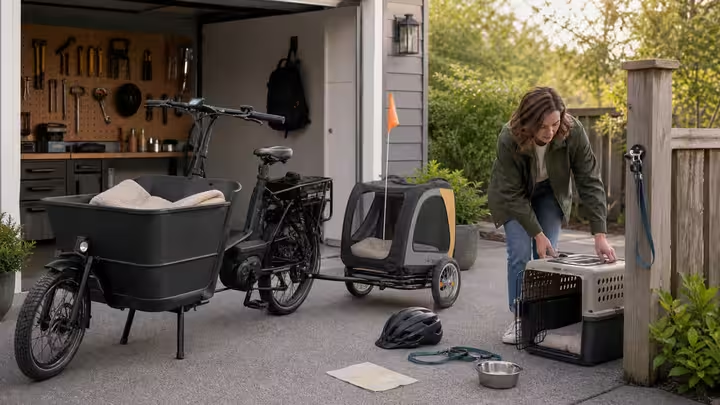
This matters with cargo. A loaded bike that starts awkwardly can lean, wobble, or make the rider put a foot down suddenly. If the cargo shifts during a hill start, the packing plan needs work. The Grocery Hauling Without Wobble guide connects directly to hill practice.
Brake earlier on descents
Downhill speed can grow quietly on an e-bike because the bike is heavier and the rider may be comfortable from the motor-assisted climb. Brake earlier than you think. Use both brakes as appropriate for your bike and conditions, following instruction and training. Avoid grabbing brakes abruptly on loose, wet, or uneven surfaces. Leave more space before turns, intersections, pedestrians, and parked cars.
If the brake lever feels odd, the bike pulses, the braking distance increases, the wheel rubs, or you hear a new grinding sound, stop using the bike normally and get it checked. Downhill braking is not the place to test a questionable brake system.
Keep your eyes away from the front wheel
On hills, riders often stare at the ground directly in front of the tire. That can make steering choppy and delay awareness of traffic, pedestrians, or the next surface change. Look farther ahead, then scan back to the surface. Choose the line before the bike reaches it. If the road has potholes, rails, wet paint, leaves, or gravel, slow before the hazard rather than steering sharply at the last moment.
Cargo bikes need even earlier choices. A longtail, trailer, or front-loader may take a wider line and respond differently to bumps. Practice with no passenger and a harmless load before trusting the route on a schedule.
Respect heat, battery, and range
Hills use more energy. A hilly route with cargo, headwind, cold weather, or high assist can reduce usable range faster than a flat route of the same distance. Plan reserve with the Range Reality Calculator and remember that descents do not always repay what climbs consume. Some bikes have regenerative braking, many do not, and the amount varies.
Hills can also heat the rider and the system. If the bike displays warnings, behaves oddly, or the manual sets climbing limits, follow that guidance. Do not turn a hill into a motor stress test.
Build a hill decision tree
For each routine route, name the hard hill moments: starting from a stop, crossing at the top, braking at the bottom, turning on the slope, and managing traffic behind you. Then decide: ride, walk, detour, or practice more. Walking a steep or awkward block is a valid transportation choice. So is choosing a longer route with a gentler grade.
School runs and passengers need the strictest tree. A hill that is fun solo may be a poor passenger route. Strong wind, rain, ice, loose cargo, tired children, or low battery can move the same hill from rideable to backup mode.
Finish with a repeatable drill
A simple beginner drill: start on a gentle slope, ride twenty yards, stop smoothly, look behind, turn only where space is wide, descend slowly, and stop at the bottom before the flat area ends. Repeat with different assist levels. Then repeat with a small load. Stop if control worsens.
The skill you want is not heroic climbing. It is the calm feeling that starts and descents are understood. When hills become ordinary, the route becomes easier to trust.