Groceries are one of the best tests of an everyday e-bike. The trip is familiar, the load is irregular, the timing matters, the parking may be awkward, and the ride home can expose every weakness in your cargo setup. A good grocery system does not ask the bike to perform a stunt. It keeps weight low, fragile items protected, cold food timed, bags stable, and the route calm enough that the errand can become normal.
Shop for the bike you have
The grocery plan starts before the cart. Write the list with the bike in mind. Heavy, dense items like cans, bottles, rice, and detergent belong low and centered if you choose to carry them. Fragile items need a protected zone. Frozen and refrigerated food need a timing plan. Awkward items like paper towels, flowers, baguettes, or large boxes need straps or a reason to wait for another trip.
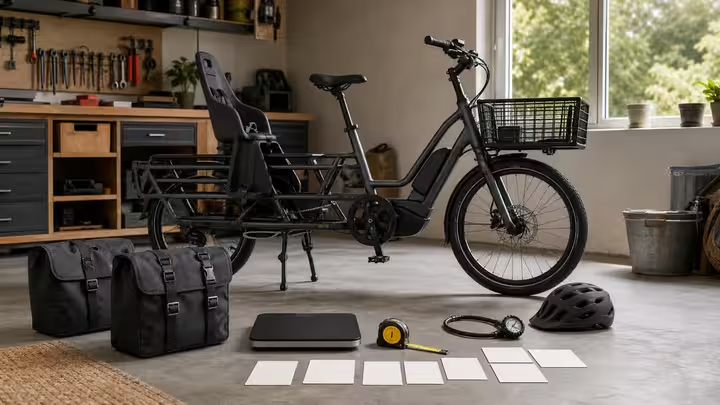
Beginners often discover that a bike can carry more volume than they can manage calmly. Do not use the first grocery ride to prove the maximum. Start with one or two bags, learn how the bike handles, and expand only when the ride remains predictable. The Cargo Setup Picker is useful because it asks what the load really is instead of treating all cargo as the same problem.
Put heavy things low
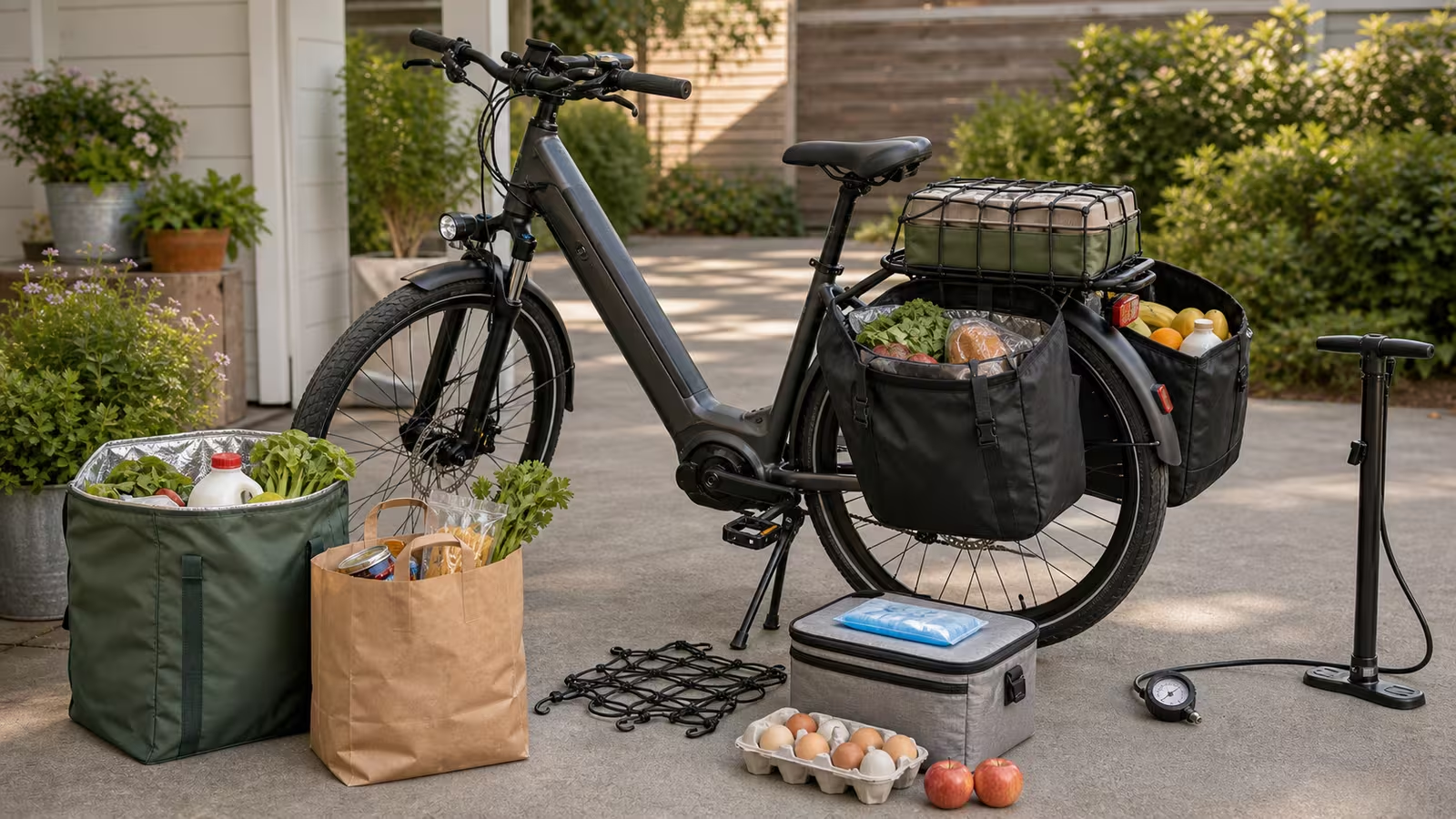
Low weight is easier to handle than high weight. Panniers usually beat a tall rear crate for heavy groceries. A front basket can be convenient for light items, but too much front weight can change steering. A rear rack can work well, but a tall stack behind the rider may sway, block lights, or make the bike harder to put on the stand. A trailer can carry volume, but it changes turning, braking, storage, and visibility.
Balance left and right. One heavy pannier and one empty side can make the bike feel odd when starting, stopping, or walking. If you must carry an uneven load, ride gently and practice in a quiet area before entering traffic. Check that pannier hooks are seated, straps are tucked, and nothing can swing into spokes, disc rotors, chain, belt, tire, or pedals.
Pack fragile and messy items separately
Eggs, berries, bread, herbs, chips, glass jars, and takeout containers do not belong under cans. Use a top bag, basket, crate divider, or backpack only if it stays comfortable and does not interfere with shoulder checks. If a backpack makes you sweaty, unstable, or hidden under a dark rain cover, move more cargo to the bike.
Liquids deserve respect. Milk, oil, soup, cleaning products, and kombucha can leak. Keep lids upright when possible and separate cleaners from food. A small washable liner in the pannier can save the next ride from mystery stickiness. The Keepers Guild habit applies here too: clean the bag before the problem becomes permanent.
Lock for the actual store stop
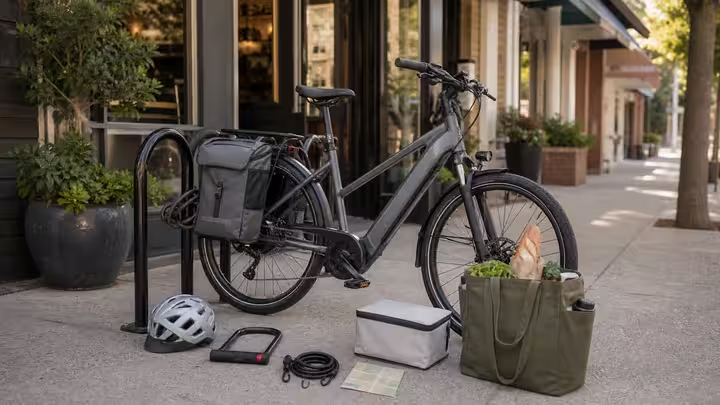
Grocery stops can be tempting theft targets because the rider is inside, distracted, and likely to be away longer than expected. Choose a visible rack or fixed object. Lock the frame first. Add a second lock or wheel security when the stop, bike value, neighborhood, or duration calls for it. Remove lights, bags, display units, or batteries if your bike and situation make that sensible.
Do not let the grocery load decide the lock quality. If you cannot lock because the panniers block the frame, the setup needs adjustment. If the store has no useful rack, scout an alternative before the first big shop. The Lock Risk Checklist can turn this into a repeatable decision instead of an anxious guess.
Mind cold food and weather
An insulated bag is useful, but the simplest food habit is timing. Buy frozen and refrigerated items near the end of the shop. Ride home directly when the weather is hot. Use a cold pack if the distance, temperature, or errands after the store make that sensible. In rain, keep cardboard packaging and paper bags away from spray. In winter, remember that cold air may reduce battery range while the grocery load adds work.
This is not about making an e-bike replace every store trip. It is about knowing which grocery trips fit. A quick refill run, produce run, bakery stop, and weekly light shop may be perfect. A huge bulk trip with heavy cases, fragile items, and a steep hill may need a trailer, a different bike, delivery, car share, or a split plan.
Check the ride home before leaving the lot
Pack, then test. Lift the bike off the stand if it has one. Walk a few steps. Squeeze brakes. Look behind you. Turn the bars. Check that lights are still visible. Bounce lightly to hear rattles. If anything shifts, fix it before riding. The parking lot is the workshop; the road should not be the first test.
Use lower assist or gentler starts if the load surges. Brake earlier. Avoid sharp turns, potholes, and fast curb cuts. If the bike feels wrong, stop and repack. A grocery ride is successful when it feels uneventful, not when it is completed despite wobble.
Build a home landing zone
The trip does not end at the driveway. Where do the bags go? Can the bike stand while you unload? Does a shared hallway need to stay clear? Do cold items reach the fridge quickly? Is there a place for wet panniers? Can you clean a spill before it becomes smell? Apartment riders especially need a clear unloading order because elevators, stairs, bike rooms, and narrow doors can make a full bike awkward.
The Apartment Storage and Charging guide connects here. If unloading requires leaving the bike unlocked outside for several trips, the grocery routine needs a better plan.
Save the packing pattern
When a grocery ride works, write down the pattern. Left pannier: cans and jars. Right pannier: produce and dry goods. Top bag: bread and eggs. Insulated bag: frozen items. Lock: frame and rear wheel. Light: moved to rack mount when bags are tall. Route: quieter street home because the hill is gentler. That little record can save the next ride from improvisation.
Errands become reliable when the bike, bags, route, lock, list, and landing zone agree with each other. Start small, pack low, protect fragile food, lock deliberately, check before leaving, and reset the system when you get home.